
The 7 Best Places to Sail in Europe.
Whether you rent and sail your own vessel OR hire a skippered vessel, this post applies to you.
Europe’s main charter regions sit relatively close together, yet they offer very different experiences on the water. Croatia has short legs and an unusually dense marina network. The Ionian Sea gives beginners room to learn. The Cyclades can turn a holiday into a serious passage plan. The Balearics add open-water swell and expensive berths. Northern Sardinia has exceptional water, but the Bonifacio Strait deserves respect. Turkey is warmer, greener and calmer than many people expect. Stockholm replaces warm water with rocks, close navigation and long summer evenings.
1. Sailing Croatia: the easiest place to keep a flexible plan
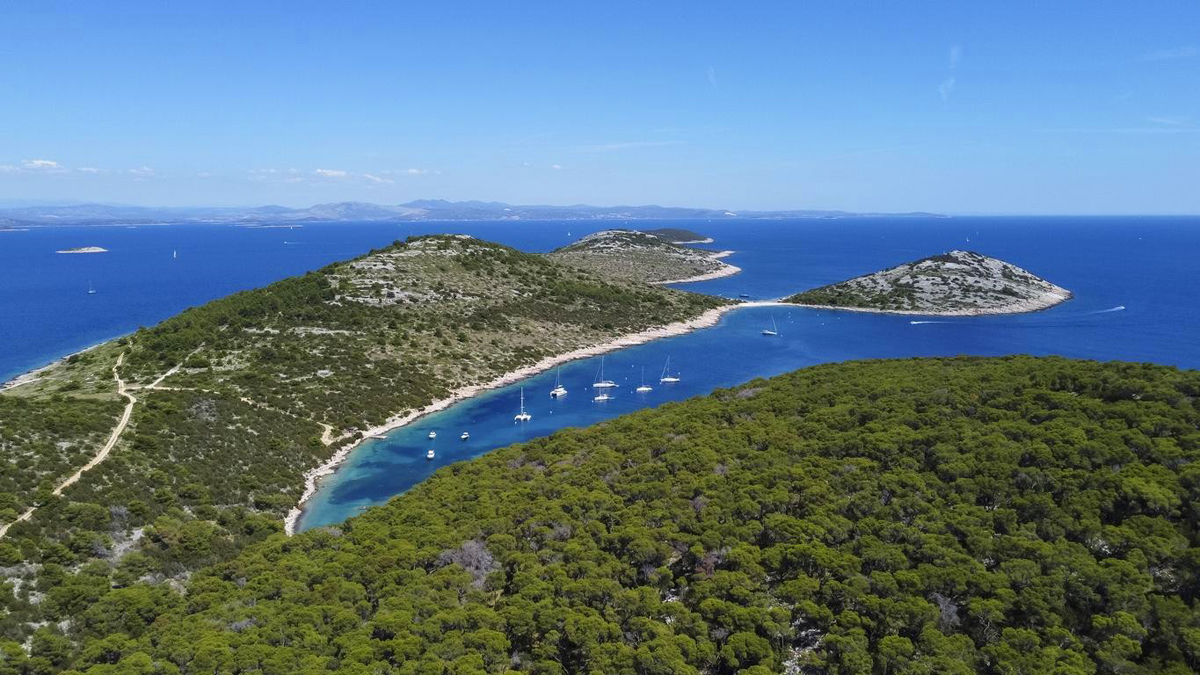
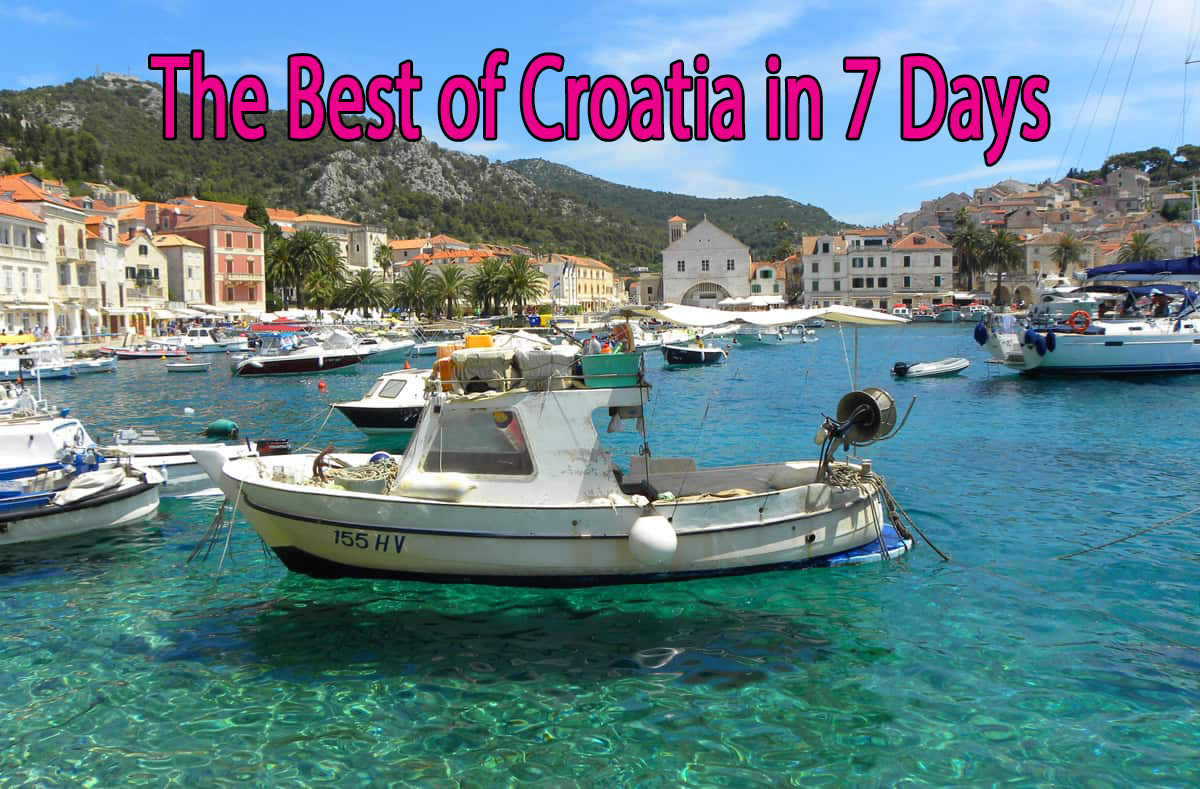
Central Dalmatia, Croatia is generally the safest recommendation for a first sailing holiday. From Split, Trogir or Šibenik, many useful legs are only 10 to 25 nautical miles, meaning there are great destinations within easy reach. The islands reduce much of the open Adriatic swell, and another bay, quay or marina is usually within reach.
The normal summer maestral often builds during the afternoon. The winds to take more seriously is the bora, a gusty north-easterly that accelerates down the mountains, and the jugo, a south-easterly that can create a heavier sea in exposed channels. Croatia’s meteorological service describes the bora as particularly gusty and the jugo as steadier but stronger between islands and the mainland.
Recommended is at least one quiet anchorage, such as Stupica Vela on Žirje, rather than moving between famous towns every night. Croatia has a dense network of marinas, town quays and managed anchorages, which makes it relatively easy to change plans. The downside is the combination of summer crowds and rising prices. A nightly berth for a 12 to 14 metre monohull can cost around €100 and may exceed €200 in some of the most popular marinas. The silver lining is the sheer size of the local market. With thousands of charter vessels available in Croatia, there are plenty of affordable sailing options to keep costs manageable.
Sailing in Croatia with a skipper is sensible when nobody has handled Mediterranean stern-to mooring. The navigation is rarely the hardest part. A crowded arrival in a crosswind often is.
2. Sailing Greece in the Ionian and Saronic: best for beginners
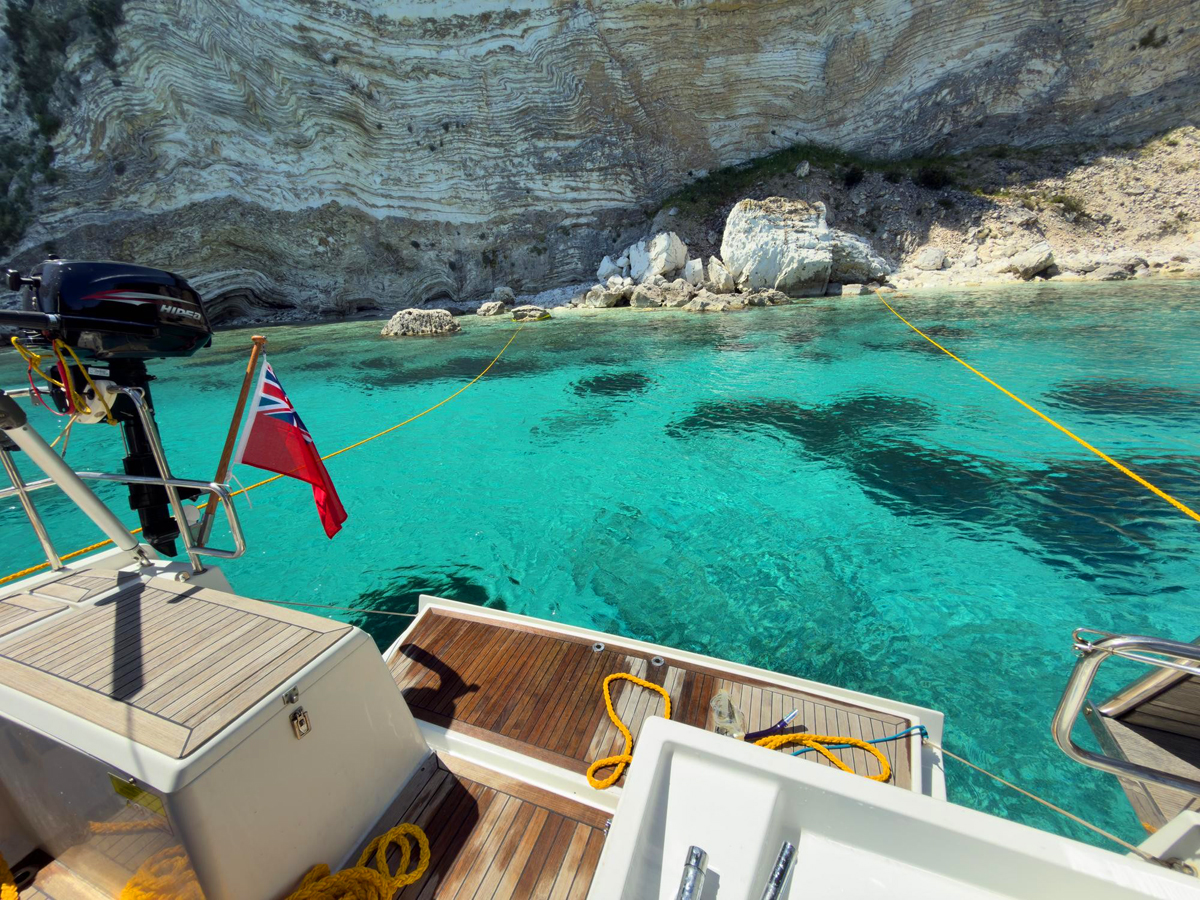
For beginners looking for a first sailing trip, the Ionian Islands are often recommended before any other region in Europe. The mornings are often quiet, the afternoon breeze usually builds gradually, and many legs between Lefkada, Meganisi, Kastos, Kalamos and Ithaca are only 8 to 18 nautical miles.
The water is warm and blue-green. The islands and mainland reduce open-water swell, so the crew can spend more time sailing and less time recovering from it. A preferred type of stop is a small harbour such as Kioni on Ithaca, followed by a quieter night at anchor. Kioni fills early, so you should arrive before the afternoon rush.
The Saronic Gulf offers a similarly manageable week from Athens. Aegina, Poros and the Peloponnese coast form a compact route with several alternatives. Russian Bay on Poros is useful when the town quay is full.
Novice sailors still have to be careful. Afternoon gusts still appear near high land, crossed anchors are common on town quays, and a calm morning can tempt a skipper into planning too much distance. The Greek national weather service publishes separate forecasts for the Ionian, Saronic and Aegean because conditions can differ substantially on the same day.
The Ionian island is the best choice for new skippers and families looking to rent a boat without a captain or a crew*. If you already hold a license, you can browse bareboat charters in the Ionian Sea to check what sizes and layouts are available for a low-stress route. There are also options for skippered trips if looking for a day out at sea.
*“Bareboat charters” refer a rental agreement where you hire a boat or yacht without a captain, crew, or provisions. You take full control of skippering, navigating, and provisioning the vessel yourself, giving you total privacy and freedom but also total responsibility for the trip.
3. Sailing the Greek islands in the Cyclades: for crews who want real sailing
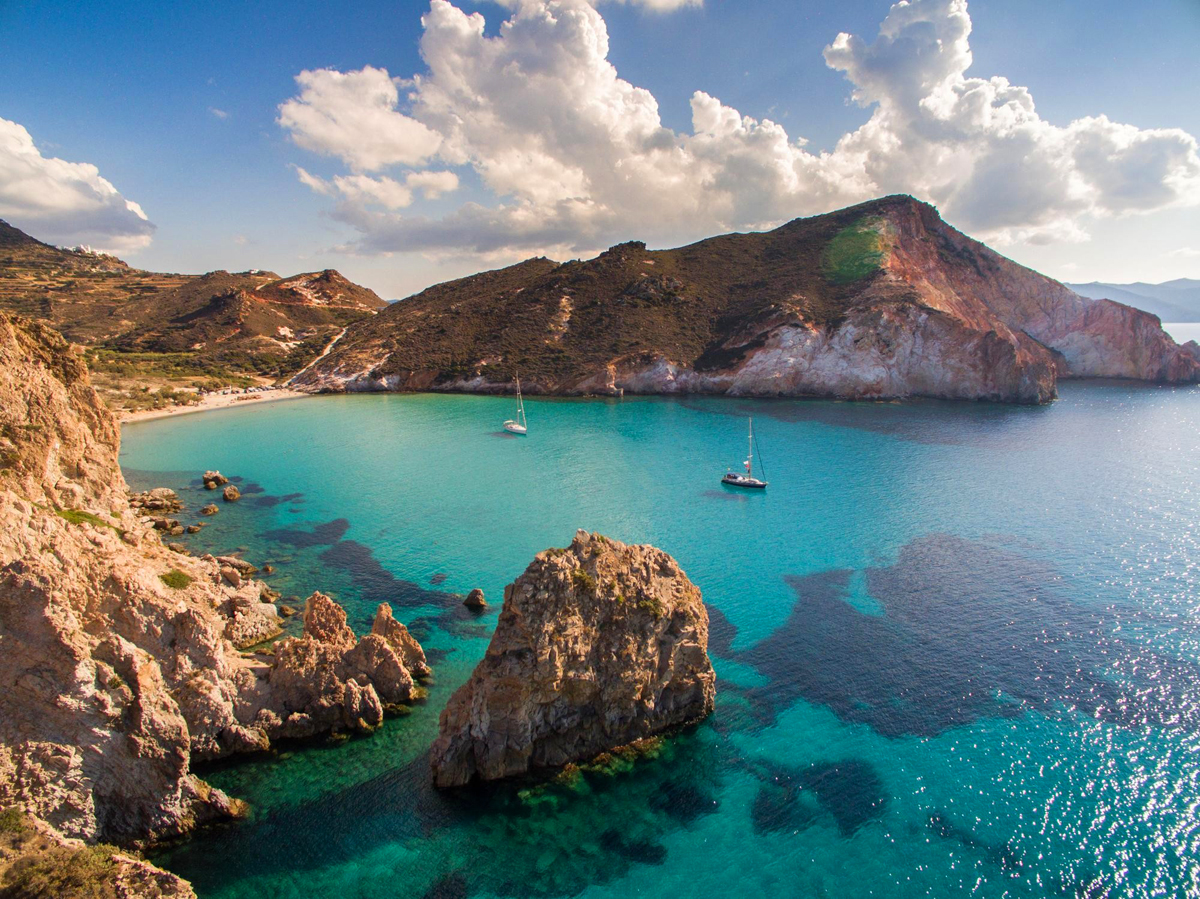
The Cyclades are a top choice for the strongest sailing experience on this list. They are also the area that should be avoided for a nervous crew or first-time skipper.
The islands are exposed and the water is a deeper cobalt blue. In July and August, the Meltemi can blow from the north for several days. A 25-mile passage that looks modest on a chart becomes tiring when the wind is against the route and the sea is short and steep.
Such winds change how to plan a bareboat charter in Greece: instead of forcing through a fixed list of famous islands, it is recommended to build your route around wind direction. Keep conservative options as a backup. Syros, Paros, Kythnos and Serifos can form a good circuit, but – depending on the winds – the order matters more than the names.
Finikas on Syros is a practical harbour because it offers better protection than many exposed island ports. In settled weather, Schinousa and Iraklia provide a quieter experience. In strong Meltemi conditions, it’s best to play it safe and shorten the route.
The reward of sailing the more challenging Cyclades is proper sailing (and less motoring). The downside is that the crew must reef early, tolerate rougher water and accept route changes. Greek marine bulletins warn that gusts can be considerably stronger than the stated average wind and that maximum waves can exceed the published significant wave height.
If you want this experience but lack an experienced skipper on board, you can look into skippered charters out of Athens to handle the passage planning safely. Since this is one of the primary charter hubs for the region, there is a large concentration of professional local skippers, so finding the right fit for a Meltemi route is usually straightforward.
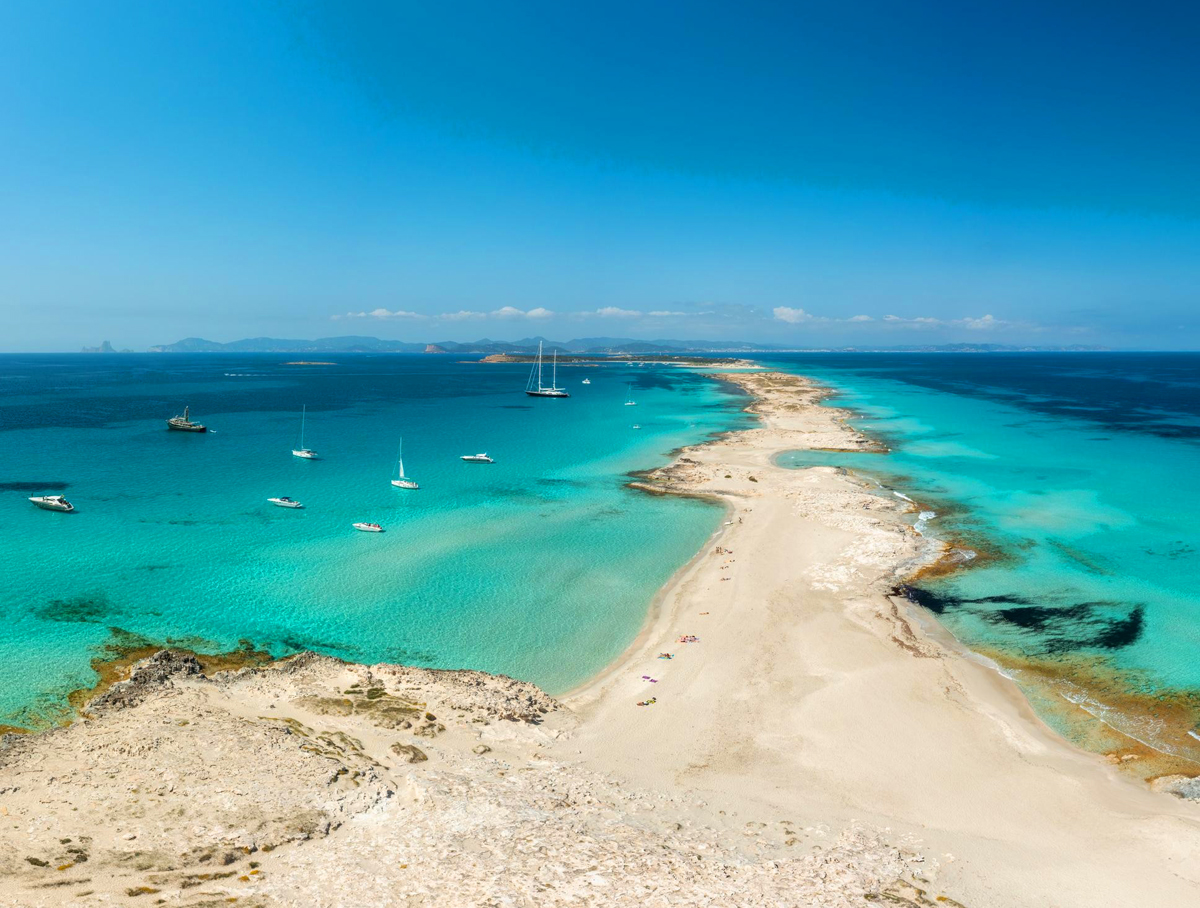
4. Sailing the Balearic Islands: beautiful water, harder logistics
Mallorca, Menorca, Ibiza and Formentera look compact on a map, but sailing the Balearic Islands involves more open water than Croatia or the Ionian.
The crossing between Mallorca and Menorca is a substantial half-day passage for many charter yachts. Mallorca to Ibiza can consume most of a day. Even in moderate wind, leftover Mediterranean swell can keep the boat rolling after the local breeze has eased.
The water is exceptional over sand, especially around Formentera. Anchoring, however, requires more care than simply finding a turquoise patch. Posidonia seagrass is protected, and regulated buoy fields operate around Mallorca, Menorca, Ibiza and Formentera.
Recommended are Cala Saona on Formentera in a settled forecast and Port de Sóller when exploring Mallorca’s north-west coast. Do not try to visit Ibiza, Mallorca and Menorca in one week. It creates long legs and too little margin for weather.
Berths and organised buoys can be expensive, while popular calas become crowded in July and August. It makes sense here to choose your boat in Balearics well in advance to secure a decent price on the vessel itself and offset those seasonal marina costs. If looking for a skippered vessel, there are many options for a day out from Mallorca or Ibiza.
The Balearics suit confident coastal sailors who want clear water, restaurants and genuine passages. Before leaving, check the official AEMET marine forecast.
5. Sailing Italy around northern Sardinia: clear water, serious wind
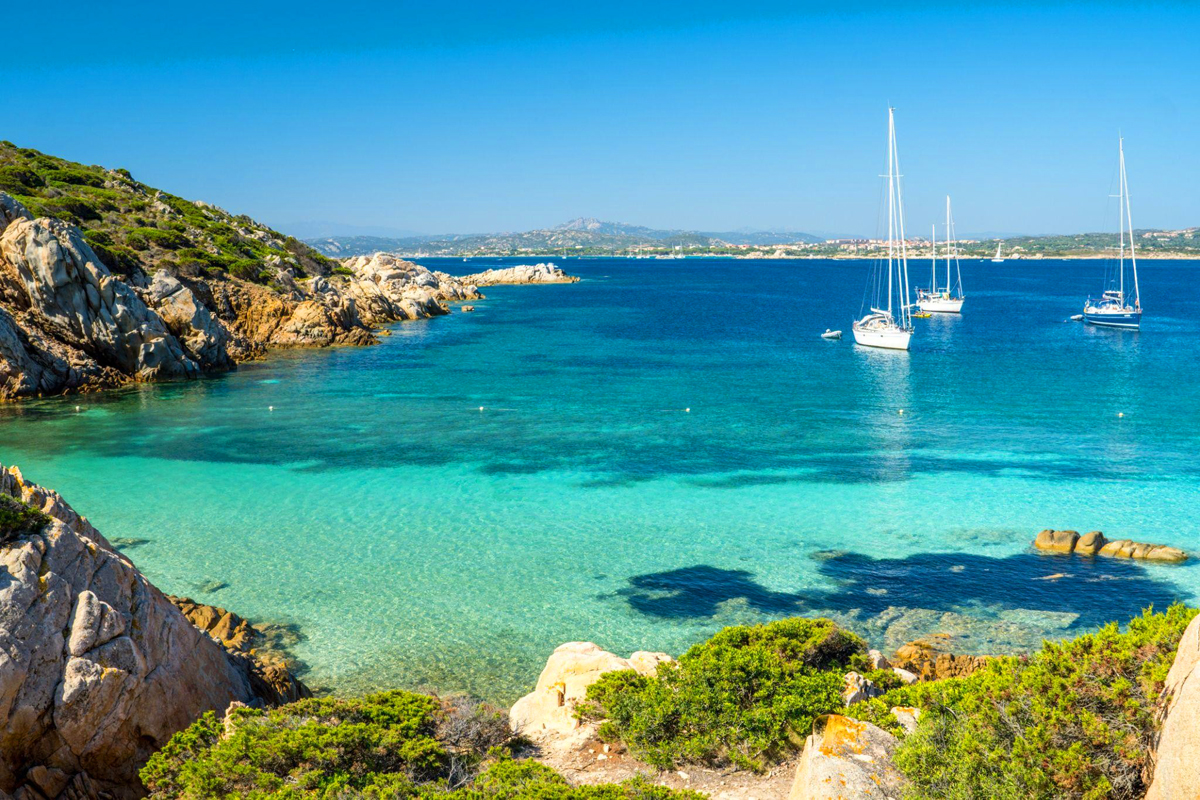
For sailing Italy, northern Sardinia and the La Maddalena Archipelago are top recommendations. The water around Caprera, Spargi and Budelli can look tropical, but this is not simply a beach-hopping area.
The Bonifacio Strait funnels westerly winds between Sardinia and Corsica. When the Mistral arrives, conditions build quickly and an anchorage that worked in the morning may be uncomfortable by afternoon. The distances are short, yet rocks, shallows and protected zones demand attention.
Recommended is a route built around Cala Portese on Caprera and Cala Corsara on Spargi, provided the forecast and local restrictions allow it. La Maddalena National Park requires a permit to sail, moor or anchor within 300 metres of the coast. Seasonal rules also protect Posidonia and restrict activity in sensitive areas.
The area is expensive. Porto Cervo and the Costa Smeralda are not budget stops, so use anchorages intelligently and keep a marina night for provisioning or bad weather. Before committing to dates, it’s best to compare what charter prices are in Northern Sardinia to see which starting ports offer the best value. La Maddalena Archipelago is also a great area for a skippered tour with lots of affordable options.
Northern Sardinia suits an experienced skipper who wants stronger wind, exceptional water and short but technical navigation.
6. Sailing Turkey’s Turquoise Coast: the relaxed all-rounder
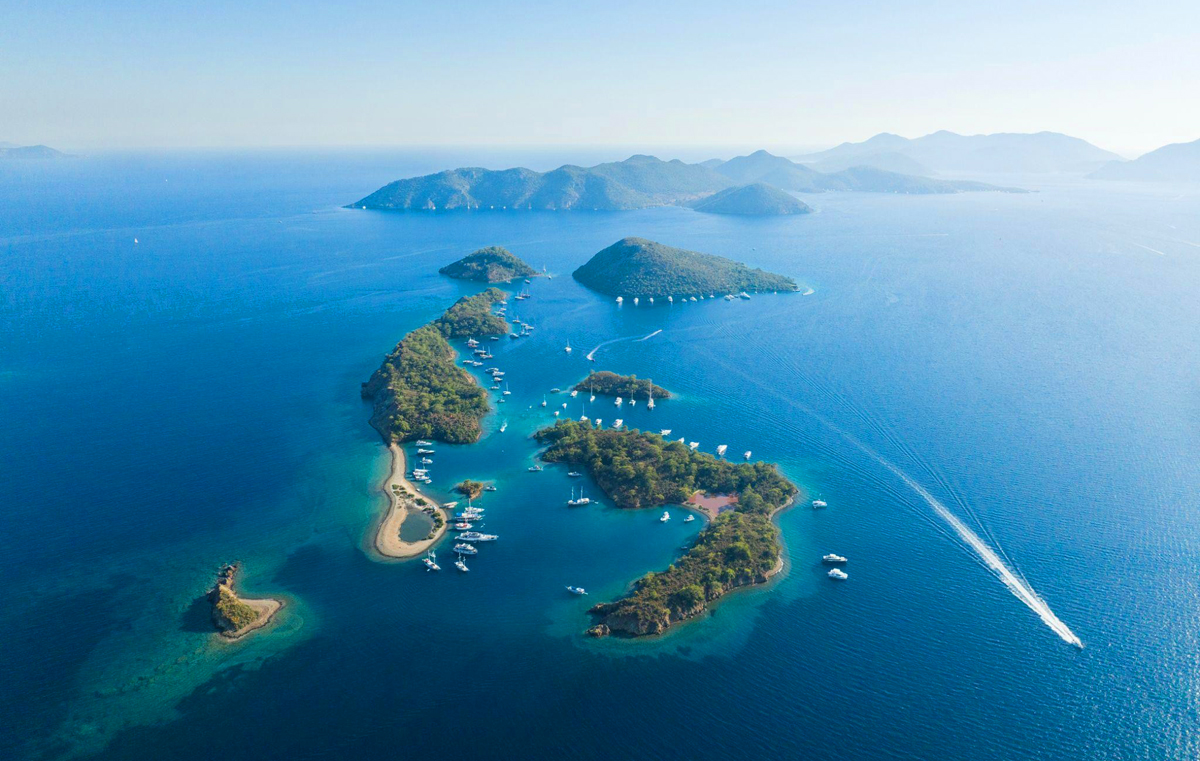
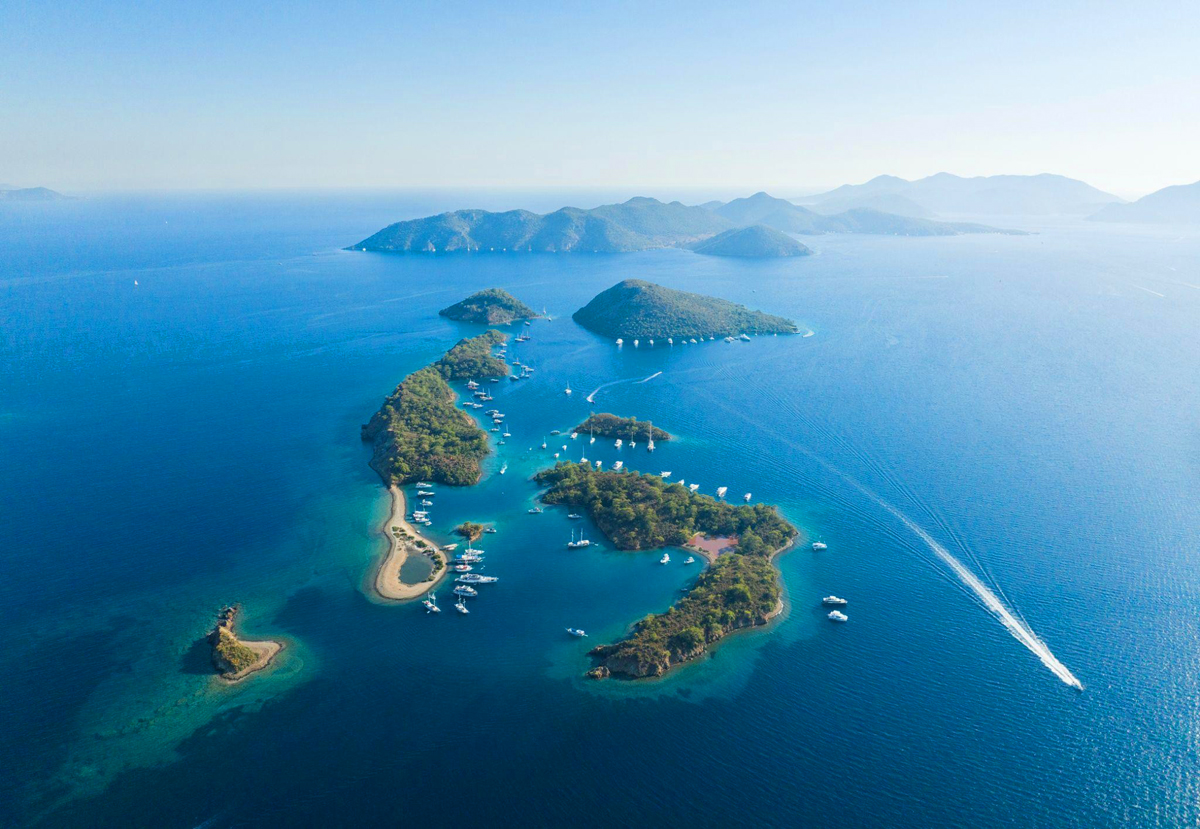
The Göcek and Fethiye coast combines warm water, wooded hills, short distances and a large number of protected bays.
Summer mornings can be very light. The afternoon breeze usually builds from the west or north-west, often around 10 to 20 knots, then weakens towards evening. Inside the Gulf of Fethiye, the sea is generally calmer than the open Aegean. Turkey’s meteorological service publishes separate marine and wave forecasts for its Aegean and Mediterranean coasts.
From Göcek, Bedri Rahmi Bay, Göbün Bay, Tersane Island and Boynuzbükü are close enough for short days. Many bays have restaurant jetties where the expected arrangement is dinner ashore rather than a conventional marina payment.
That’s a great arrangement because it reduces administration. Sail for a few hours, swim, secure the boat and walk to dinner. The downside is that narrow coves can produce local gusts, stern lines require care, and popular jetties fill earlier than expected.
For this style of bay-hopping, many sailors opt for traditional Turkish gulets. These motor-sailers are built specifically for this coast with broad beams, low drafts, and plenty of deck space for restaurant-jetty mooring. There are lots of good (and affordable) multi-day skippered options available on the Turquoise Coast.
Turkey suits beginners, families and flotillas. It also suits crews that value anchorages more than towns. The Ministry of Culture and Tourism lists Göcek, Fethiye, Marmaris, Datça and Bodrum among the established marina centres and identifies the Gulf of Göcek as a major sailing area.
7. Stockholm Archipelago: for navigators, not sunseekers
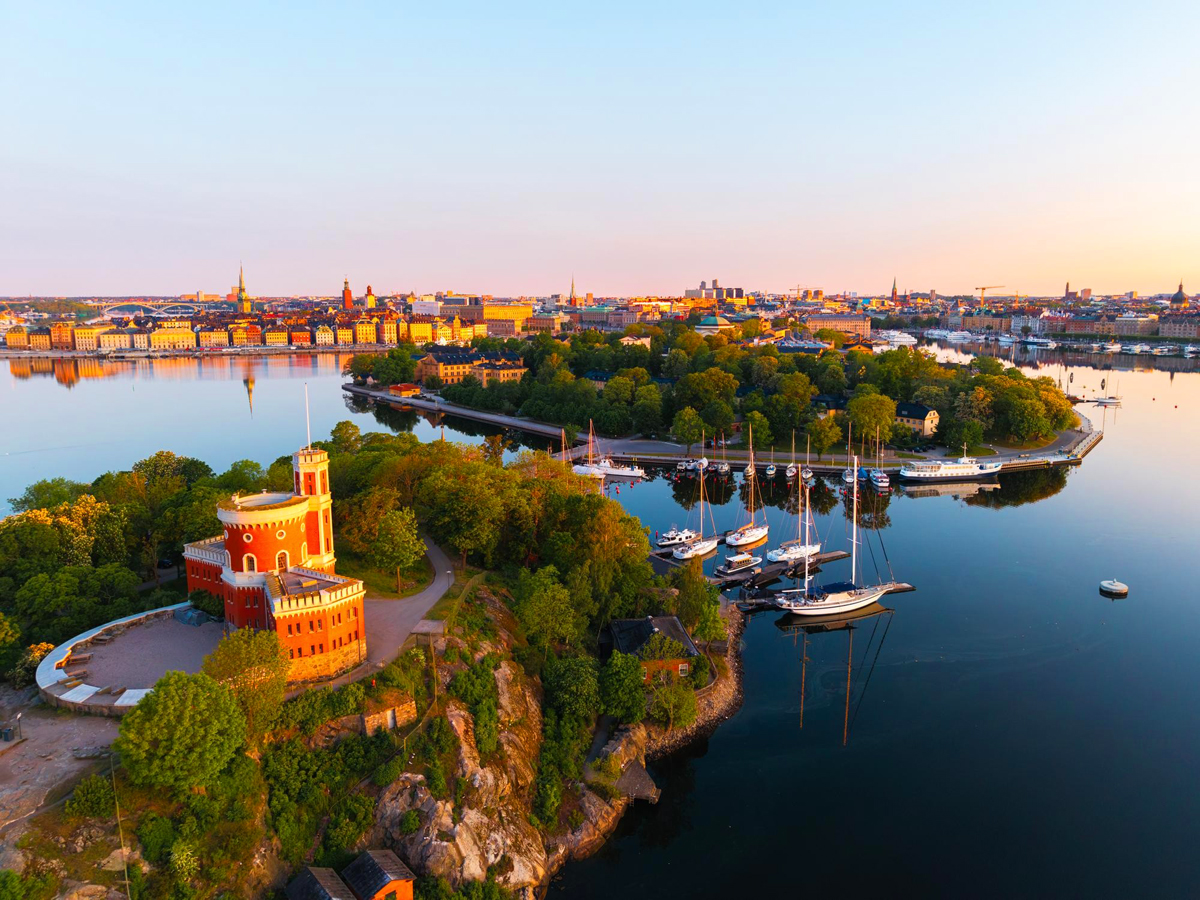
The Stockholm Archipelago offers something the Mediterranean cannot. It has more than 30,000 islands, long summer evenings and enough narrow channels to make a short day feel full.
The water is brackish, darker and colder. Tidal range is small, but granite rocks and shallow passages make navigation demanding. The wind bends around islands, so the sail plan may need more adjustment than the forecast suggests.
Natural mooring is part of the experience. Boats commonly anchor off and secure to rock or shore where conditions and local rules permit. Sweden’s right of public access allows temporary mooring in many places, provided sailors respect homes, protected areas and the environment.
Recommendations include Grinda, Sandhamn and quieter islands beyond the main ferry routes. Guest harbours are normally cheaper than famous Mediterranean marinas. Birka’s published 2026 fee is SEK 275 for 24 hours, plus SEK 80 for electricity.
However, many sailors head here specifically for natural mooring. If you plan to tie up off uninhabited islands, check sailboats in Stockholm for models with a bow ladder or shallow draft, which makes securing directly to granite rocks much safer.
If looking for a skippered option, there are tours that will take you for a pleasurable day around Stockholm’s archipelago.
This is not the right choice for people who measure a sailing holiday by water temperature. It is ideal for sailors who enjoy chart work, close navigation and quiet natural stops.
Which destination suits you?
| Destination | Pros | Cons | Best for |
| Croatia | Short legs, many marinas, flexible routes | Crowds, expensive summer berths | First charter, mixed crews |
| Ionian and Saronic | Sheltered water, manageable wind | Busy quays, light mornings | Beginners, families |
| Cyclades | Strong sailing, less motoring | Meltemi, rougher sea | Experienced crews |
| Balearics | Clear water, proper passages | Swell, cost, restrictions | Confident coastal sailors |
| Northern Sardinia | Exceptional water, stronger wind | Mistral, technical navigation | Experienced skippers |
| Turkey | Warm water, protected bays | Local gusts, stern lines | Beginners, flotillas |
| Stockholm | Quiet islands, long daylight | Cold water, rocks | Navigators |
Do you have a skipper?
You should choose the charter format after choosing the destination.
A bareboat gives complete control, but the skipper is responsible for weather decisions, deposits, maneuvering and crew confidence. The Ionian, Saronic Gulf and Göcek are the most sensible areas here for a first bareboat. Croatia also works, although crowded stern-to arrivals can be stressful.
A skippered charter is appropriate when the crew wants a holiday more than a sailing course. It is particularly useful in the Cyclades, Sardinia and the Balearics, where local weather and anchoring knowledge can prevent expensive mistakes.
A flotilla is a compromise between the two. You sail your own boat during the day, while a lead crew assists with the route, weather and evening mooring. It works best in the Ionian and Turkey, where several safe alternatives exist close together.
So what is the best place to Sail in Europe?
Ask an expert and they would probably choose the Ionian Islands. They offer the best balance of manageable distances, sheltered waters and reliable afternoon wind, making them suitable for both newer skippers and mixed-experience crews.
Croatia has better marina infrastructure and more route flexibility, while Turkey is stronger for quiet bays, swimming and relaxed evenings ashore. The Cyclades offer the most exciting sailing, but they also demand more experience and a greater willingness to change plans when the wind builds.
The Ionian may not provide the most demanding conditions or the wildest scenery on this list, but it is the destination where you can most confidently plan a varied and enjoyable week on the water.
Related: The Best of Croatia in 7 Days
Leave a Reply