What to See in Stirling (Scotland).
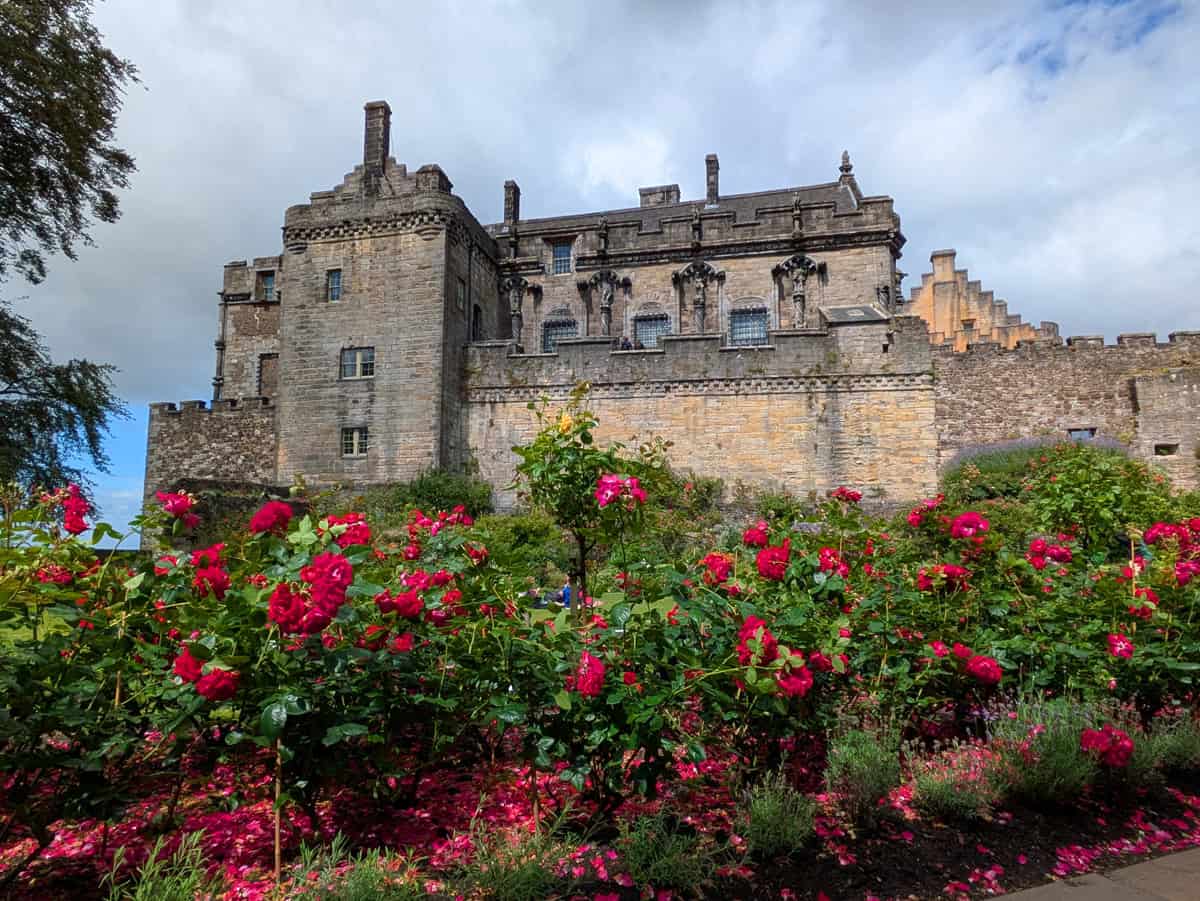
Stirling is an easy 45-minute train ride from Edinburgh. Why come to Stirling? The major reason is Stirling Castle, one of Scotland’s most famous castles. I’ve previously written on Edinburgh and mentioned that we were “massively disappointed” with our visit to Edinburgh Castle. As you’ll see, Stirling Castle was a completely different experience.
But there’s more to see in Stirling than Stirling Castle. It’s a very pretty and historic city.
All about Stirling in this post.
A Brief History of Stirling
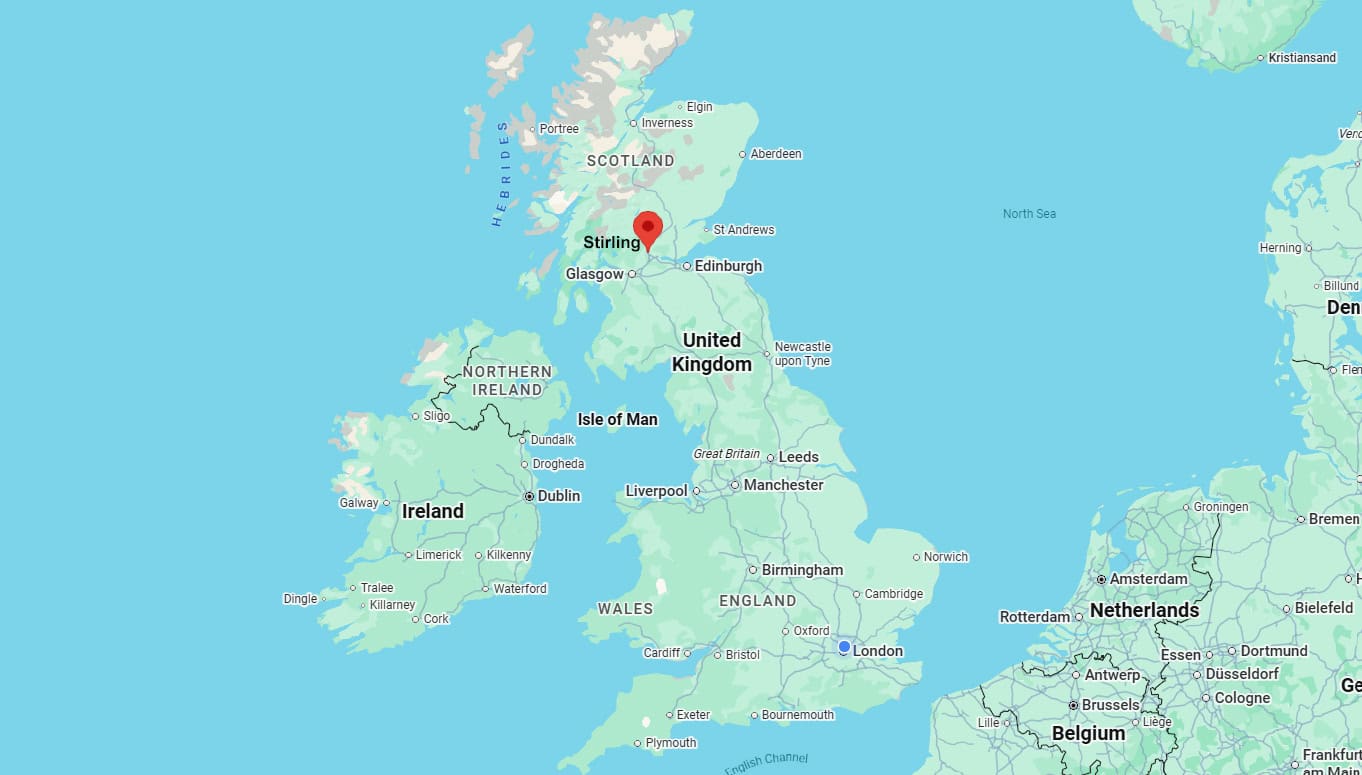
Stirling’s geographical location always made it a strategic spot. Located on the River Forth before it widens into the Firth of Forth, it was the focal point for getting between North and South even during Roman times. The city is known as the “Gateway to the Highlands”. Robert the Bruce claimed “he who holds Stirling, holds Scotland”. In fact, Stirling was at different times the de-facto capital of Scotland because Edinburgh was oftentimes under English rule.
A castle was built on the rocky crag overlooking the town in the 12th century. It was often the focal point of wars between the Scottish and English, the key historical figures early on being Robert the Bruce (the King of Scots) and Edward I of England. The castle would change hands several times during the late 1200’s/early 1300’s and at one point (in 1303) Stirling Castle was the last castle remaining in Scottish hands. In 1313 the Scottish won the decisive Battle of Bannockburn (just a little south of Stirling) and the Castle was returned to Scottish hands under the leadership of Robert the Bruce.
Note: if you like historical movies, you’ll find Outlaw King on Netflix which covers all the above. Not a great movie but it gives you an understanding of the history of the Wars for Scottish Independence.
Stirling castle as you see it today was mostly built between 1490 and 1600 when it became the royal residence of the Stewart Kings. One of its most famous residents was Mary, Queen of Scots who was brought here for her safety when just a few months old and crowned as the Queen (1543). This was done because Scotland was once again at war with England, with Henry VIII launching the “Rough Wooing” (one of the causes of the war was that the English King wanted Mary to be wed to his son Prince Edward, thereby uniting the two crowns). Mary was brought up in Stirling Castle and later her son, James VI would become Scottish King and also spend much of his early life in the Castle. Later in life, when the union of the crowns finally happened in 1603, he would become the English king (officially “James I of England and Ireland”) and move to London.
The above is an abridged version of the very tumultuous history of Stirling and Stirling Castle. Much more if you want to read about it here.
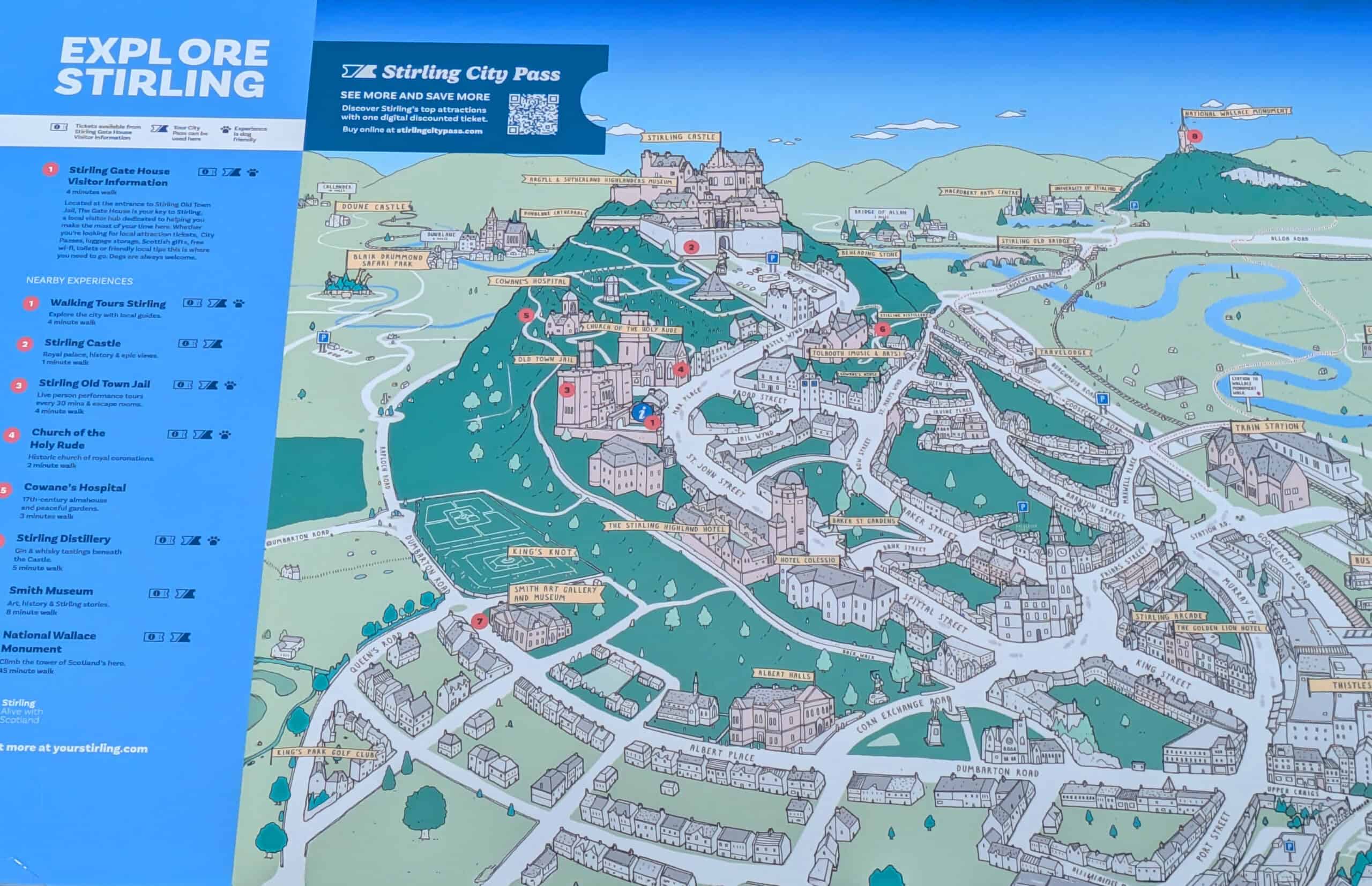
What to See in Stirling
Stirling Castle
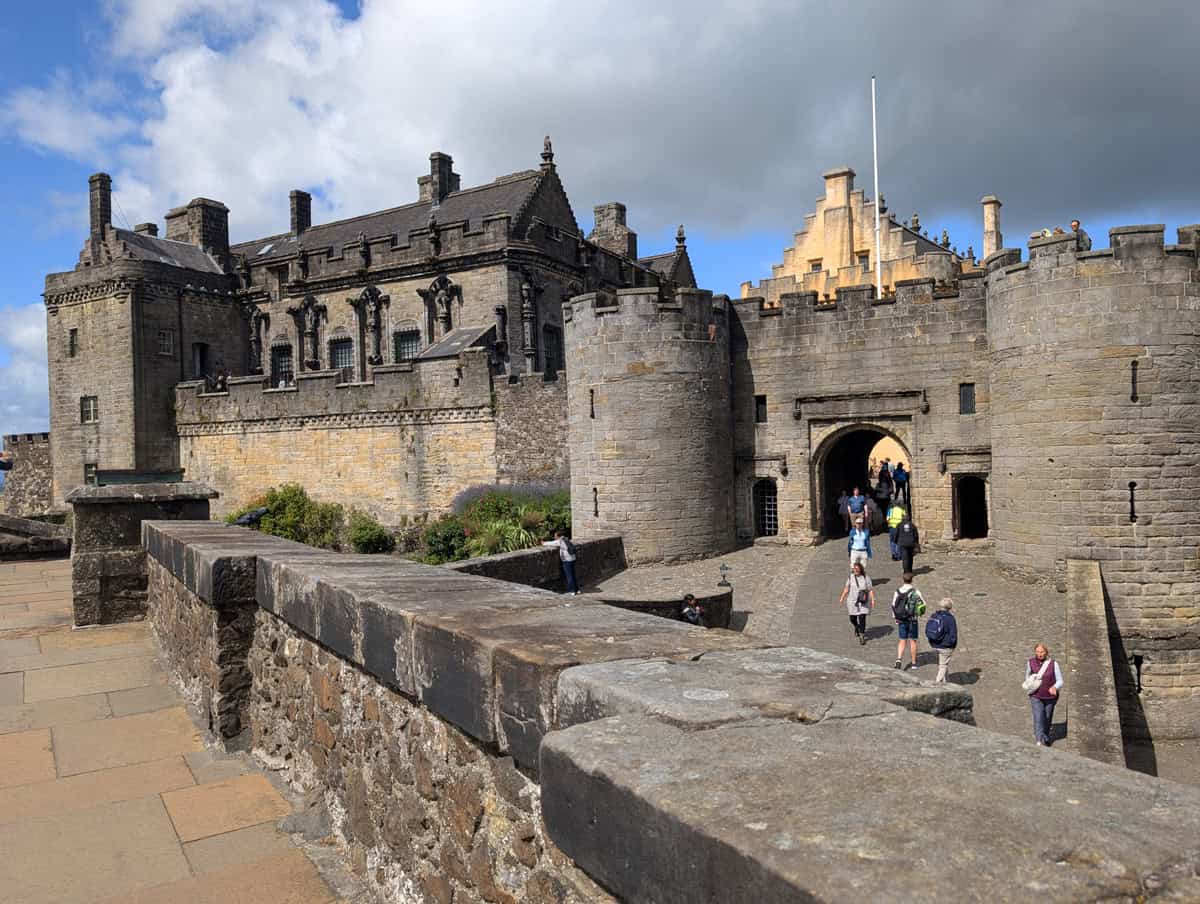
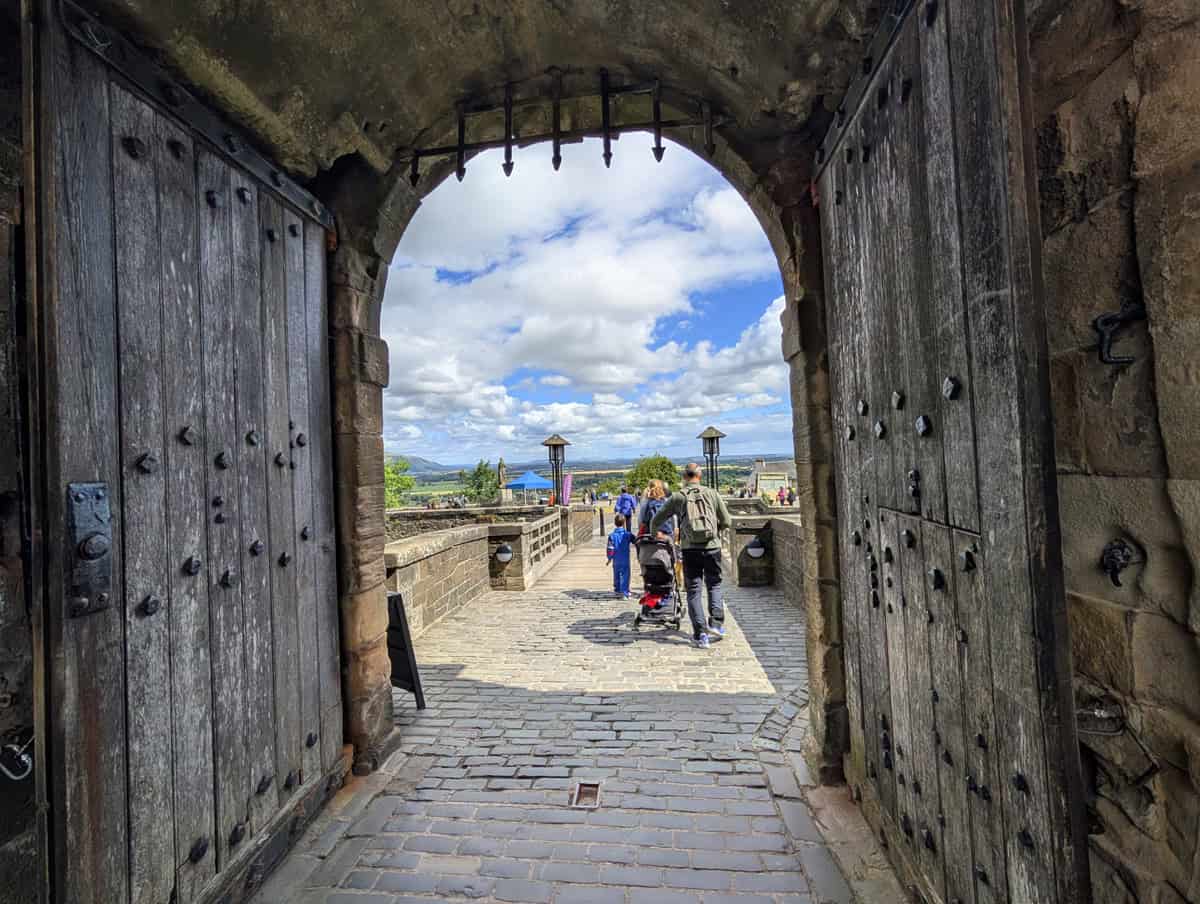
If you’re a lover of castles you’ll probably love this one. Unlike Edinburgh castle, Stirling Castle was both a fortress and a castle.
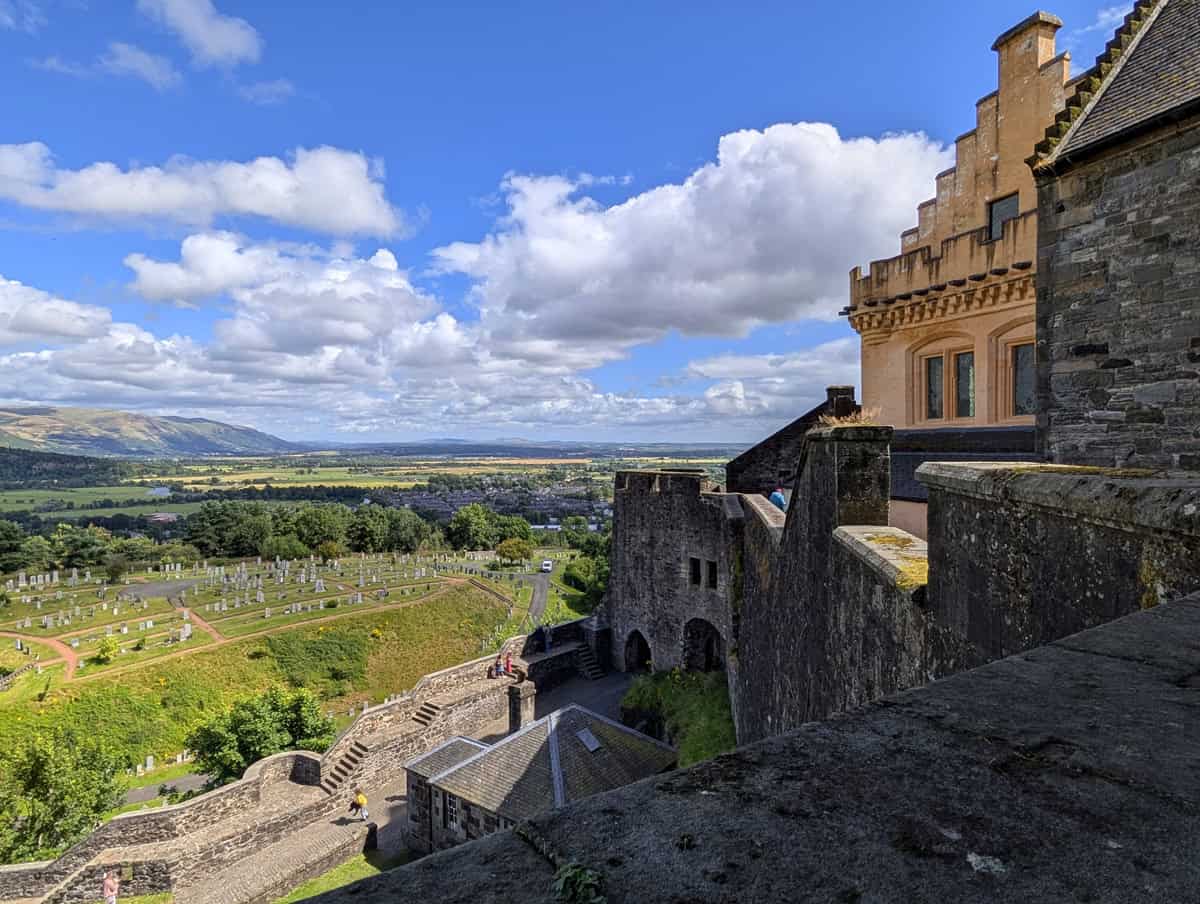
Outside you can wander the walls and enjoy the views of the countryside. Stirling is the “Gateway to the Highlands” and you’ll see the Ochil Hills rising just north-east of the city. The gardens are beautiful, the façade of the castle intricate (most of it French and German-influenced, especially the detailed stone sculptures which are very German).
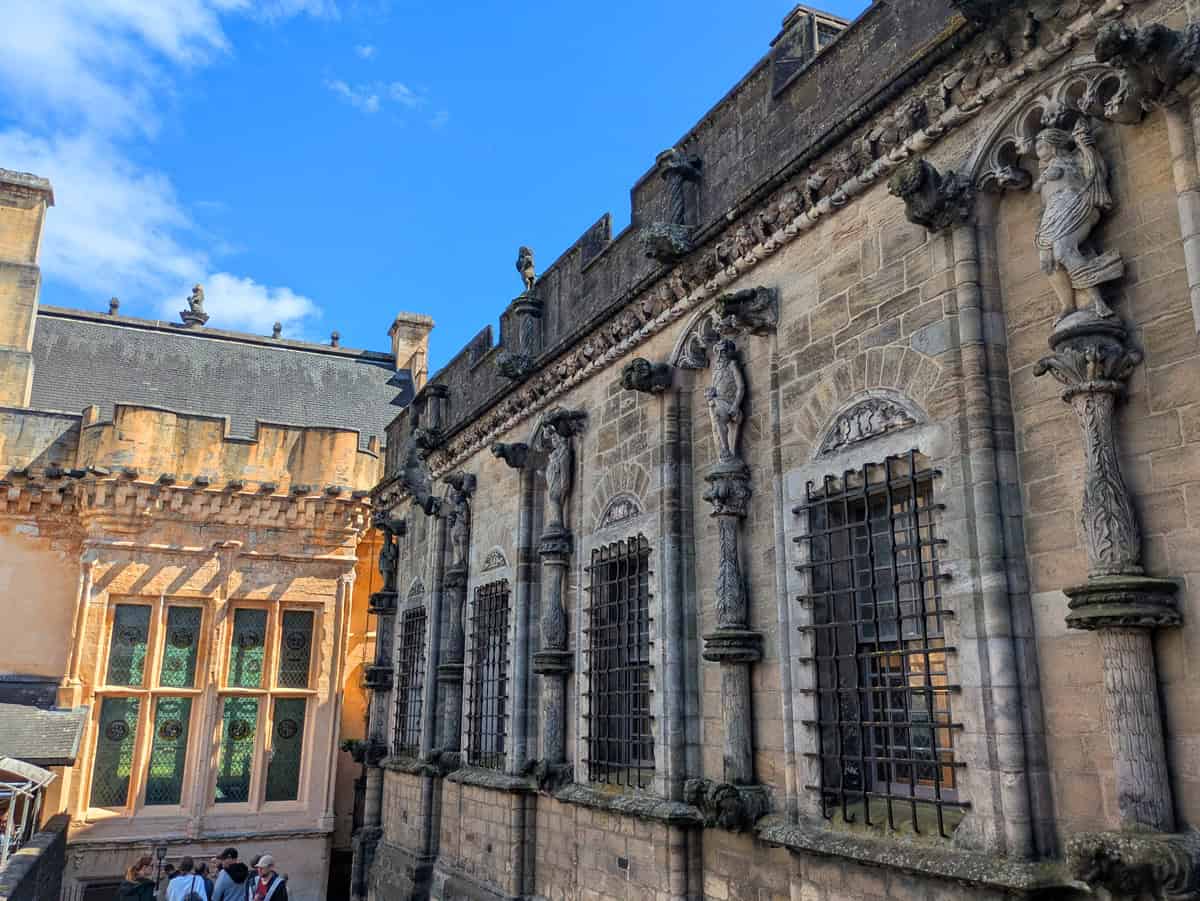
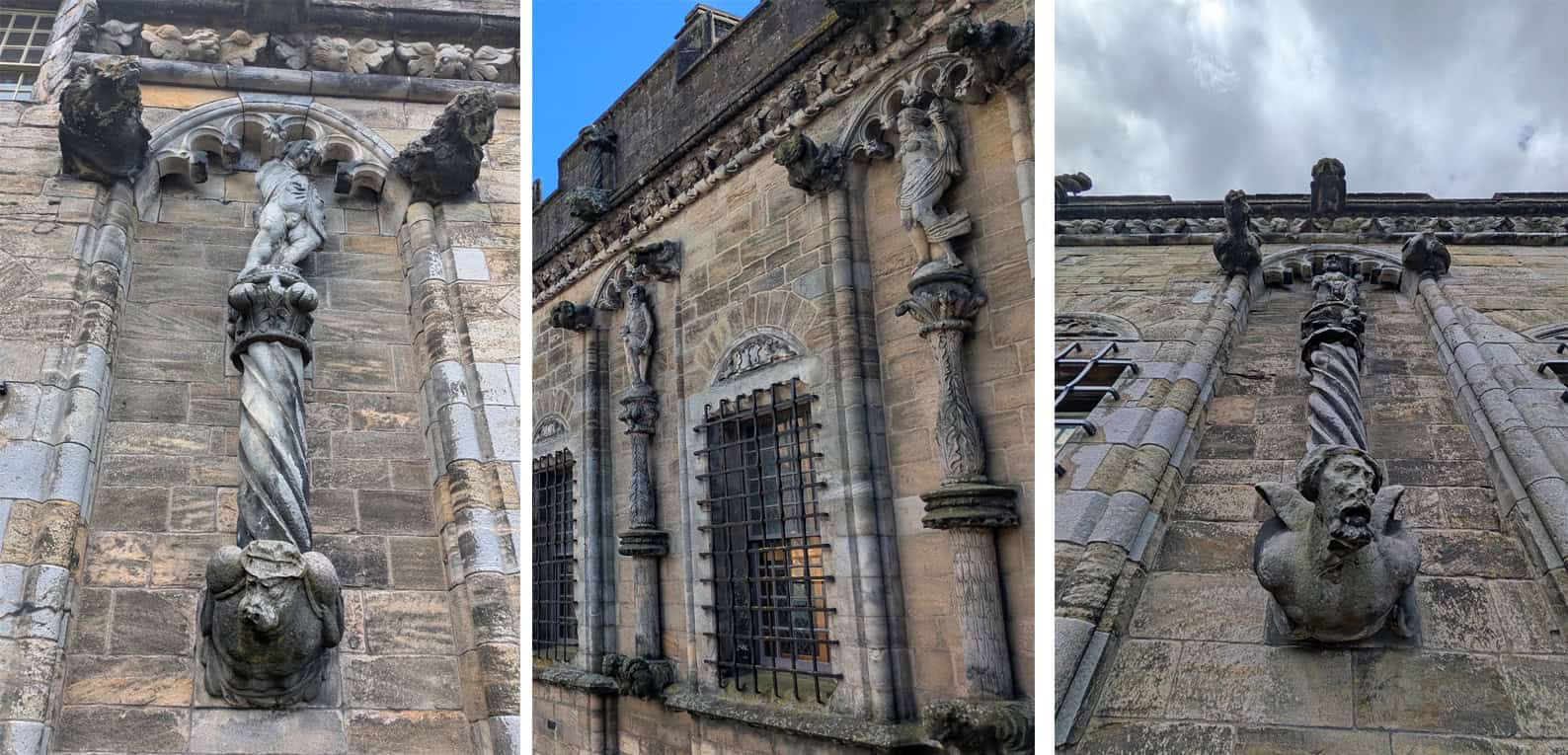
Inside you’ll find halls and rooms, beautifully restored to replicate the Castle’s 16th Century decoration. Beautiful tapestries, painted ceilings and the “Stirling heads”, oak portrait medallions that decorated the King’s ceiling. More detail on the Royal Palace here for this interested.
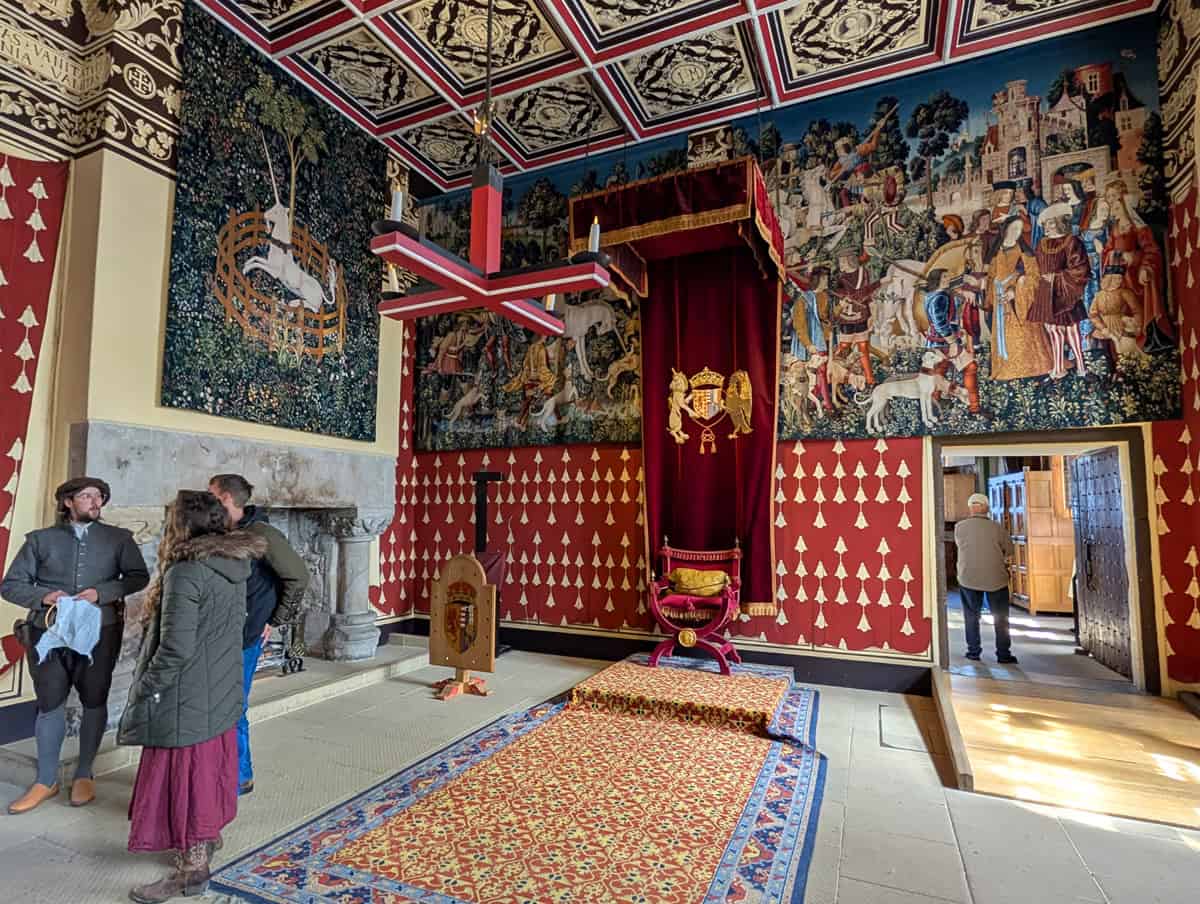
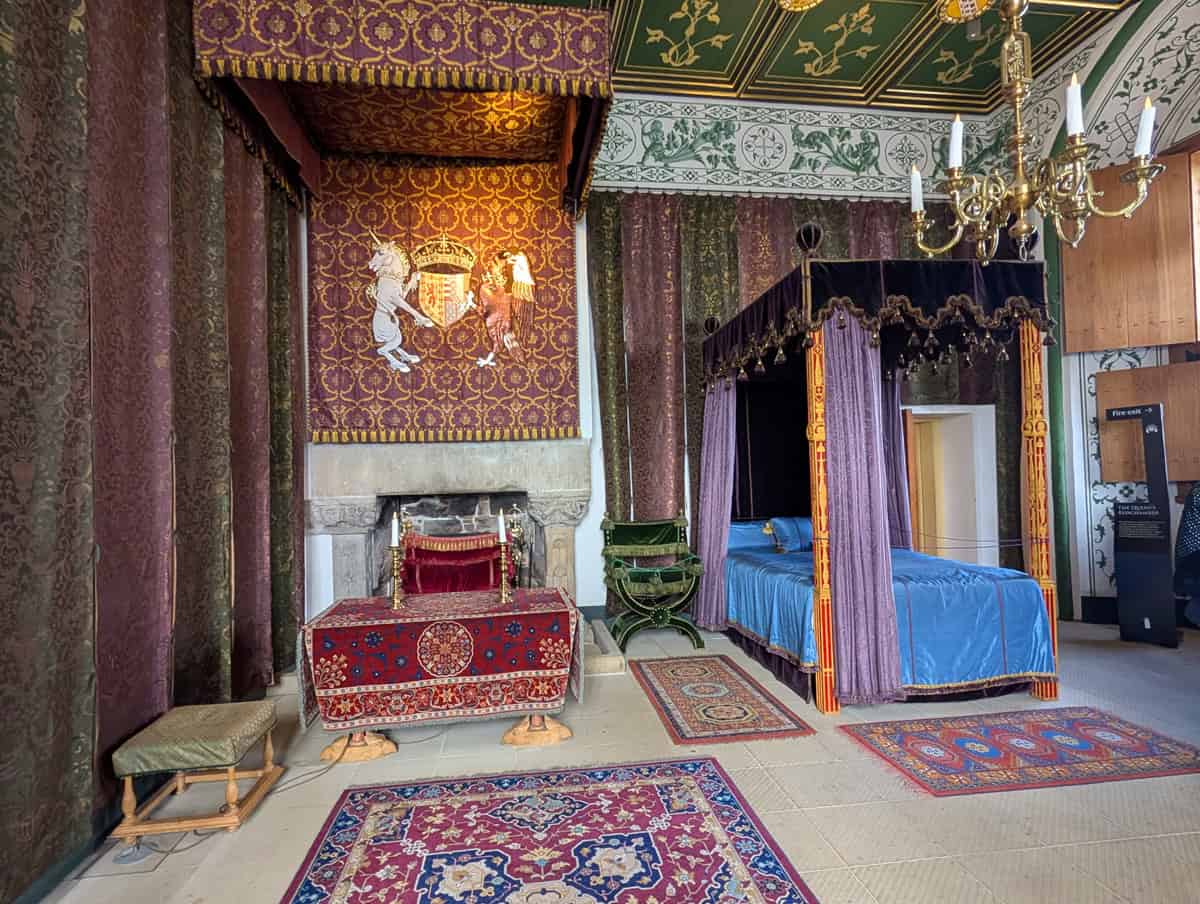
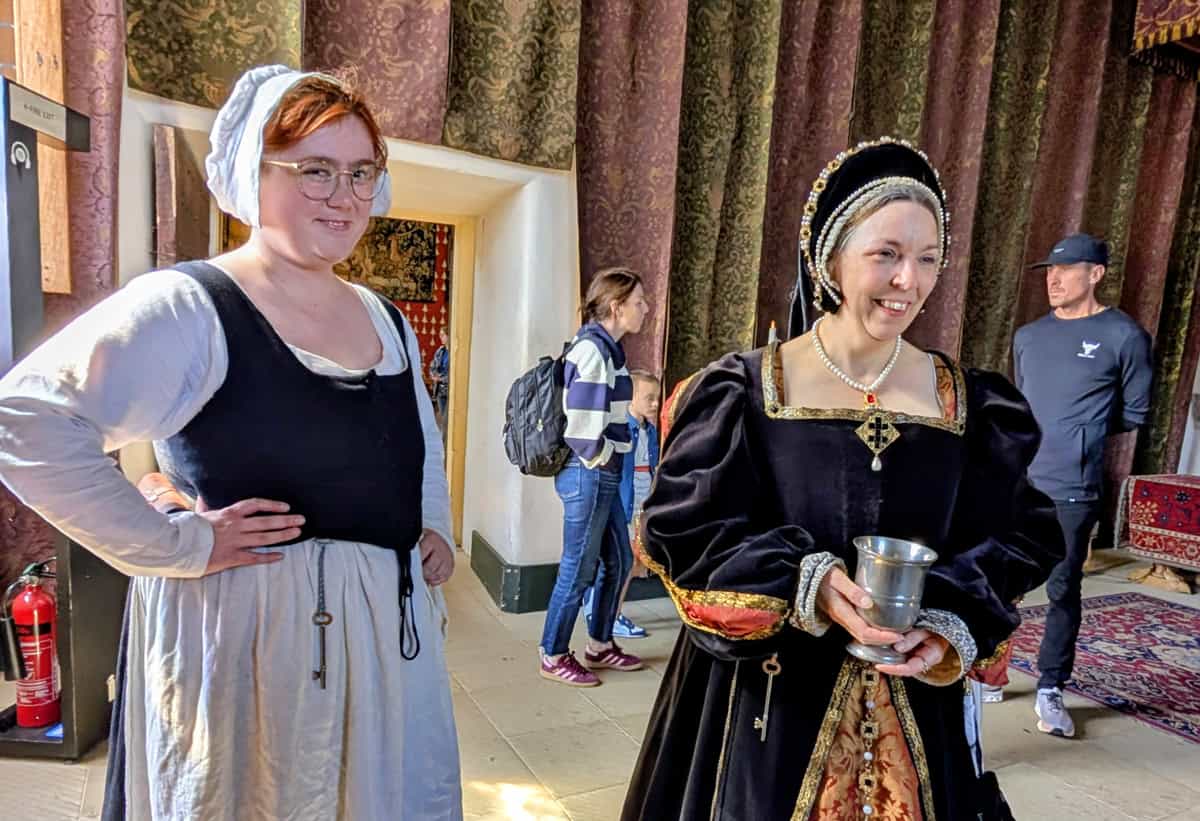
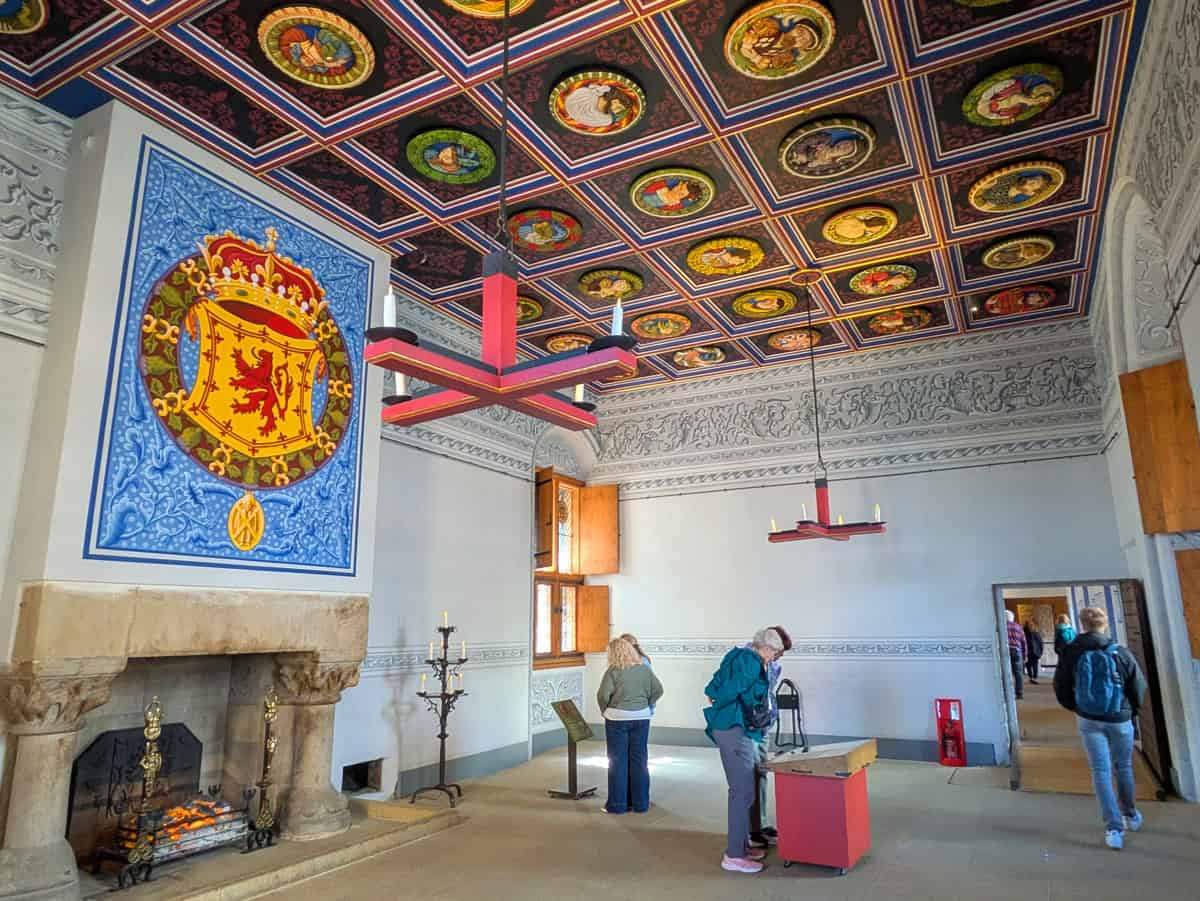
It is all very beautiful and (again, unlike Edinburgh Castle) there were relatively few visitors which made touring the castle a pleasure.
Really, just a wonderful castle which we enjoyed immensely.
Official website. £18.50 if you buy your tickets online, £20.50 if you buy in person. You have to choose a time slot if buying your ticket online so built in about 30 minutes from your arrival at Stirling train station if coming by train.
Church of the Holy Rude
A short walk from the Castle is this historic church. It is the 2nd oldest building in Stirling (after the castle) having been built in its present form in the 15th century. It was here that Scottish Kings and Queens were baptised and/or had coronations.
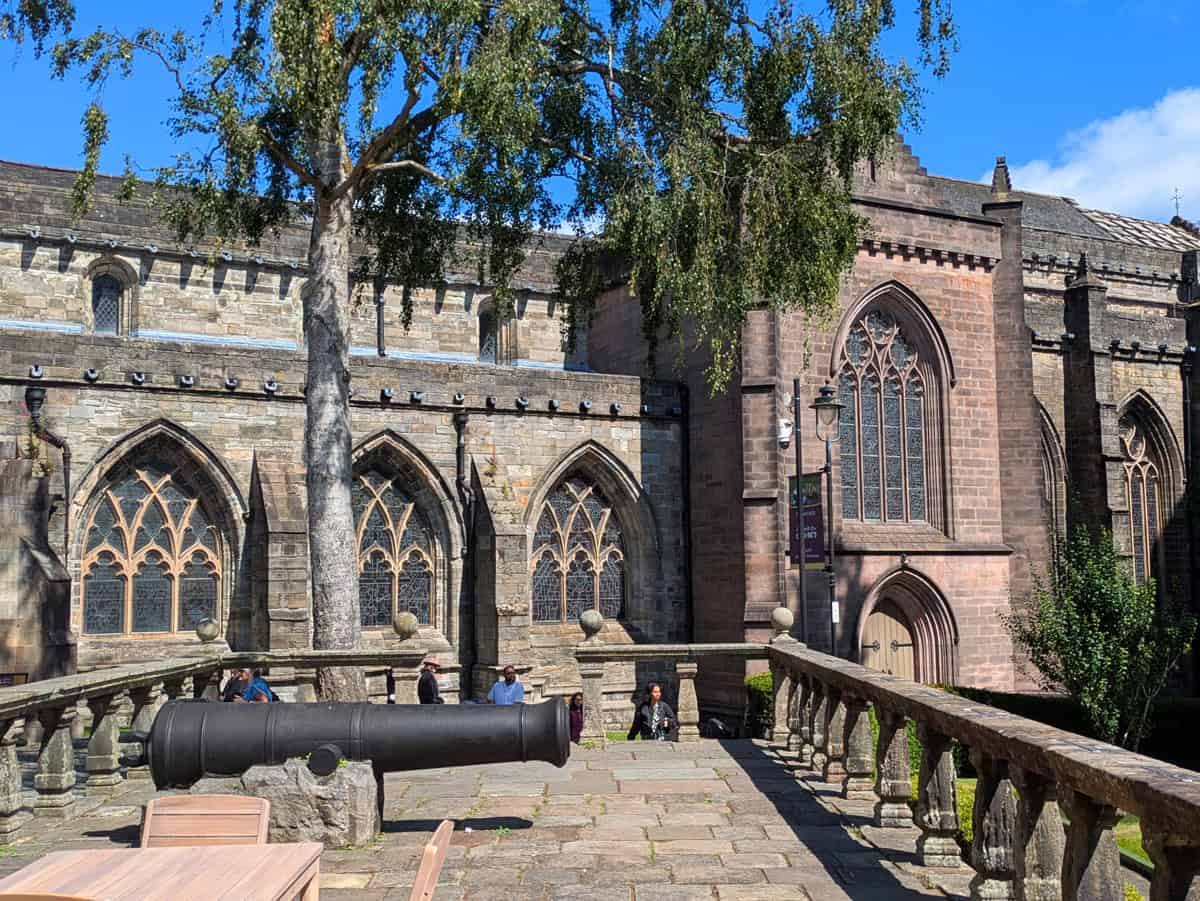
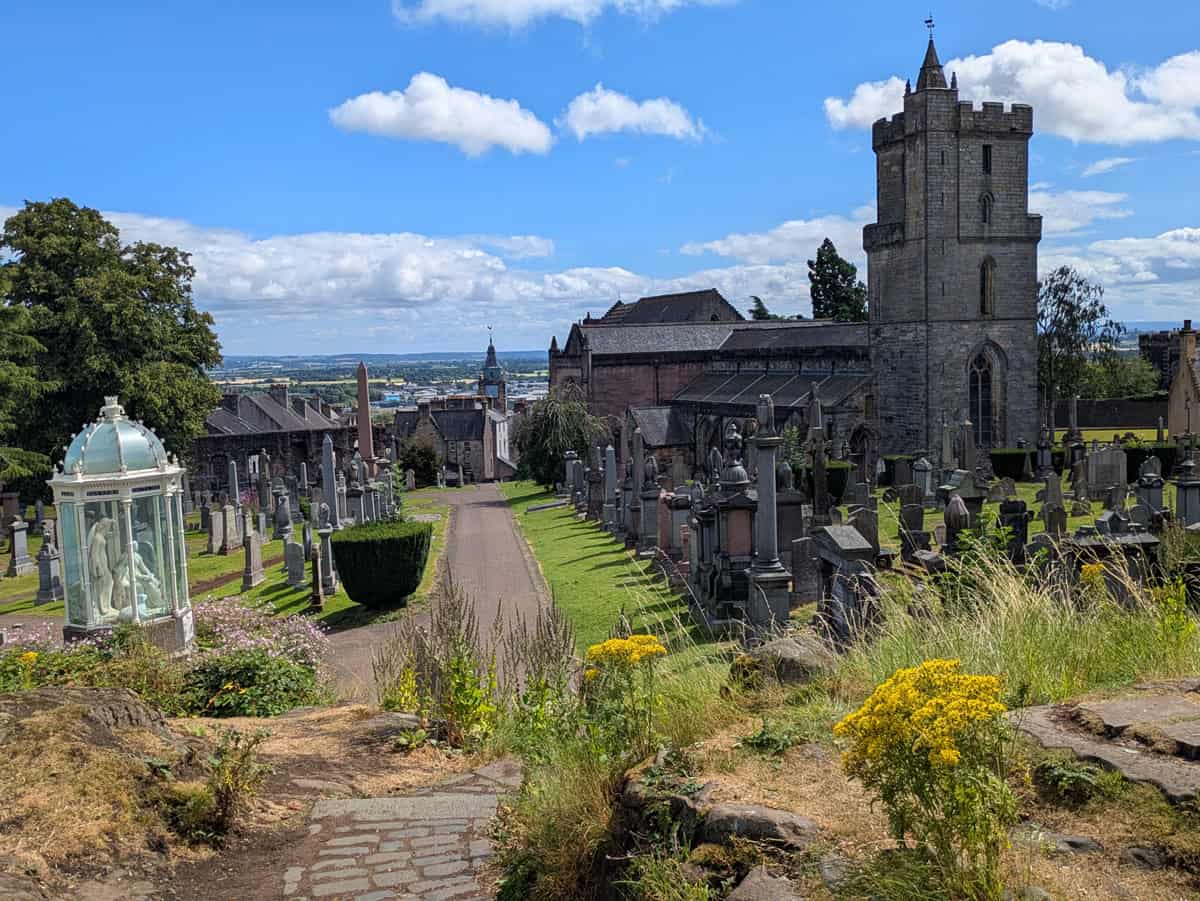
Interesting fact: It is one of three churches in Britain which have had coronations. The other two are Westminster Abbey and Gloucester Cathedral.
Note: we chose not to visit, the £7.50 entrance fee just seemed a bit steep to visit a church. Instead we focused on the beautiful cemetery and gardens.
The Beheading stone
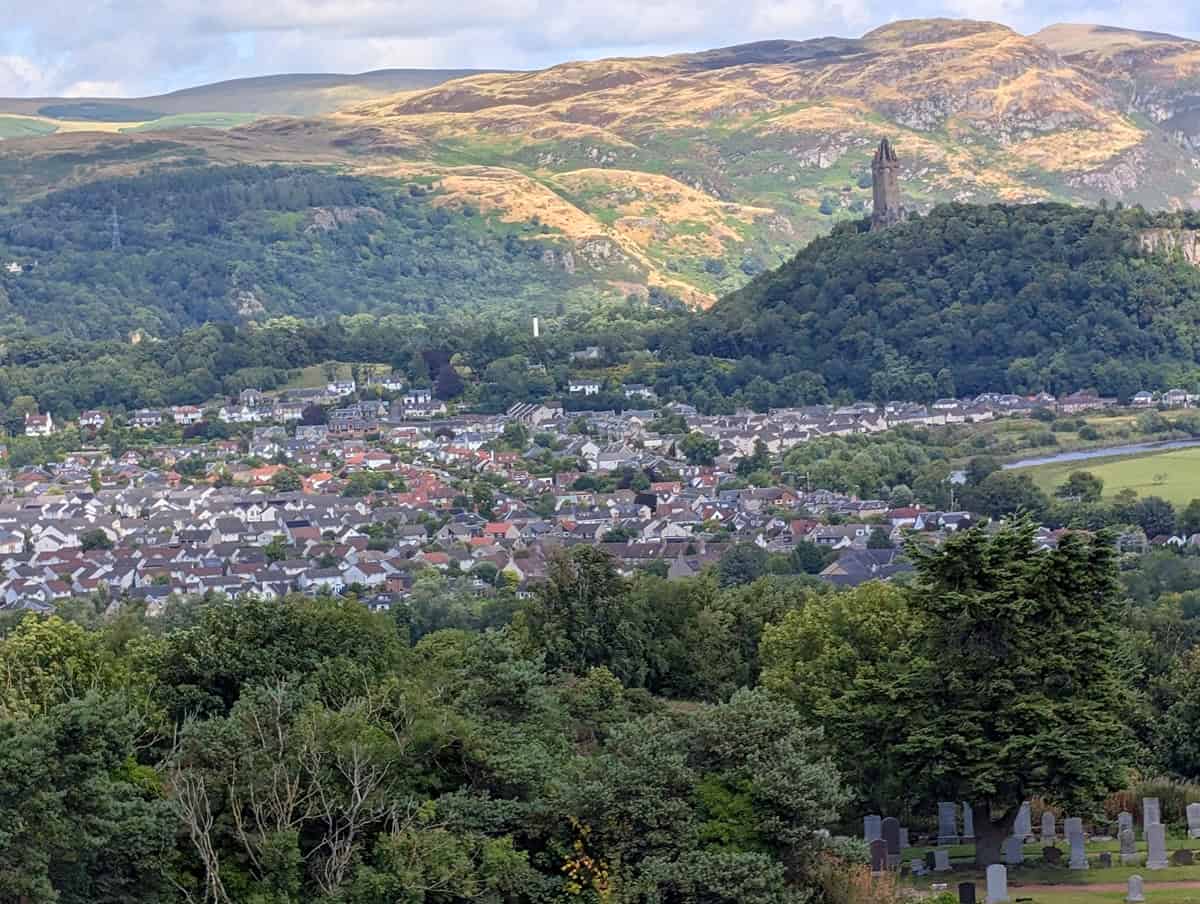
A bit of a macabre highlight in a scenic location. The Beheading stone is located on a little hill about a 15-minute walk from the castle. The hill is called Mote Hill (also known as Heading Hill) and is a non-descript little hill with wildflowers and dirt paths. Then you get to a summit where you see the Beheading Stone. In the background you see the valley, the hills beyond, and the William Wallace monument (William Wallace was the legendary 13th-century warrior and guardian of Scotland).
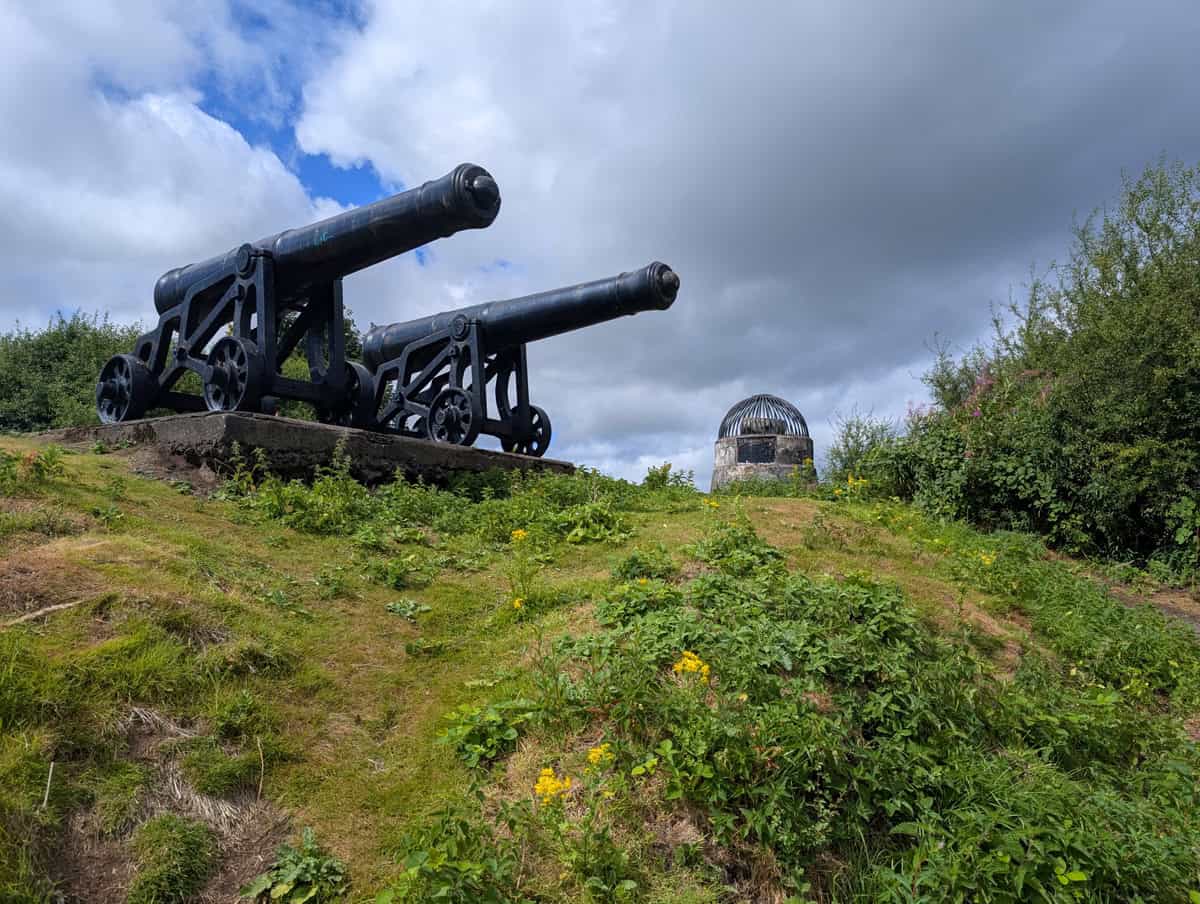
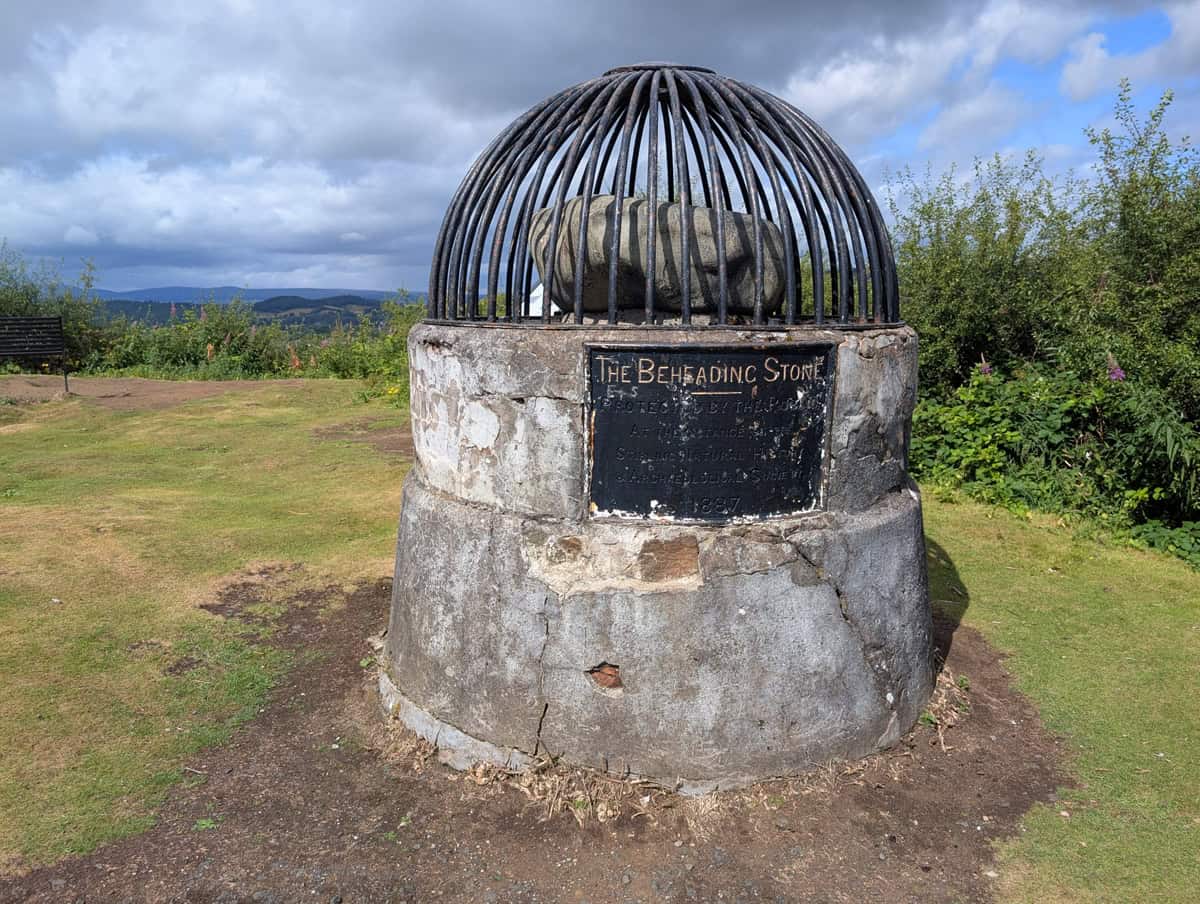
In this here in this spot, clearly visible to many, that traitors to the Scottish cause were beheaded. The most famous execution happened in 1425, when King James I ordered the execution of his cousin Murdoch Stewart, the Duke of Albany (the former Regent of Scotland), along with his two sons and his father-in-law, the Earl of Lennox, for treason.
Stirling Old Bridge
I’ve mentioned previously the importance of Stirling’s location as the main crossing point of the River Forth. While hard to believe today, the river ran much more violently in the past and the river was wider (industry has changed the river, today it is a slow running river that looks easy to cross).
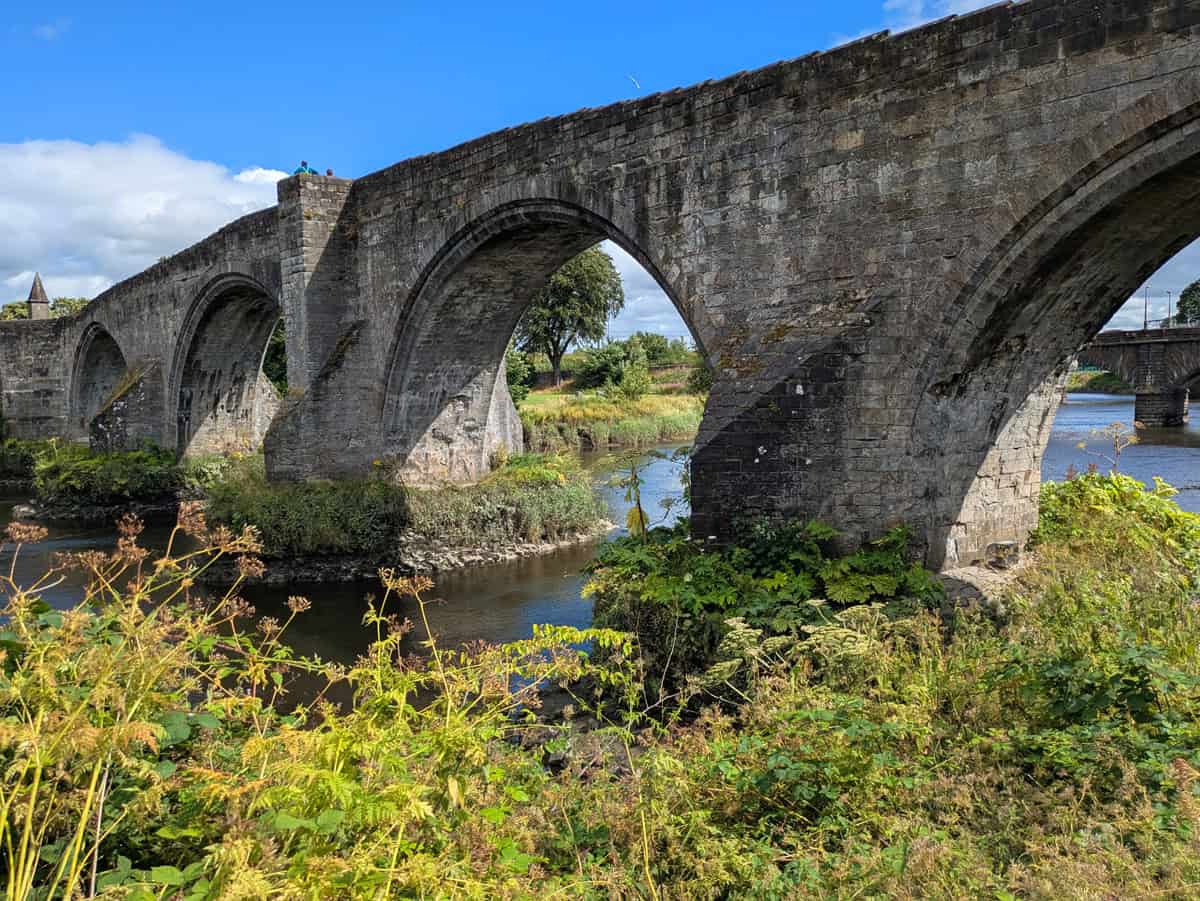
This precise location was the scene of the Battle of Stirling Bridge on September 11 of 1297. It was here that William Wallace led the Scottish to a huge victory over King Edward I’s English army by trapping them as they crossed the wooden bridge that was here at the time. It is estimated that 5,000 to 6,000 English troops died in the battle.
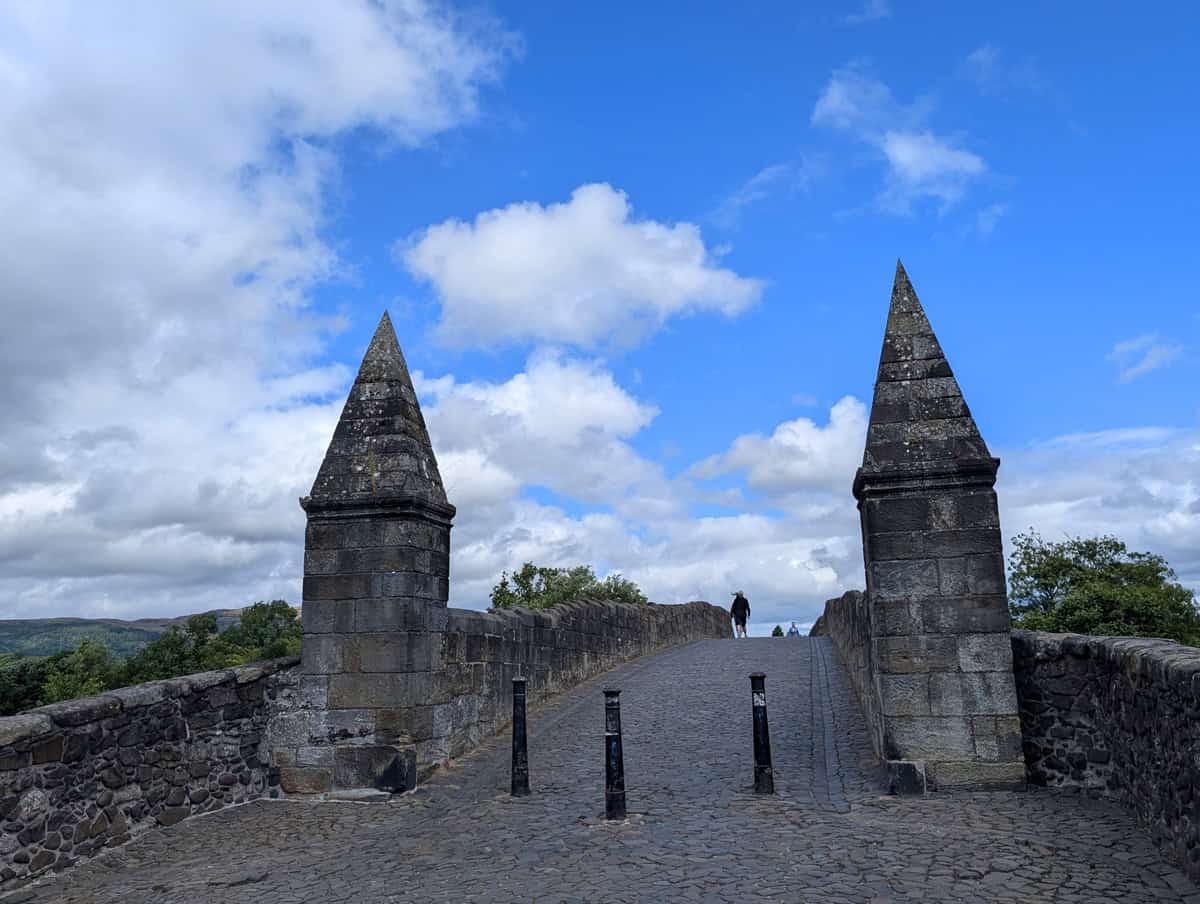
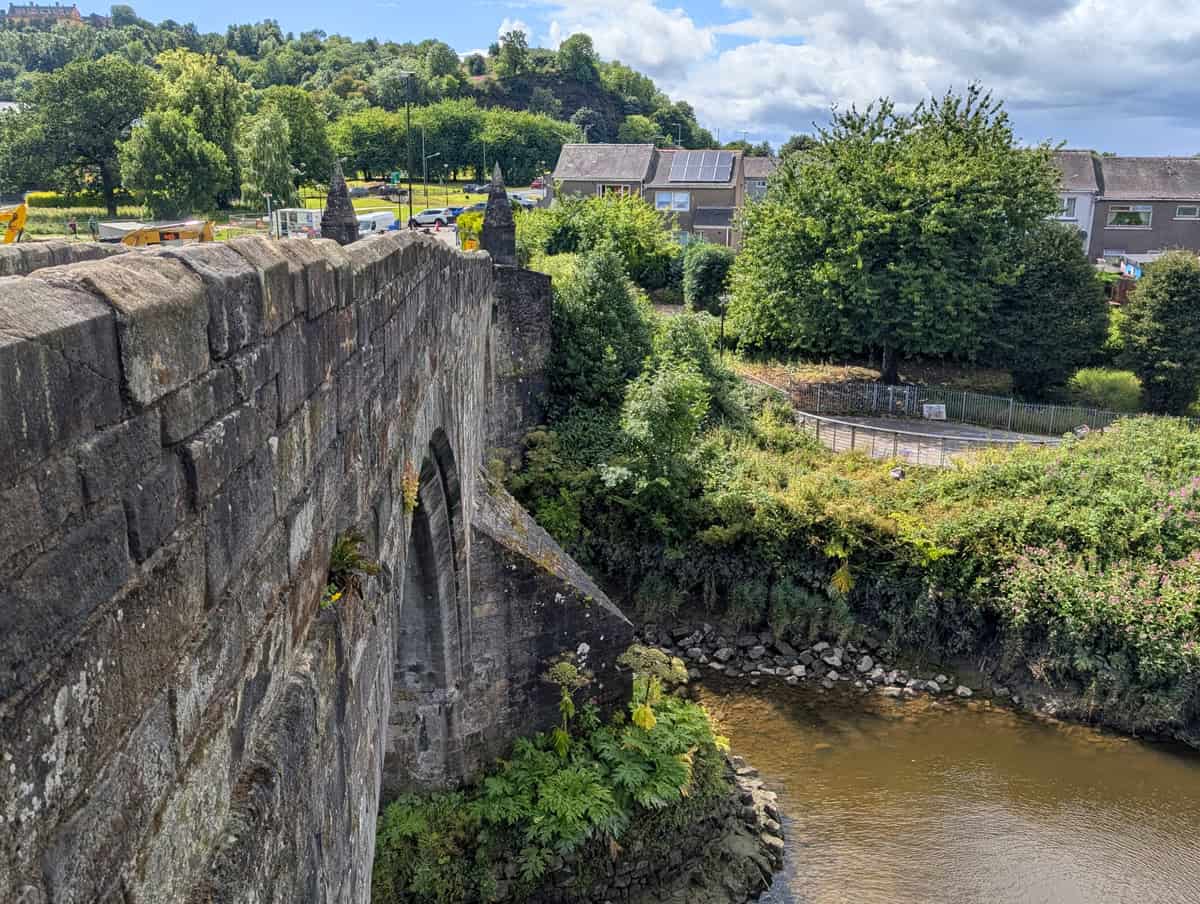
The current bridge, in the same spot as that wooden bridge, was built around 1500. At the time, it had defensive gatehouses on both ends of the bridge which could be closed if need be. Tolls would also be extracted from merchants who brought their goods and livestock over the bridge.
The National Wallace Monument
It was on our list but we ran out of time – getting to the Wallace Monument takes about 40 minutes from the Old Bridge (just cross the bridge and continue towards the monument on the hill).
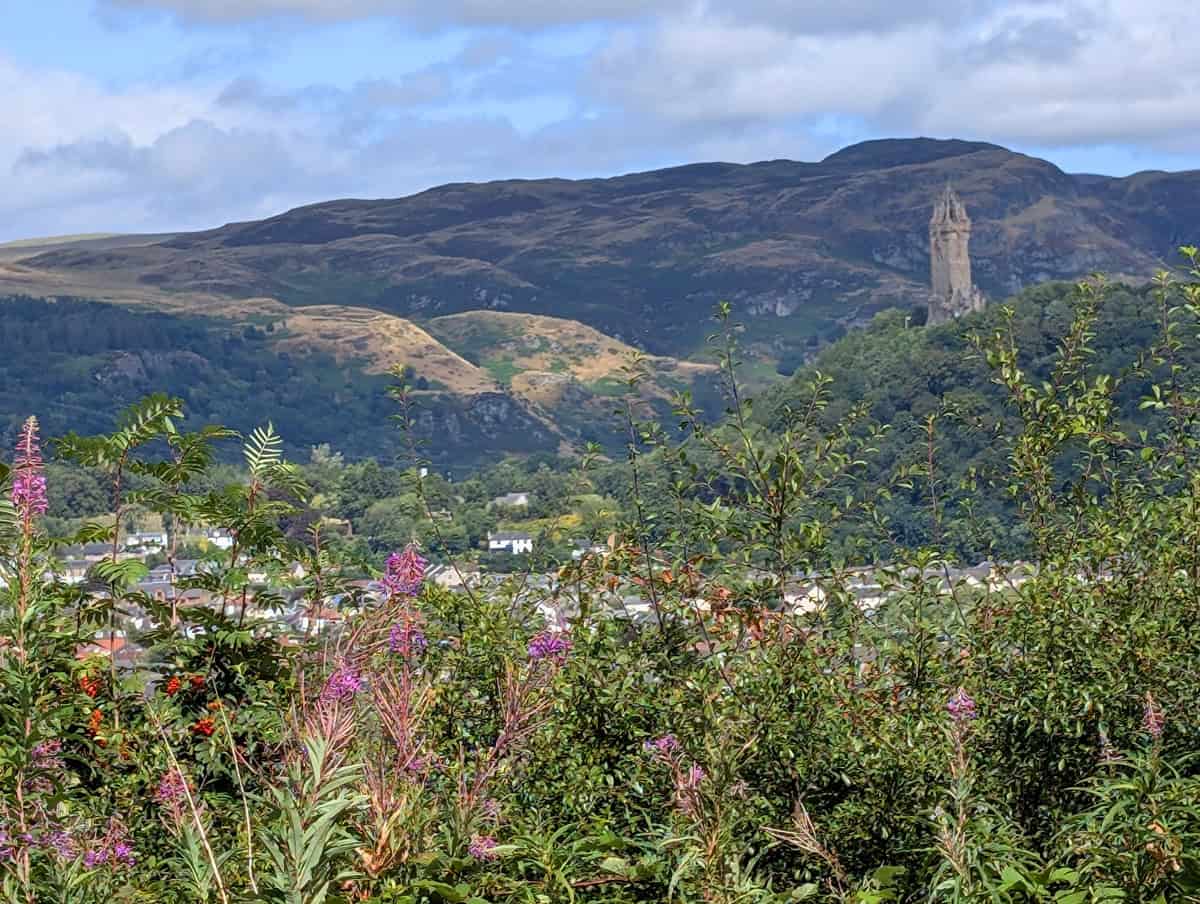
William Wallace (1270 – 1305) was a Scottish knight who became a legendary national hero and a primary leader during the First War of Scottish Independence. After his victory (mentioned above) at Sterling Bridge he became the Scottish King and ruled until a devastating defeat at the hands of Edward I at the Battle of Falkirk (in July of 1298). He spent years on the run following that defeat until he was captured and executed by the English King in 1305.
The monument to his name was built in 1869 and features a 67-metre (220 ft) Victorian stone tower. Visitors can climb the 246-step spiral staircase to the top where they have 360 degree views over the hills, castle and the river. Official website. Cost £12.20 per adult (as of time of writing).
Summing up a day trip to Stirling
The above sums up what we saw and didn’t see during our day in Stirling. Honestly, a beautiful little city and we could probably have used a few more hours.
Nearby: if you have a car, you might consider a visit to Doune castle which is about 20-minutes drive away. I mentioned above the famous Battle of Bannockburn where Robert the Bruce defeated the English; the Battle of Bannockburn Visitor Center is about 15-minutes drive from Stirling (currently closed for renovations at time of writing).
Related: 30 Things to Do in Edinburgh
Leave a Reply