
A Guide to Visiting Carcassonne (France).
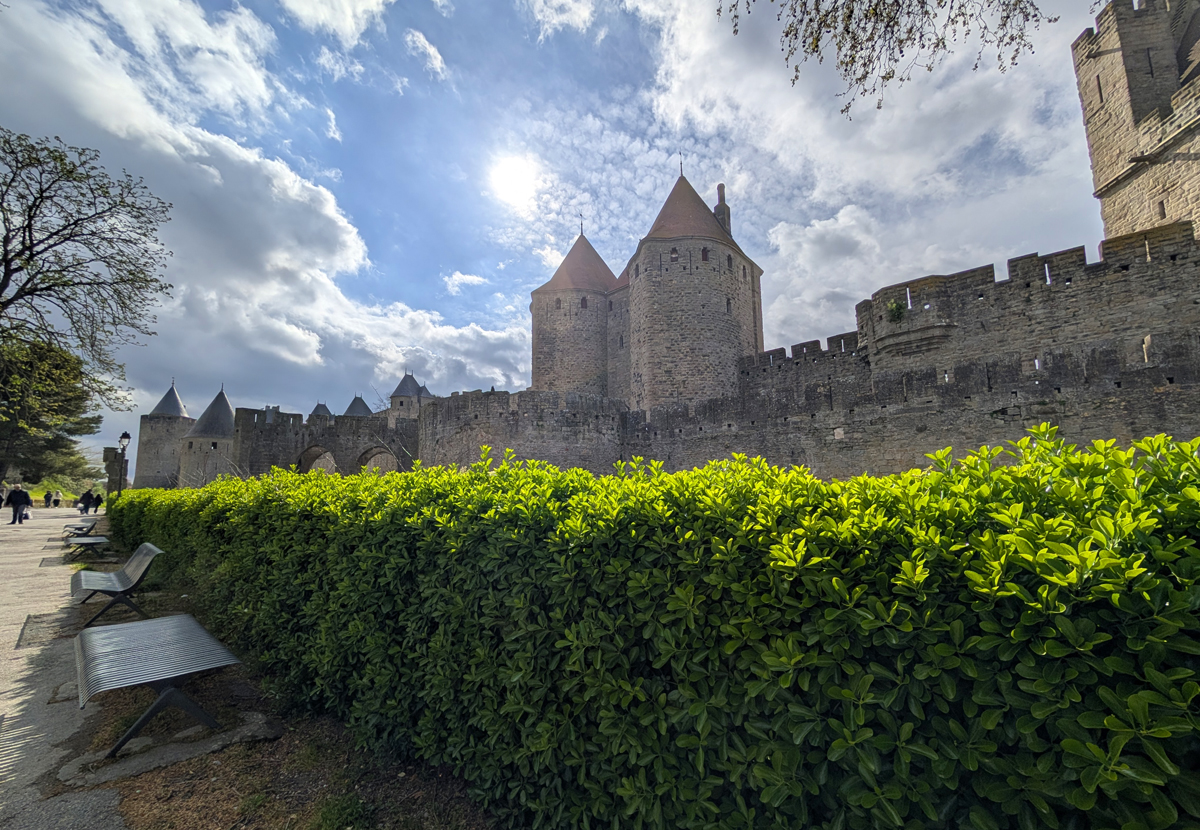
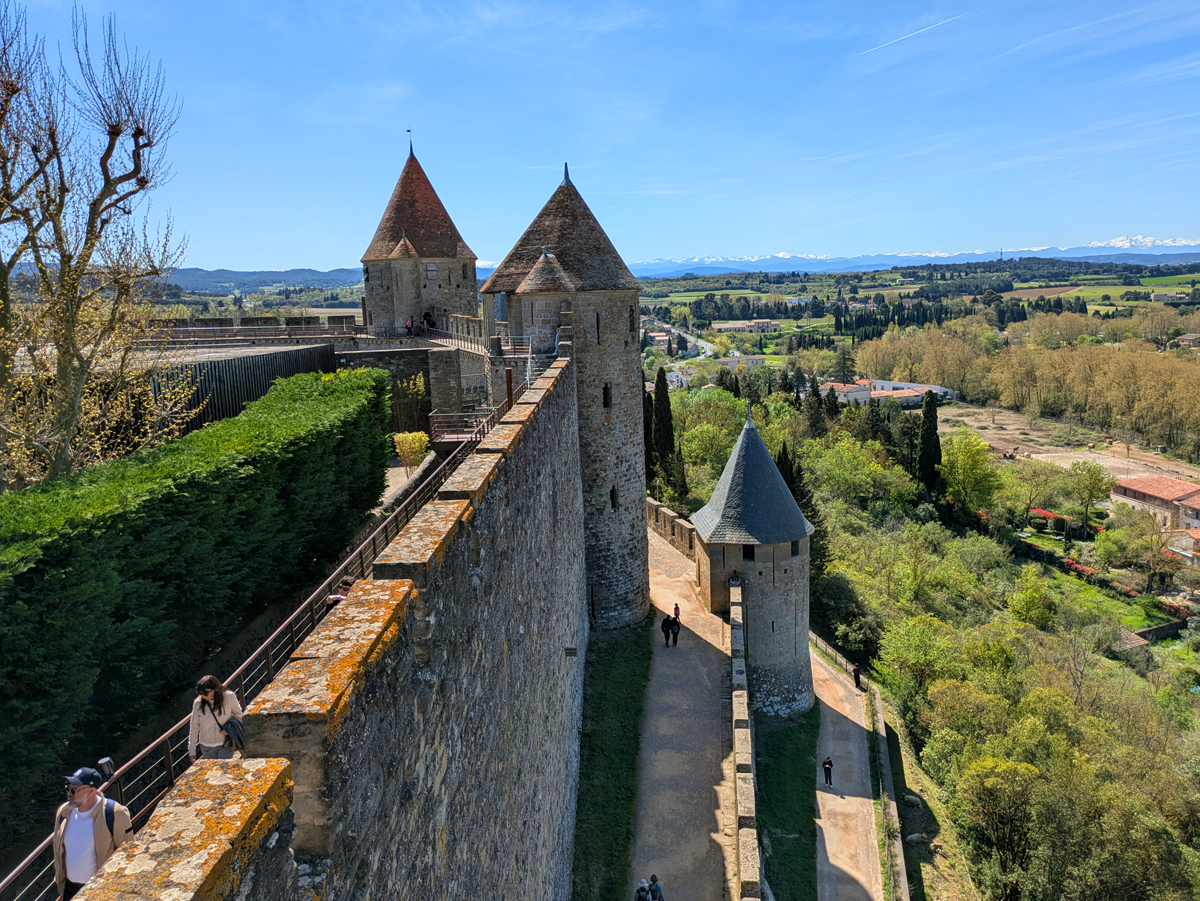
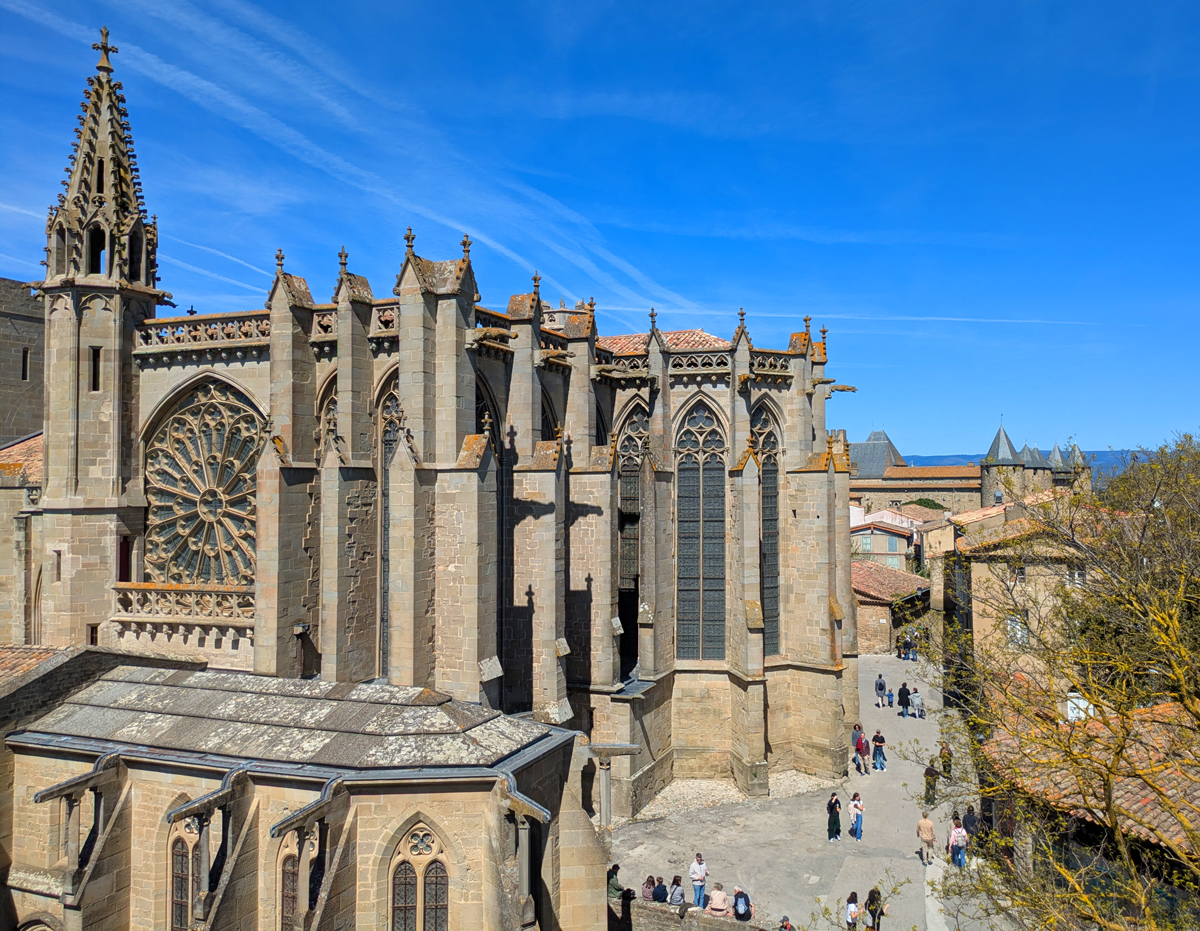
Carcassonne is incredibly impressive, a fortified citadel circled by 3.4 km of exterior walls (which you can walk) rising to heights of 10 to 12 meters. Inside the walls was a working town along with a castle (Château Comtal) and a magnifient basilica (Basilique Saint-Nazaire). Carcassonne is considered to be one of the best medieval cities in Europe and is a UNESCO World Heritage Site.
You might think you have to pay to see the medieval citadel. In fact, much of the site is free. In this guide I cover that and give you some tips on visiting Carcassonne. I also have lots of photos and a video, just to show you just how impressive it is.
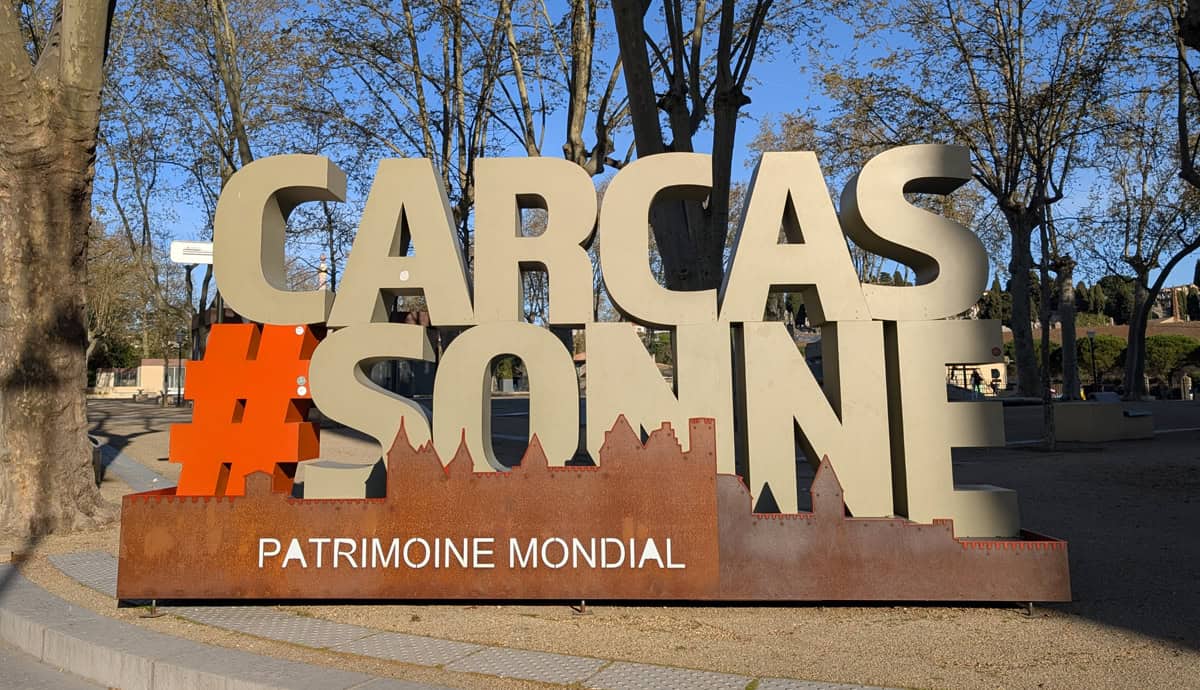
Carcassonne: Basics you should know
Don’t expect to see the citadel looming in front of you when you arrive by train in Carcassonne. Carcassonne is made up of different neighbourhoods and La Cité Médiévale (The Medieval City) is just one of them.
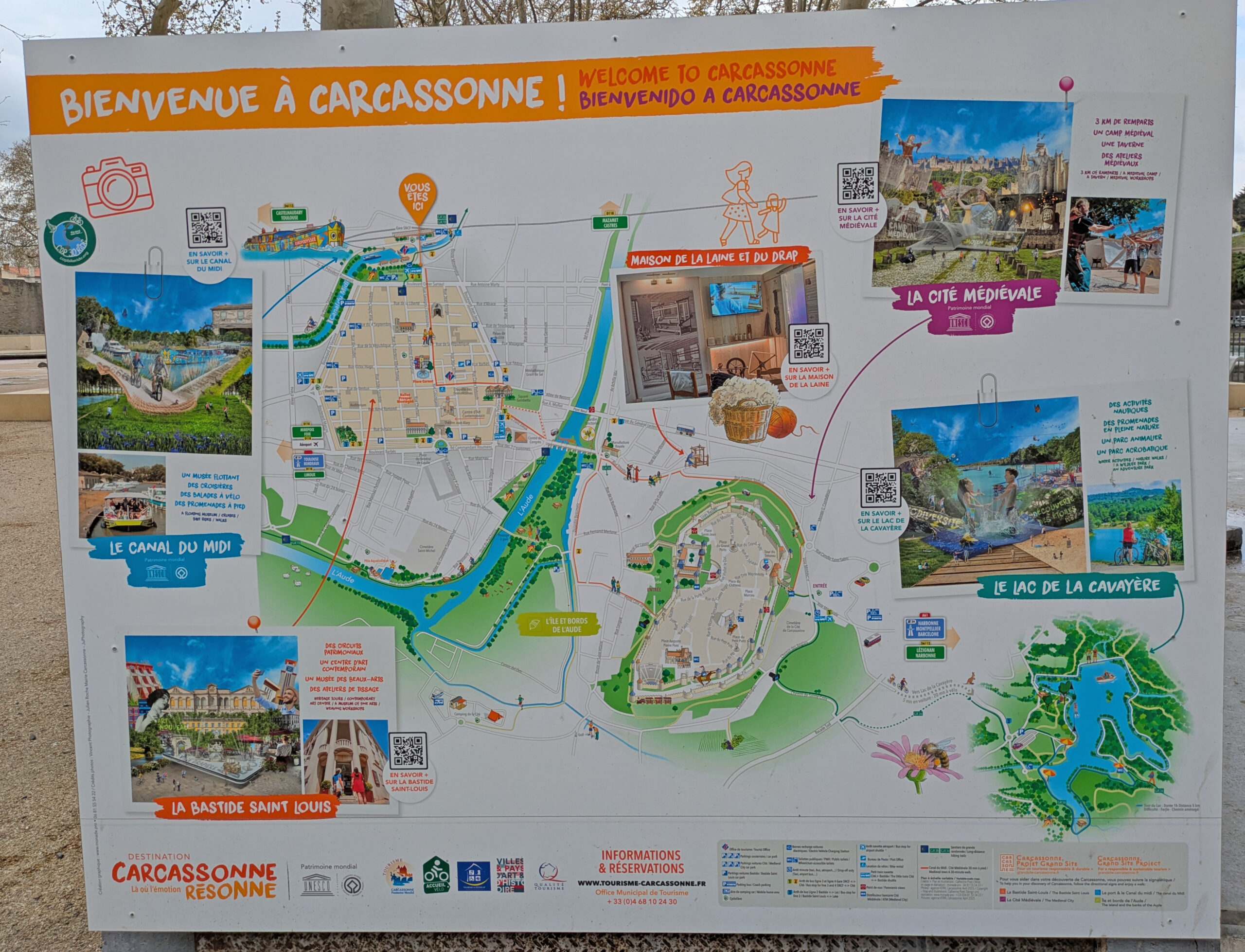
Really, there are two areas of Carcassonne that concern you as a tourist:
The 1st one is La Bastide Saint-Louis, the “downtown” of Carcassonne. This is where the train station is located along with hotels, restaurants, cafés etc. It’s a “real” city where people work and live. We stayed here for 3 nights in an Airbnb apartment, had coffee on the main square and did our grocery shopping. There are some highlights here which I’ll cover. But really, La Bastide Saint-Louis is secondary to the main highlight…
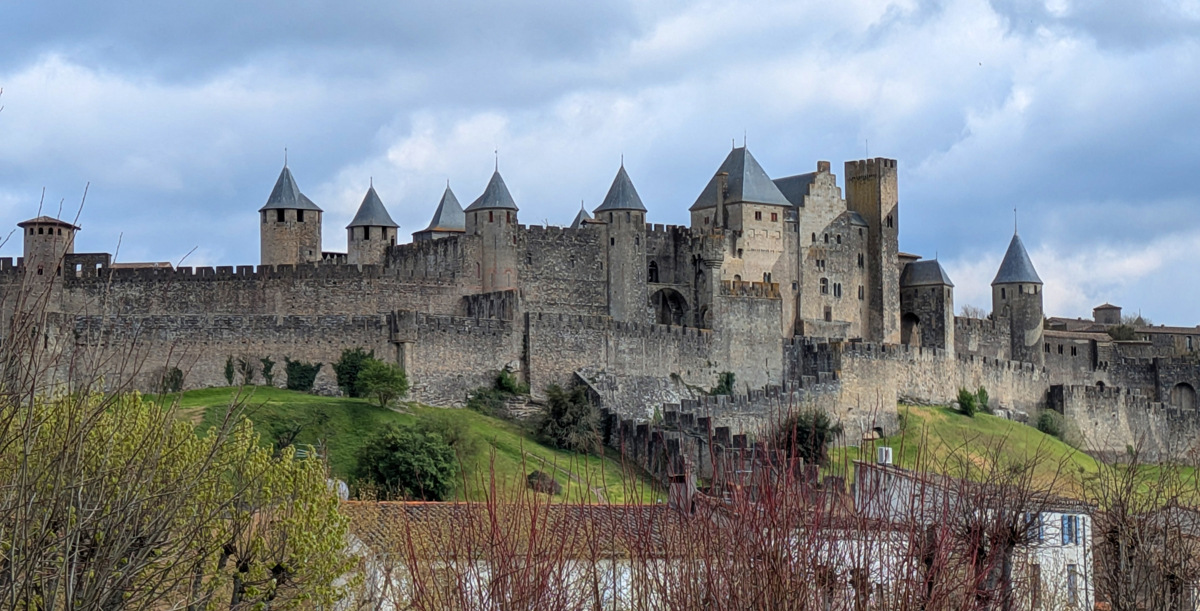
La Cité Médiévale is a 15-minute walk from La Bastide Saint-Louis. But the views start within a few minutes of leaving downtown and heading towards the old bridge (built in the 14th century). From here you’ll get fantastic views of the medieval city. From the bridge: just continue walking and follow the signs to the citadel, they’ll take you to the Narbonnaise gate, the main gate to the medieval city.
Important to know: the medieval city is always open and free. It is a part of the city of Carcassonne and on top of the highlights such as the castle, basilica and ramparts there are hotels, restaurants and tourist-oriented businesses. So it is open 24/7. Secondly: most of it is free. You can walk the old town and its streets and even visit the basilica, all for free. And you should walk outside the walls for a different perspective. What you have to pay for: walking the ramparts. This includes access to Château Comtal and the 3.4 km walkway along the city walls. But even without doing this it is worth visiting the medieval city.
I’ll go into more detail on both La Bastide Saint-Louis and La Cité Médiévale below. But many people don’t know the above so I just wanted to clarify those points.
Some more Frequently Asked Questions on Carcassonne answered here.
The History of La Cité Médiévale (The Medieval City)
In 550 BC the Romans built a small fortified city on this location. Why? It was strategically important, lying in a valley wedged between the Pyrenees and the Massif Central – between these mountain ranges is the Carcassonne corridor, the only passage between the Atlantic and the Mediterranean. Besides that, the hilltop position offered unobstructed views of the surrounding plain and the Aude River, perfect for spotting would-be attackers.
Carcassonne became an essential stop on the route linking Narbonne to Bordeaux, prospering mainly because of the wine trade.
In the 3rd and 4th centuries, the Roman Empire had to deal with Germanic invasions. A 1,200 meter wall was built. In the 5th century there were further attacks and the Visigoths took over. In 725, the region marked the northernmost expansion of the Moors (who had come across from North Africa in 711 and conquered most of Iberia). Moorish control didn’t last long: the Germanic Franks conquered Carcassonne in 759 AD.
In the 9th century local lords rose to power. In 1067, the County of Carcassonne became the possession of Raymond-Bernard Trencavel, Viscount of Albi and Nîmes. This was the beginning of a dynasty that would leave its mark on the city’s history.
The Trencavel family united various territories and ruled the Lower Languedoc area. It was during this time that the Basilica and the fortified medieval city you see today were built*.
*Construction of the Basilica started in 1096. The medieval walls were built starting in 1130.
Carcassonne was at the heart of a region that adopted Catharism: a Christian movement that rejected the Roman Catholic Church. In 1209, Pope Innocent III launched a crusade and deposed the Trencavel family. Eventually, in 1226, the Cité of Carcassonne became part of the domain of the King of France (Louis VIII).
In 1240, Raymond Trencavel attempted to retake his lands but failed. In retaliation, Louis IX ordered the traitors’ homes razed, forcing them to relocate to the other bank of the Aude River. That’s when Carcassonne became divided, with the medieval citadel on one side of the river and a new town (to be named La Bastide Saint-Louis) on the other side.
With time and peace in the region, Carcassonne lost its importance over the centuries and was left to decay. In 1840, it was decided that something had to be done about it: Carcassonne underwent the largest restoration project in Europe under the direction of architect Viollet-le-Duc.
Today almost 4 million visitors come to Carcassonne every year.
How to visit La Cité Médiévale
Advice: Try not to visit Carcassonne on a weekend. We were there for 3 days in April: Thursday had very few tourists while Saturday was jam-packed. Summers also get very busy.
I’ve mentioned getting to La Cité Médiévale: it’s about a 25 minute walk from the train station or a 15 minute walk from the main square of La Bastide Saint-Louis. If you don’t want to walk you can: 1) take bus #3 from the bus station, 2) take a taxi (lots at the train station) or 3) take the little tourist train (which runs June to September).
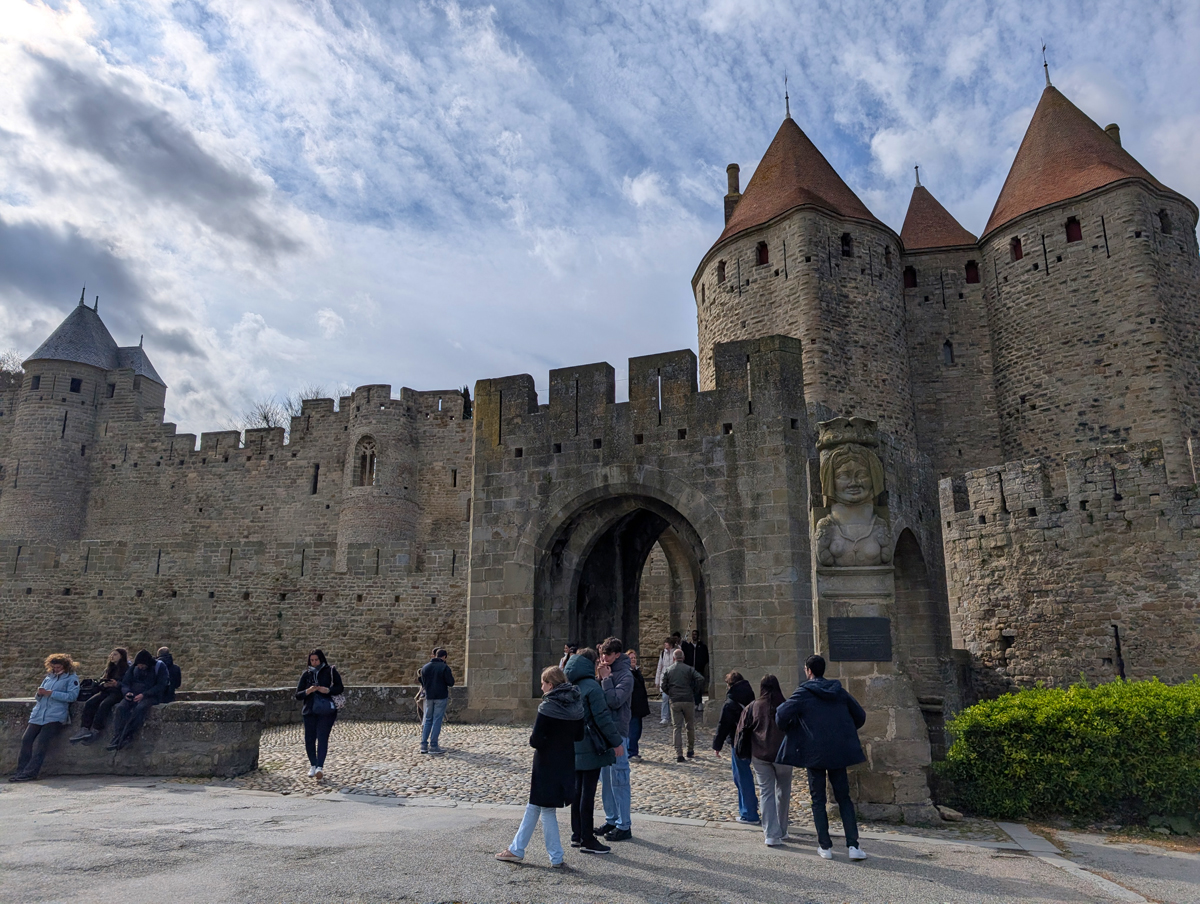
Whichever method you take, you’ll end up at the Narbonnaise Gate, a huge gate (the main gate of the city) with a drawbridge.
You’ll notice an almost comical bust in front of the gate: that’s Dame Carcas who according to legend temporarily ruled Carcassonne during a 5-year siege by emperor Charlemagne in the 8th century. According to the legend, upon learning that the city only had 1 pig and a bag of wheat left, she had the pig fed with the wheat and then thrown from the ramparts. Seeing that, Charlemagne gave up on his siege, believing that there was so much wheat in Carcassonne that they were feeding it to the pigs.
When you’ve entered the gate (which is very impressive), you’ll pass a 2nd gate which will lead you into the old city. If you imagined a museum-like atmosphere you’ll immediate realize it’s anything but: the streets of the old town are lined with tacky tourist stores, restaurants, ice cream parlors, cafes, medieval games for the kids, hotels…it’s a bit Disneyish, especially on a weekend. But if not busy it is, despite everything, still a pleasure to walk around and enjoy the little streets and the views within the walls.
The Basilica, Basilique Saint-Nazaire, is magnificent and always free. It is the most impressive free site in the city and should not be missed. The stained glass windows are incredible. Imagine, this was built starting in 1096 so it is almost 1000 years old.
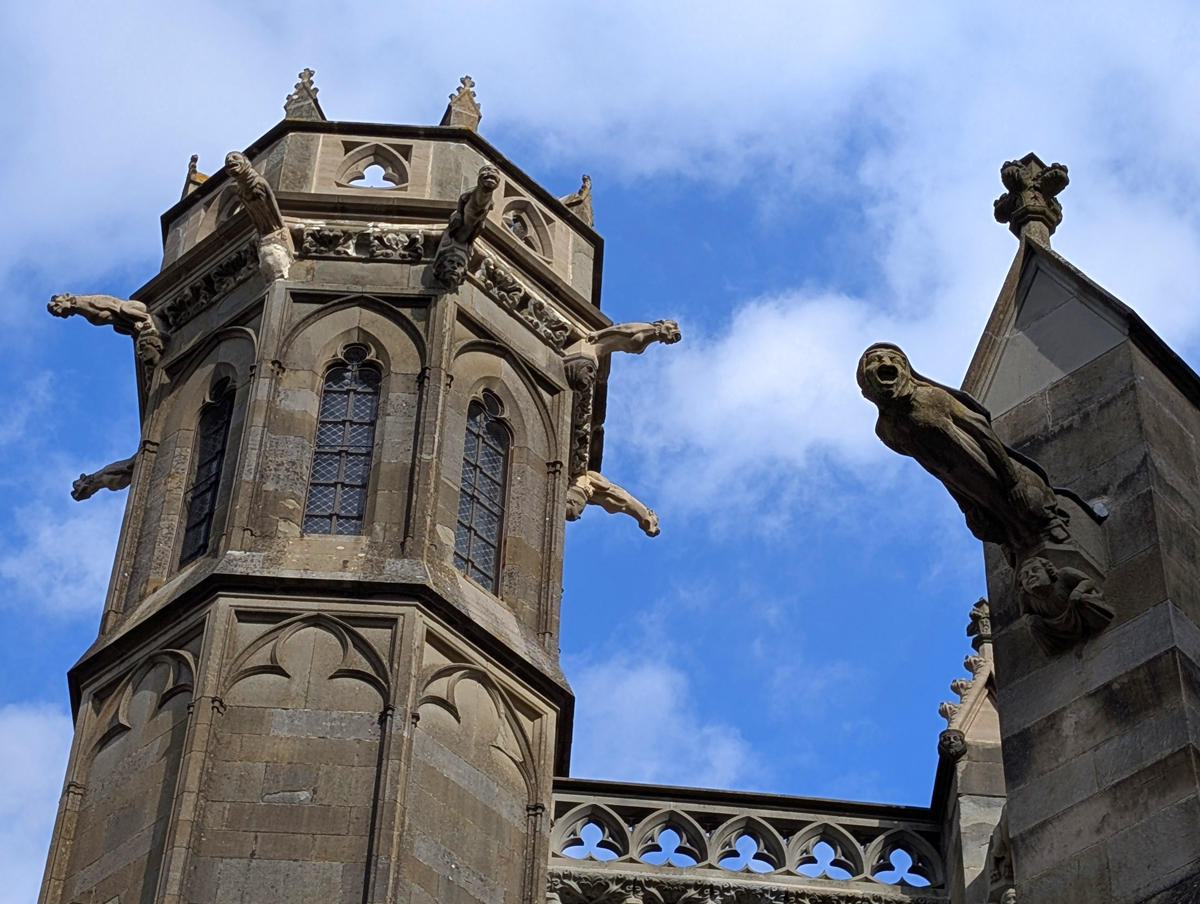
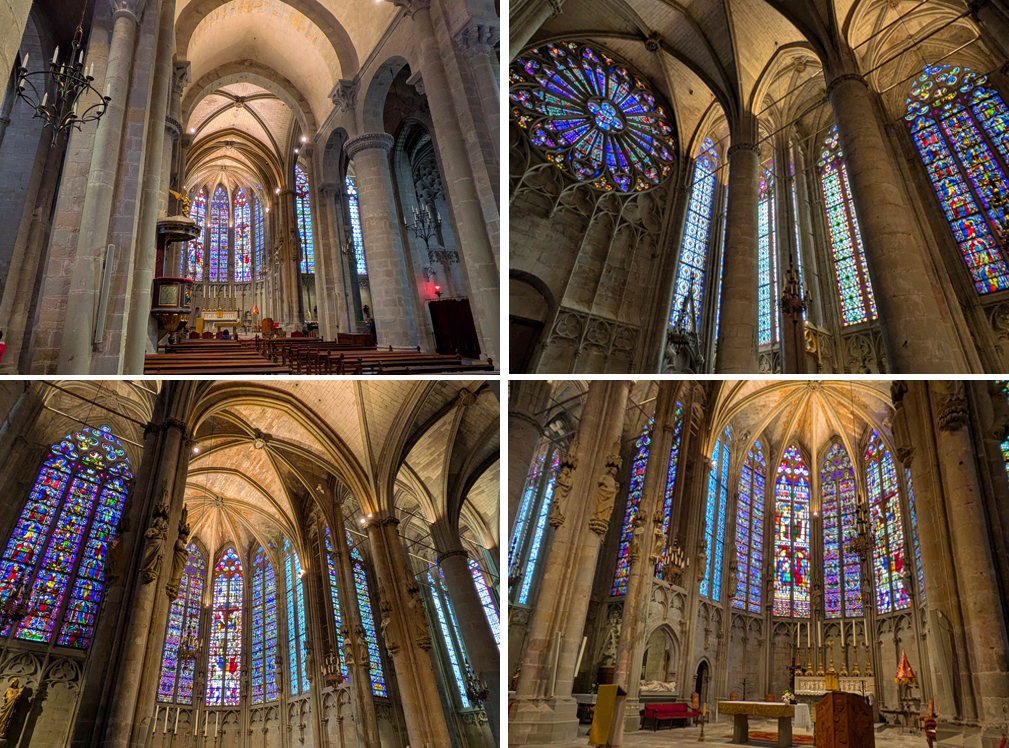
The paying part of La Cité: walking through the city, you’ll come to a gate where it very clearly says you need to buy a ticket. You can buy your ticket there or online. Tickets cost 13 Euros from Oct 1 – Mar 31 or 19 Euros from April 1 – Sept 30.
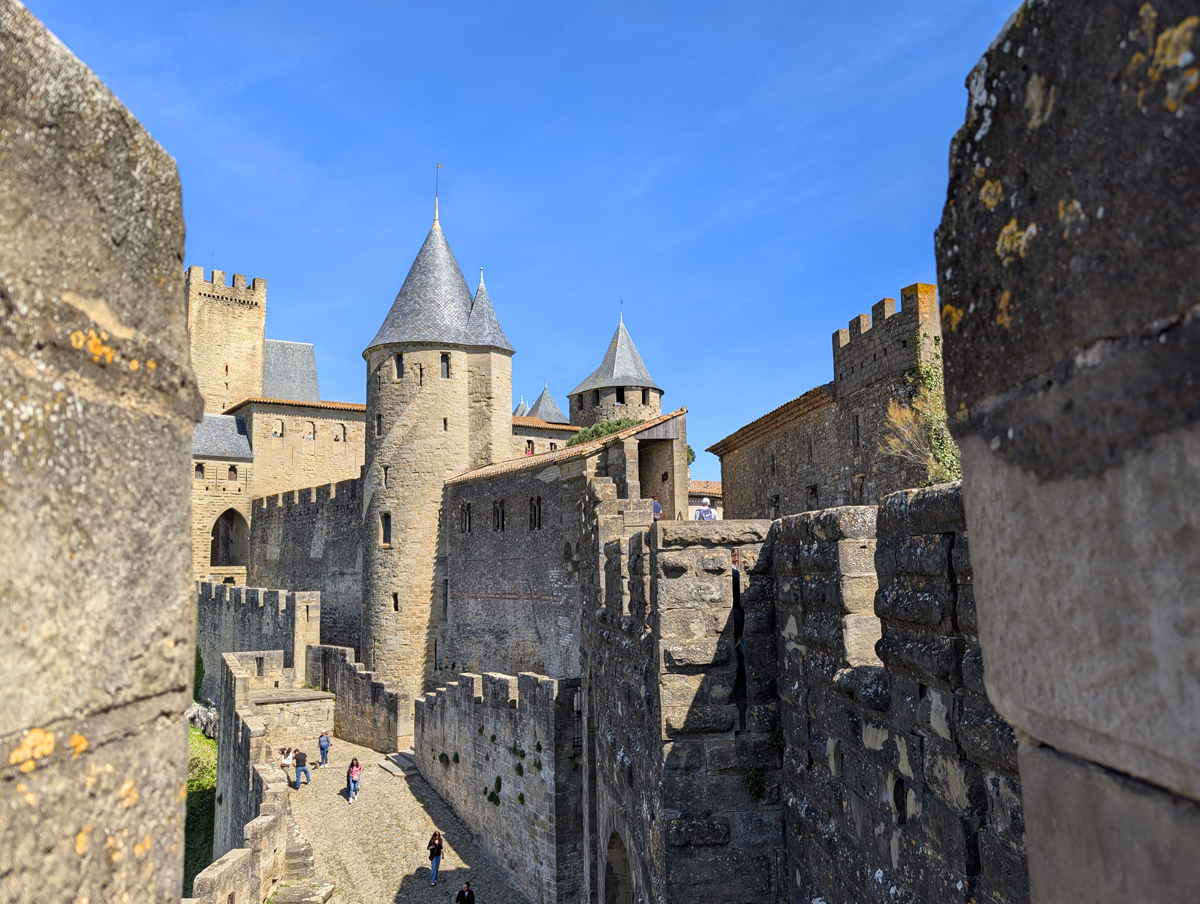
The ticket allows you access to the castle (Château Comtal) and to the ramparts. The ramparts are a circular 3.4 km (2.1 miles) and are really the highlight, giving you various views of the city, the Pyrenees in the distance, and La Bastide Saint-Louis on the other side of the river.
A video that I shot:
Count on about 1 hour to walk the ramparts and visit the castle.
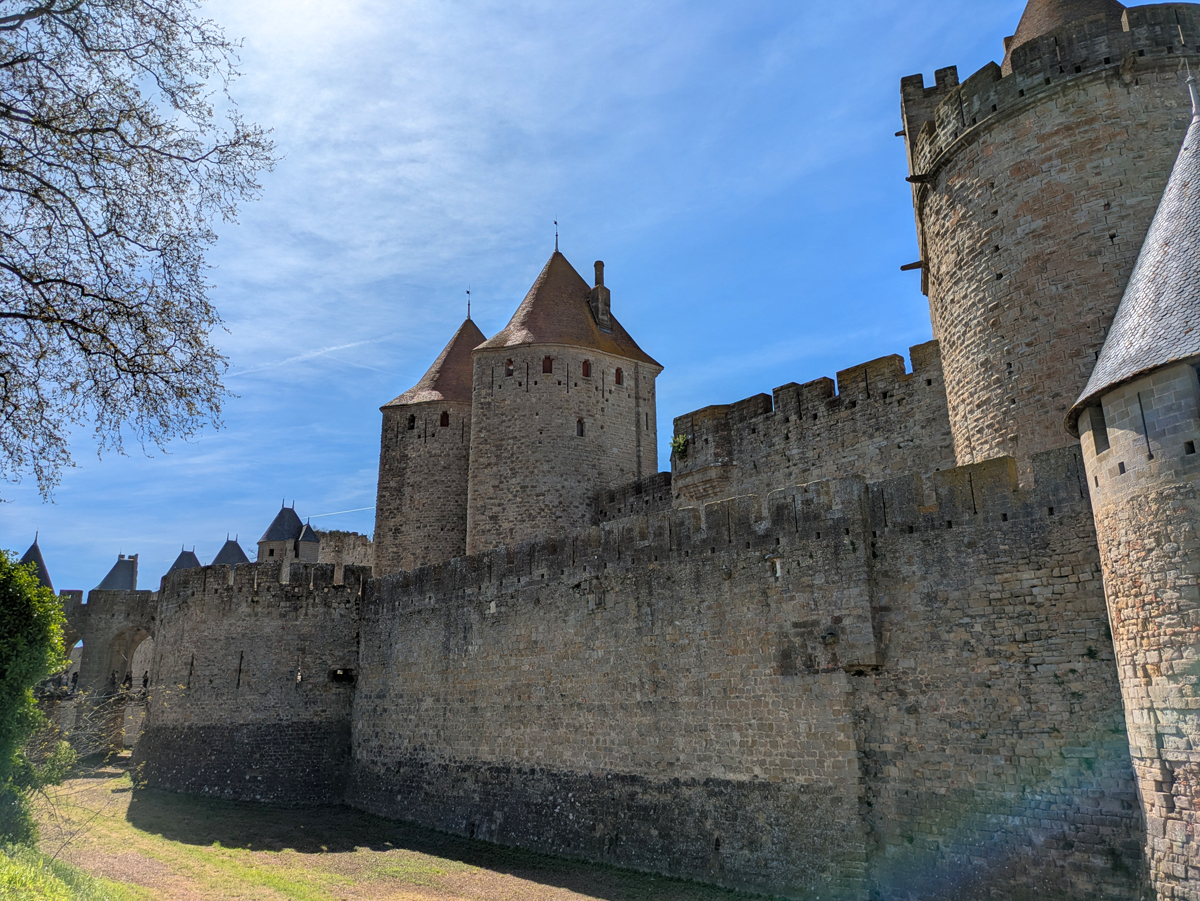
Outside the walls: when you’ve finished inside the walls of La Cité (count on about 2 hours to see everything), I would recommend walking around the outside. It is especially impressive seeing the walls from this perspective. You can see how Carcassonne would have been impenetrable to invaders.
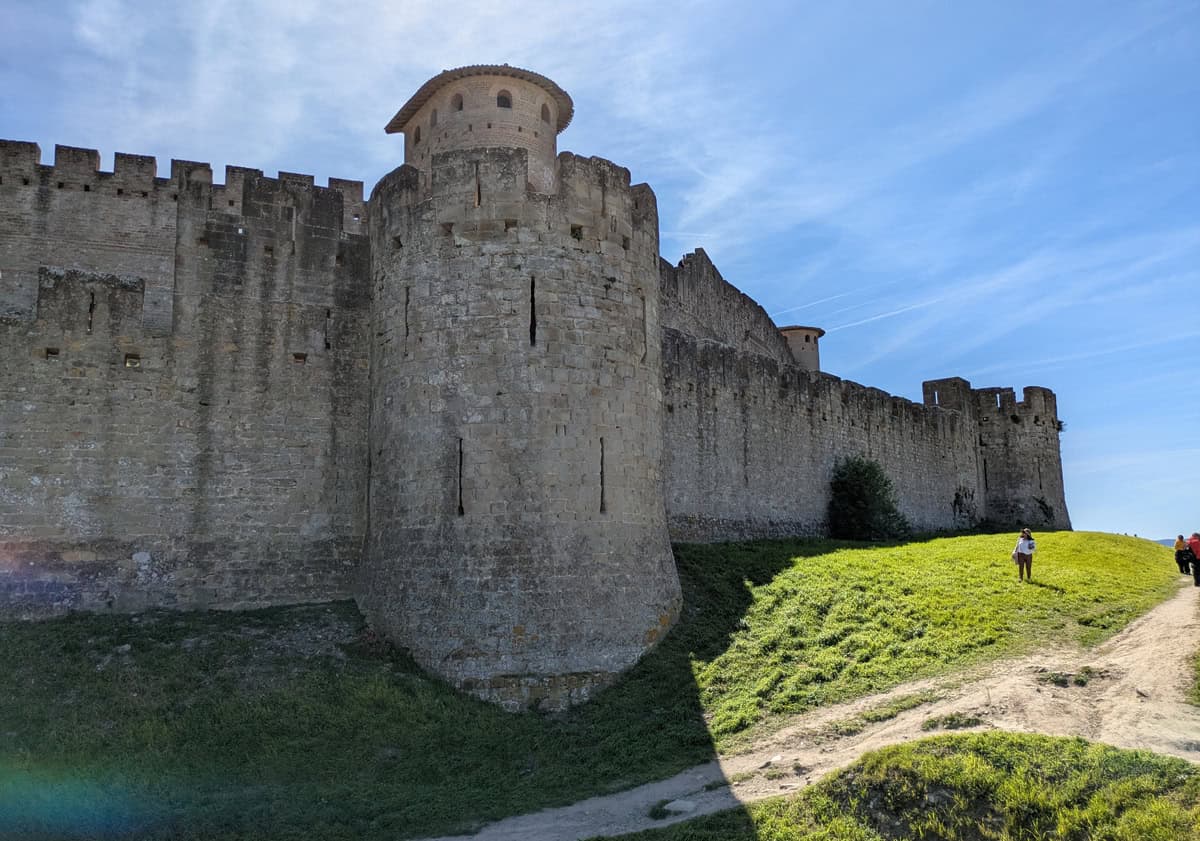
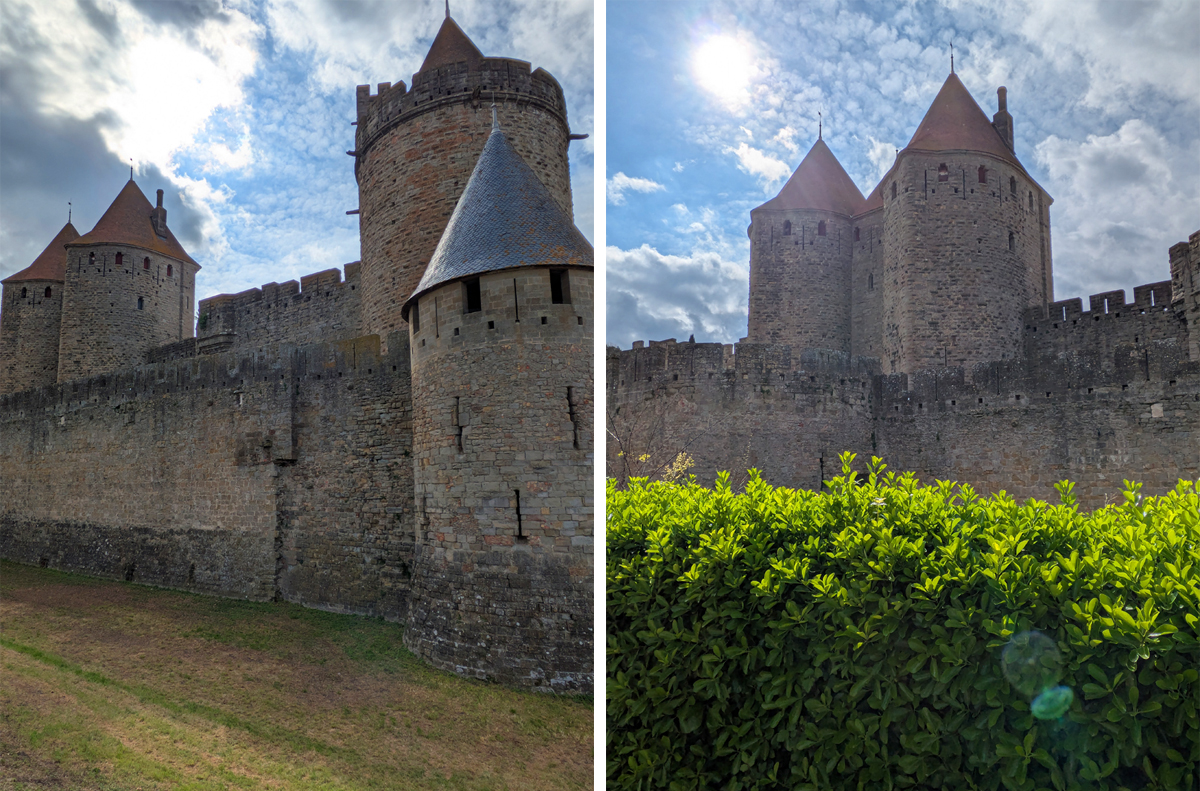
Note: if you’ve come to Carcassonne just to see La Cité Médiévale (the medieval city), you can do it all in 2 to 2 ½ hours. It’s perfectly suited for a day trip.
Tour: If you want a private tour, this one is highly recommended (starting point outside the medieval city). If you’re in Toulouse and want a full-day day trip that includes other highlights in the region, then this tour is recommended (especially if you don’t have a car).
La Bastide Saint-Louis
While not a “must”, the other half of Carcassonne – La Bastide Saint-Louis – has some interesting highlights which (if you’re not in a rush) are worth seeing.
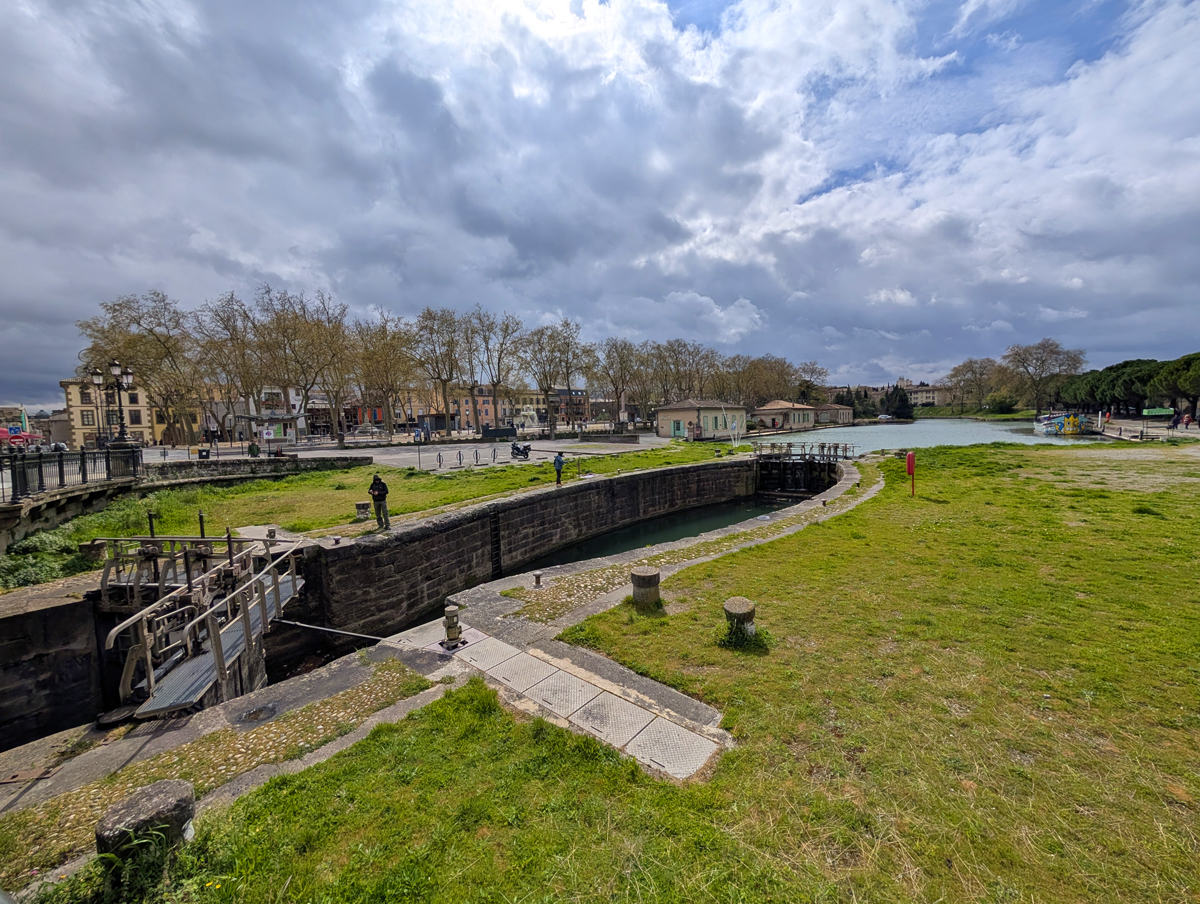
Right next to the train station is the “Canal du Midi”. It is considered one of the great construction works of the 17th century, a canal that connected the Atlantic to the Mediterranean through a combination of canal, locks, lagoons and rivers. The project was conceived by Pierre-Paul Riquet and was approved by Louis XIV in 1666; the purpose being to connect the Atlantic and Mediterranean while bypassing Spain (and the Strait of Gibraltar where French cargo had to pay hefty fees to the Spanish).
The Canal du Midi isn’t that impressive in Carcassonne and it’s hard to envision the importance of this little waterway. But if you’re interesting in history you might want to have a look at it.
(go to Beziers and Sète if you want to see some of the more impressive parts of the Canal system).
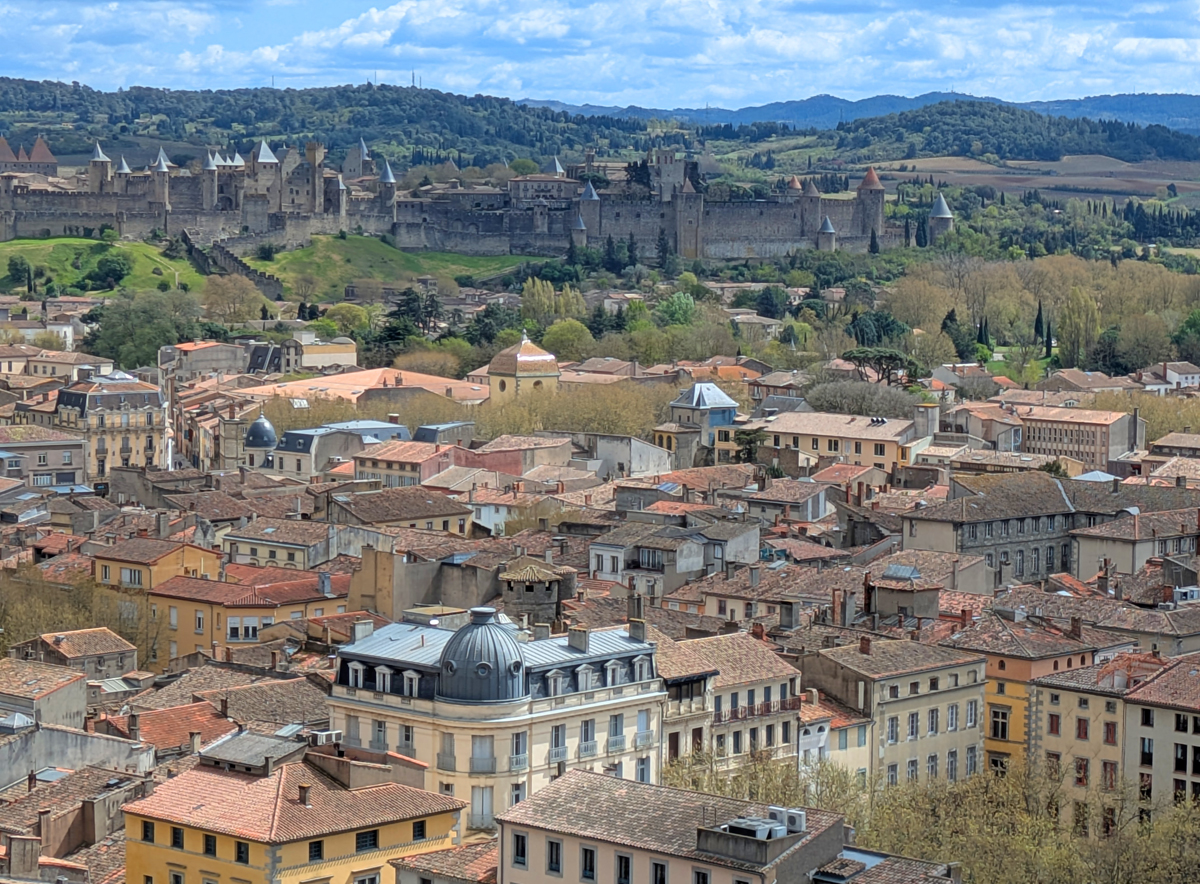
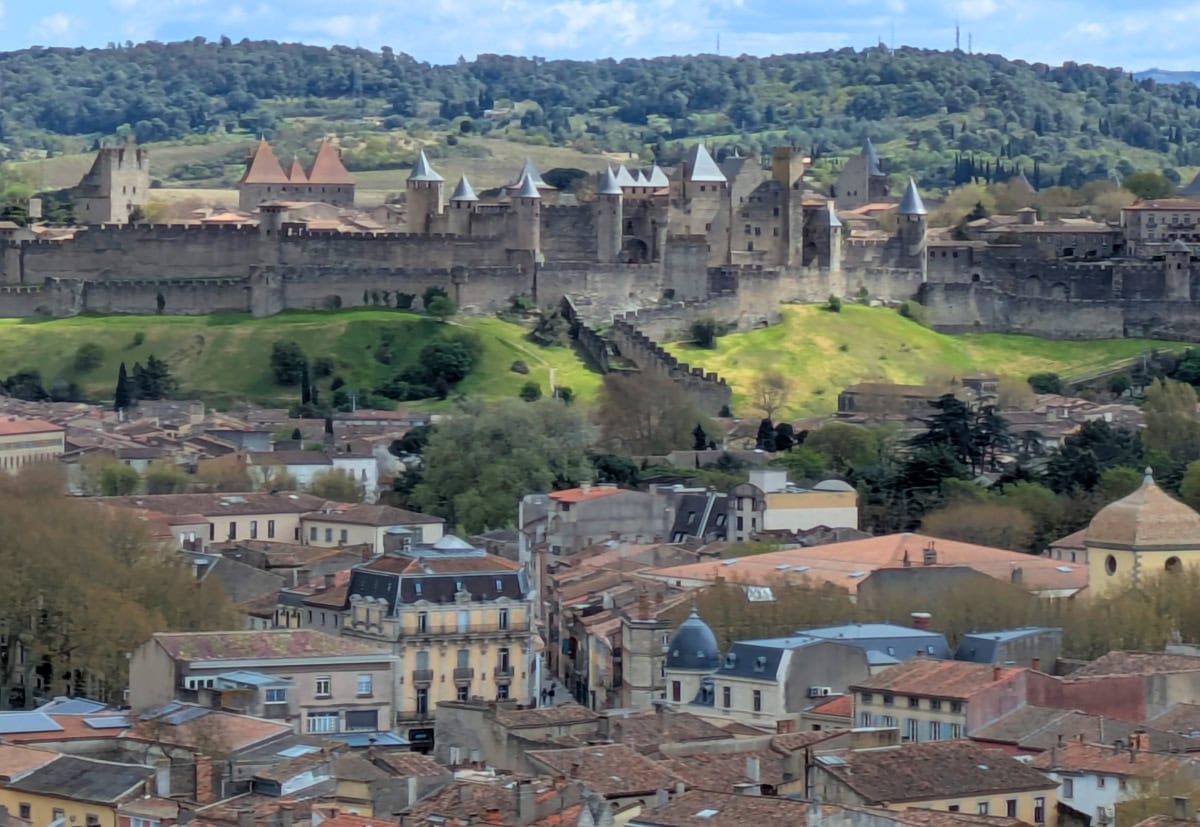
Eglise Saint-Vincent. A pretty church that was completed in 1269. But the main highlight here is going up the 239-stair bell tower for great views of the city and fortifications. Cost 2 Euros.
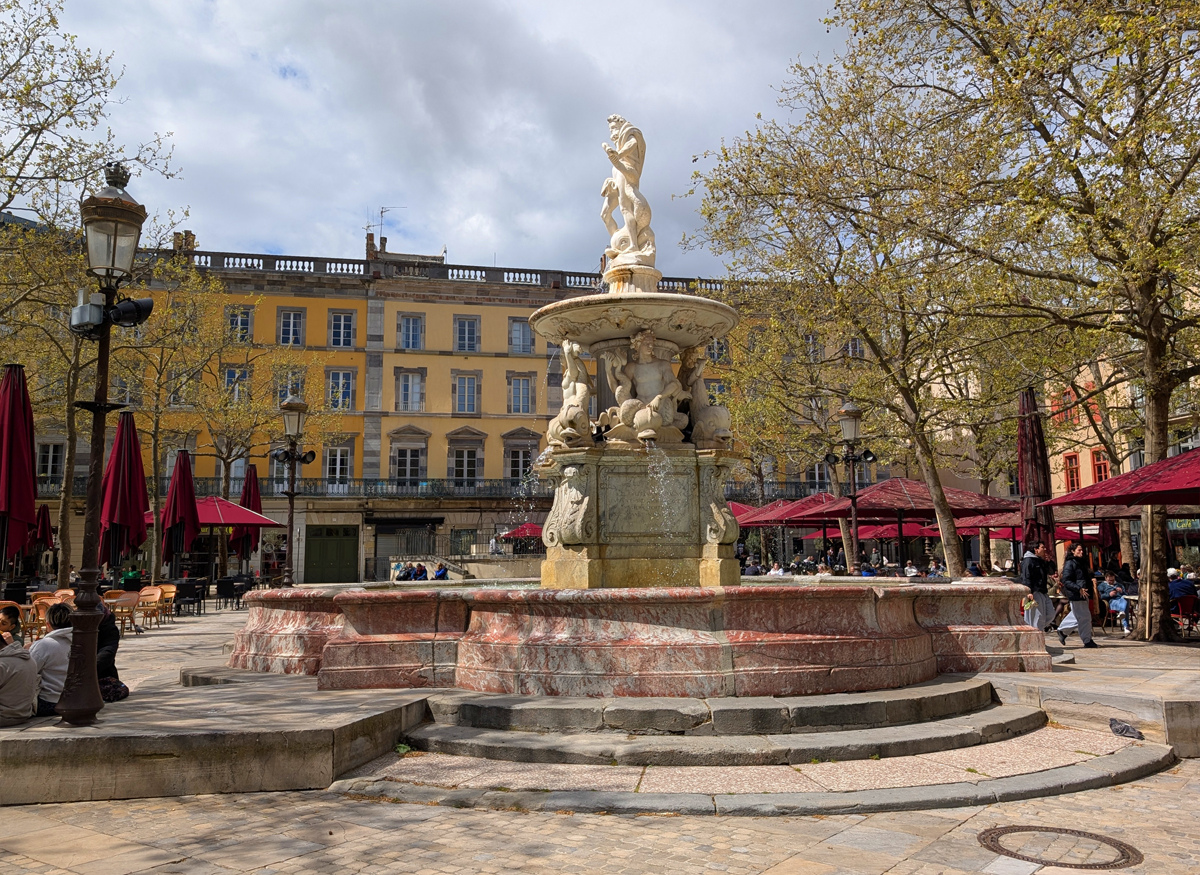
Place Carnot is the main square and has lots of restaurants. A good place to relax and people-watch. Colombus Café has good coffee, sandwiches and pastries.
On the way towards La Cité Médiévale is Square Gambetta which is a large, green square holding some mansions and the city’s fine art museum.
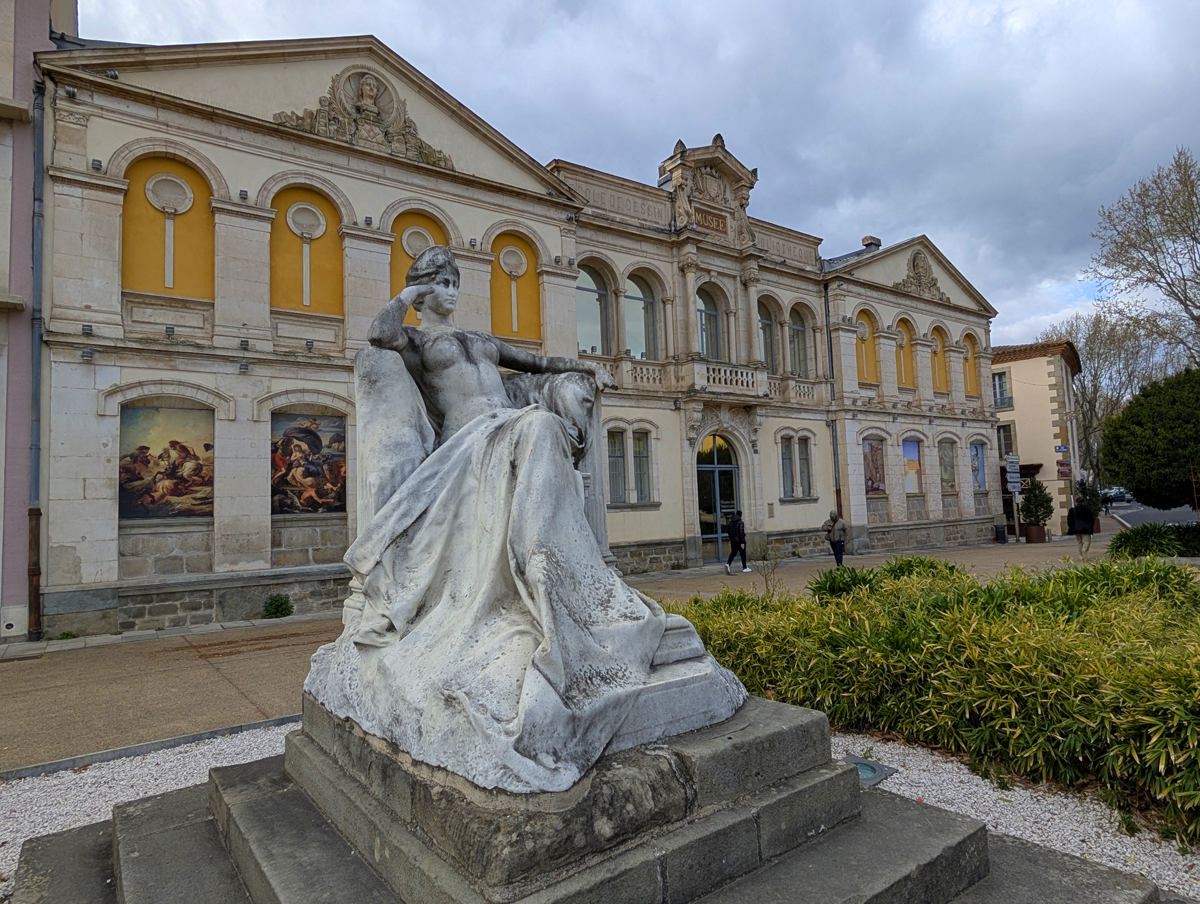
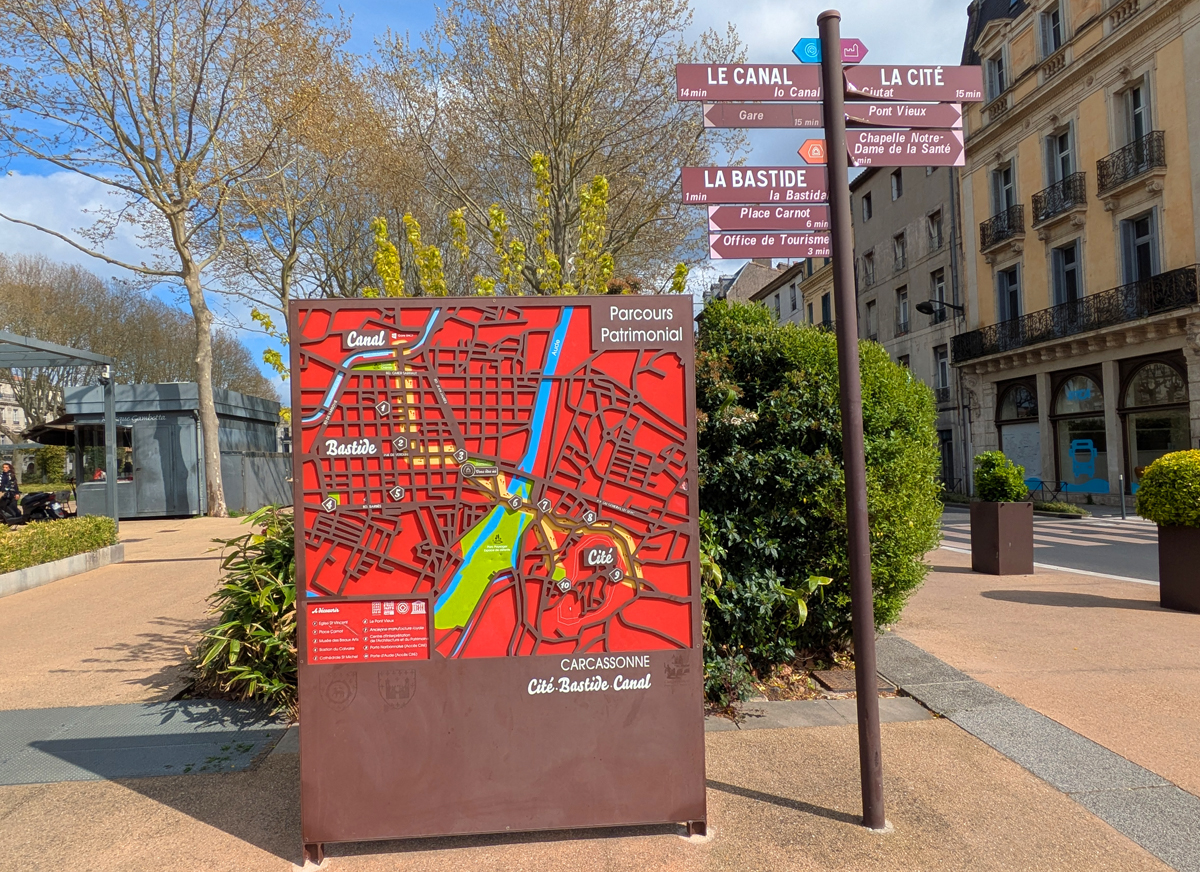
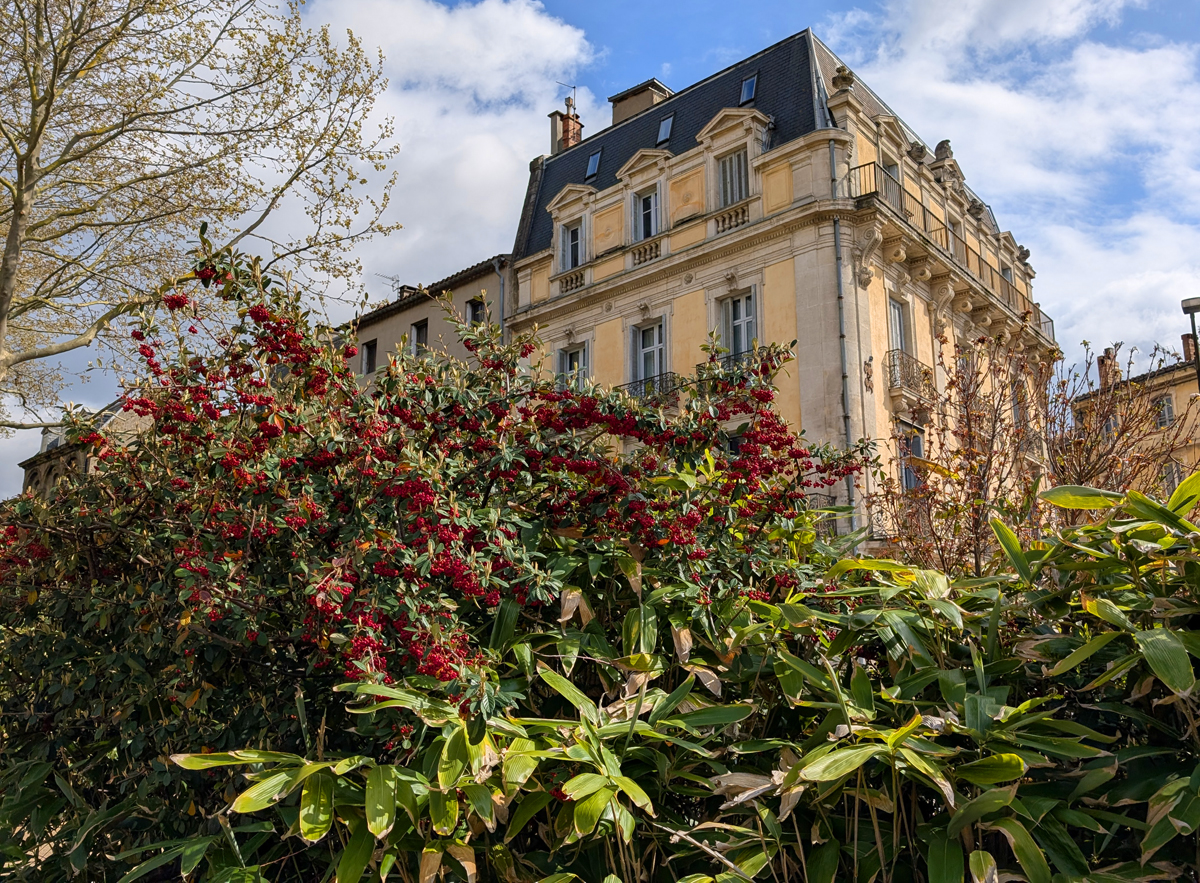
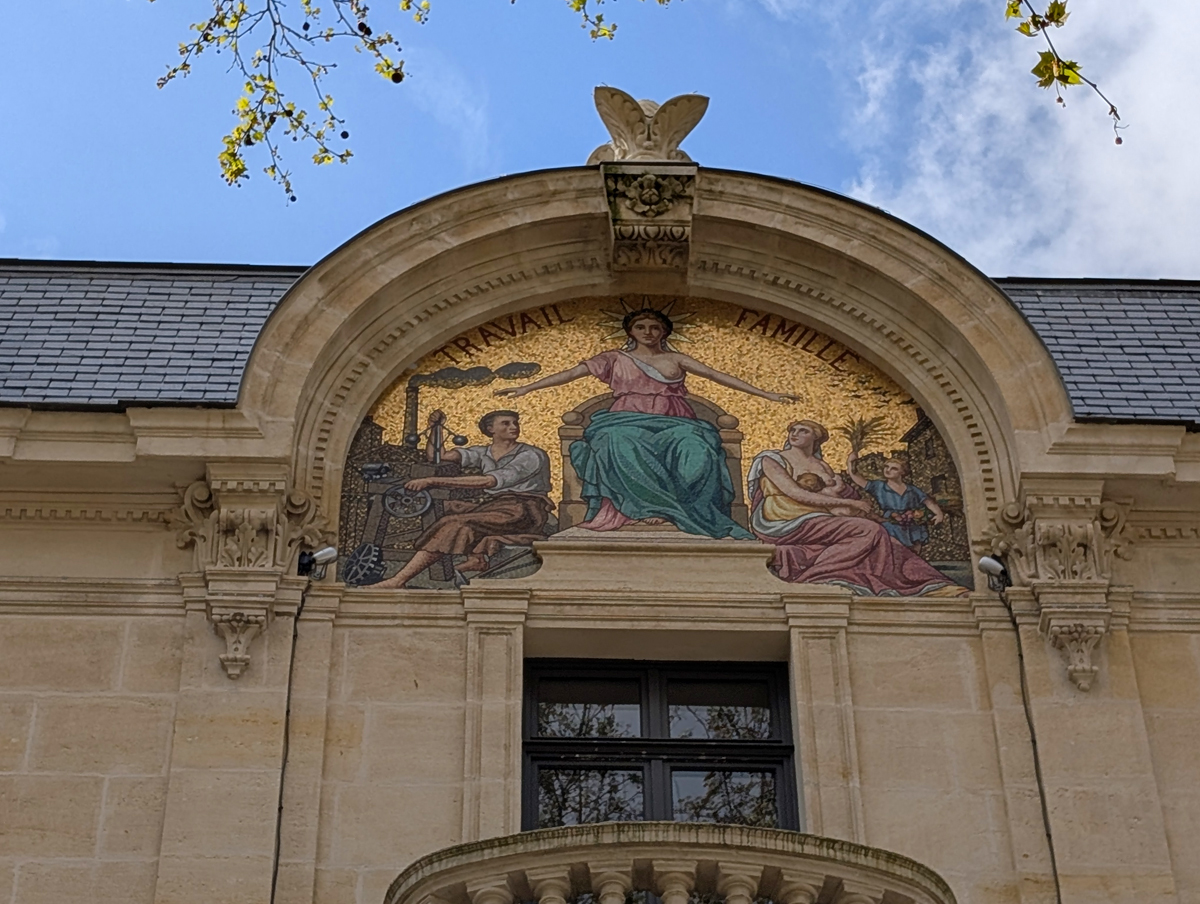
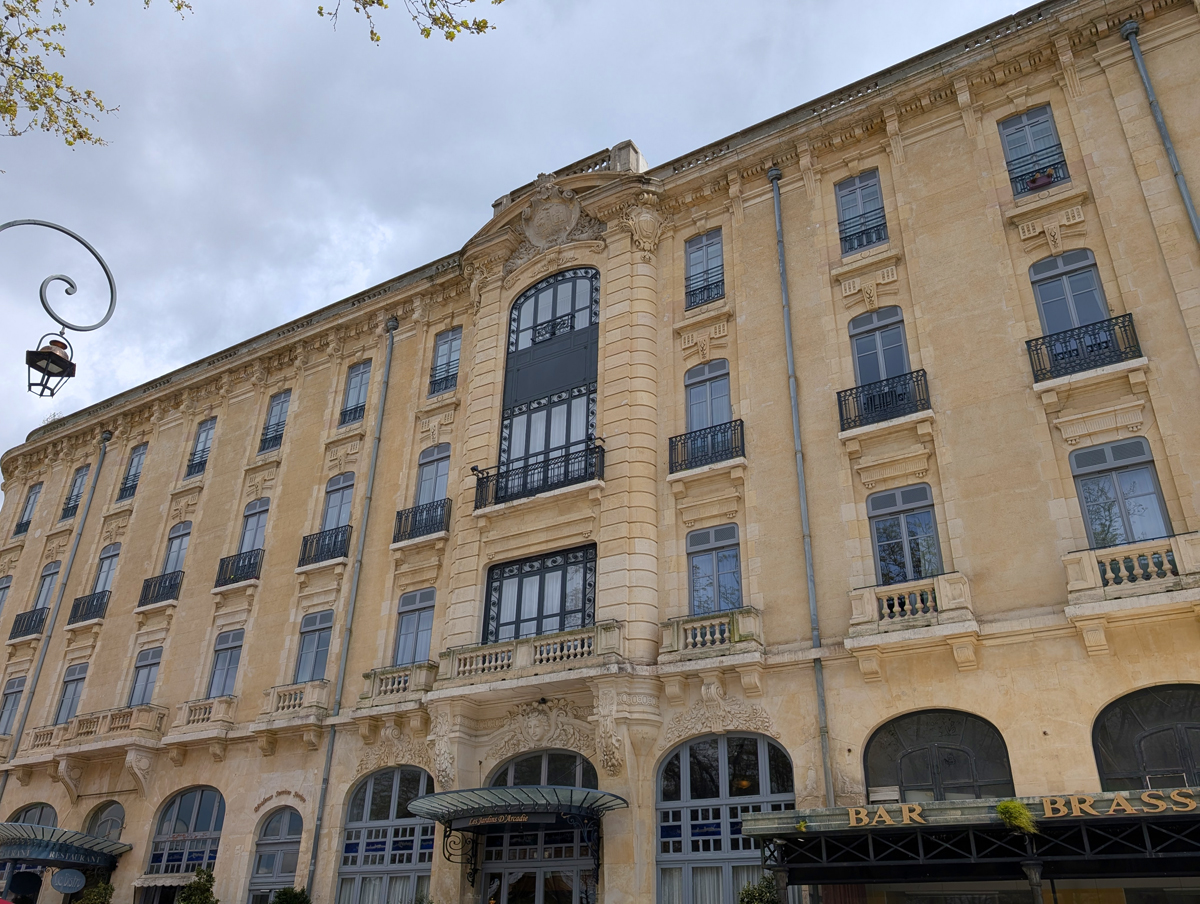
A few more photos around La Bastide Saint-Louis
Practical Information on Carcassonne
Getting to Carcassonne: Carcassonne is on the Narbonne – Toulouse train line (about 30 min to Narbonne, 40 min to Toulouse). Buy your tickets on the SNCF website.
Accommodation: we stayed in this Airbnb for 3 nights which was very good. If you want a special stay, I recommend Pont Levis Boutique Hôtel which is located just outside the Narbonnaise gate to the Medieval city (you can explore the medieval city at night when all the day trippers have left).
Grocery shopping: avoid the Carrefour on Place Carnot, some dodgy characters there looking to take advantage of tourists. The Monoprix just a few blocks away is safer and has a better selection. There is an excellent Bio store if looking for tofu, fresh vegetables and healthy stuff.
Related: Visiting Gordes (France): the “Most beautiful small town in the world”
Related: 30 images showing you why you should visit Montpellier
Leave a Reply