
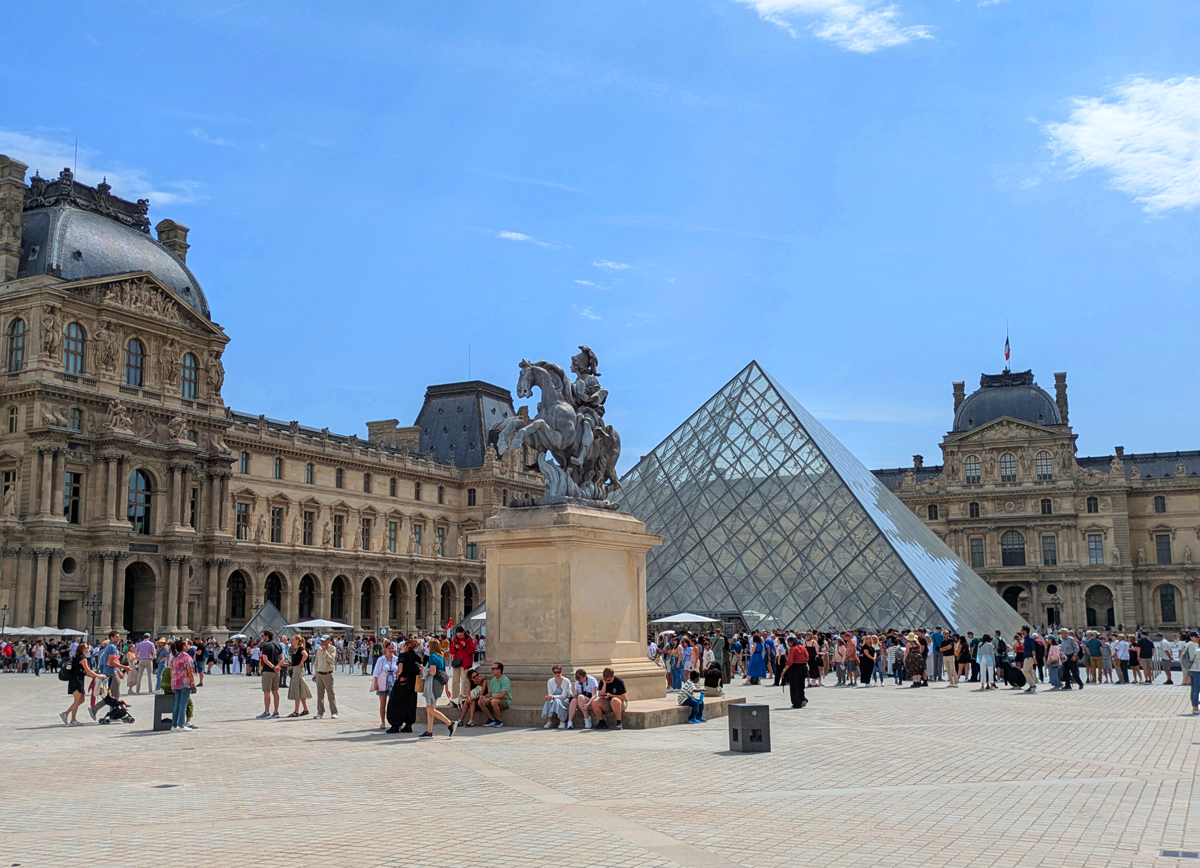
What to See in the 1st Arrondissement of Paris.
In this post I’m going to be covering one of the most popular Arrondissements in Paris: the 1st Arrondissement. This district was the original heart of Paris (about 2300 years ago) when a Celtic tribe called the Parisii settled on the Seine.
It is the home of the Louvre, the most visited museum in the world. But there’s more to the Arrondissement, including beautiful churches, gardens, famous squares, a little-known passageway…and one of the most beautiful department stores in Paris.
In this post I’ll cover all that and more.
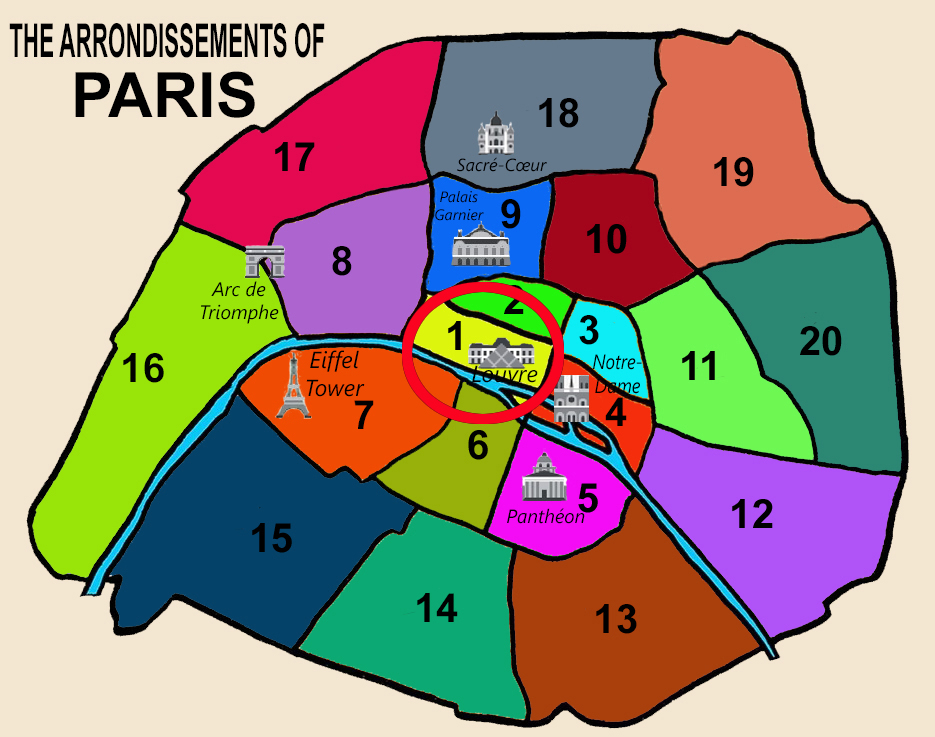
The 1st Arrondissement In a few words: Tons of tourists, monumental buildings, beautiful gardens, Seine views, beautiful churches, luxury stores and home of one of the world’s most famous museums. Watch out for pickpockets and scams, particularly around the Louvre. The 1st arrondissement is compact and easy to explore in a day*.
*Note: not including visiting the interior of the Louvre. That’s a different visit and you should budget at least 3 hours for that.
How to See the 1st Arrondissement: There are multiple ways of exploring the 1st and it might depend on what part of the city you are coming from. But we liked our itinerary: starting at the Madeleine metro (an easy walk to Place Vendôme) and finishing at the Cité metro station. I detail that route below.
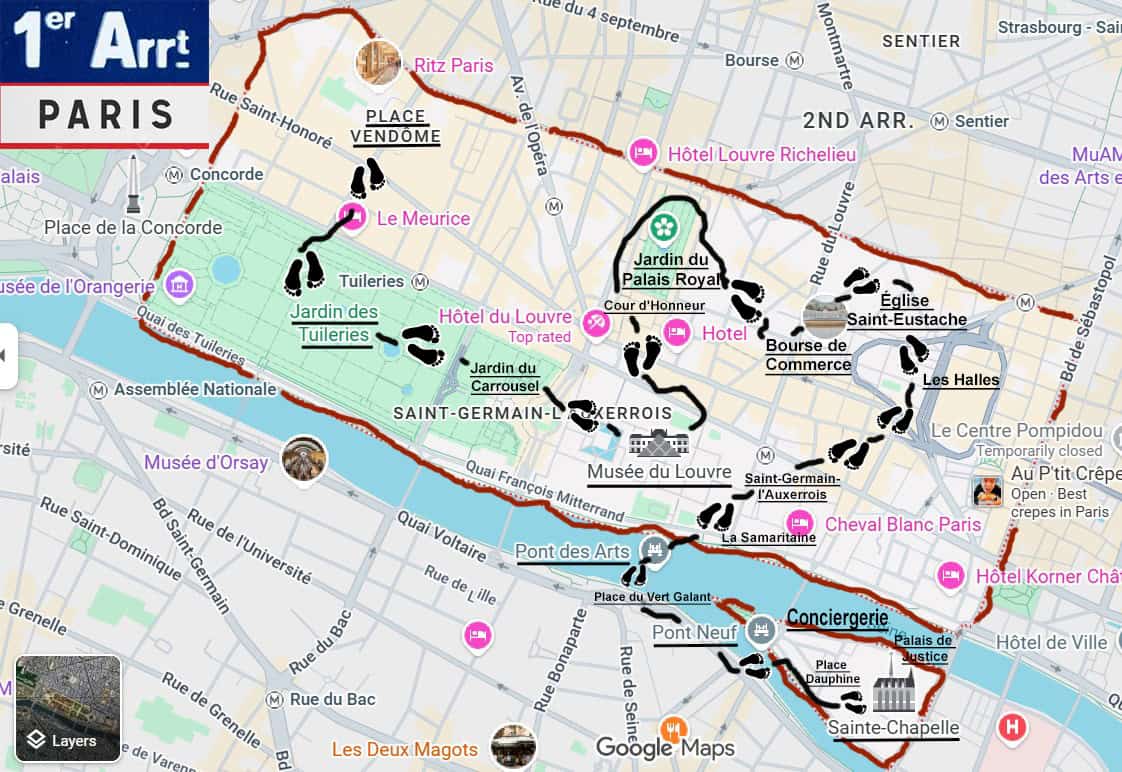
Highlights along the way:
Place Vendôme
Jardin des Tuileries (also home to Musée de l’Orangerie)
Arc de Triomphe du Carrousel
Musée du Louvre
Metro Palais Royal-Musée du Louvre
Palais-Royal and Gardens
Galerie Véro-Dodat
Bourse de Commerce
Église Saint-Eustache
Forum Les Halles
Église Saint-Germain-l’Auxerrois
Samaritaine
Square du Vert-Galant
Sainte-Chapelle
Conciergerie
A Detailed breakdown of the 1st Arrondissement of Paris
As mentioned, we started at the Madeleine metro. Right there is Église de la Madeleine, one of Paris’s beautiful churches. Unfortunately you’re not technically in the 1st Arrondissement here, you’re in the 8th (I’ll cover Église de la Madeleine when detailing the 8th Arrondissement). Walk a few blocks to Place Vendôme.
Place Vendôme
Place Vendôme was built at the end of the 17th century under the orders of The Sun King (Louis XIV). The idea was to reflect the power and grandeur of the French monarchy. In the center of the square was meant to be an equestrian statue of the king. But the state ran out of money so the square was sold into private hands.
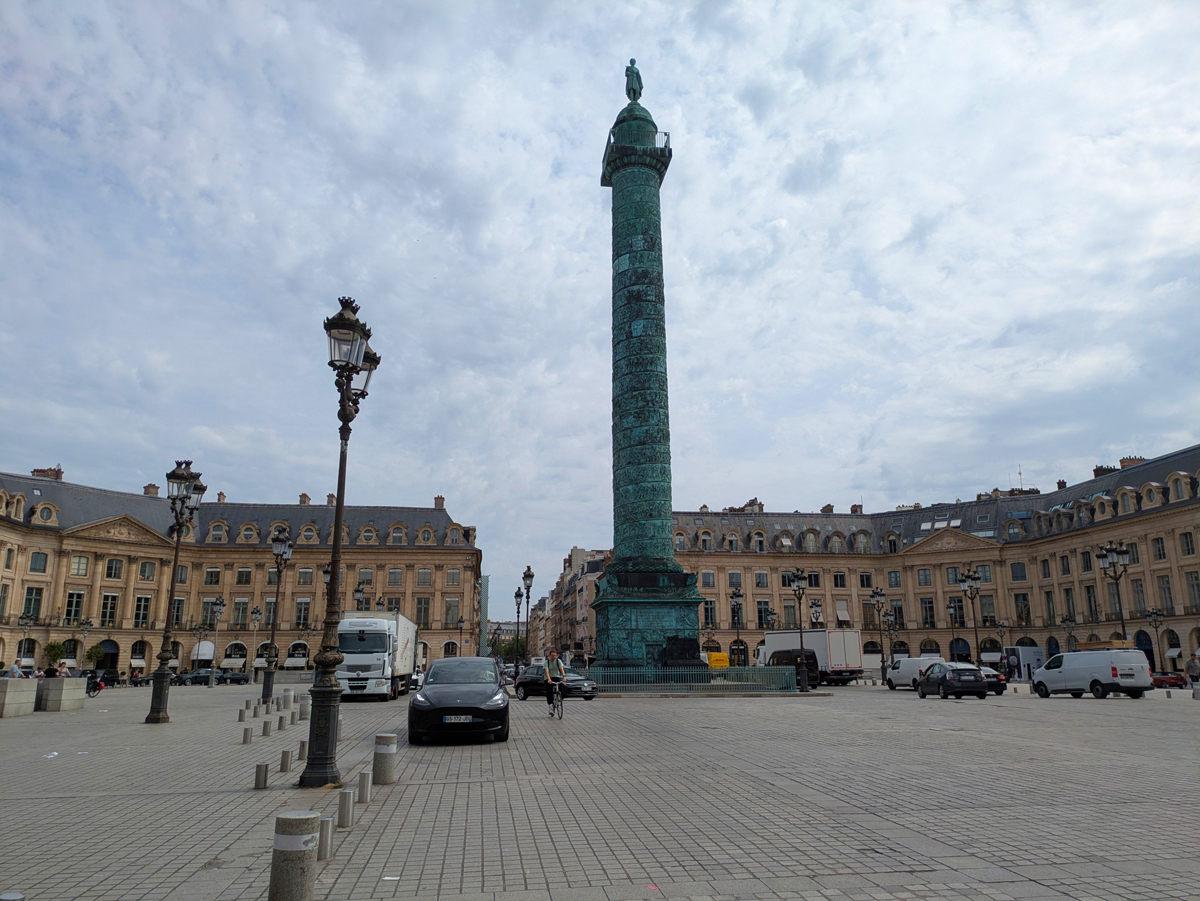
The column in the center of the square (the Vendôme Column) was erected by Napoleon in 1805 to commemorate his famous victory at the Battle of Austerlitz (where he defeated the combined forces of the Austrian and Russian armies).
Today the square is home to some of Paris’s glitziest stores.
Jardin des Tuileries
These were the first gardens in Paris open to the public. Constructed in the mid-1500’s, the gardens were for large banquets and parties held by Catherine de Medici (Queen of France between 1547 – 1559, she was married to Henry II).
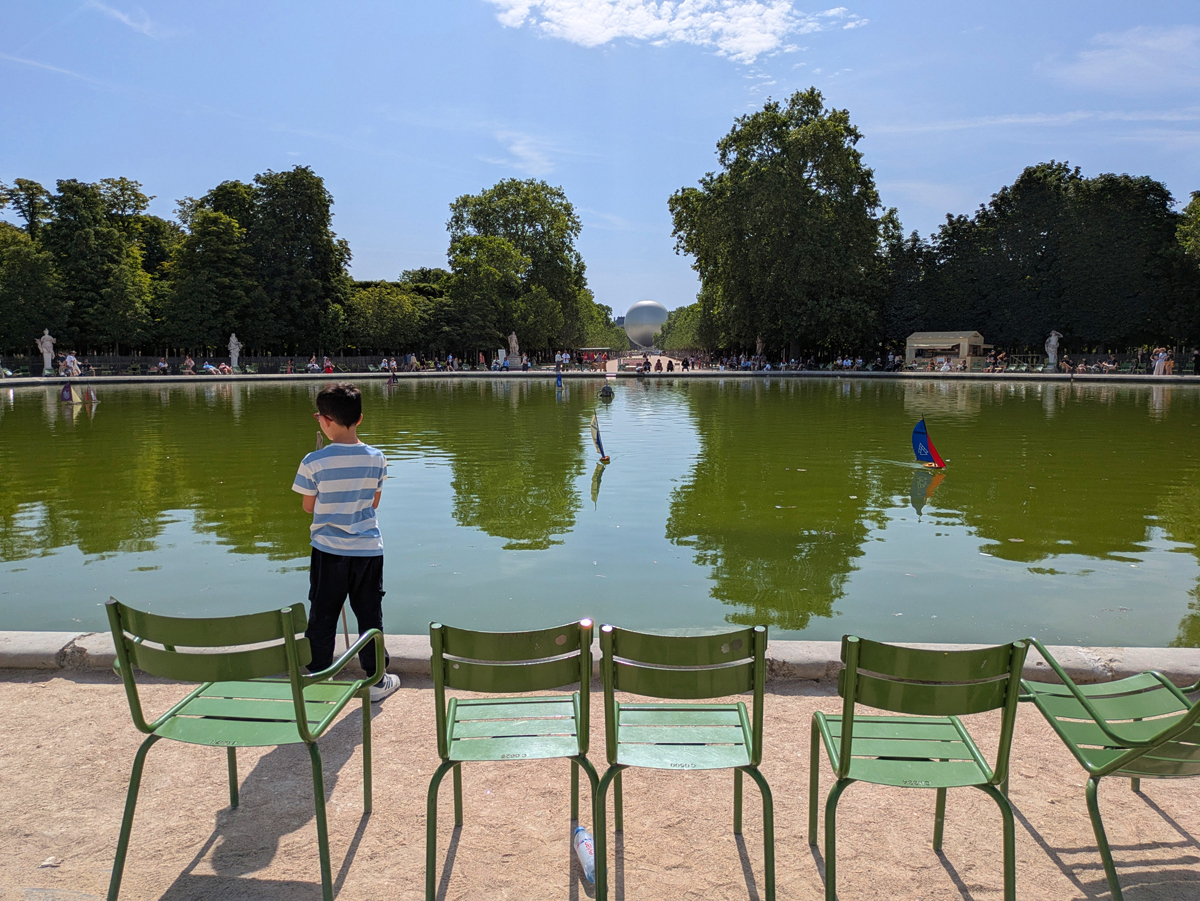
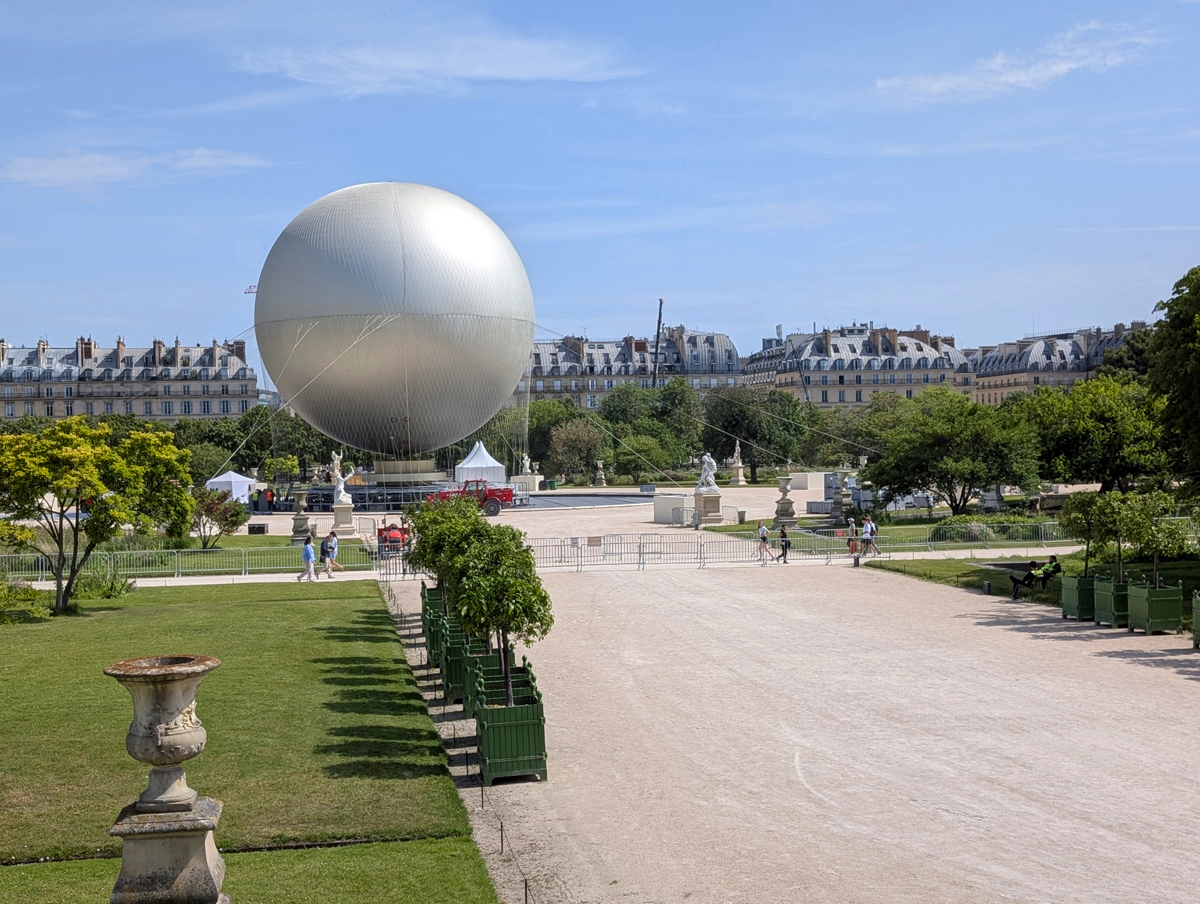
When the royal palaces were moved to Versailles (in 1682) the palace (later demolished) and gardens were abandoned.
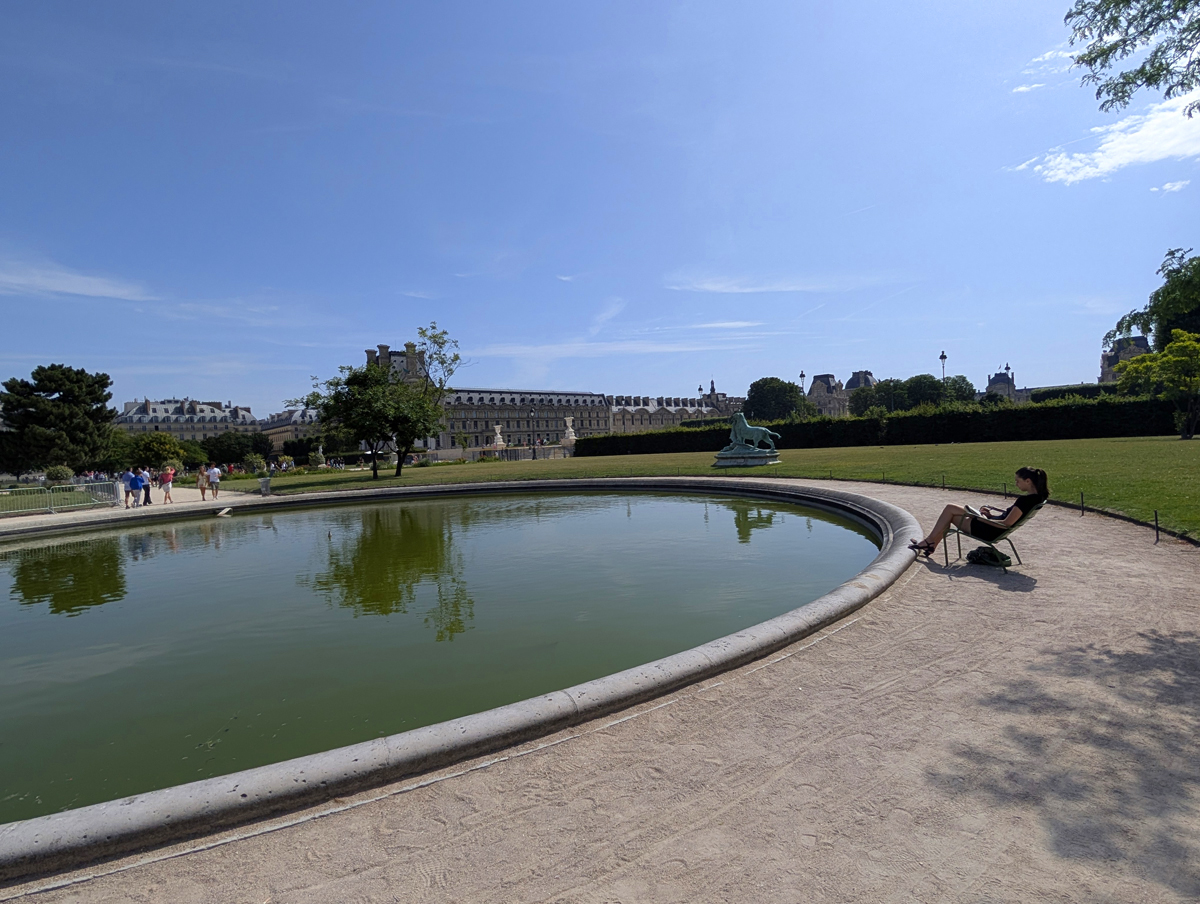
Today the gardens are a popular green spot for Parisians with ponds, benches and gardens.
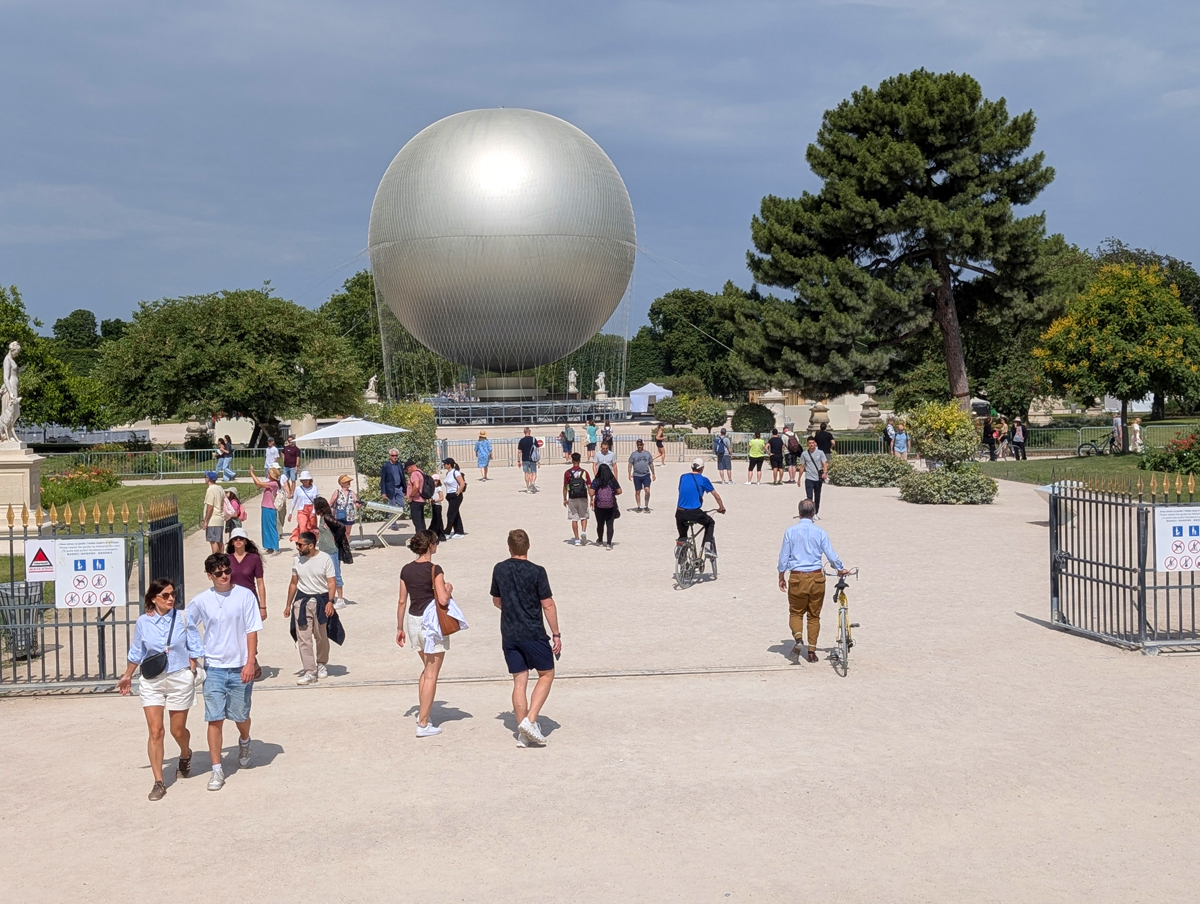
Note: in the gardens, you’ll find the Musée de l’Orangerie. It covers Impressionist and Post-Impressionist paintings, roughly covering the period between 1880 and 1930. The most famous artists represented are Claude Monet, Paul Cézanne and Henri Matisse. Website.
Arc de Triomphe du Carrousel
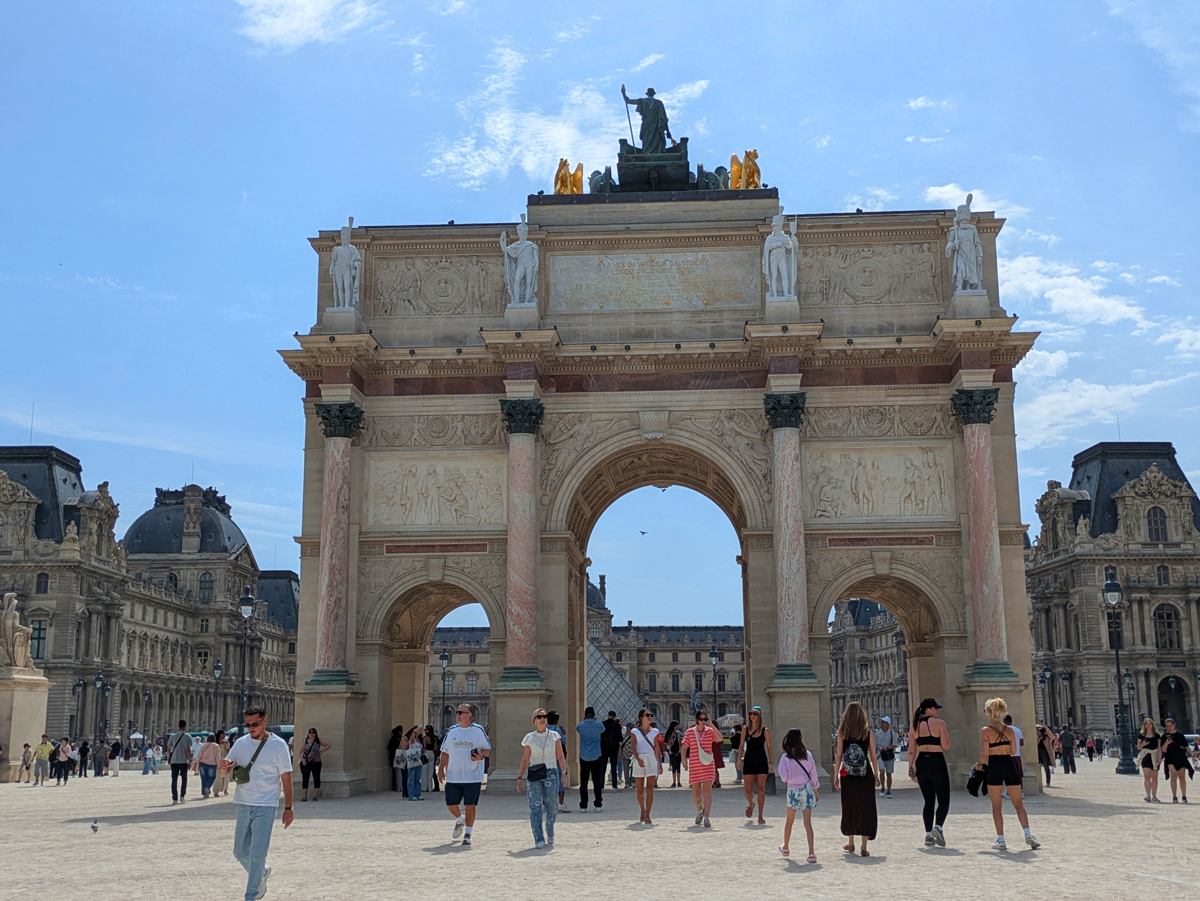
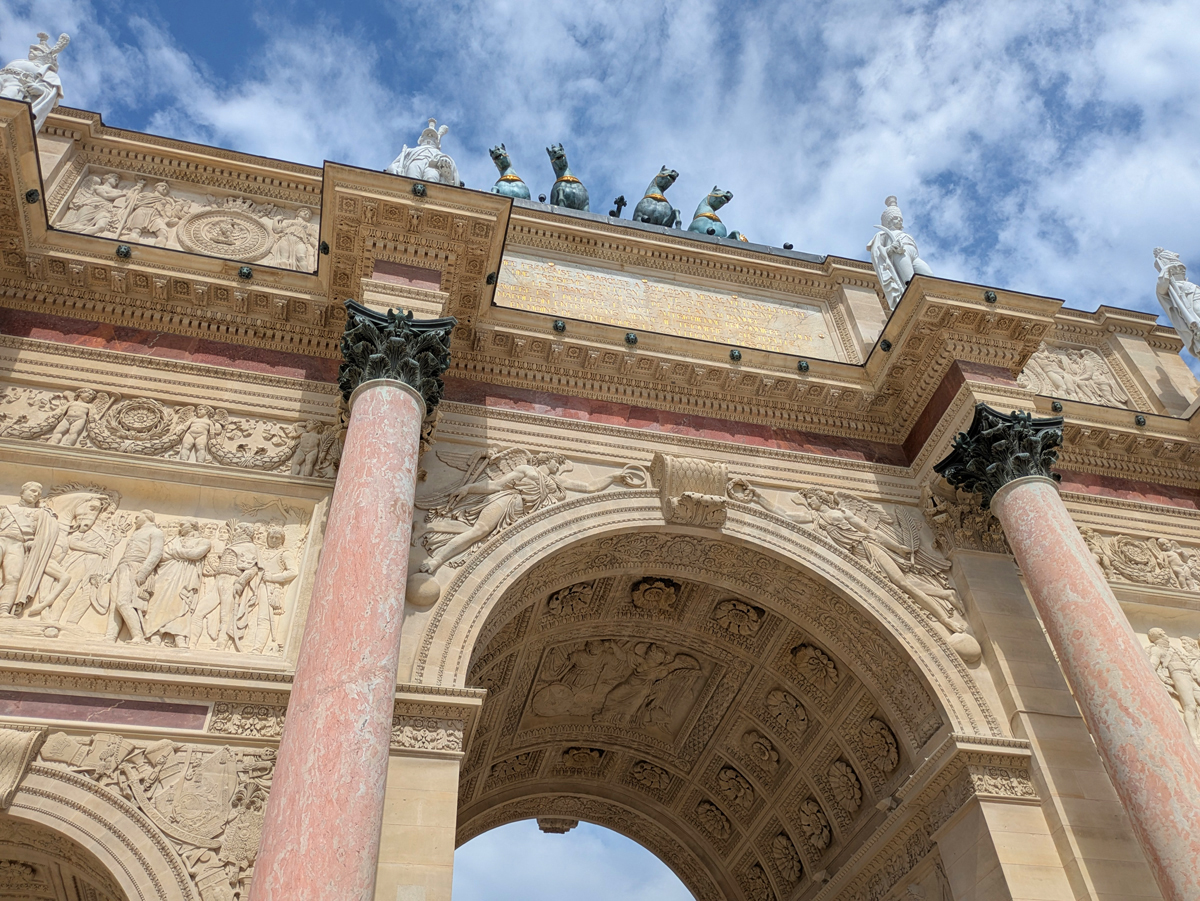
Paris has 4 Arcs: The Porte Saint-Denis (1672), the Porte Saint-Martin (1674), the Arc de Triomphe (1836) and this one – the Arc de Triomphe du Carrousel (1808).
The Arc de Triomphe du Carrousel was built to commemorate Napoleon’s military victories, specifically the Battle of Austerlitz. It is topped by a quadriga (a chariot drawn by four horses).
The Arc connects the Tuileries Garden to the Louvre.
Musée du Louvre
It’s the star attraction of the 1st and one of Paris’s top sites.
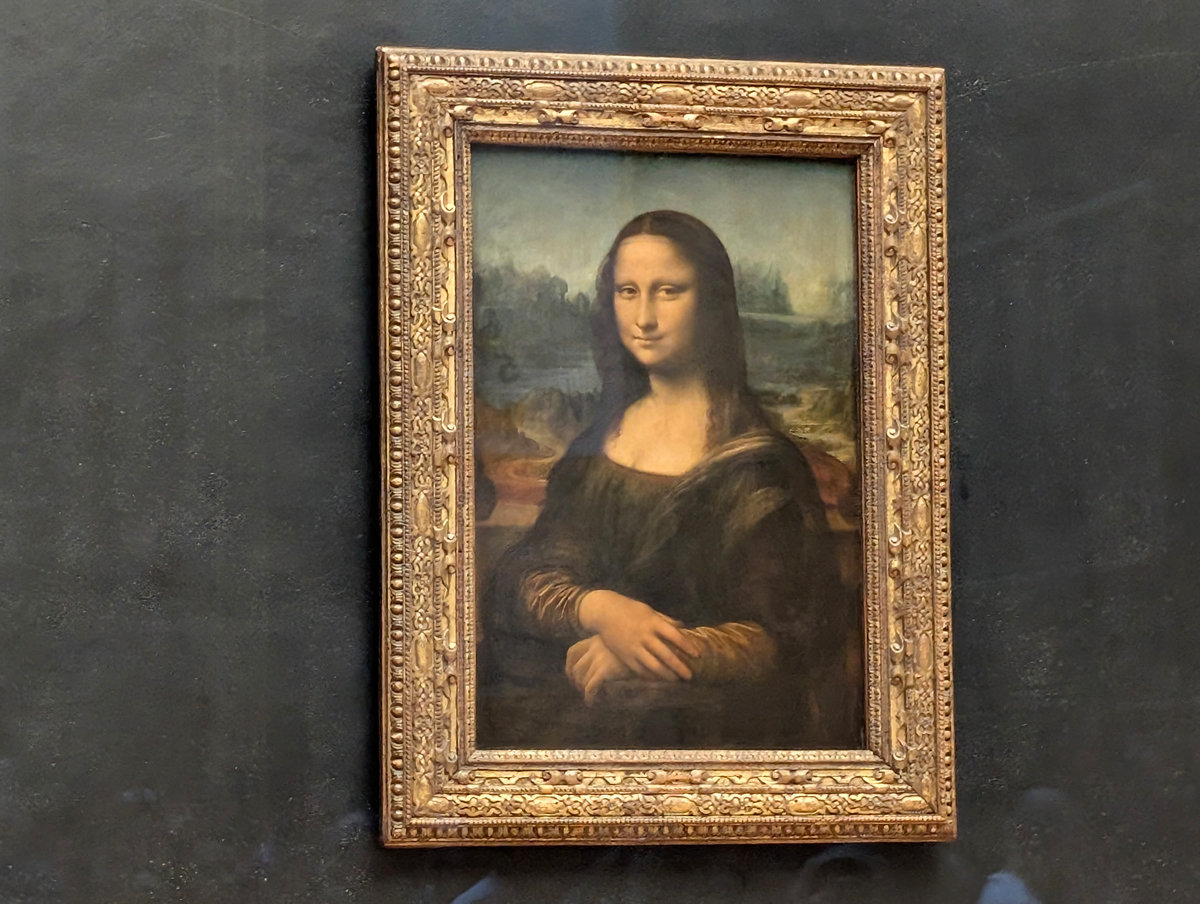
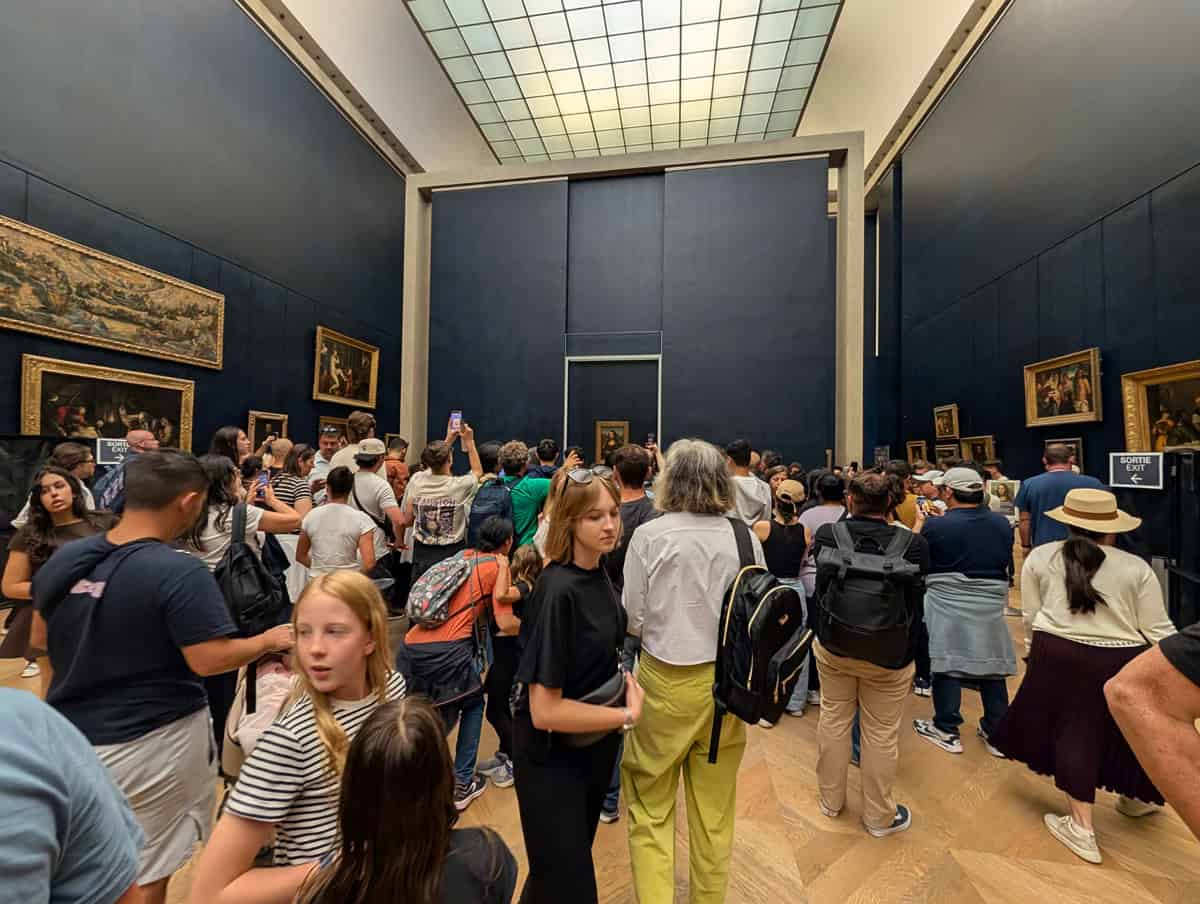
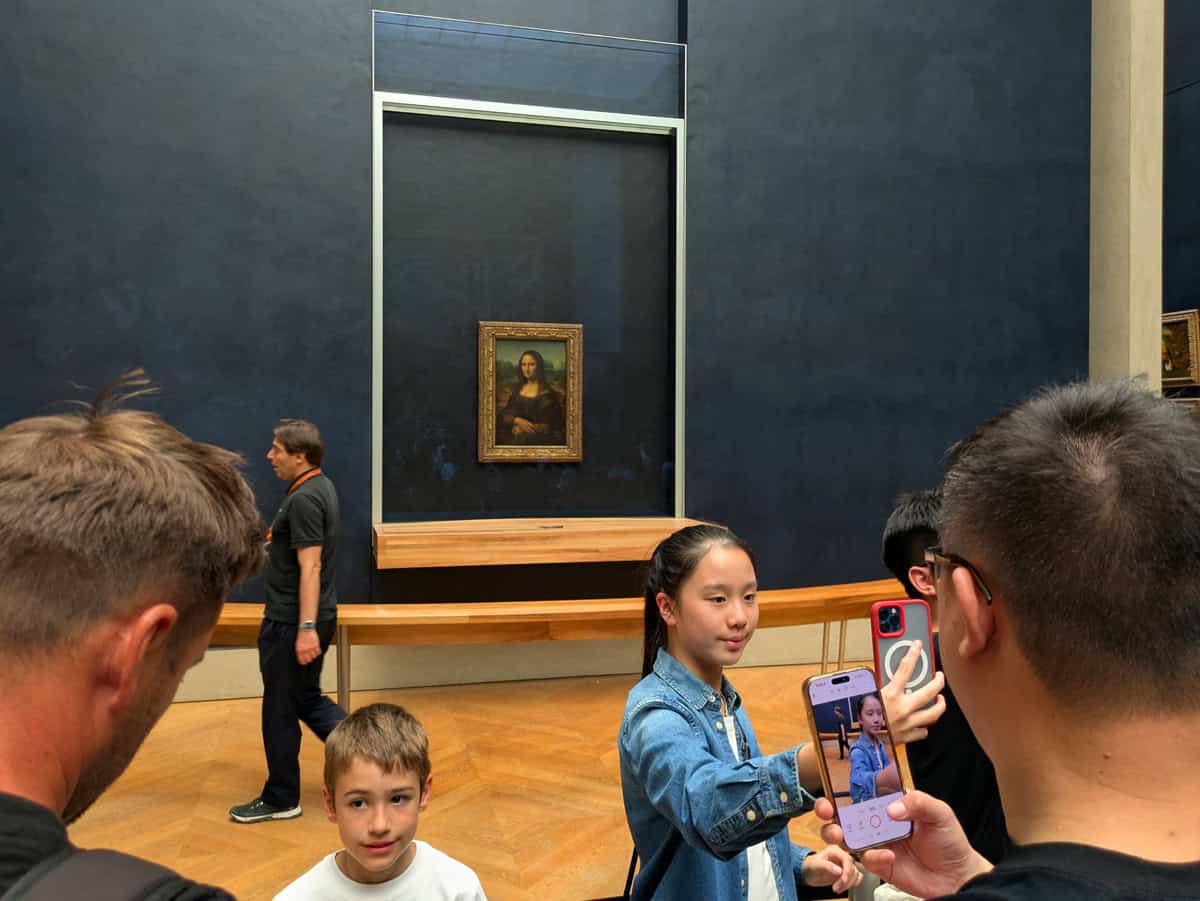
It is the largest museum in the world as well as the most visited museum. The Louvre covers sculptures (including some famous sculptures from the Greek period), Western art from the Middle ages up to 1848 (the most famous being da Vinci’s “Mona Lisa”), and antiquities dating back to early Egyptian, Greek and Eastern civilizations.
Some of the Louvre’s most famous works:
Mona Lisa – Leonardo da Vinci circa 1505
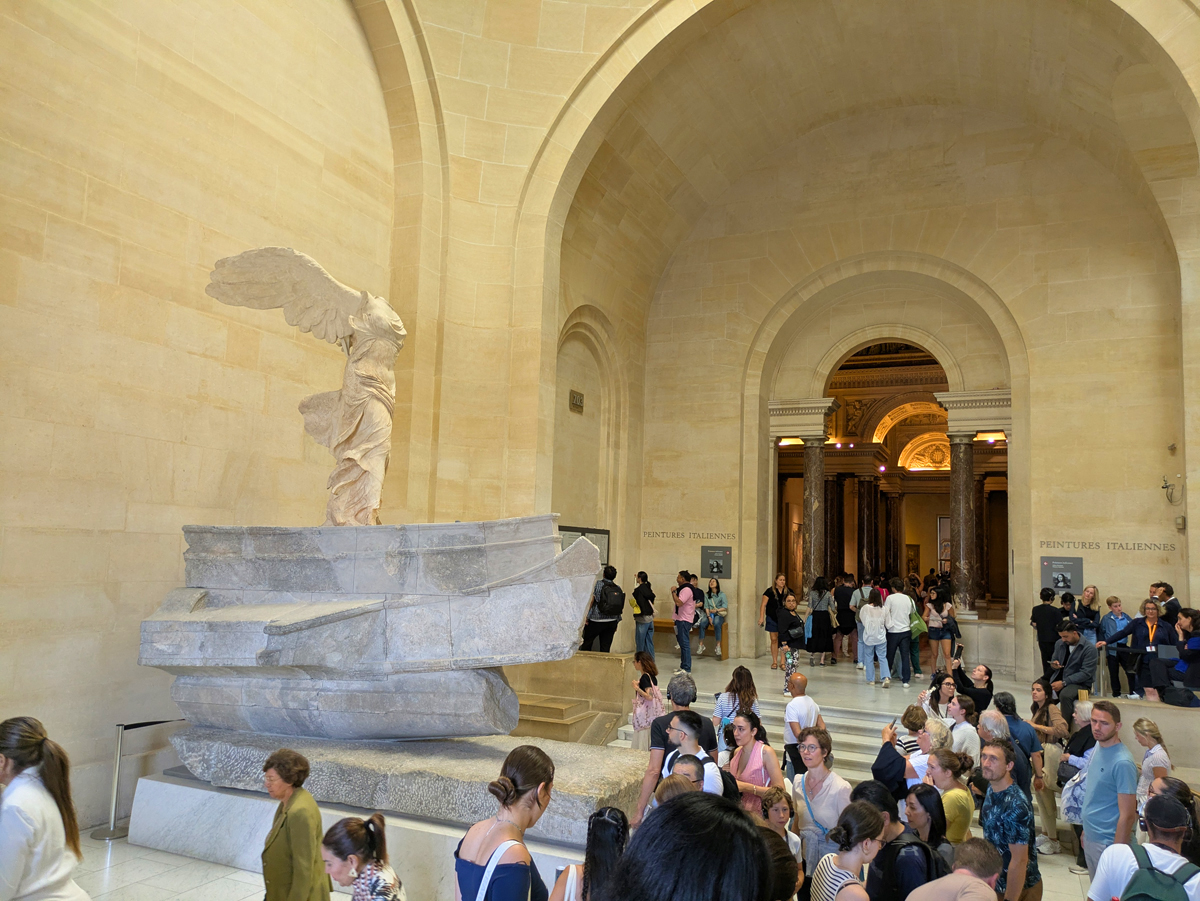
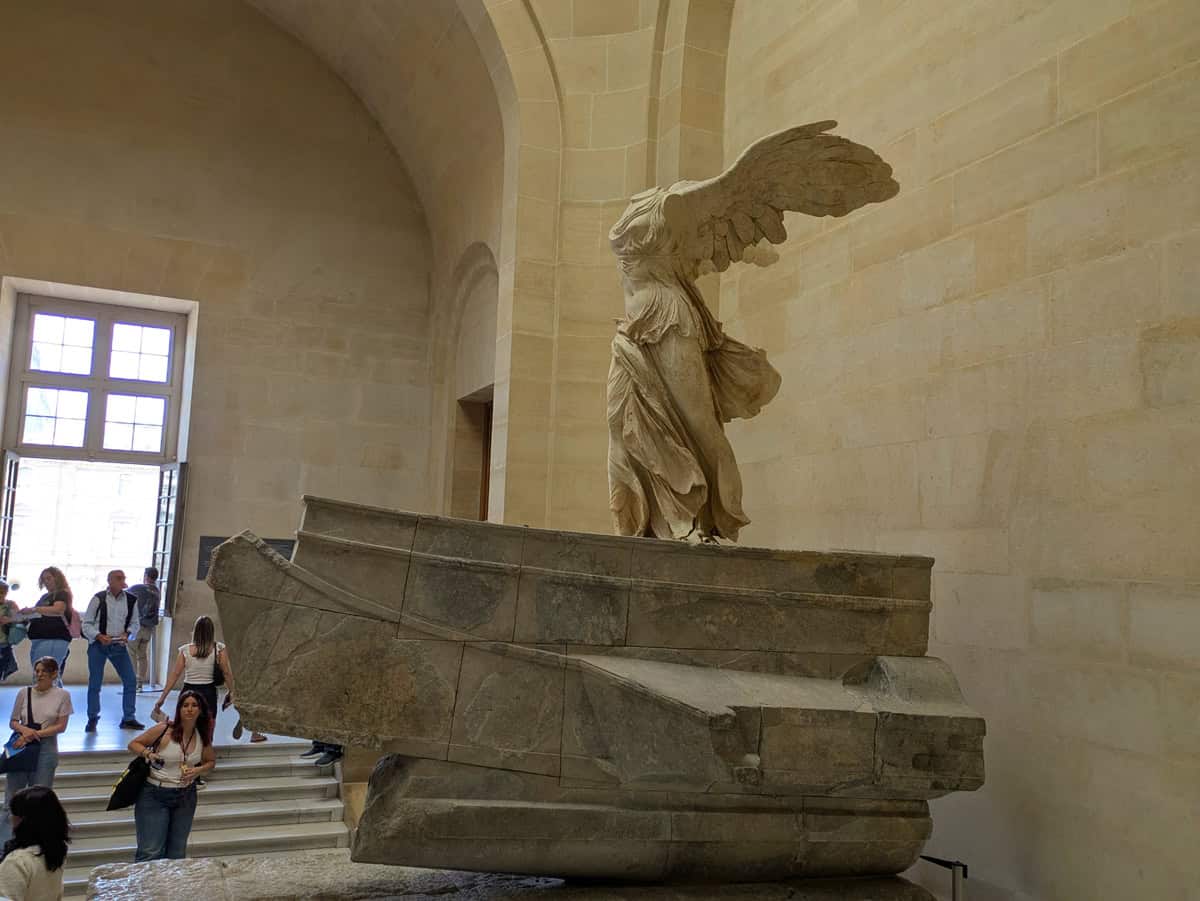
Winged Victory – 3.28-meter-tall Hellenistic marble statue of the Greek goddess Nike (dated circa 190 BC)
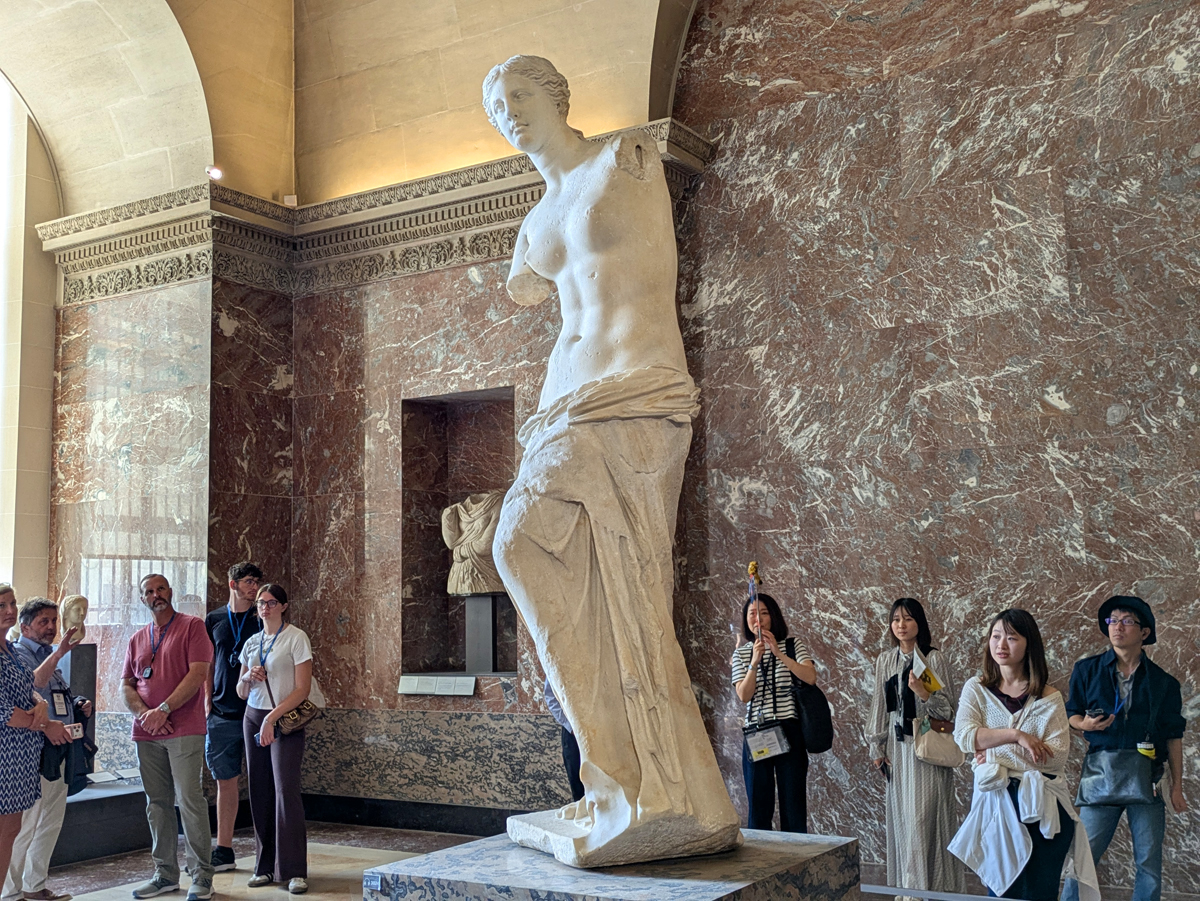
The Venus de Milo (or Aphrodite of Melos) – Greek marble sculpture that was created during the Hellenistic period between 160 – 110 BC
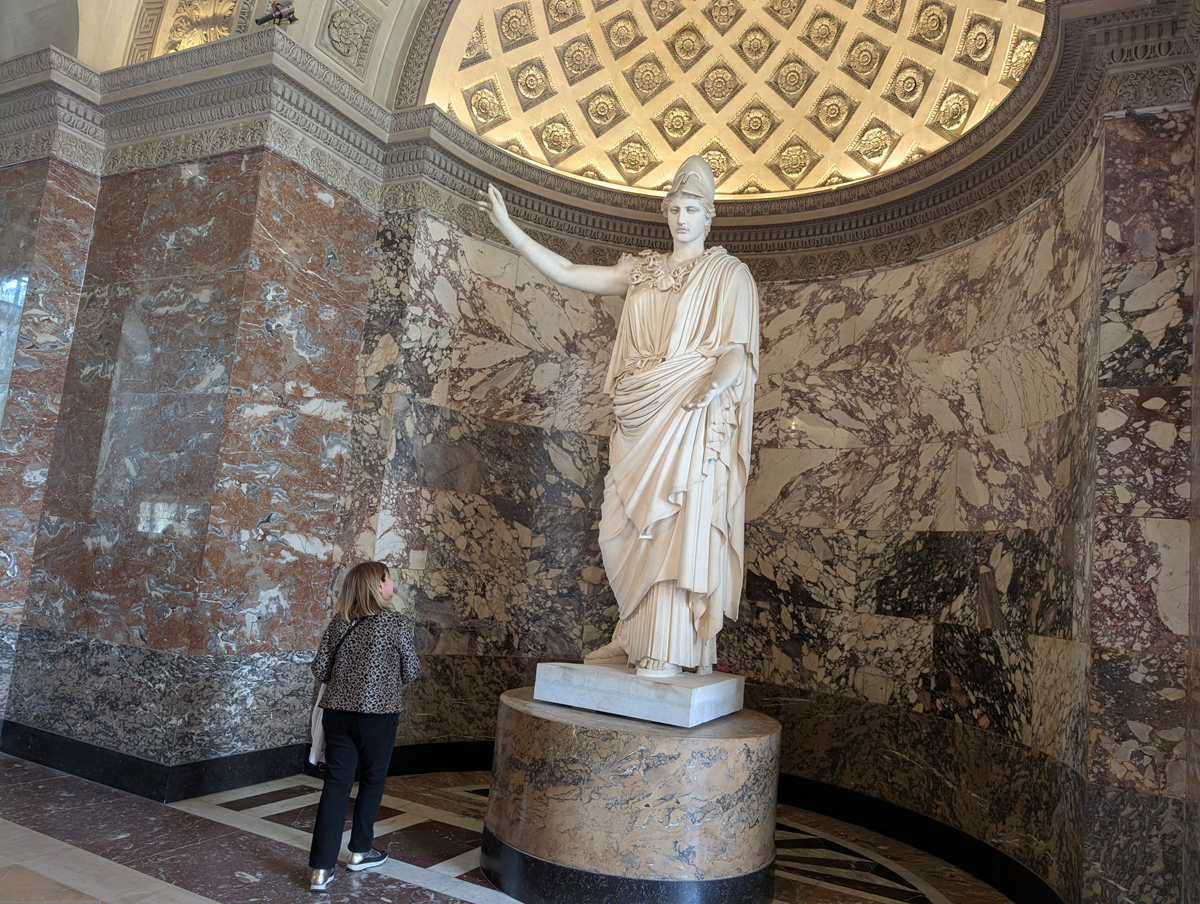
Athena of Velletri – The statue is a Roman copy of a lost Greek statue of Pericles (a general during the golden age of Athens). The original statue was sculpted by Kresilas and many copies have been made- but this 3.5m copy is the most famous. Found in the town of Velletri (near Rome) it dates from the 1st century BC.
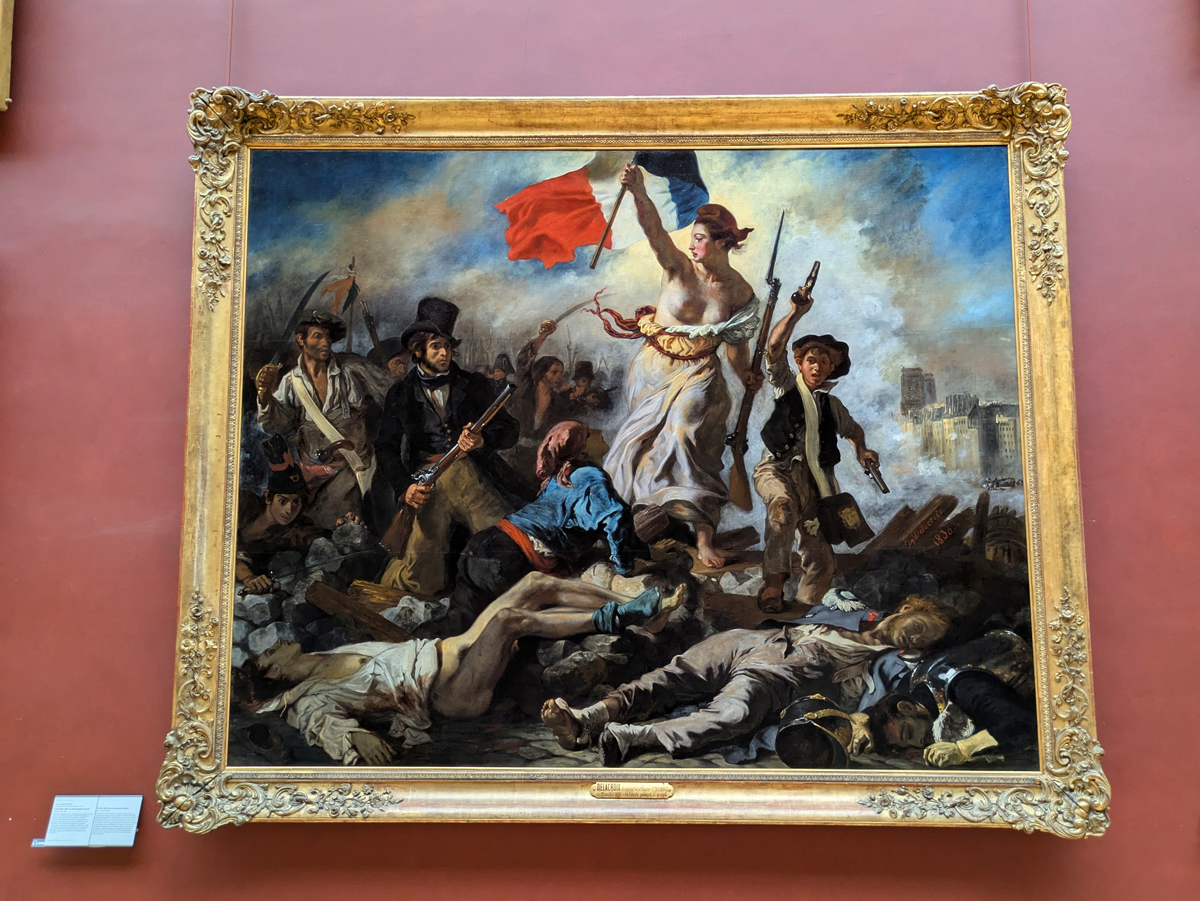
“Liberty leading the people”– Eugène Delacroix (1830)
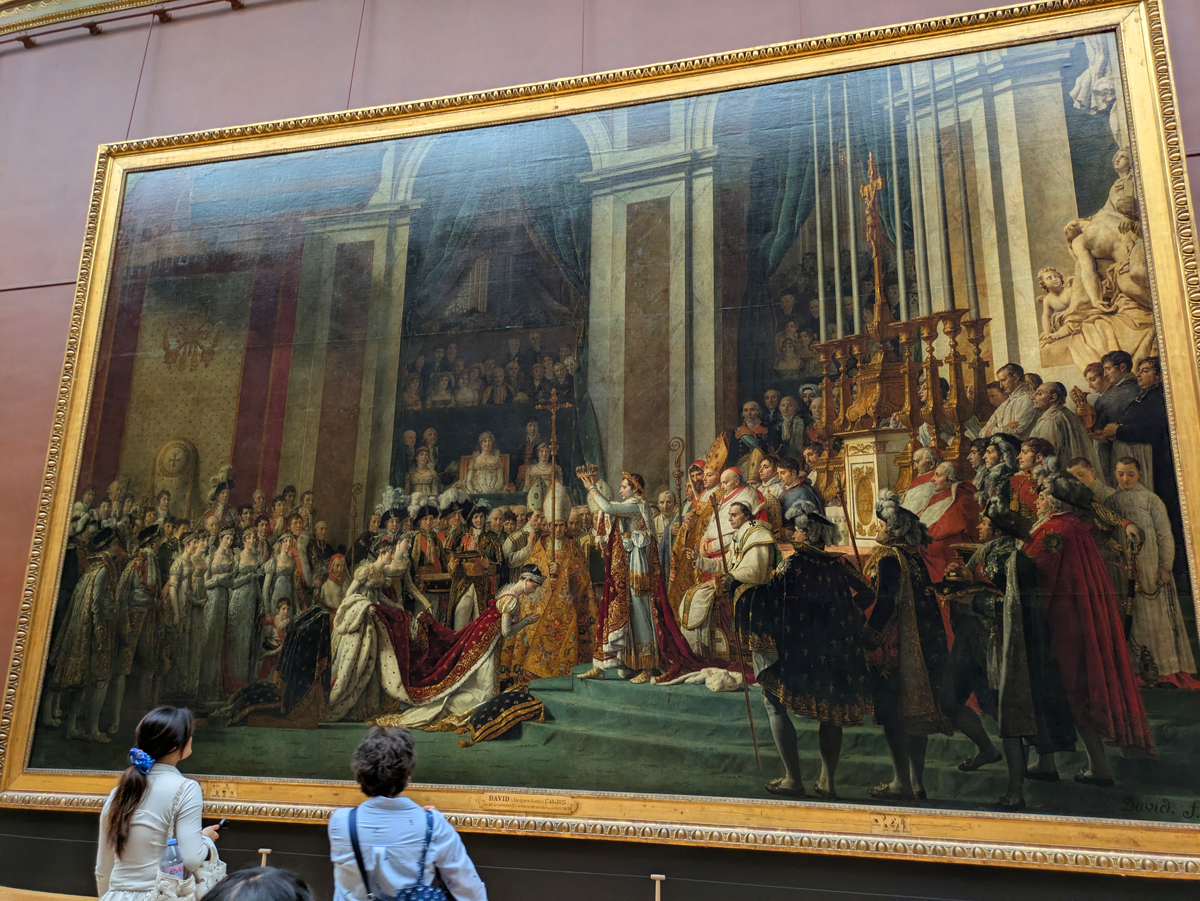
“The Coronation of Napoleon”– Jacques-Louis David (1805–1807)
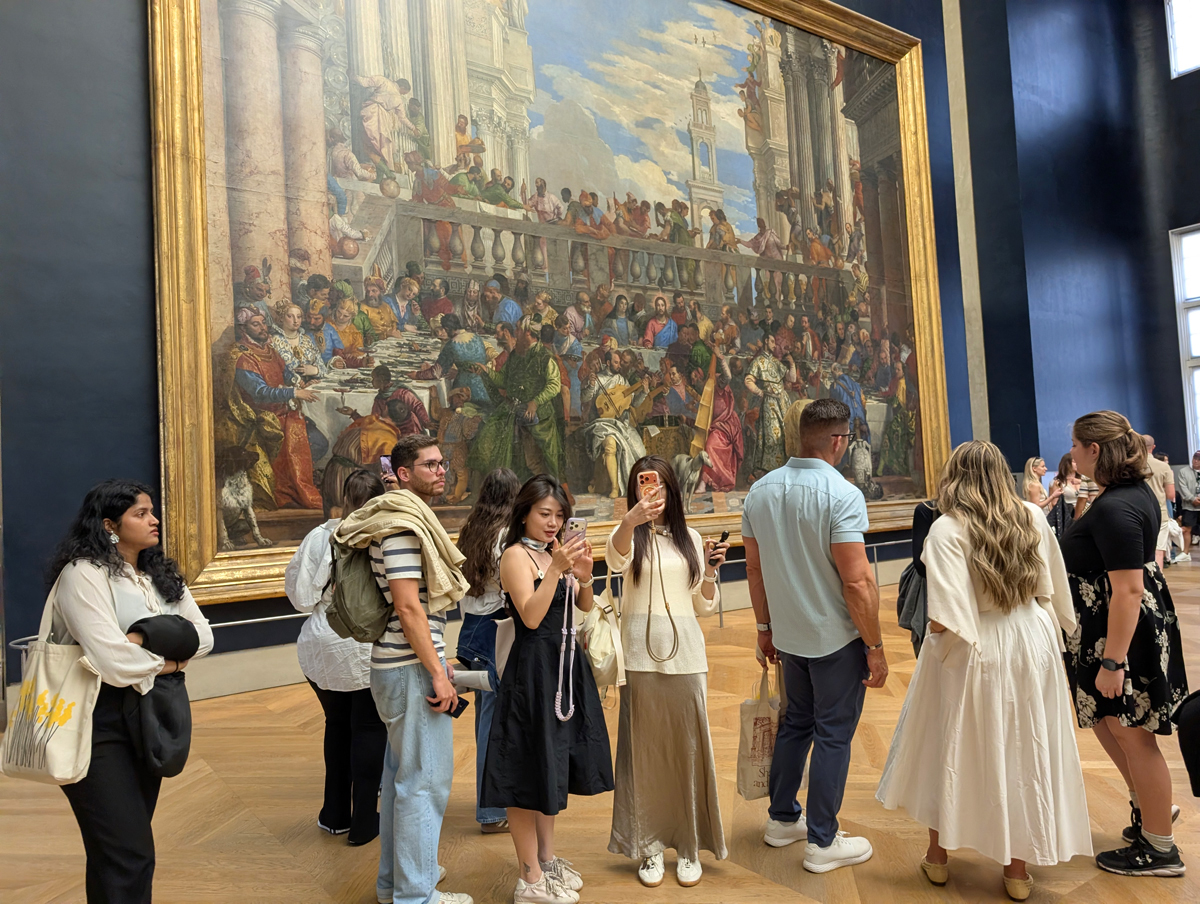
“The Wedding at Cana” – Paolo Veronese (1563)
That’s just the tip of the iceberg, there are approximately 35,000 pieces of artwork on display at the Louvre, all famous in their own right.
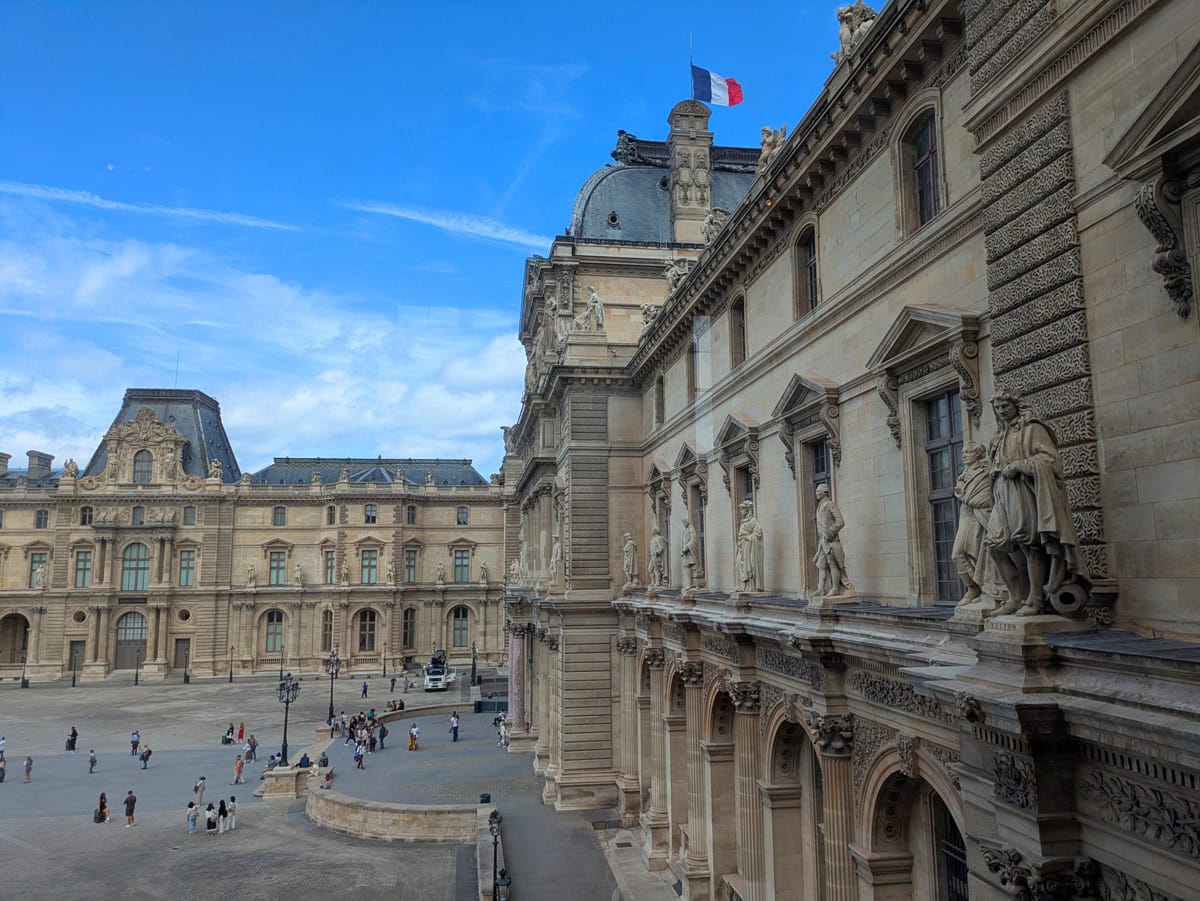
The Louvre itself has history: it was originally a fortress built around 1190 AD to protect the city from attack (you can see remnants in the crypt). In the 14th century, Charles V converted the building from its military role into a residence. In 1546, Francis I started its rebuilding in French Renaissance style. After Louis XIV chose Versailles as the Royal residence in 1682, it started being used as a residence for artists. Funded by the Royals, the Louvre started collecting work from around the world. In 1673 it became an art gallery for privileged art lovers. It finally became a public museum in 1793.
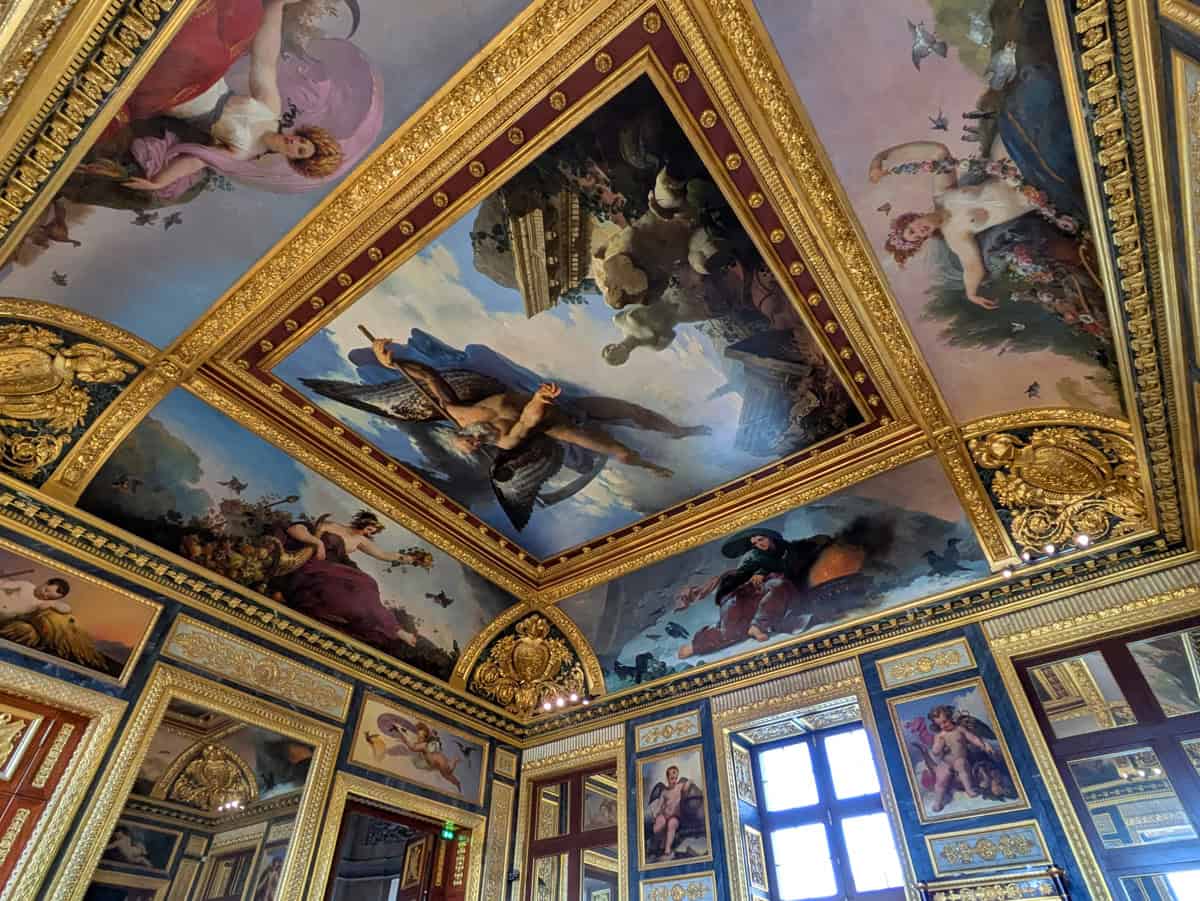
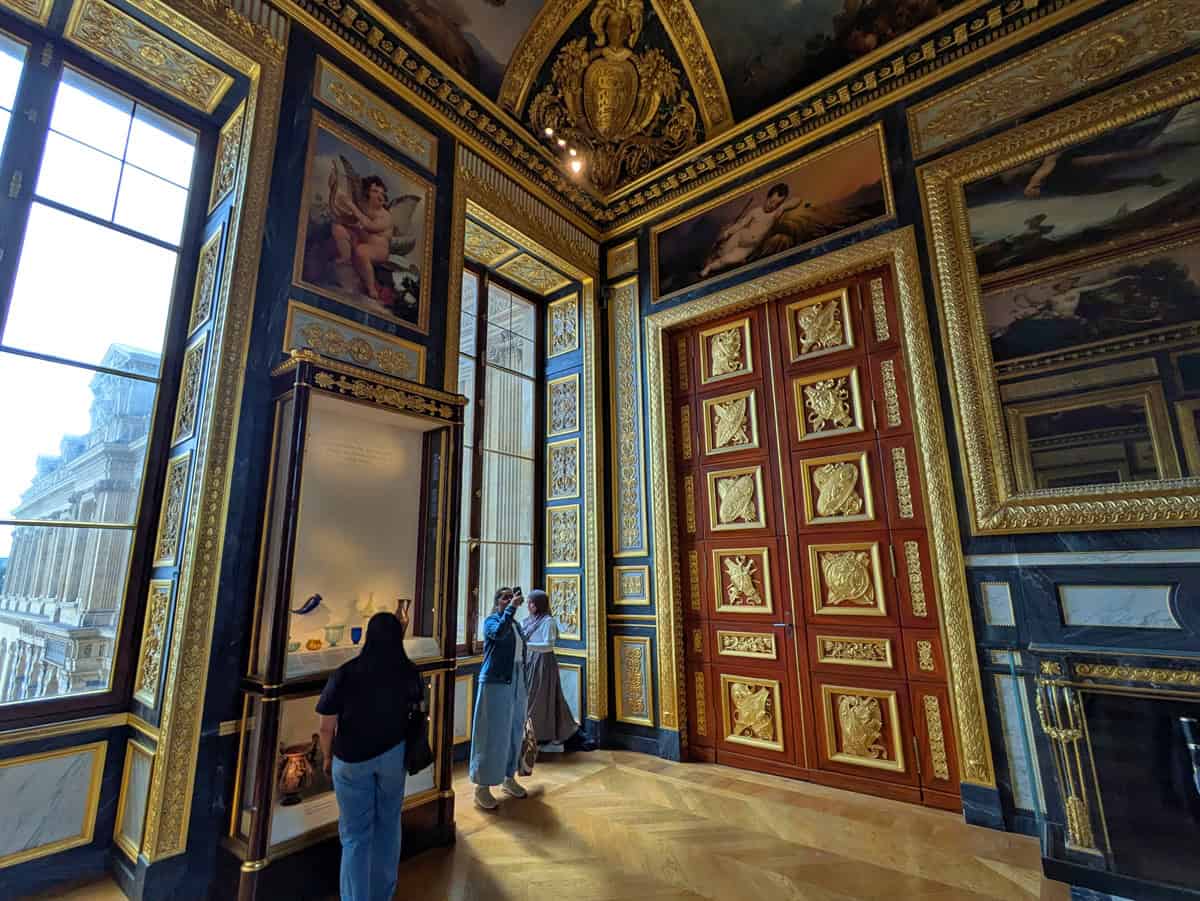
You’ll also see the Napeleon III apartments in the Richelieu wing of the Louvre. They date from 1857 – 1861 when they were used as offices and reception halls for the Minister of State.
Seeing the Louvre: I mentioned up top that touring the 1st Arrondissement can be done in a day. That does not include a visit to the Louvre. The Louvre alone will take 3 hours (minimum).
Most people tell you that you have to book Louvre tickets way in advance. We bought them for the same day, maybe we were lucky (this was in early June).
Note: make sure you get your tickets on the official website. Tickets for EU visitors was 22 Euros, for non-EU visitors 32 Euros. Beware of fake websites who look very much like the Louvre website but who charge 3 times more…
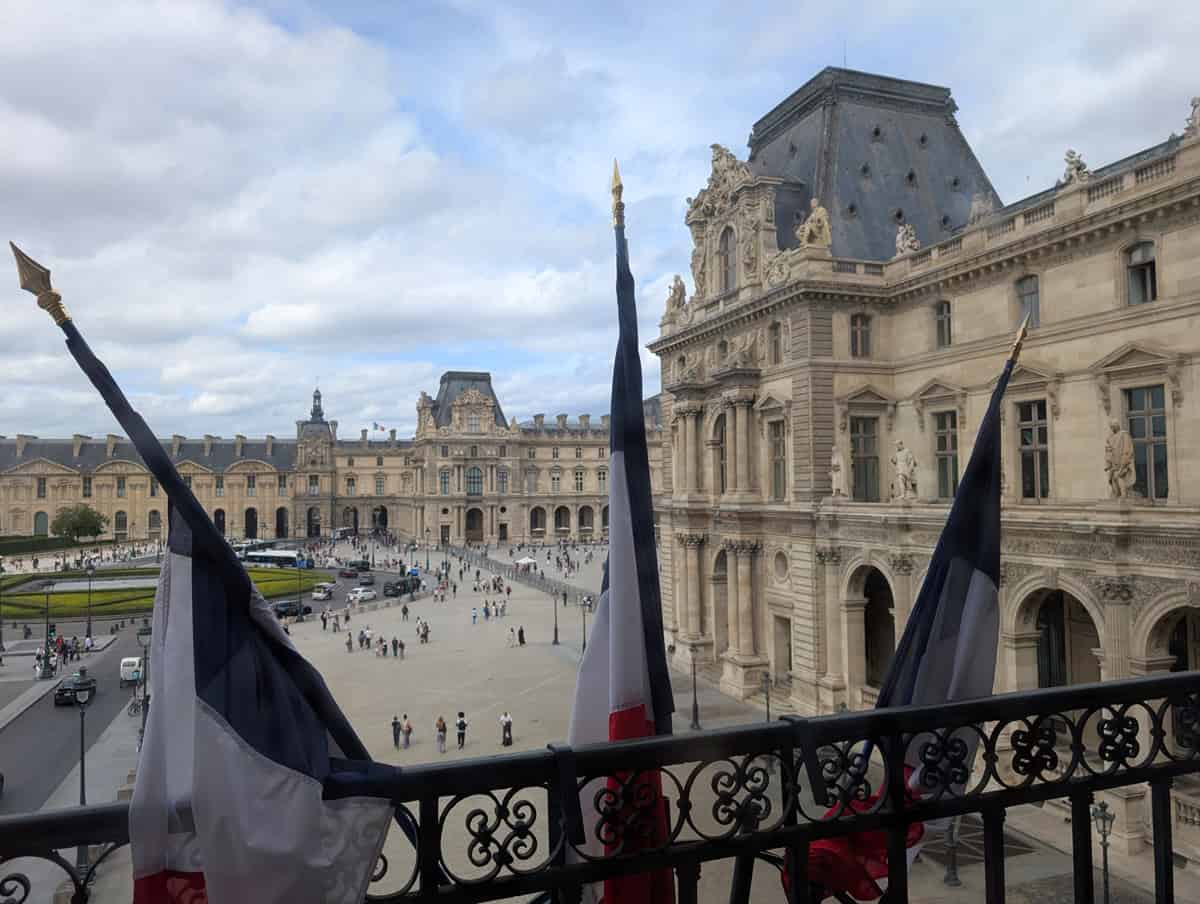
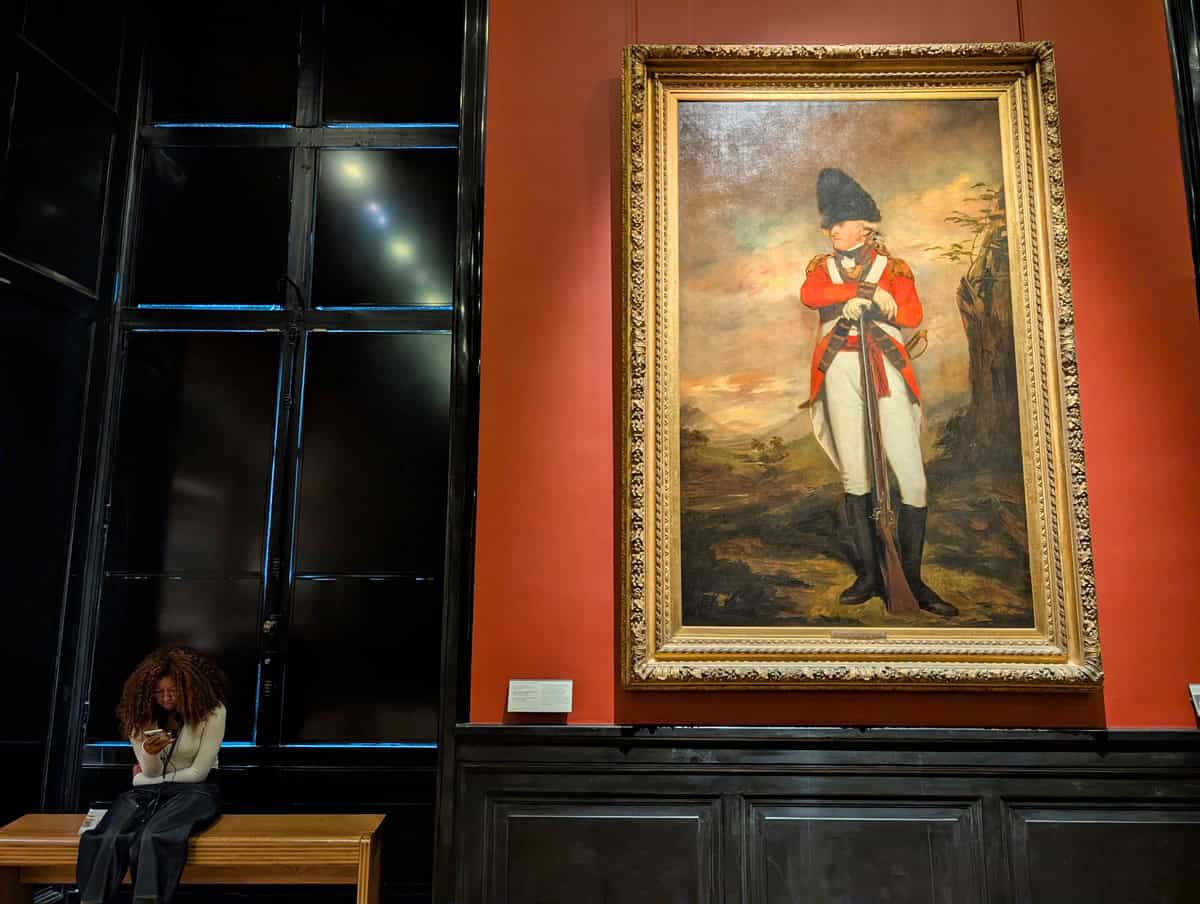
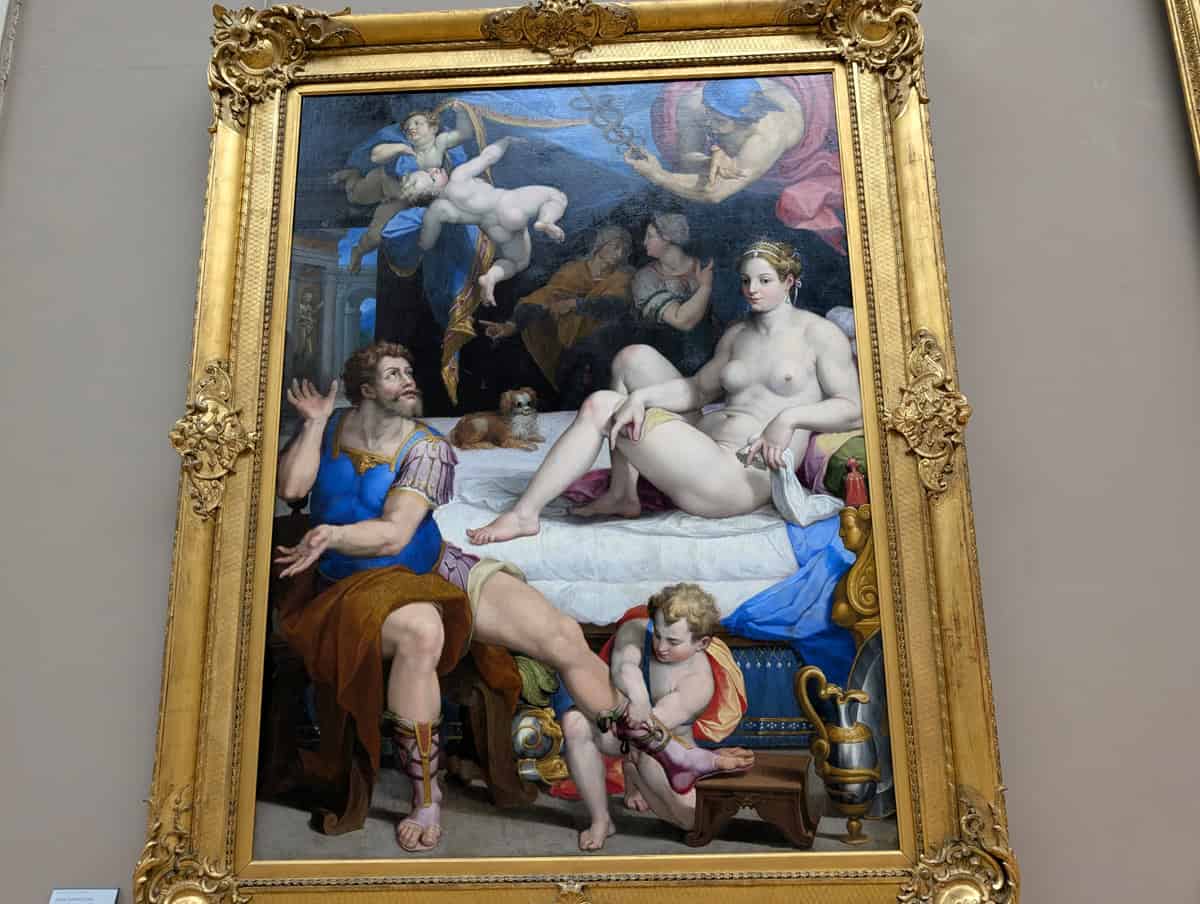
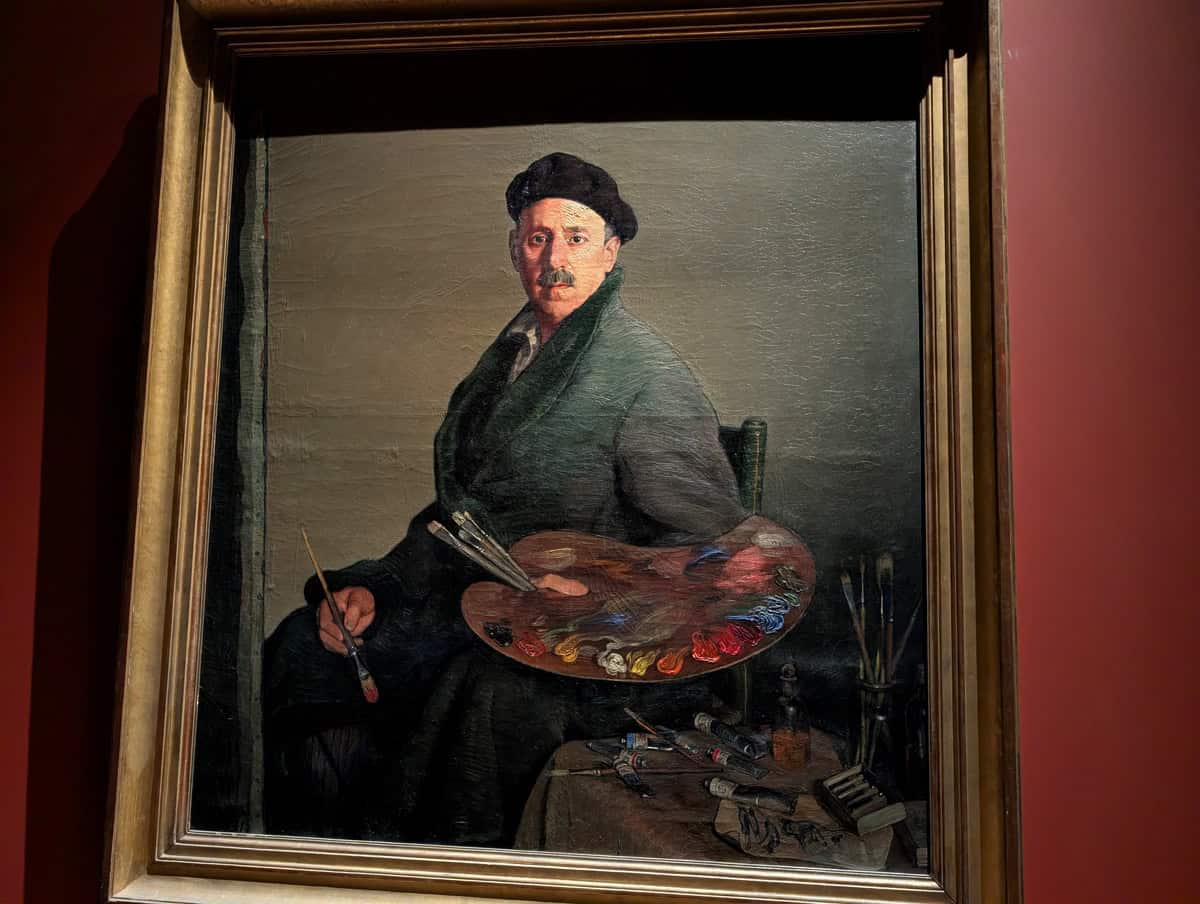
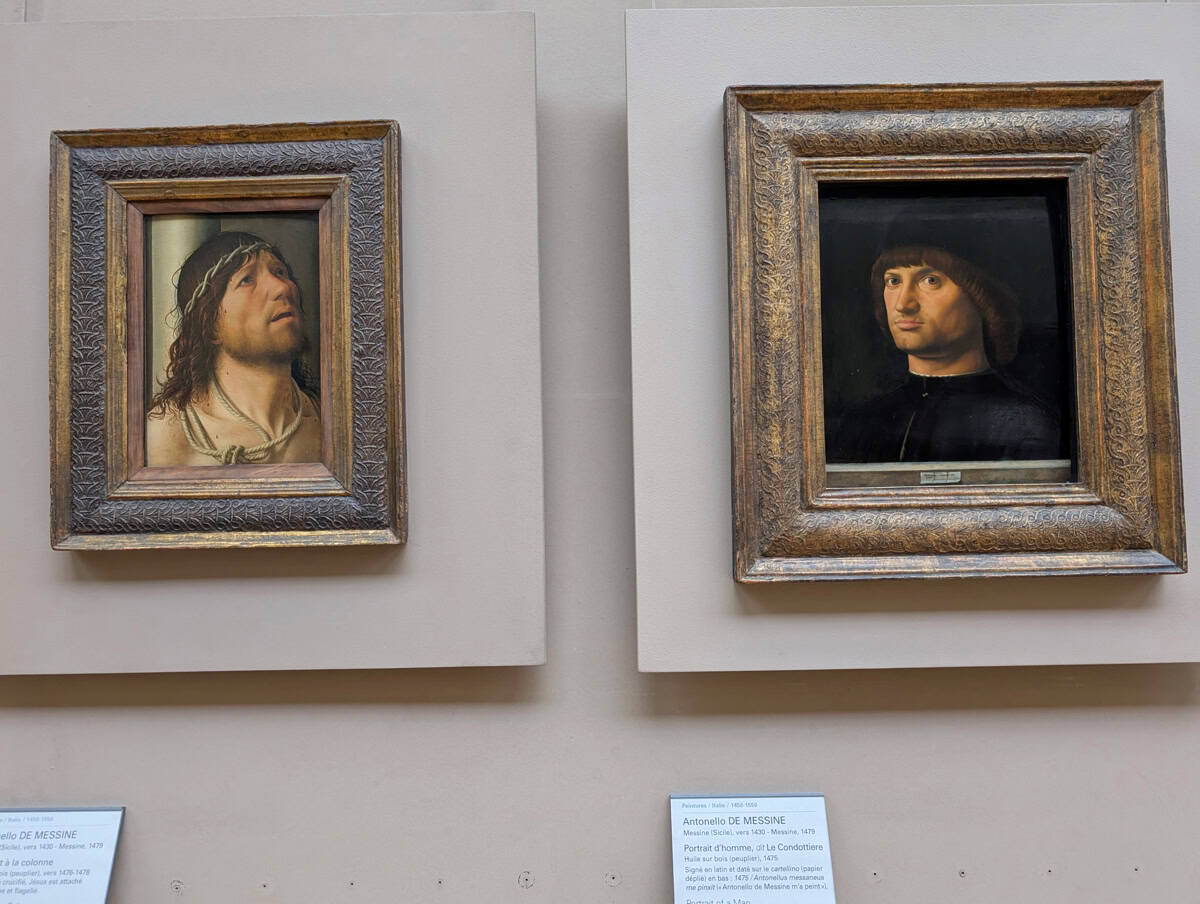
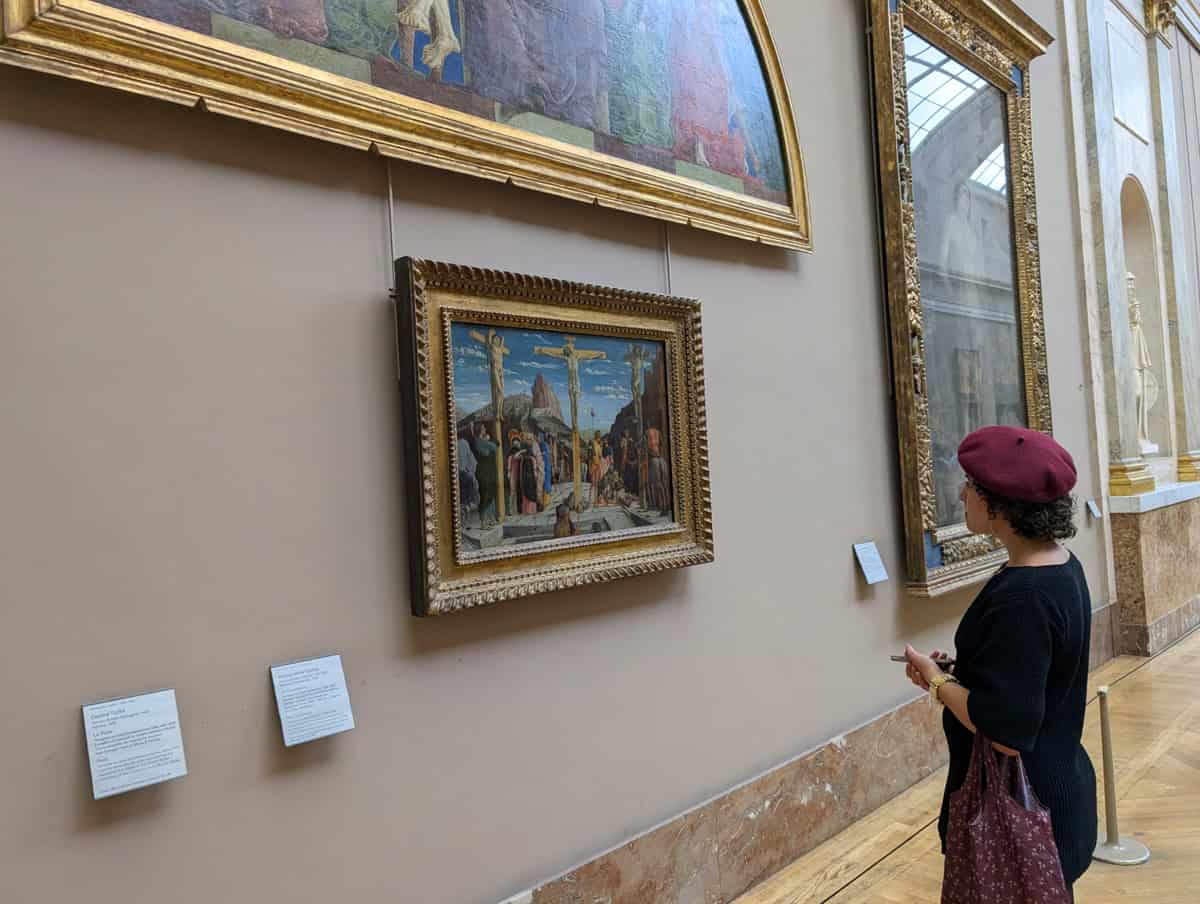
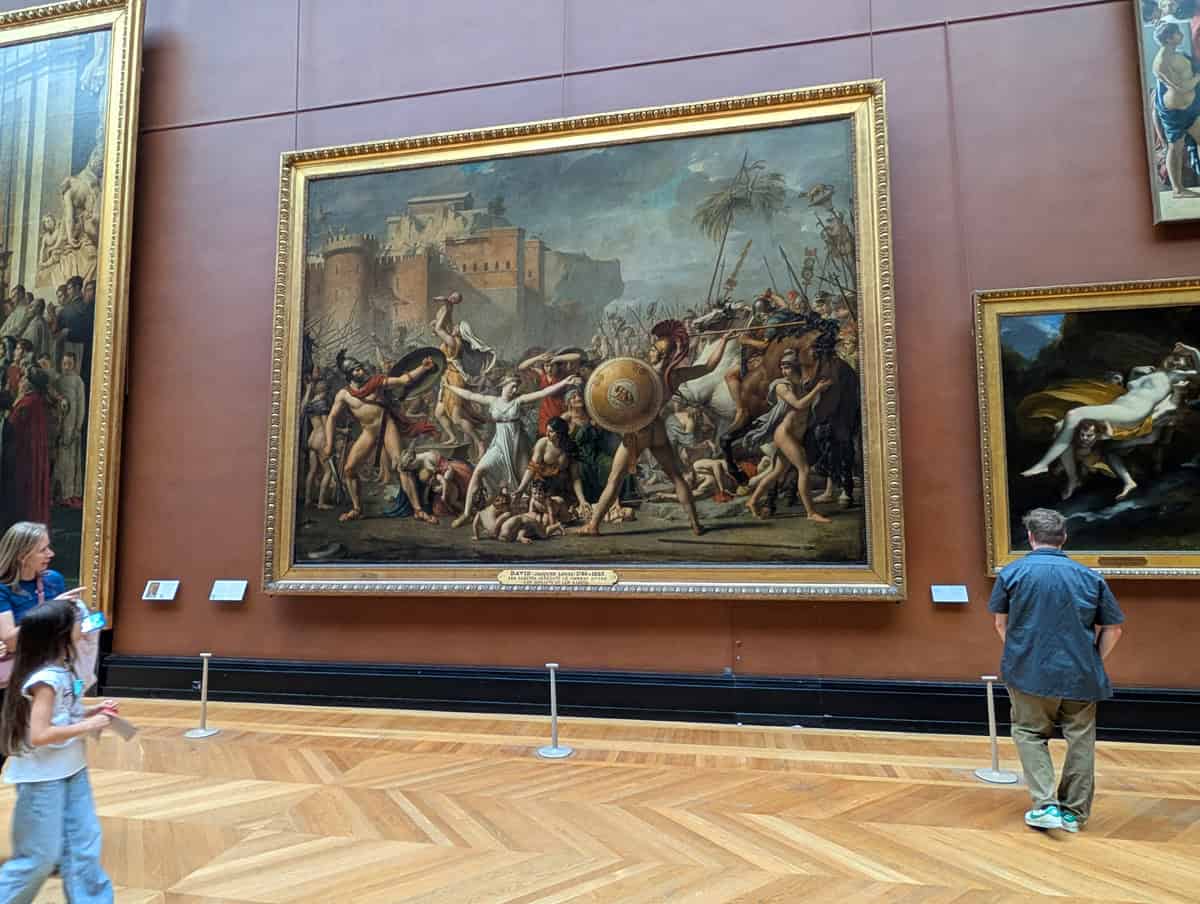
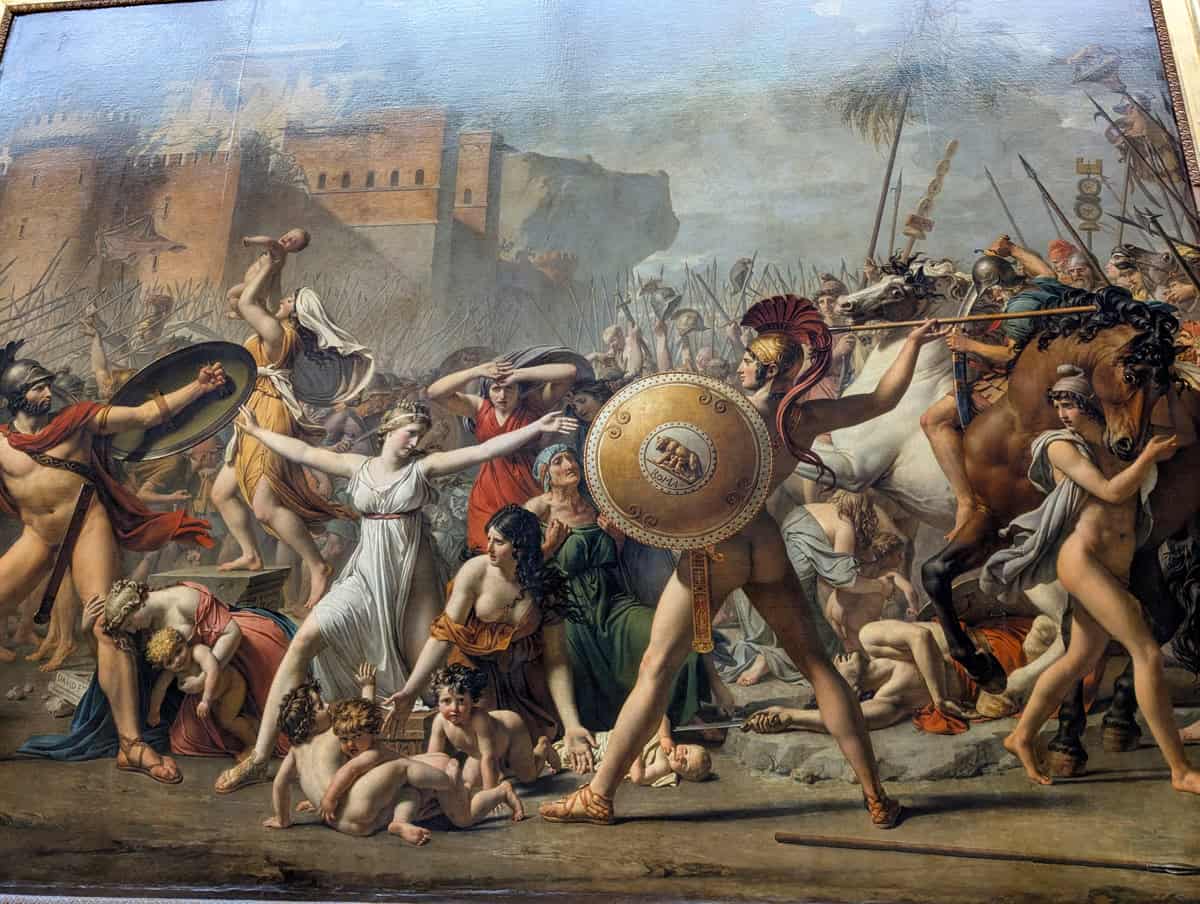
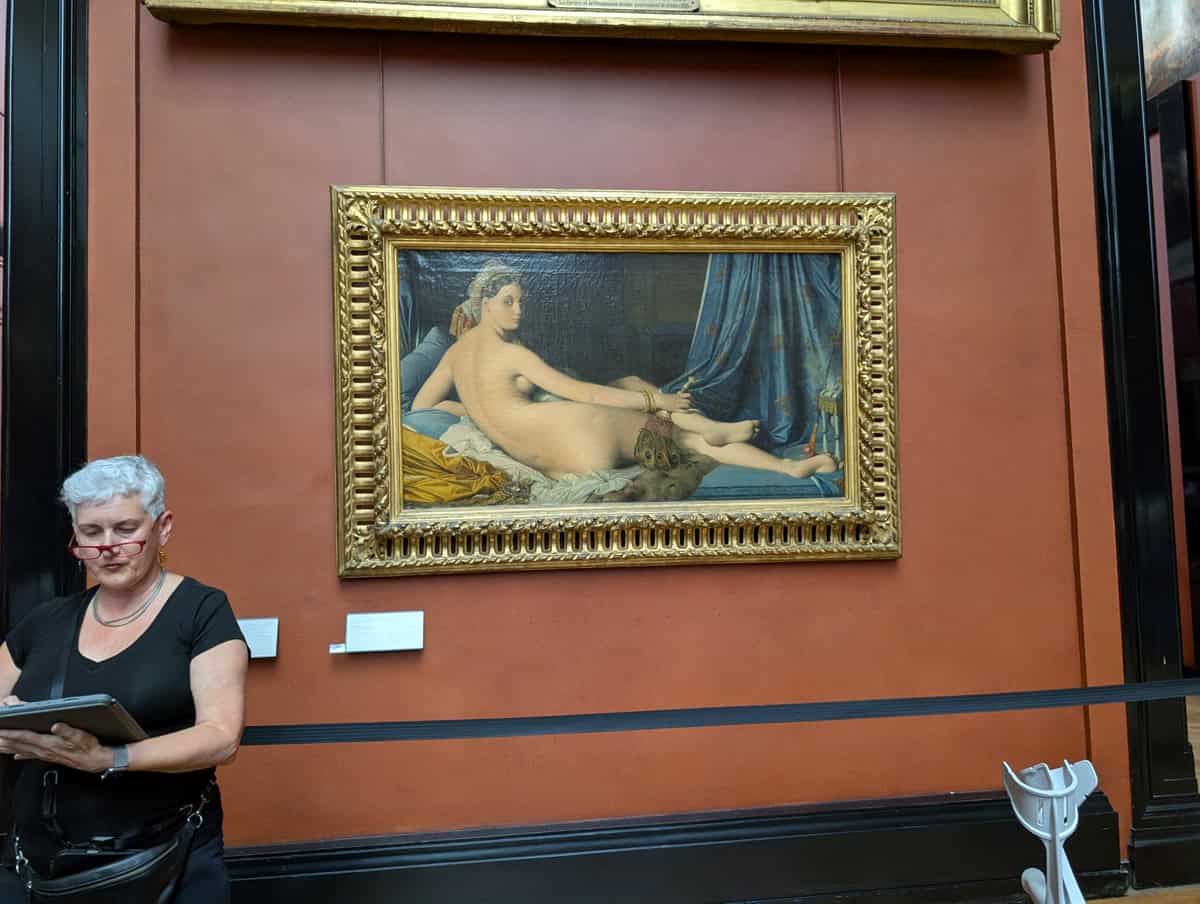
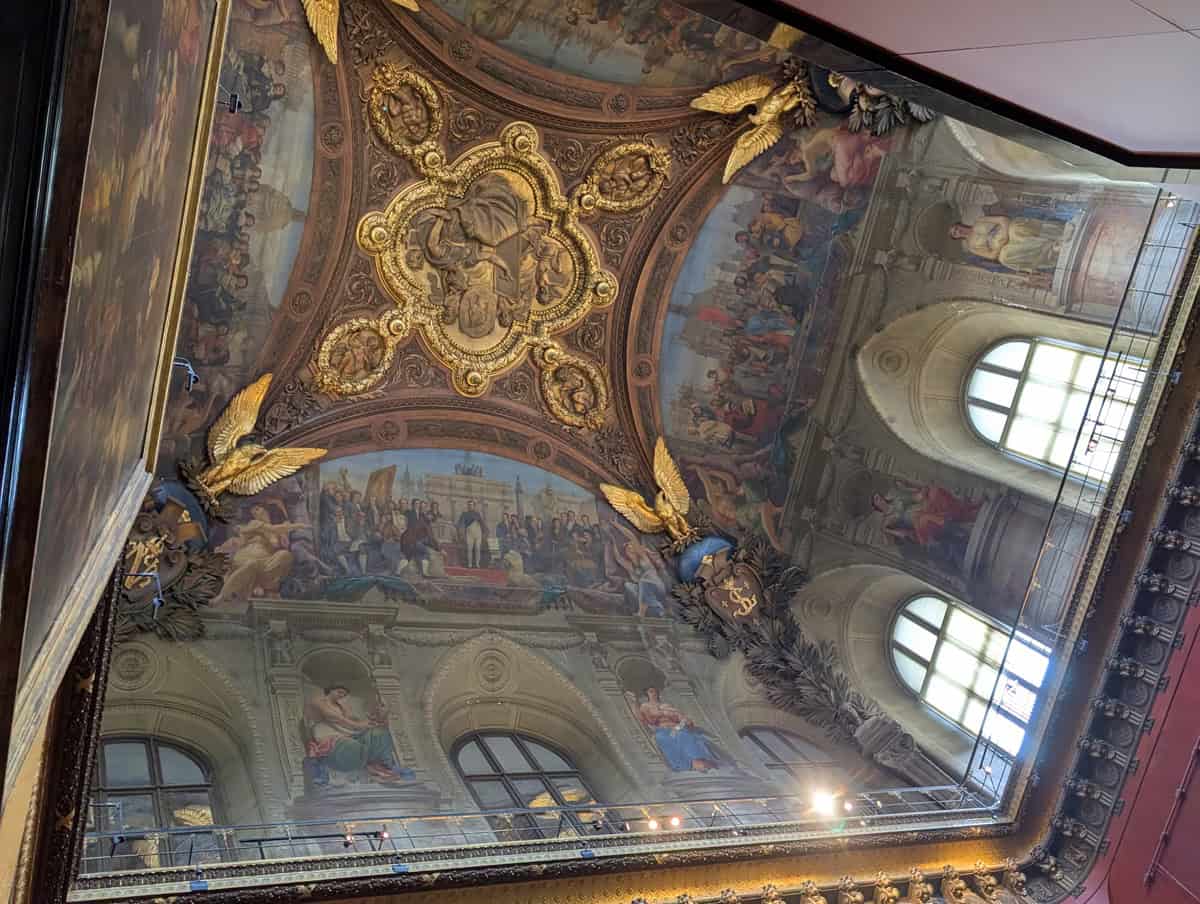
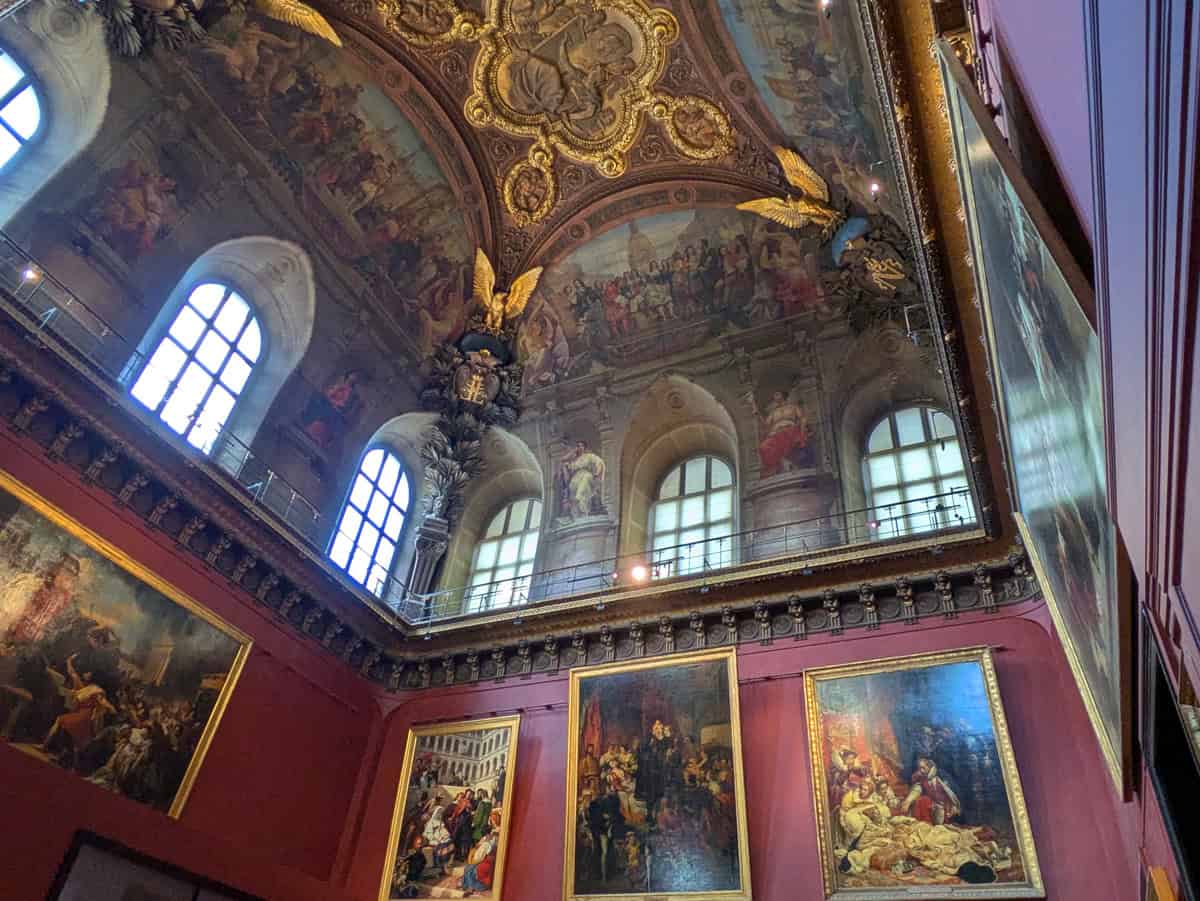
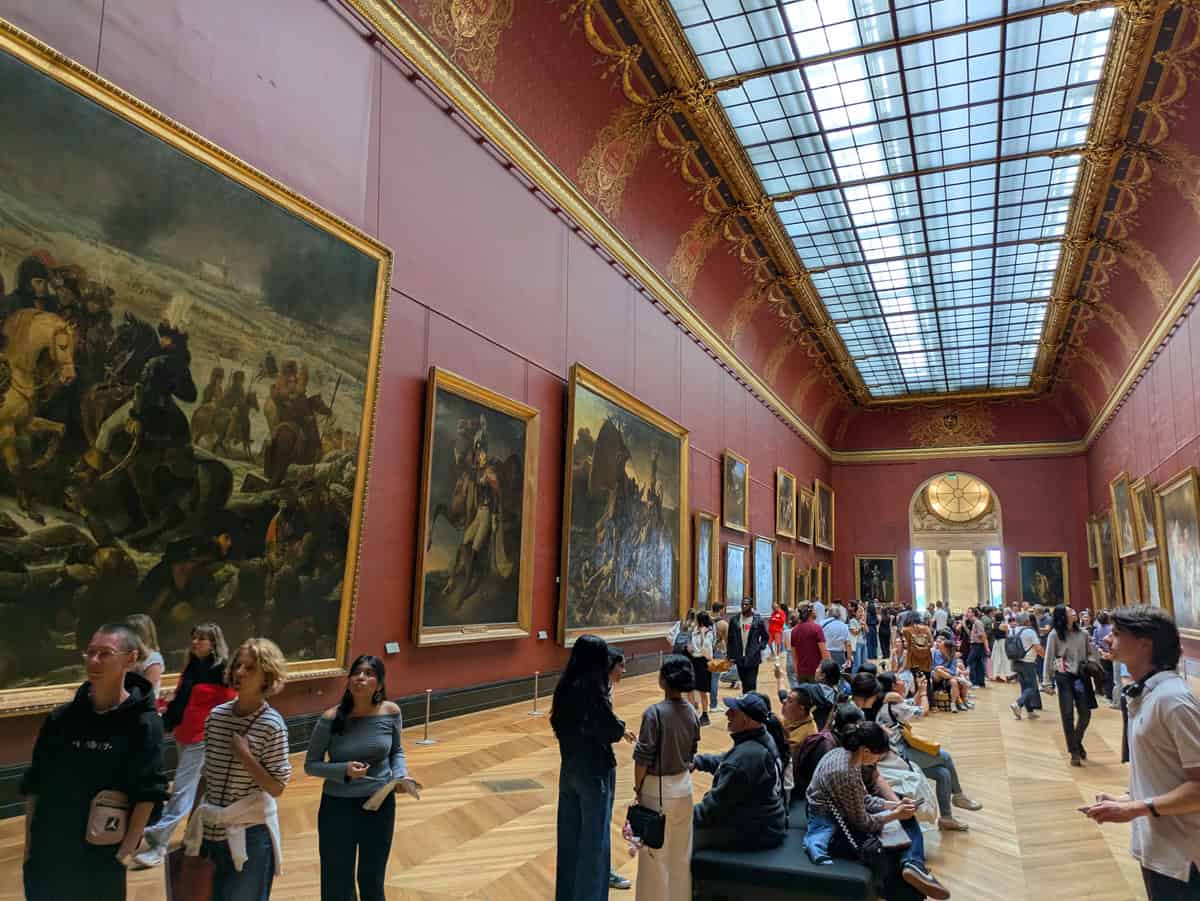
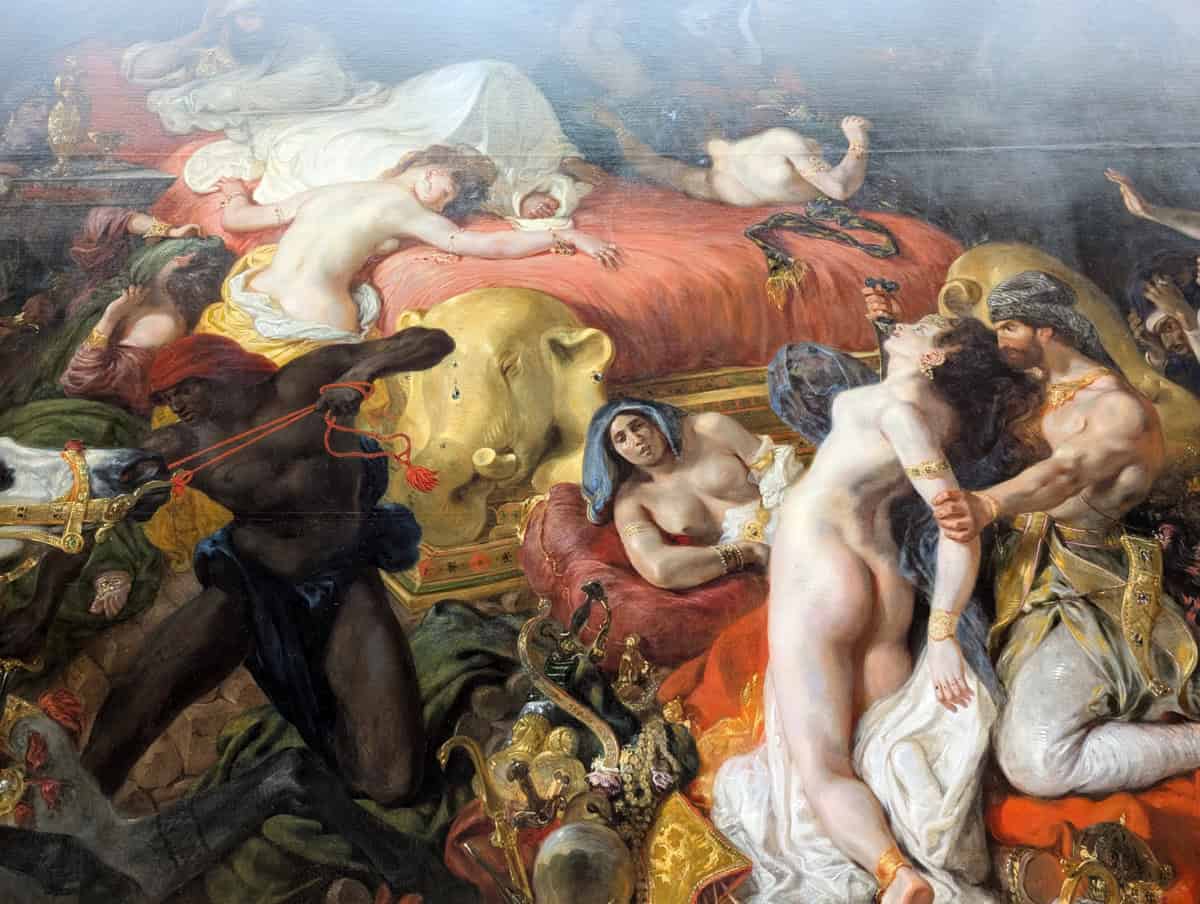
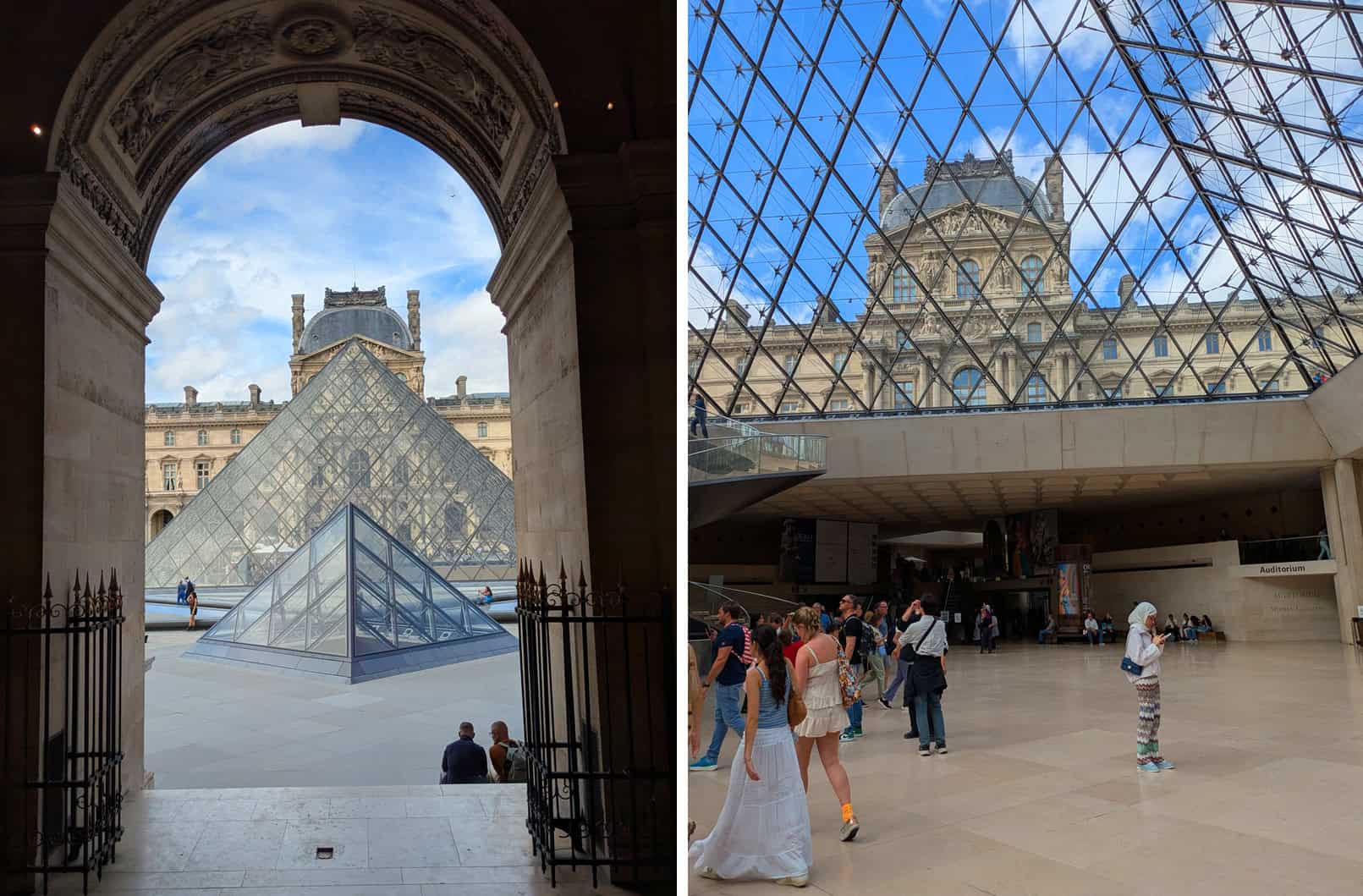
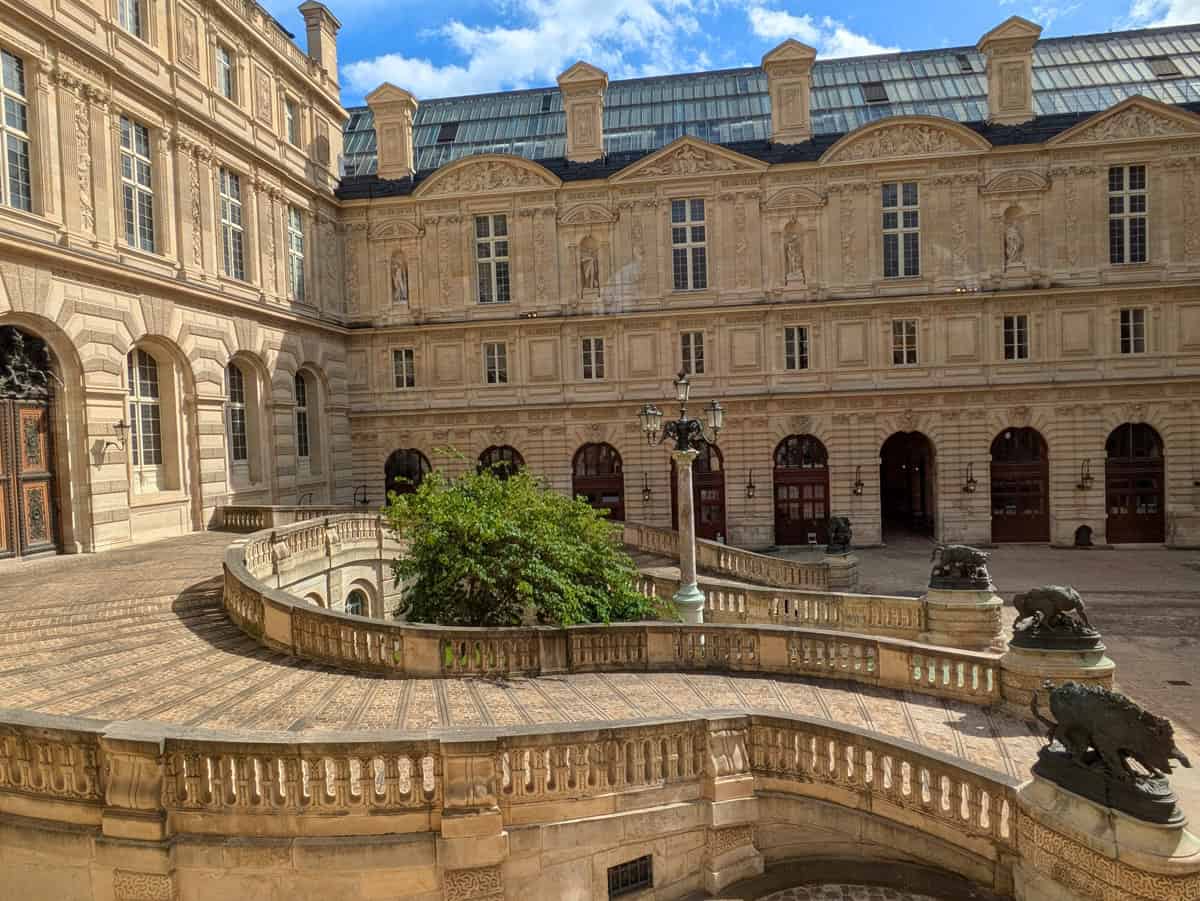
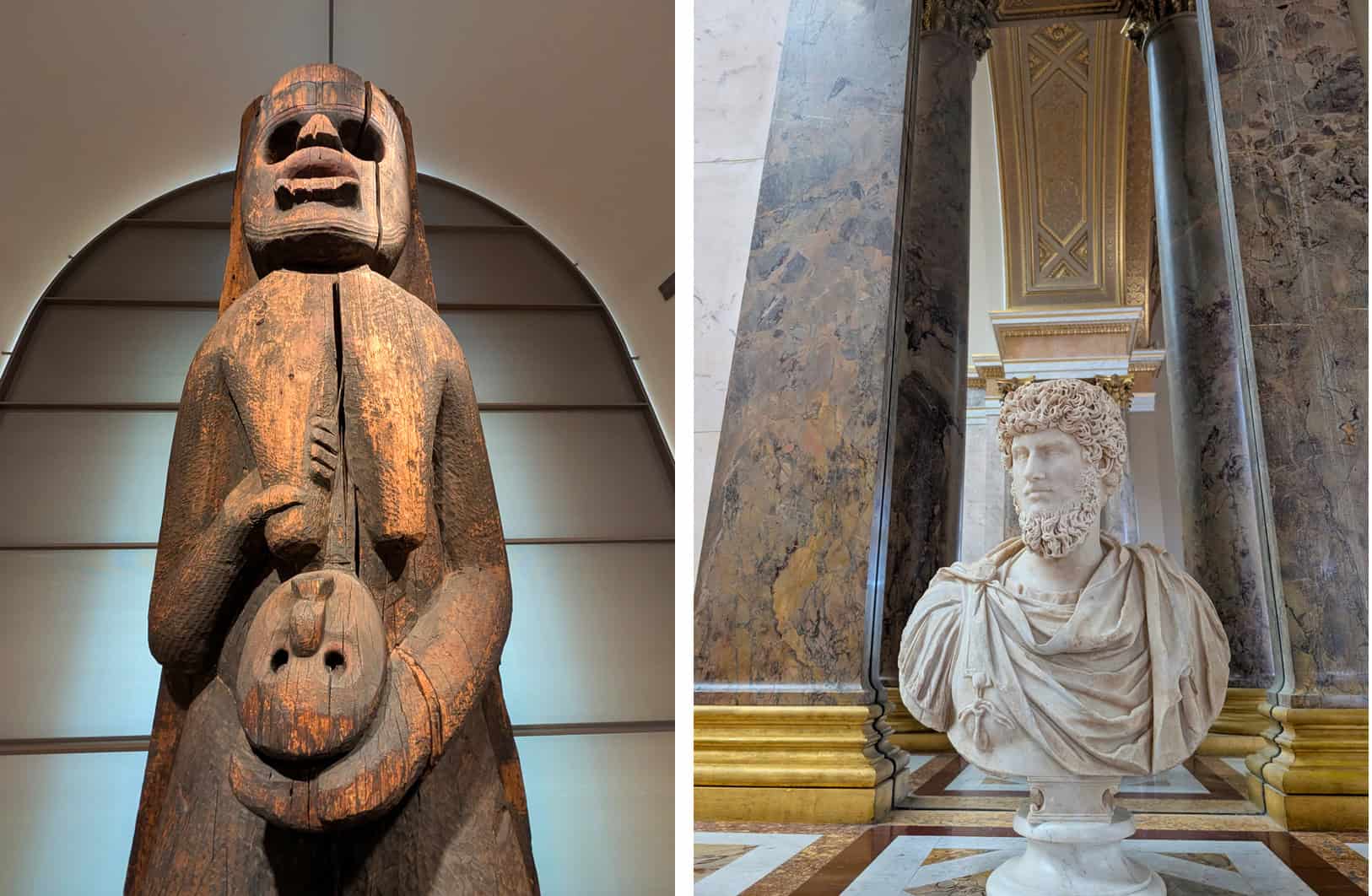
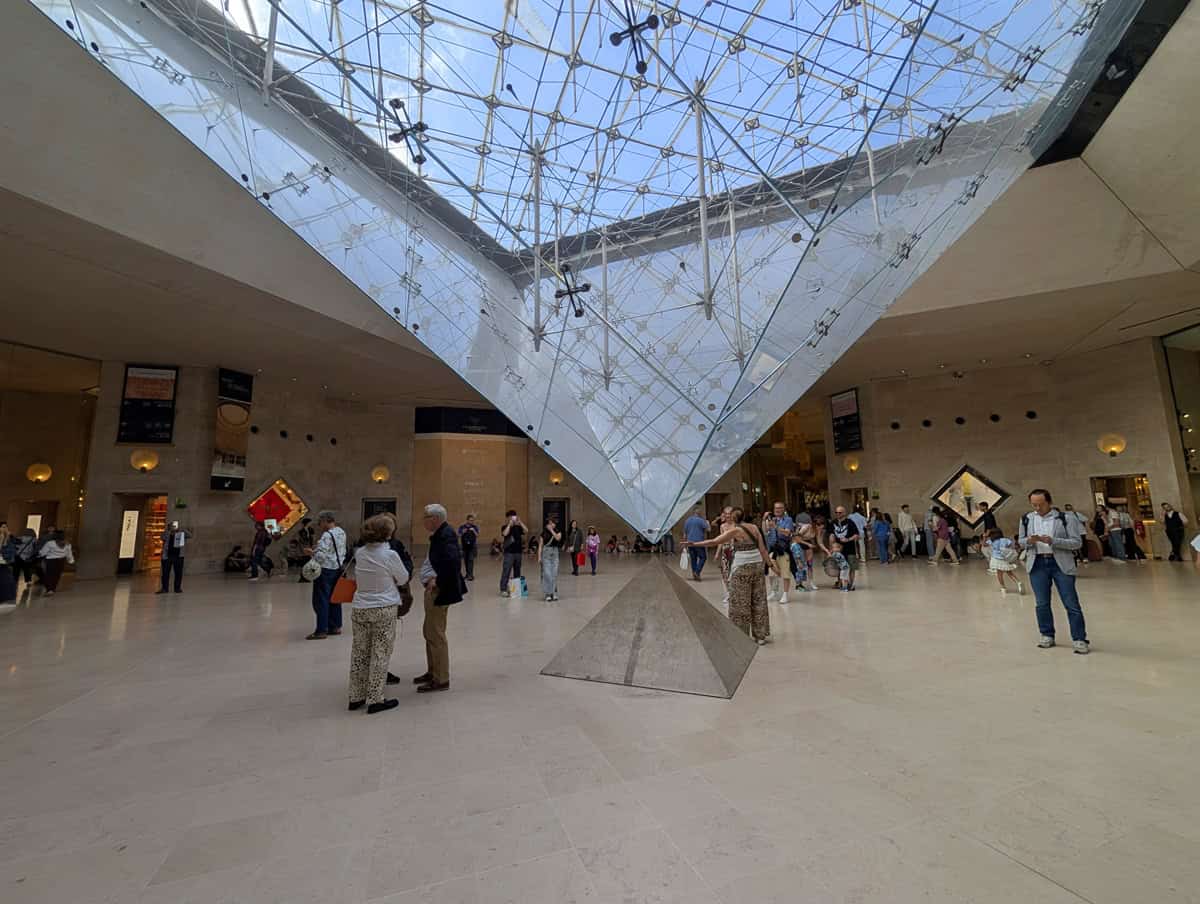
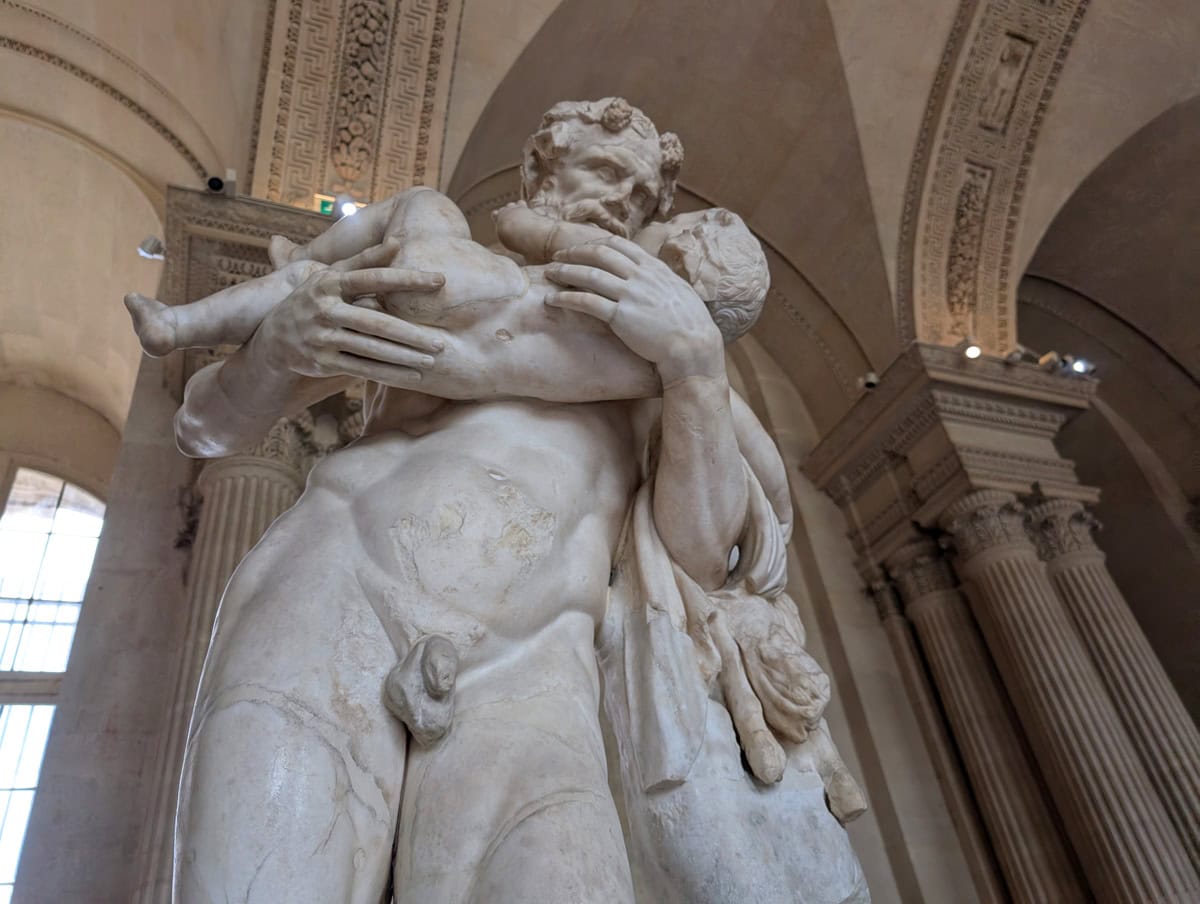
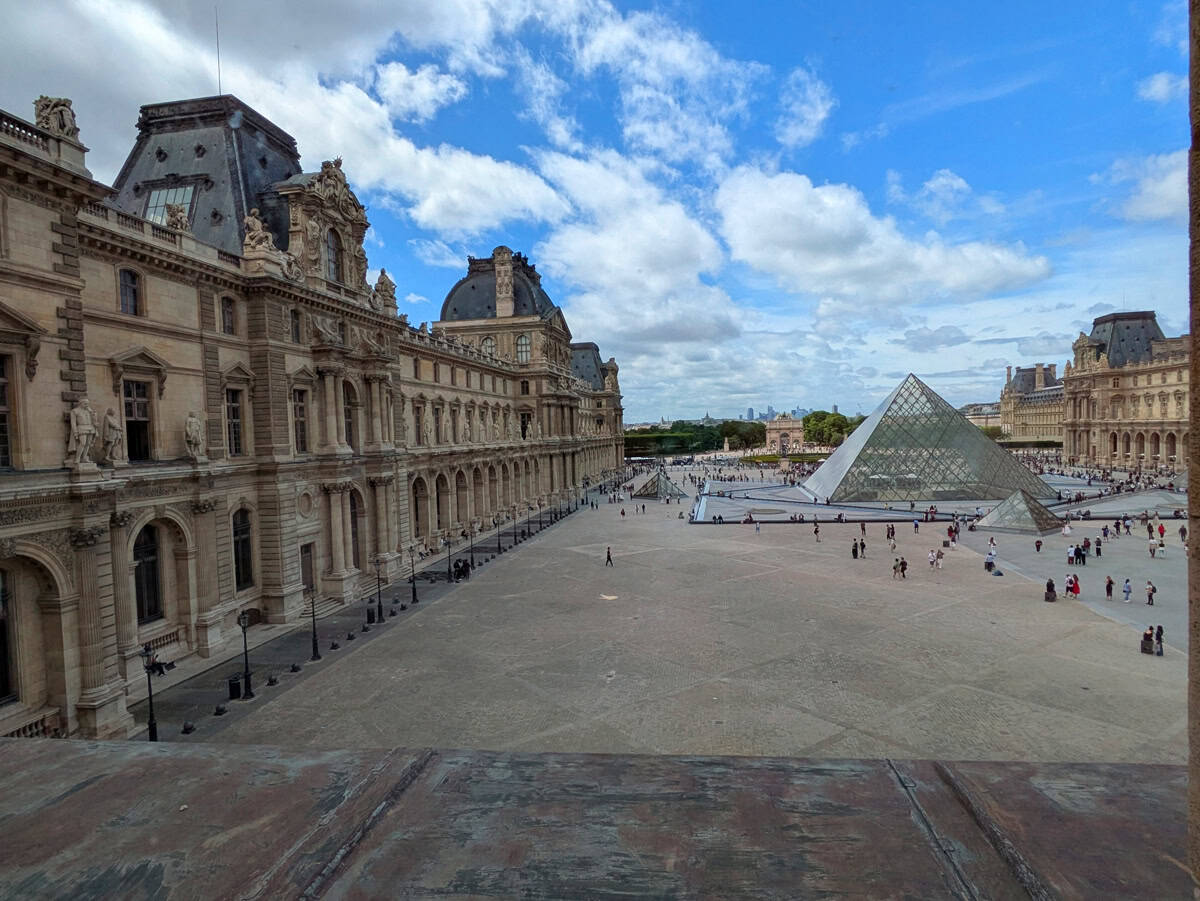
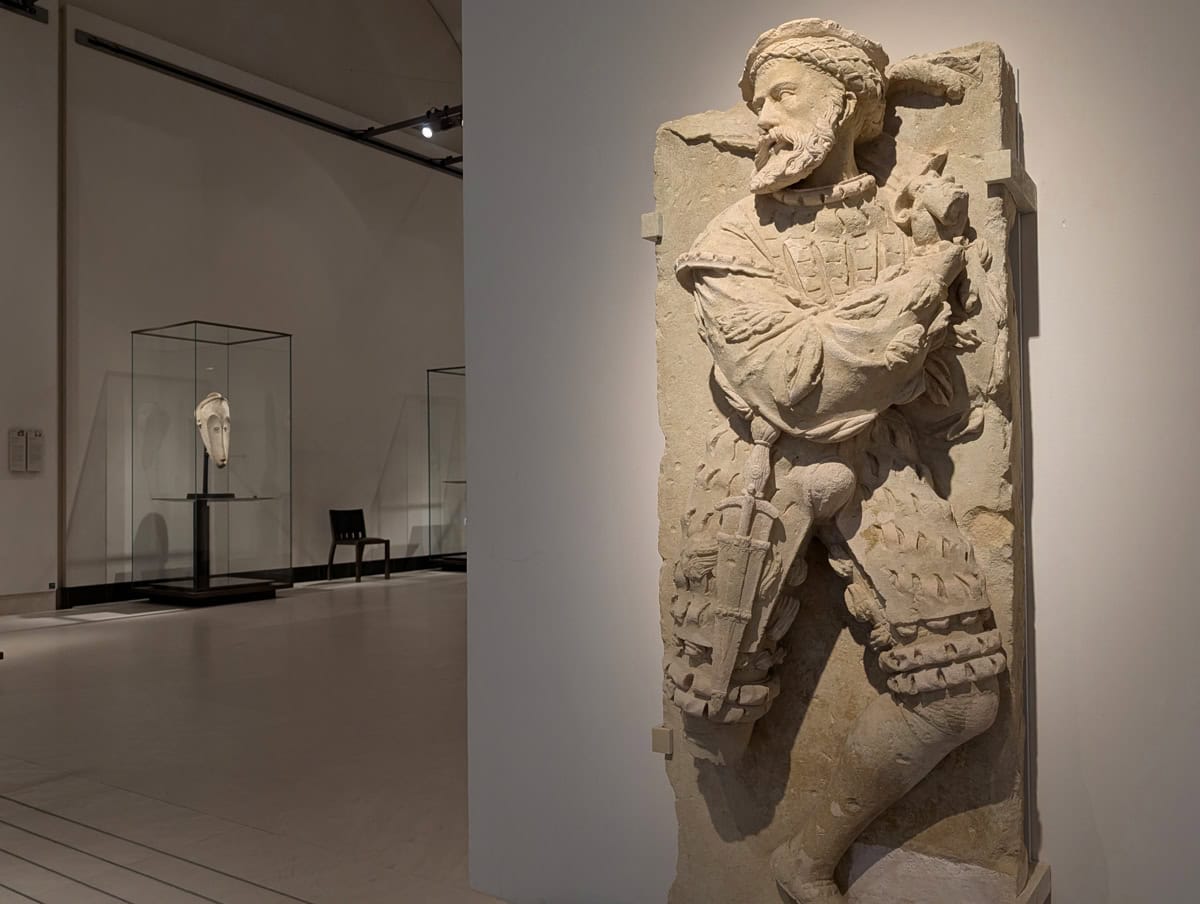
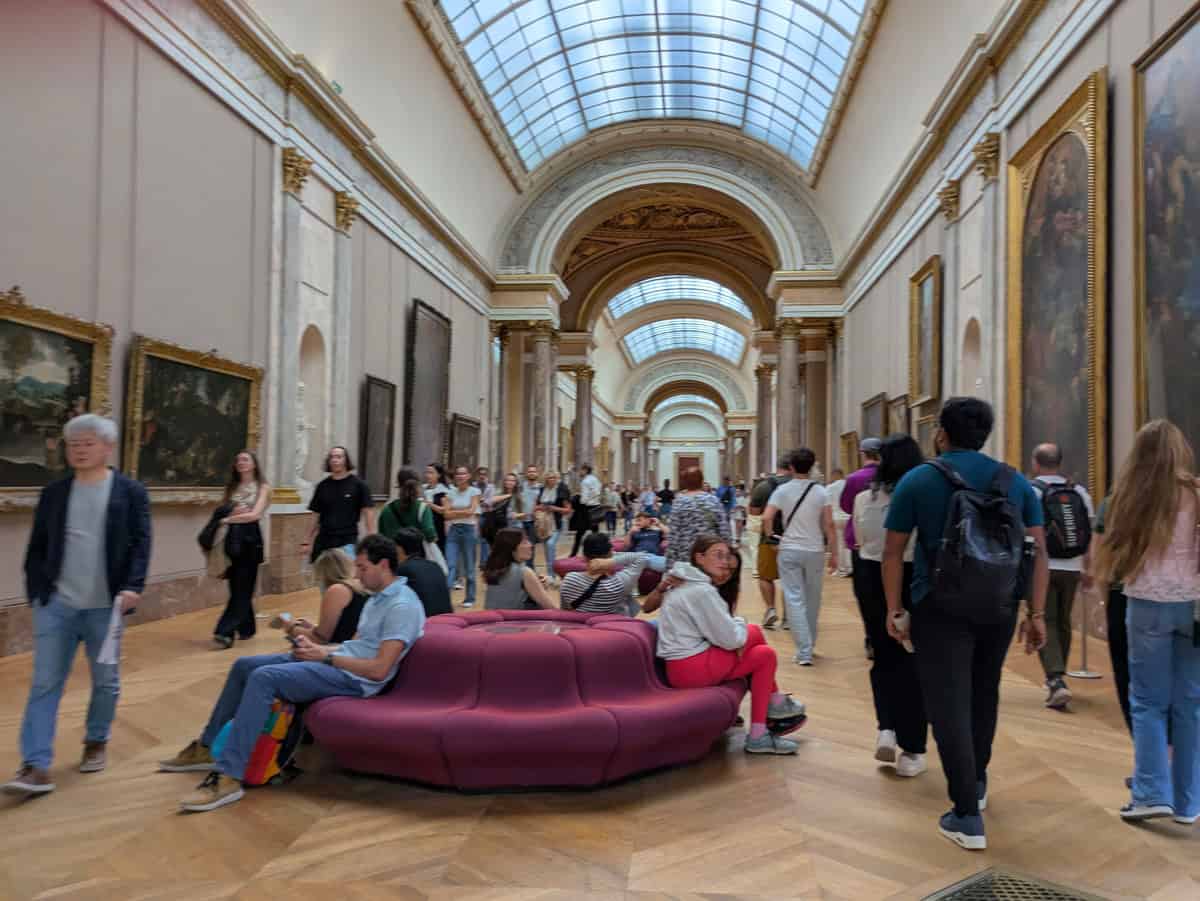
Some more images from the Louvre below
Metro Palais Royal-Musée du Louvre
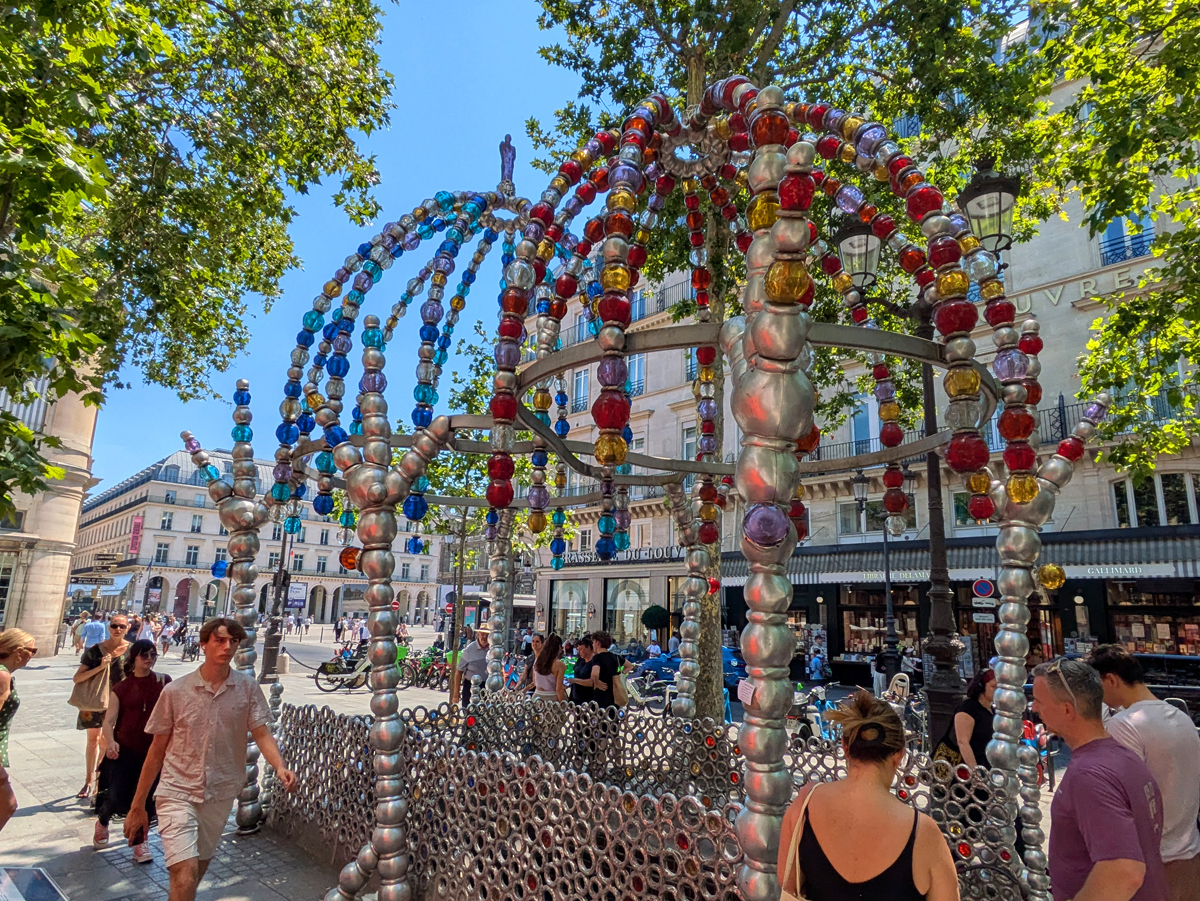
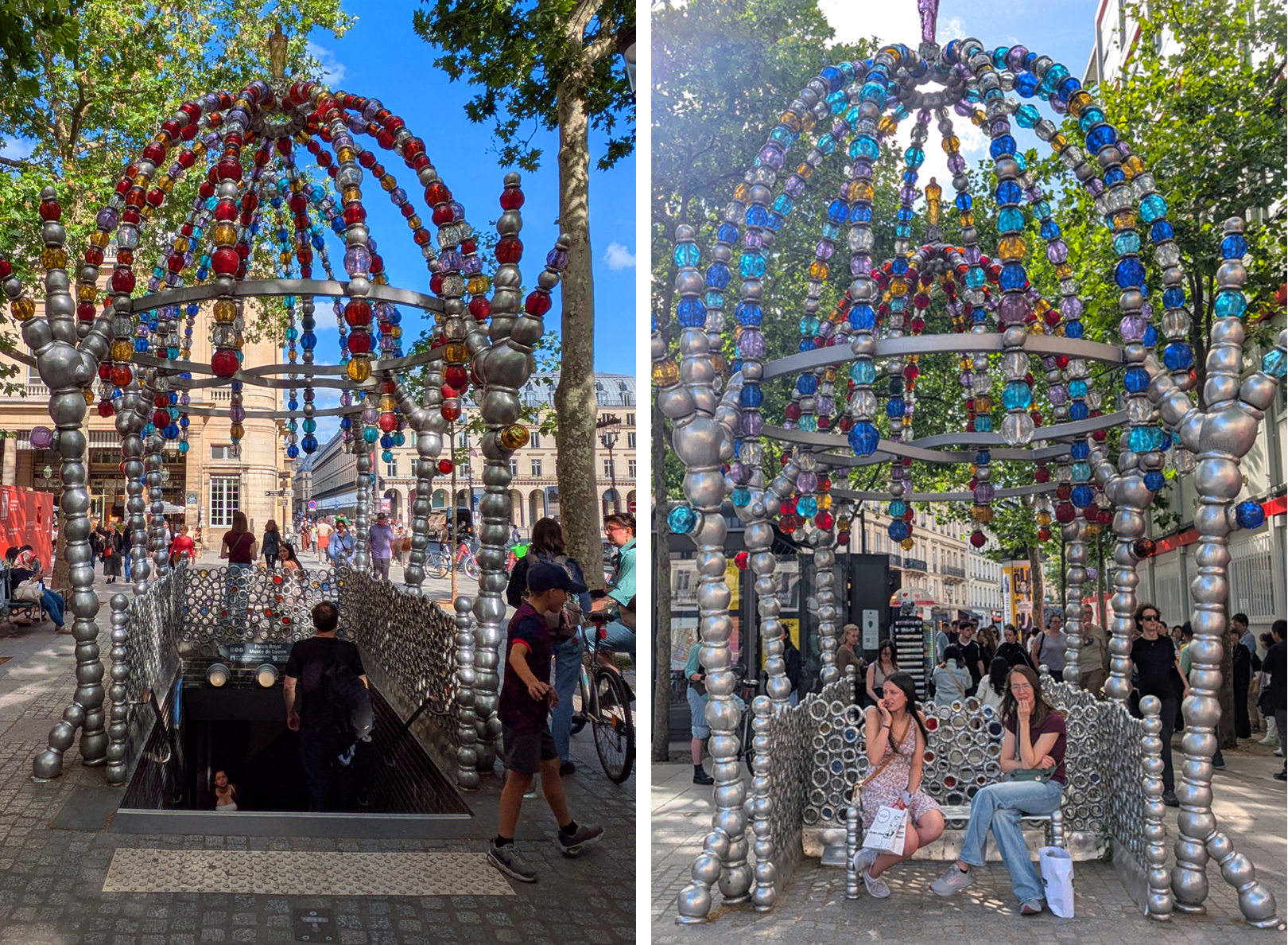
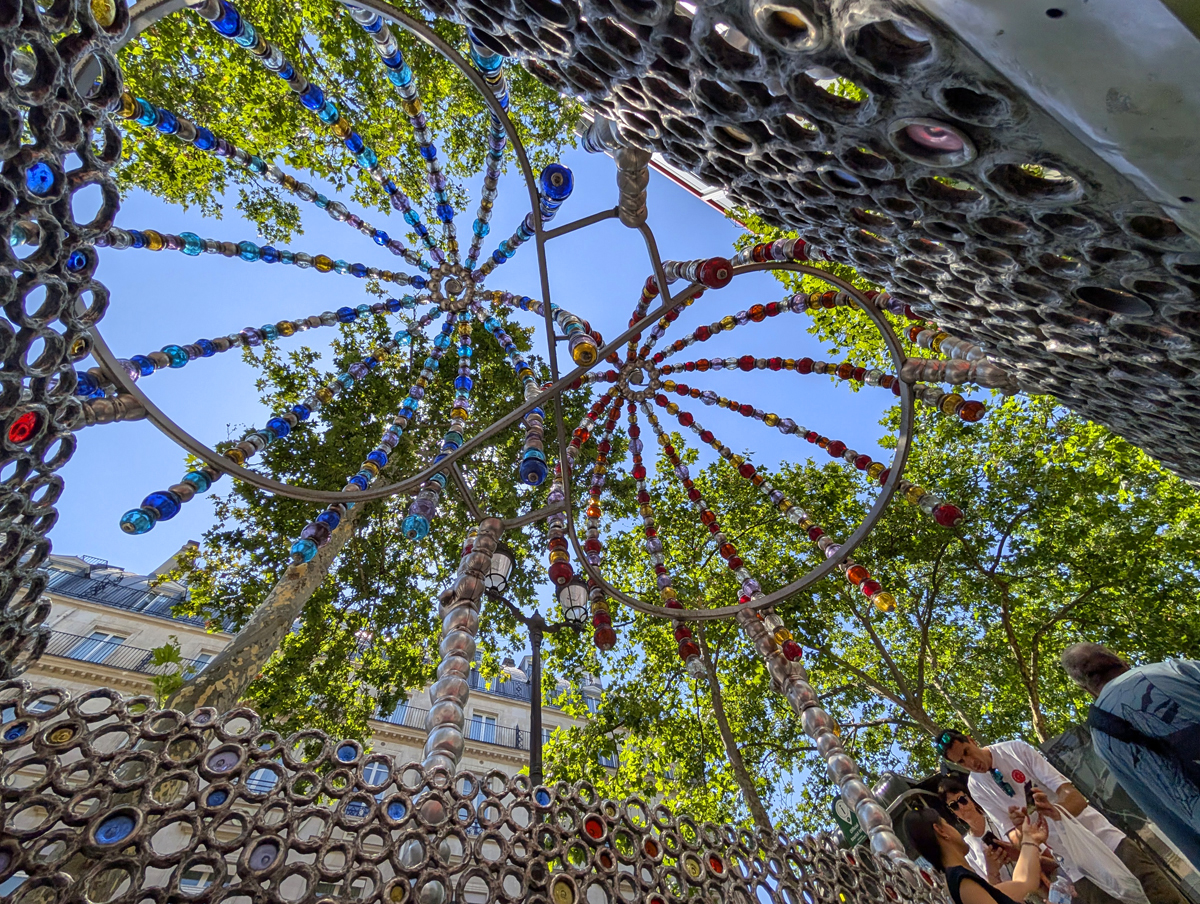
When leaving the Louvre (or just passing by; because the outside of the Louvre with its glass pyramid is worth a look), have a stop at the Metro Palais Royal-Musée du Louvre. There’s a beautiful piece of contemporary artwork framing the metro entrance.
Palais-Royal and Gardens
The Palais-Royal is a former French royal palace (built 1633 – 1639) opposite from the Louvre. Royal families lived here. It now serves as a government building.
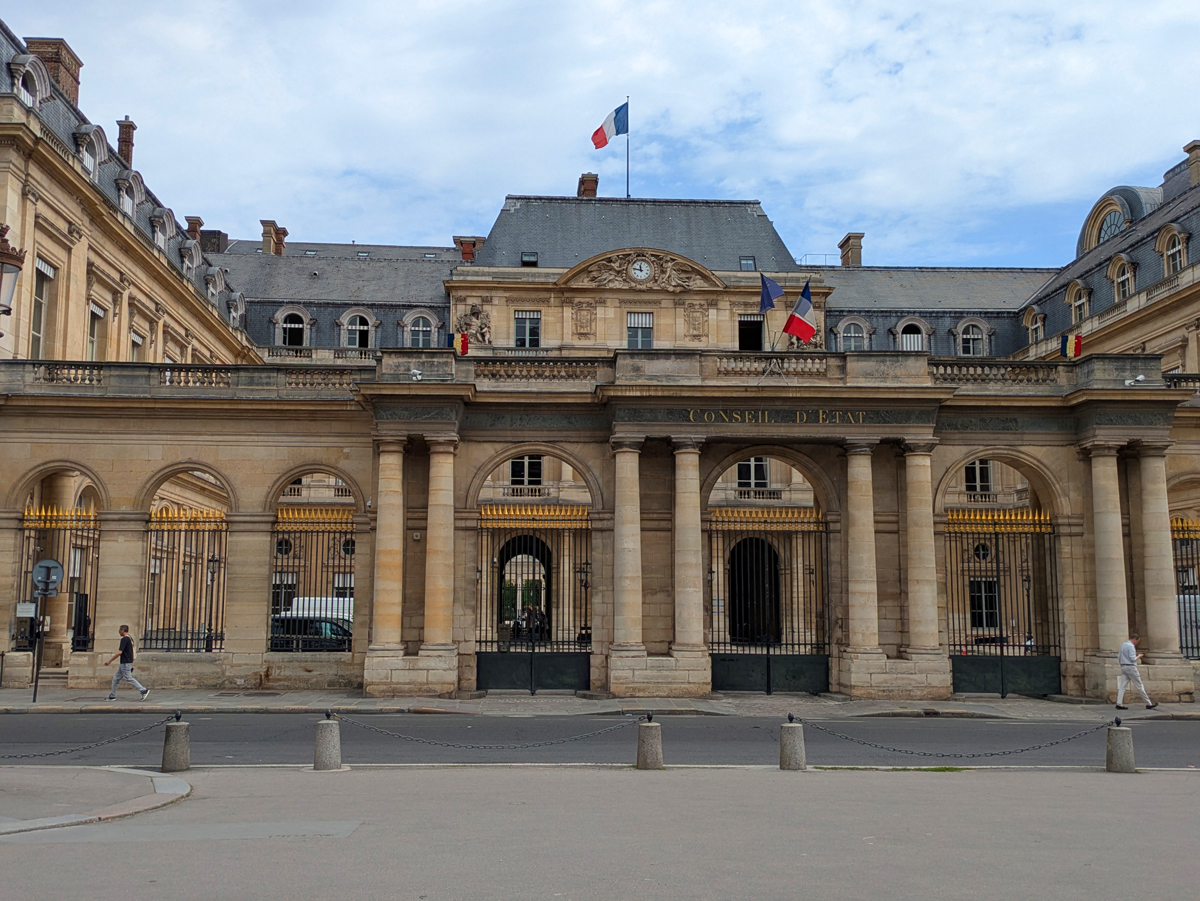
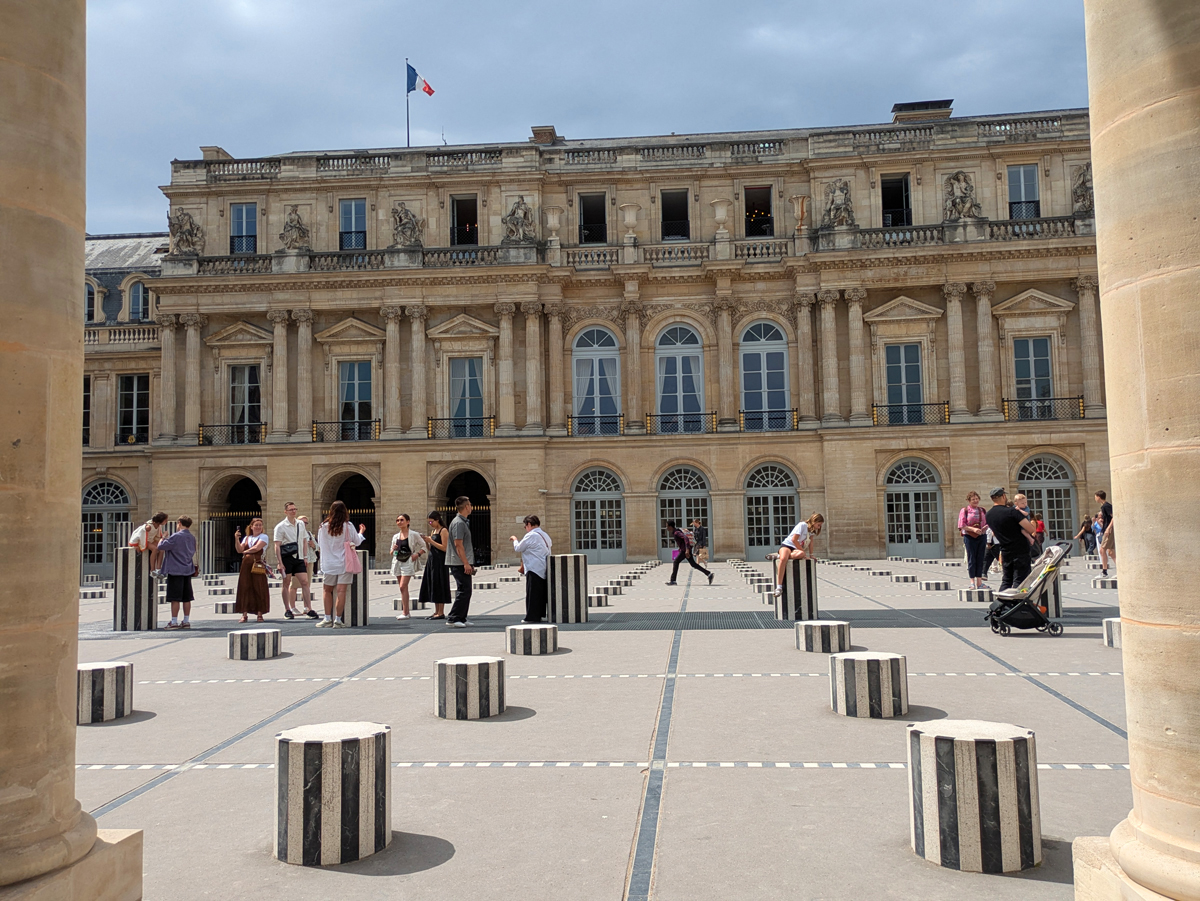
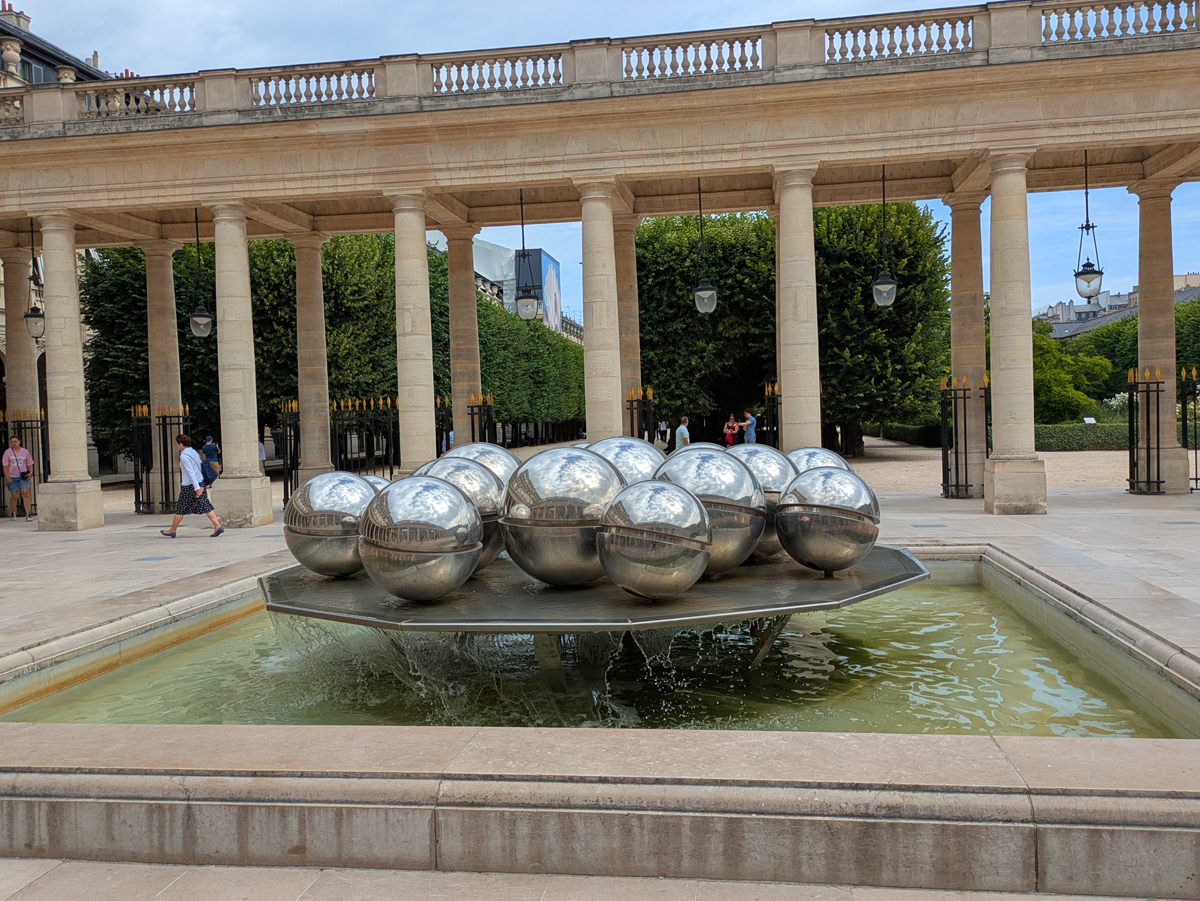
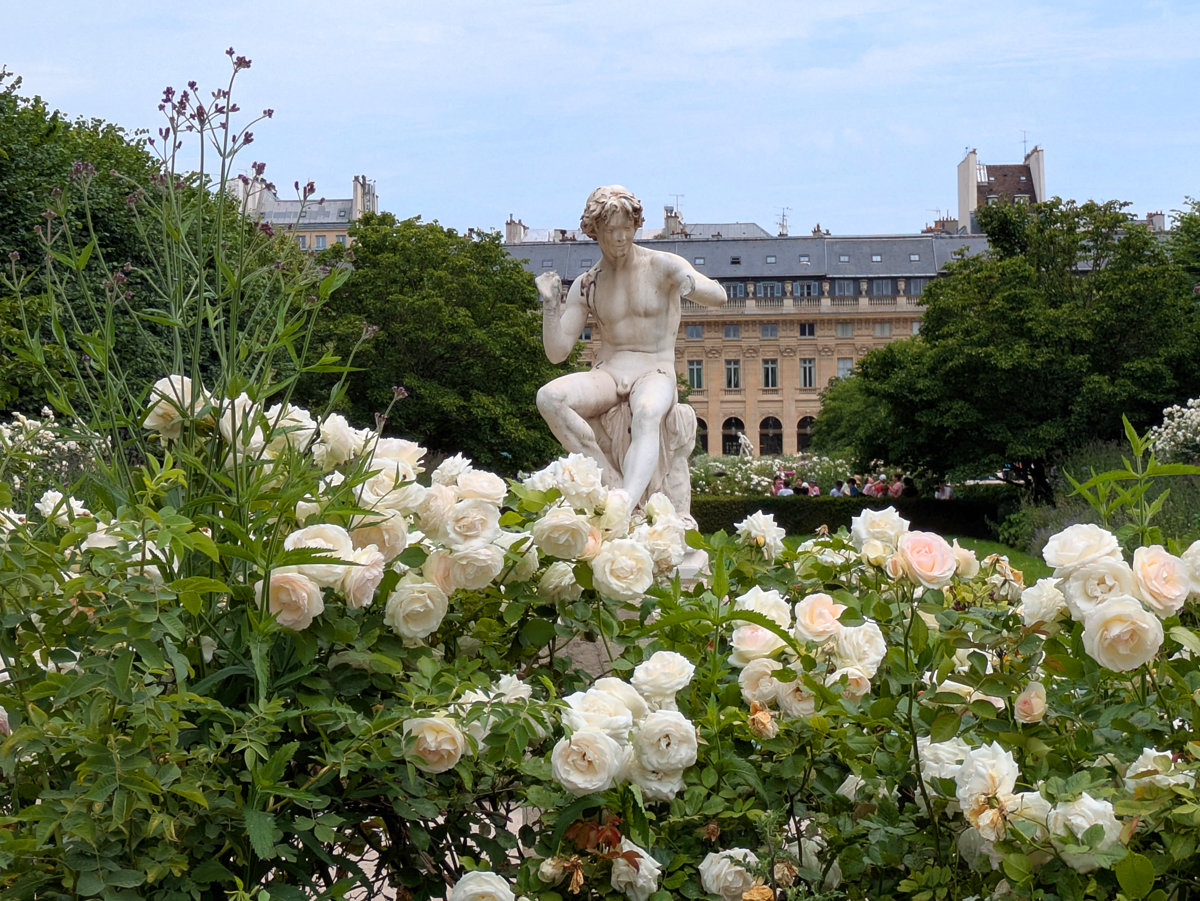
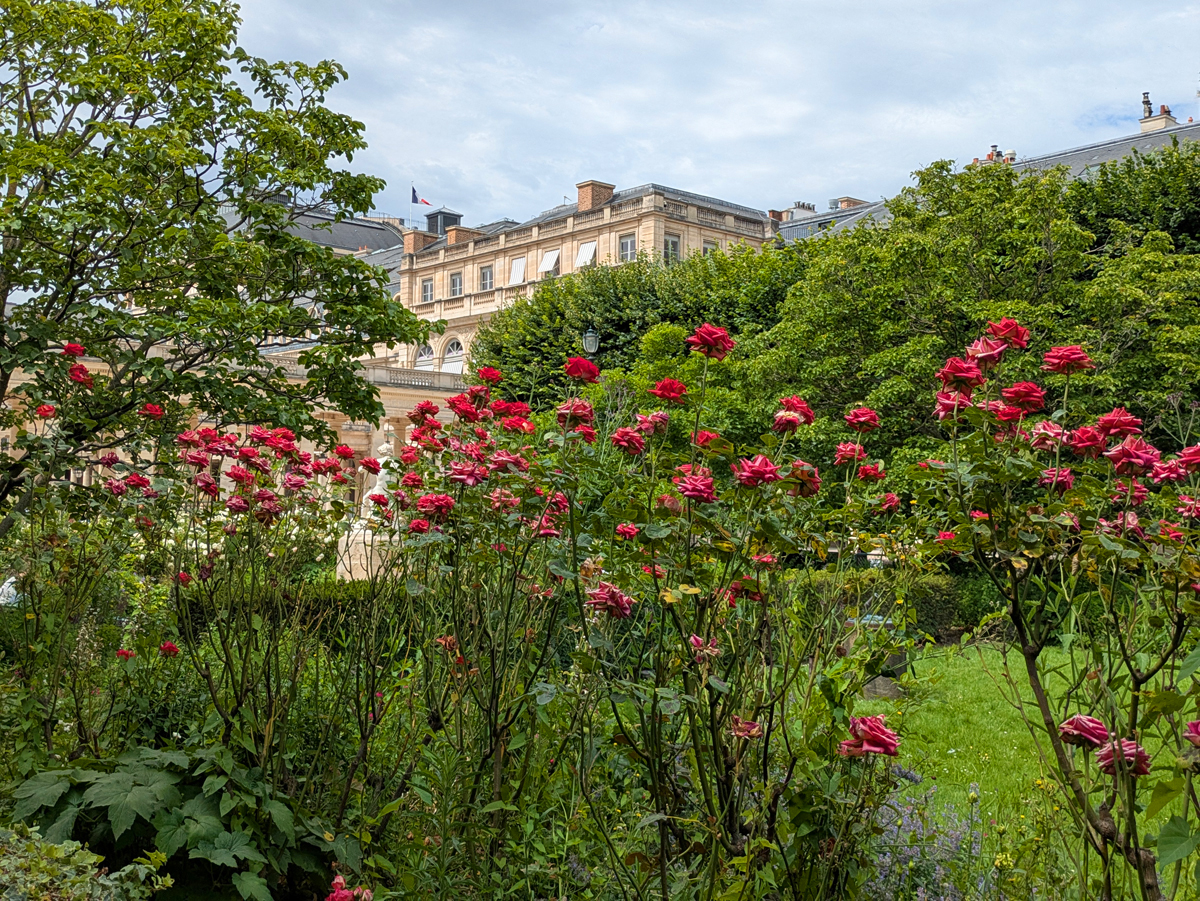
But what is more interesting are the gardens behind the palace which have contemporary art and look over the grandeur of the back of the palace. The gardens are surrounded by porticos which make a nice reprieve from the sun on a hot day.
Galerie Véro-Dodat
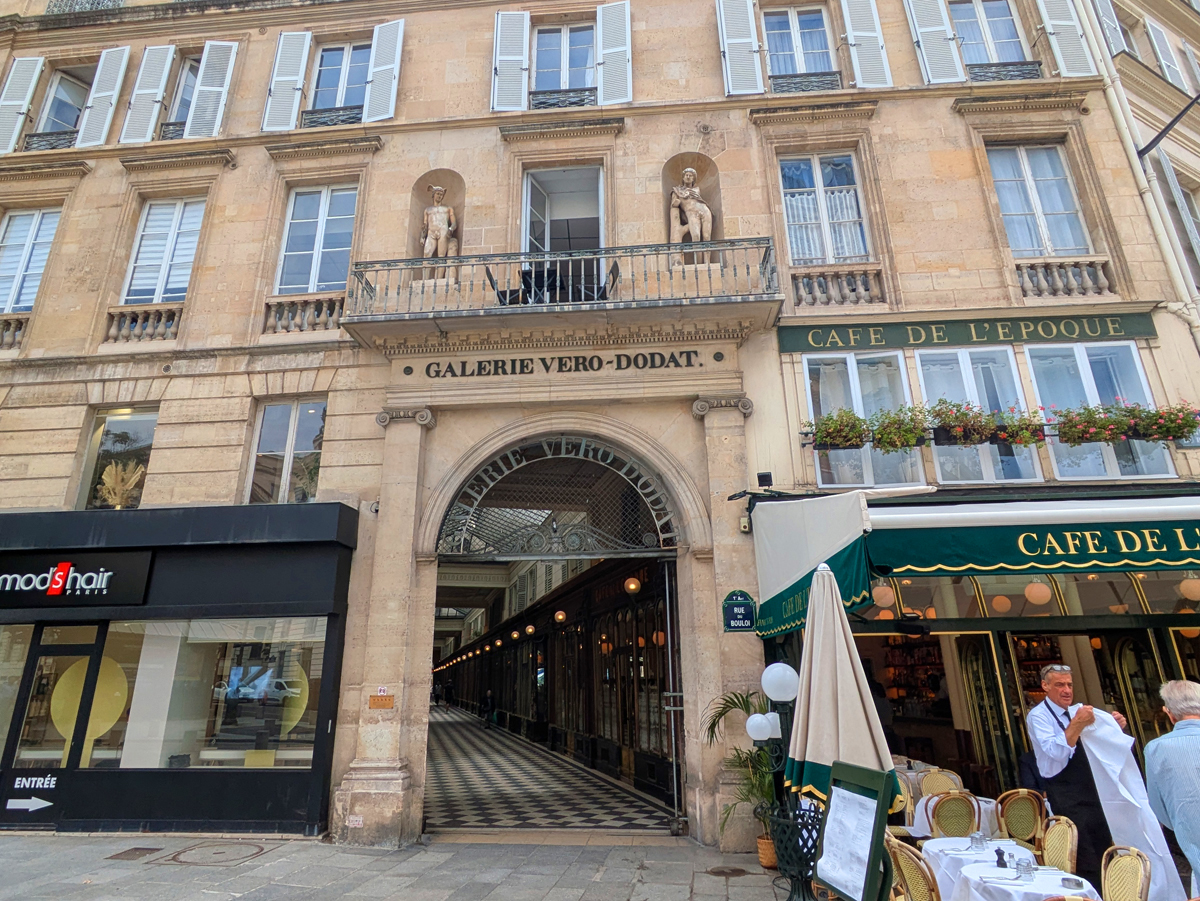
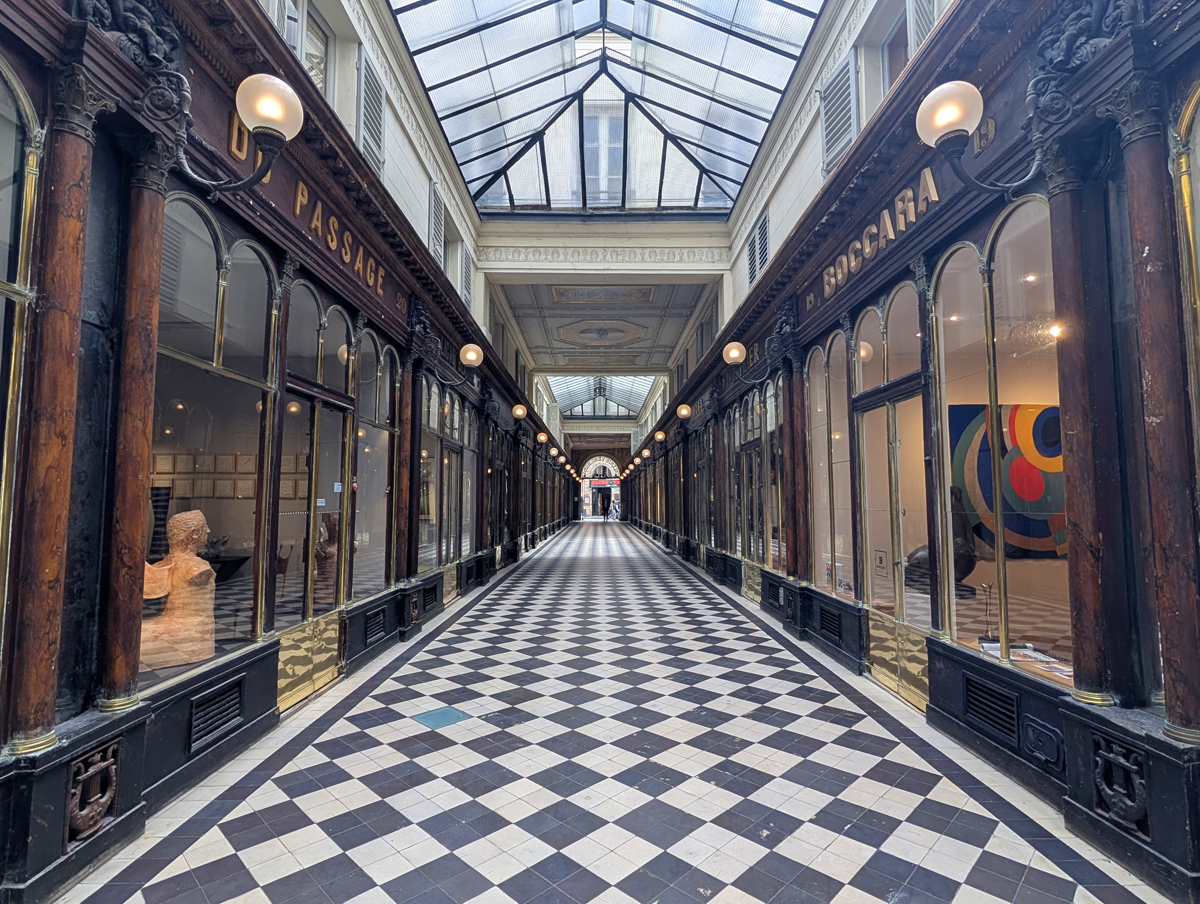
Paris is known for its beautiful covered passageways. But most people don’t know about the Passageway of Galerie Véro-Dodat.
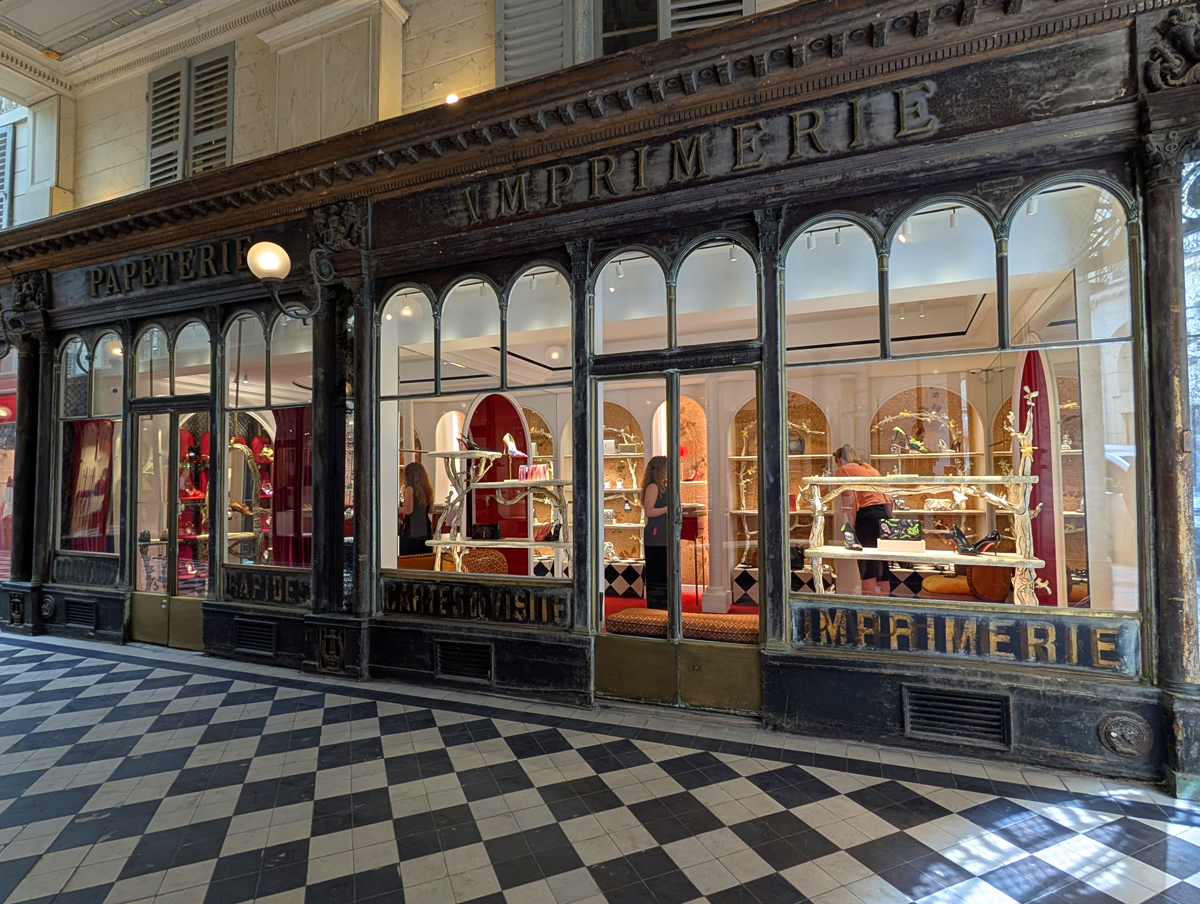
Built in 1826 in neoclassical style, the passageway has black and wide tiles and dark, precious mahogany wood. These polished wood facades are complemented by arched windows, gilded copper framing, marble columns, and painted ceilings.
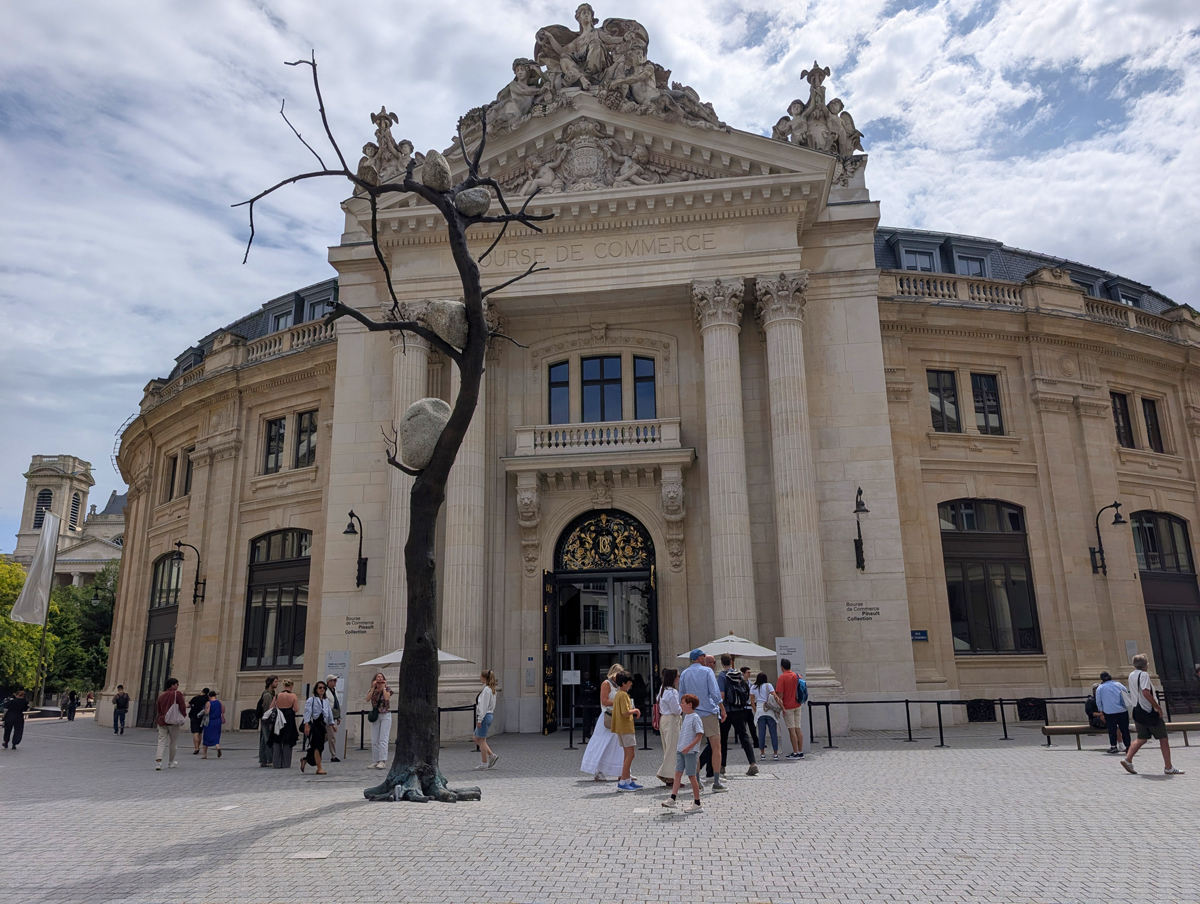
Bourse de Commerce
This beautiful circular building was built in 1767 and housed a grain market where merchants and commercial buyers would meet to trade grains (corn, wheat, rye, barley etc).
The building is now an art museum. But the highlight is the interior of the building with its murals and dome. More about the Bourse de Commerce.
Église Saint-Eustache
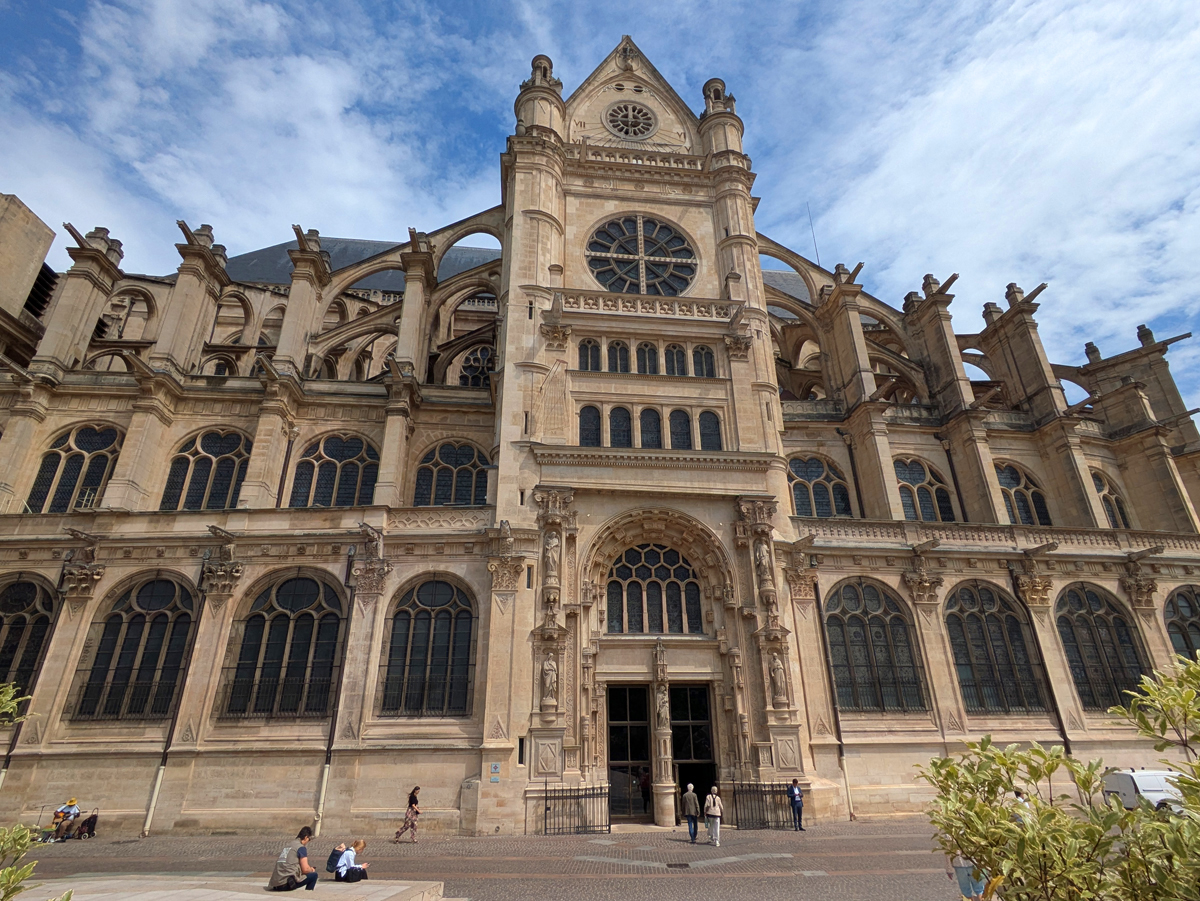
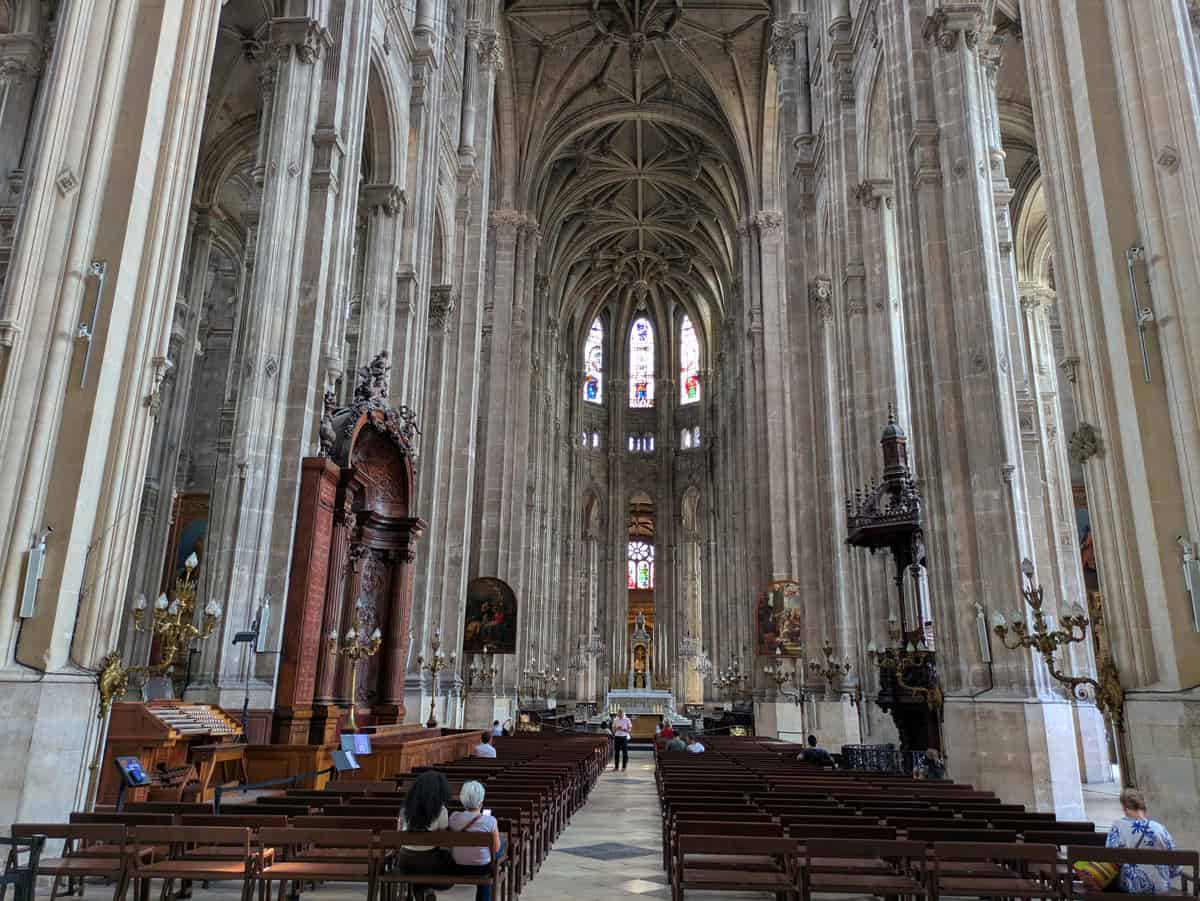
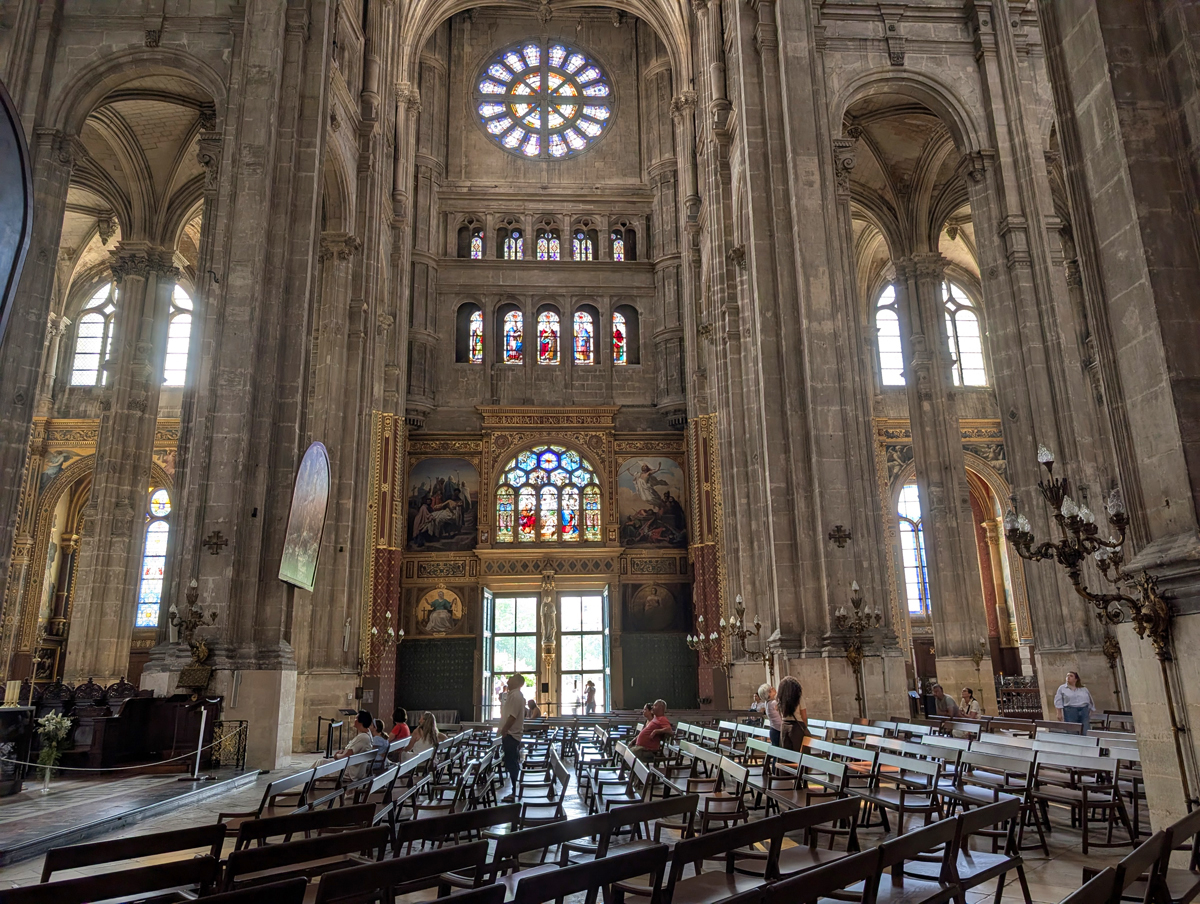
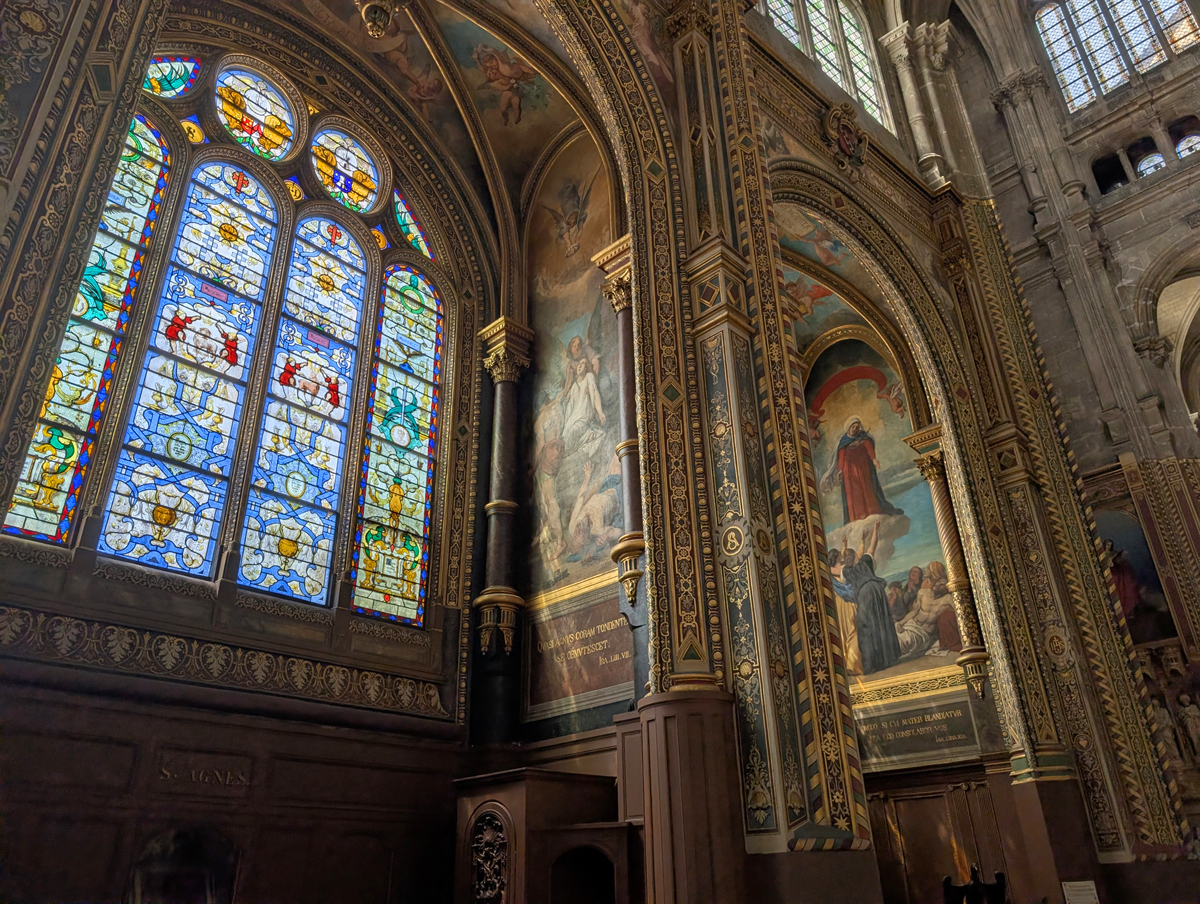
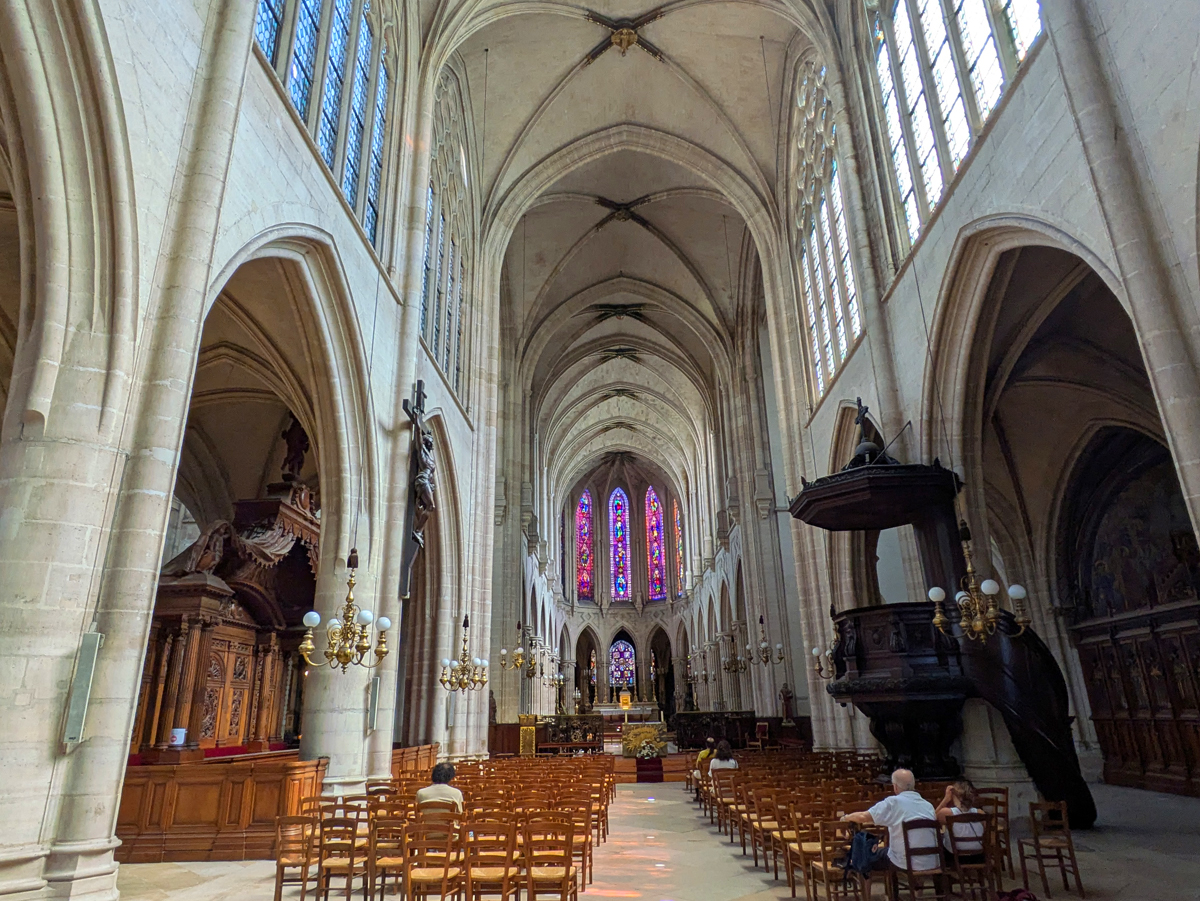
It is the 3rd largest church in Paris, built between 1532 and 1640 in flamboyant Gothic style. A very, very impressive church with columns that standout like trees in a forest. One of Paris’s underrated gems.
Forum Les Halles
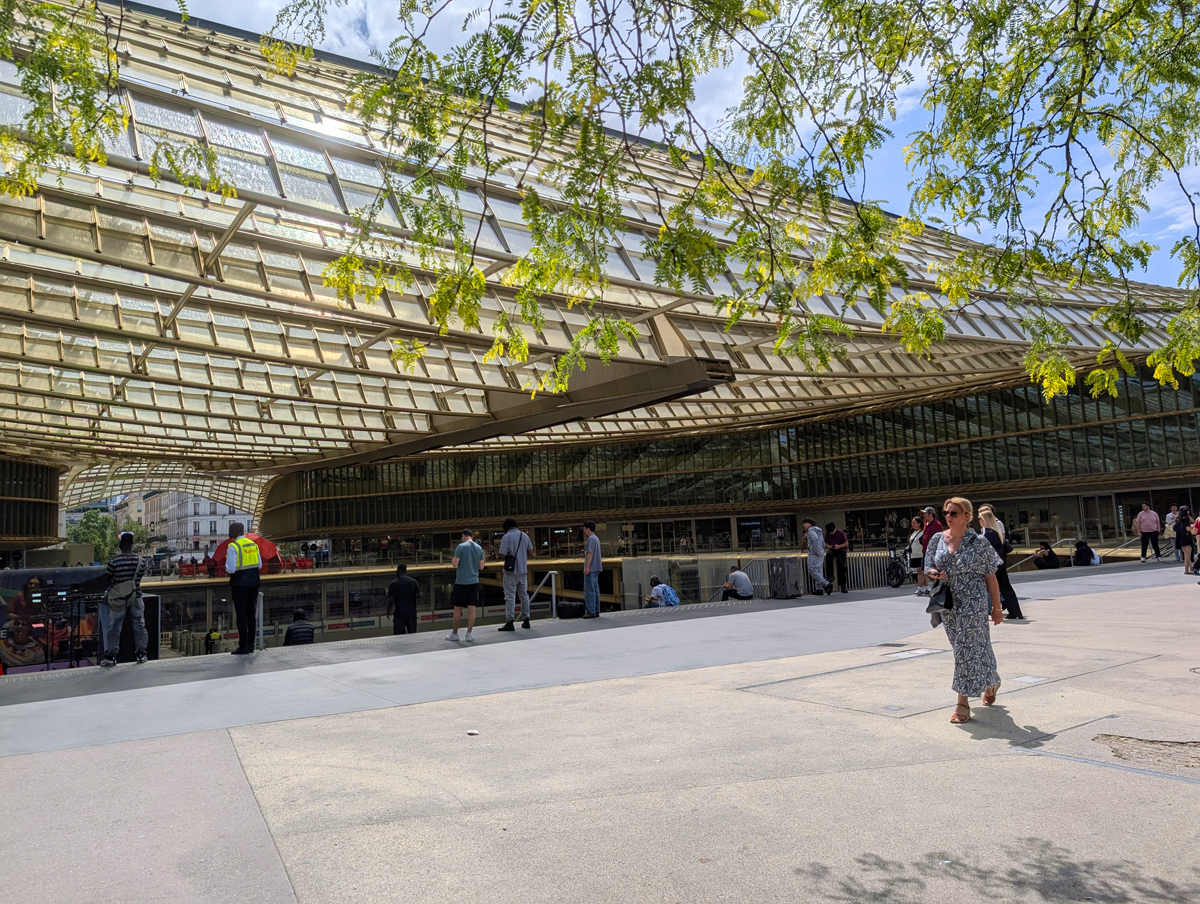
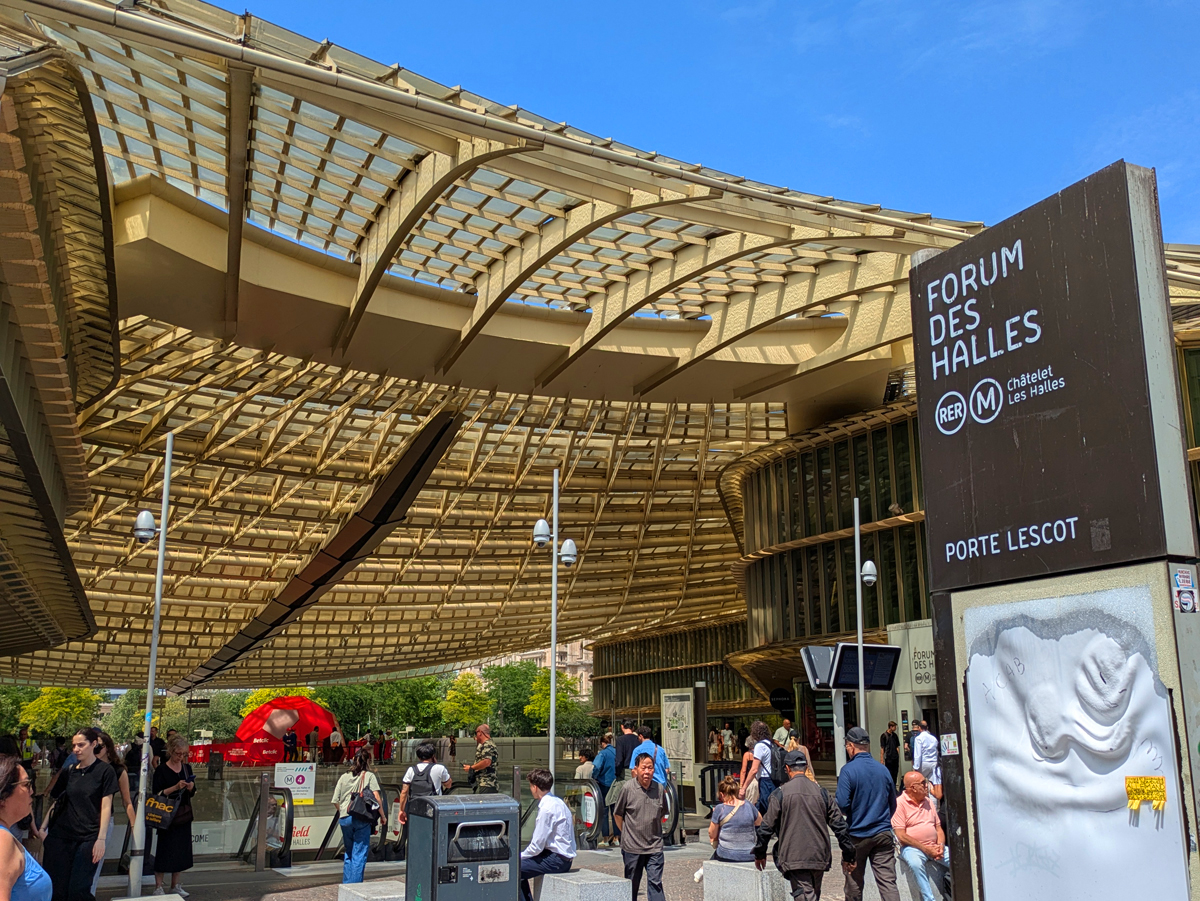
If you’ve travelled through France you know that when you see the word “Halles” it represents a market. This is not the case here: it is actually a modern shopping center that nevertheless has some interesting architecture. Since you’re passing through this area it’s worth a quick look.
Église Saint-Germain-l’Auxerrois
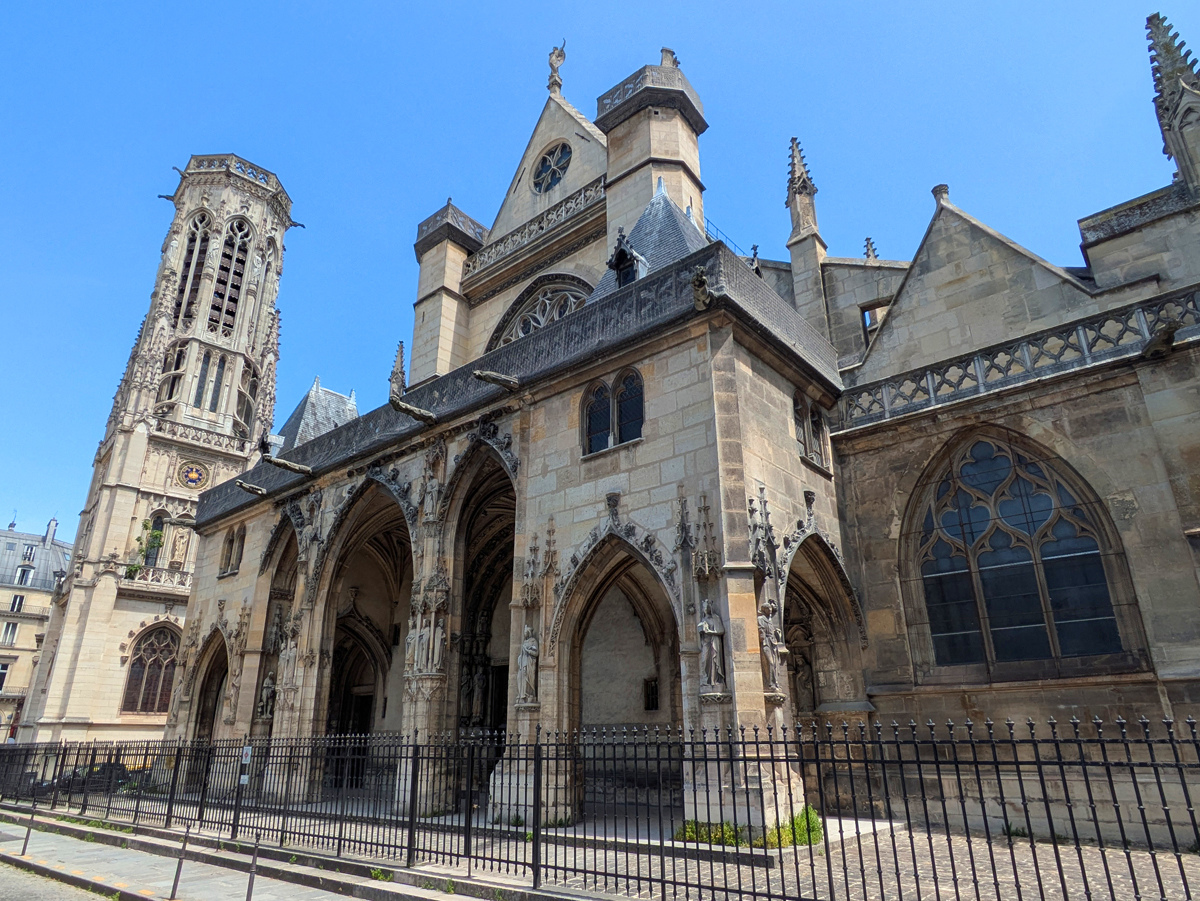
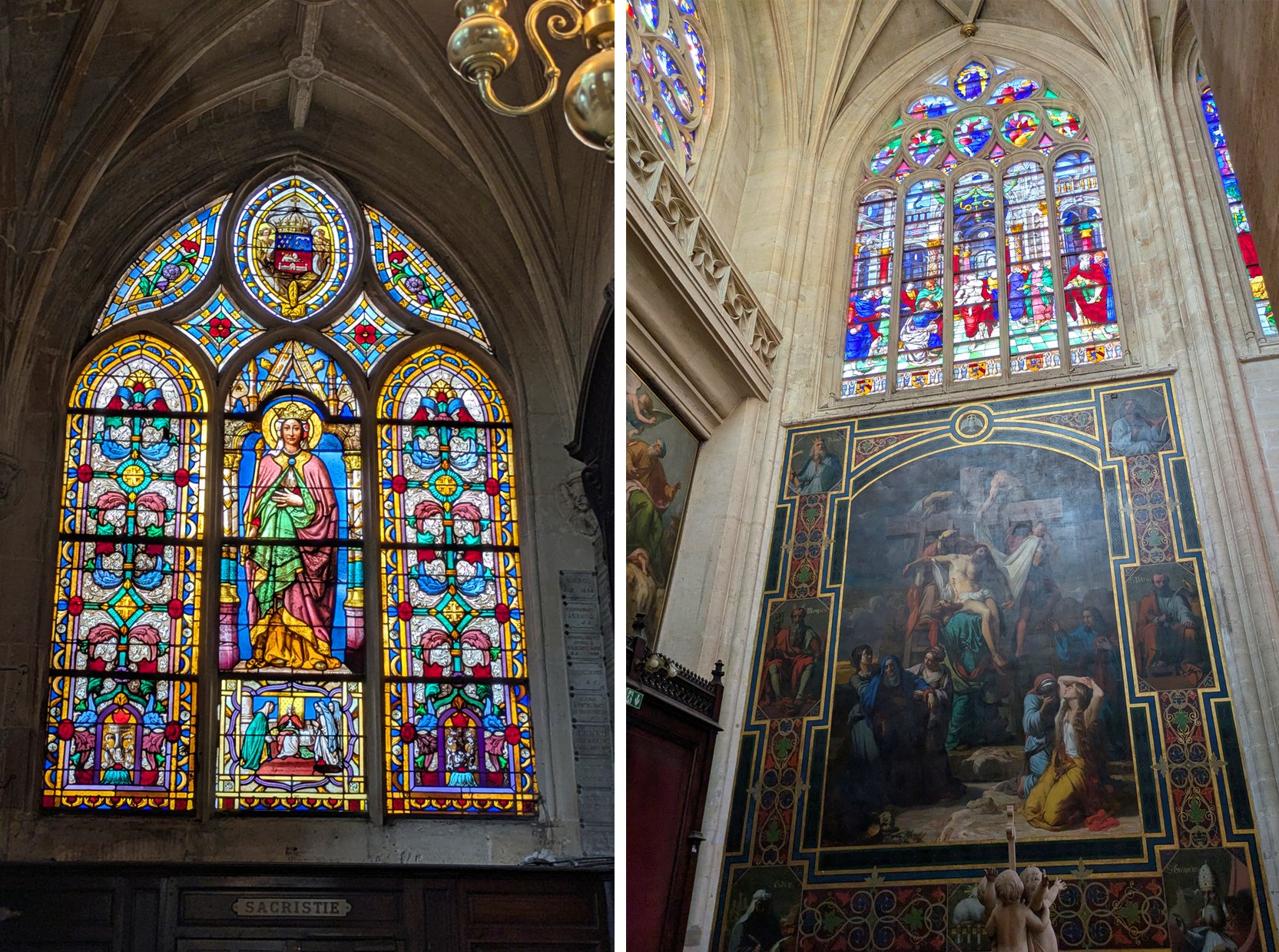
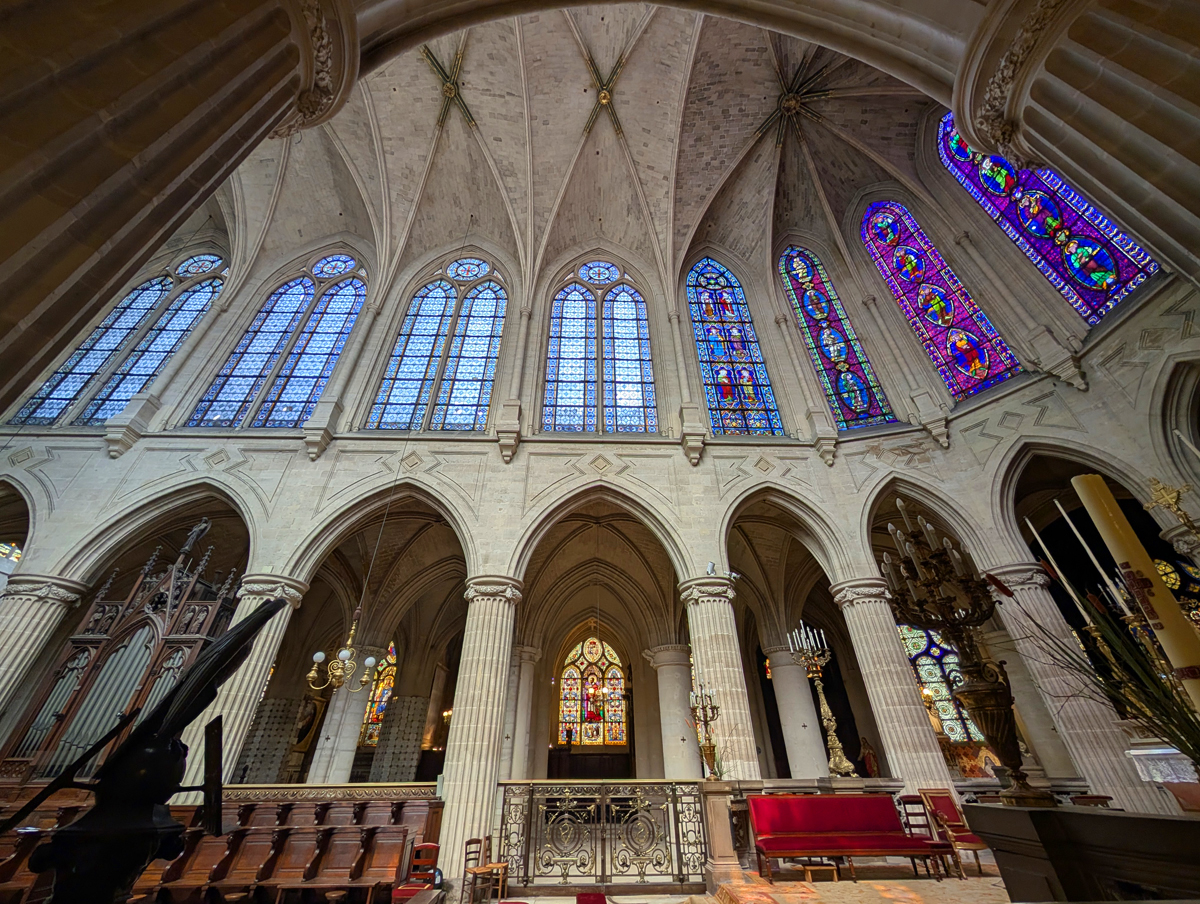
A huge church next to the Louvre, it was the parish church of the Kings of France and their court. First constructed in the 12th century, it was expanded in the 13th century, then enlarged again in the 15th and 17th centuries. You’ll see a mix of styles here, from Flamboyant Gothic to Romanesque. The stained glass is stunning. More.
La Samaritaine department store
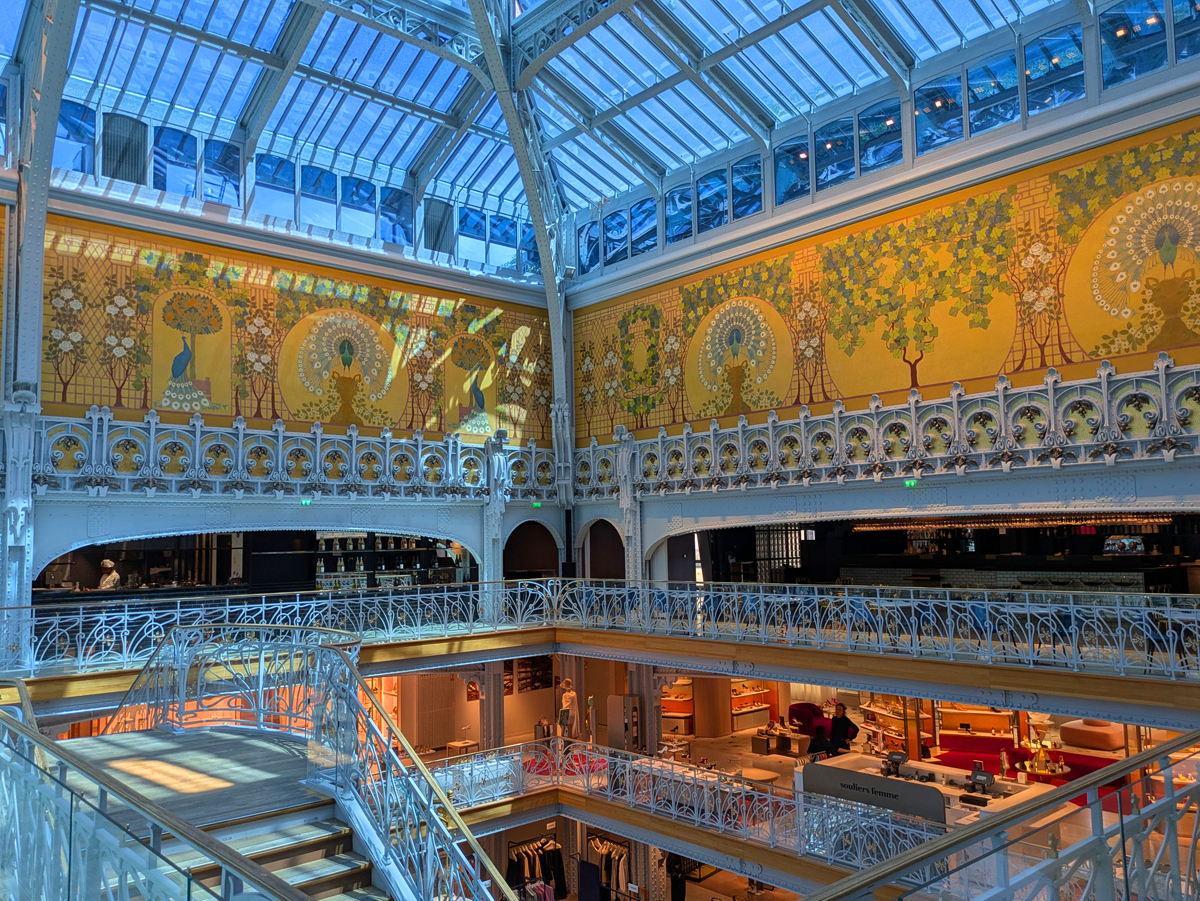
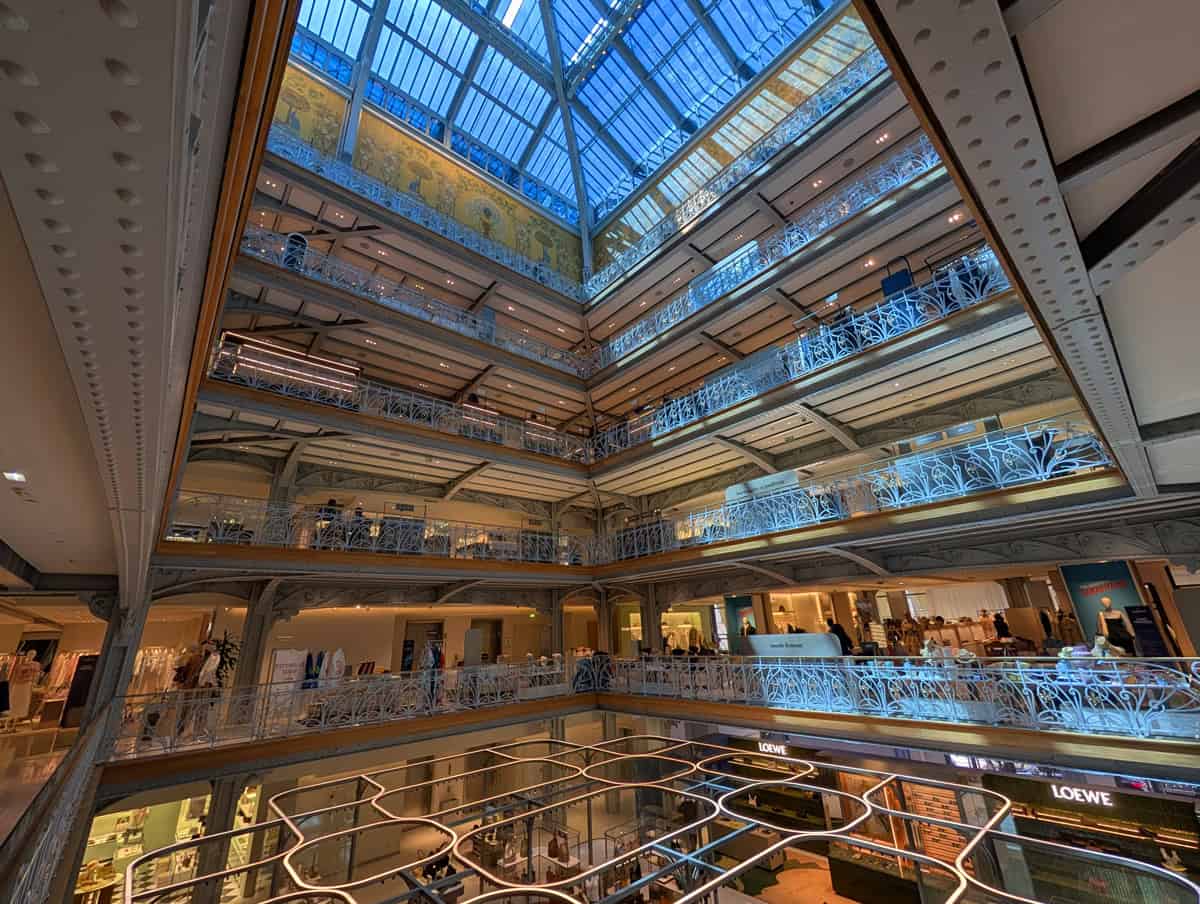
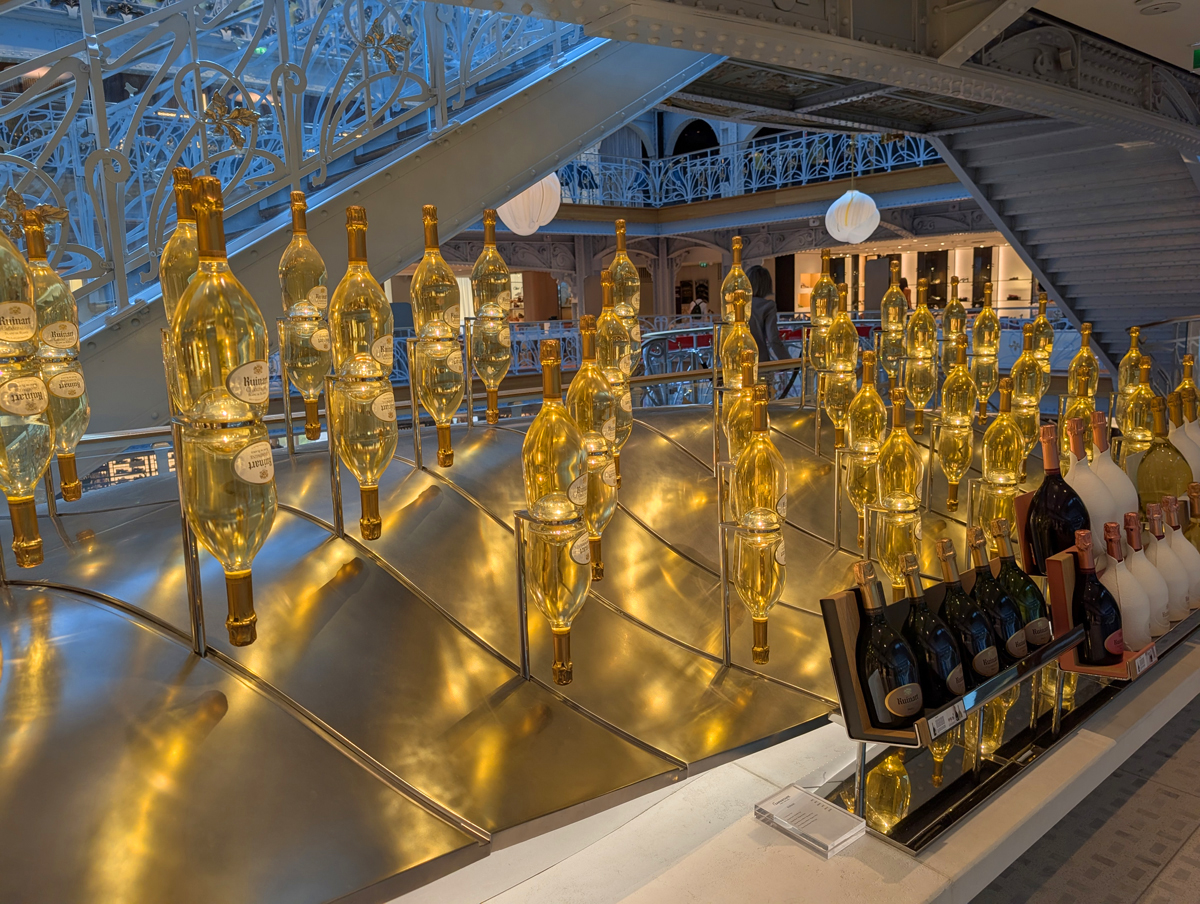
A stunning building (originally built in 1870) in neoclassical design featuring iron staircases, glass tile floors, colourful motifs and a glass dome. It is today a luxury department store and you’ll find many of France’s prestigious names.
Note that La Samaritaine department store has 4 different buildings – the one you want to see is the original, situated right behind Église Saint-Germain-l’Auxerrois (it has yellow and white tiles with large windows).
When you come in, make your way up to the top floor. It is gorgeous.
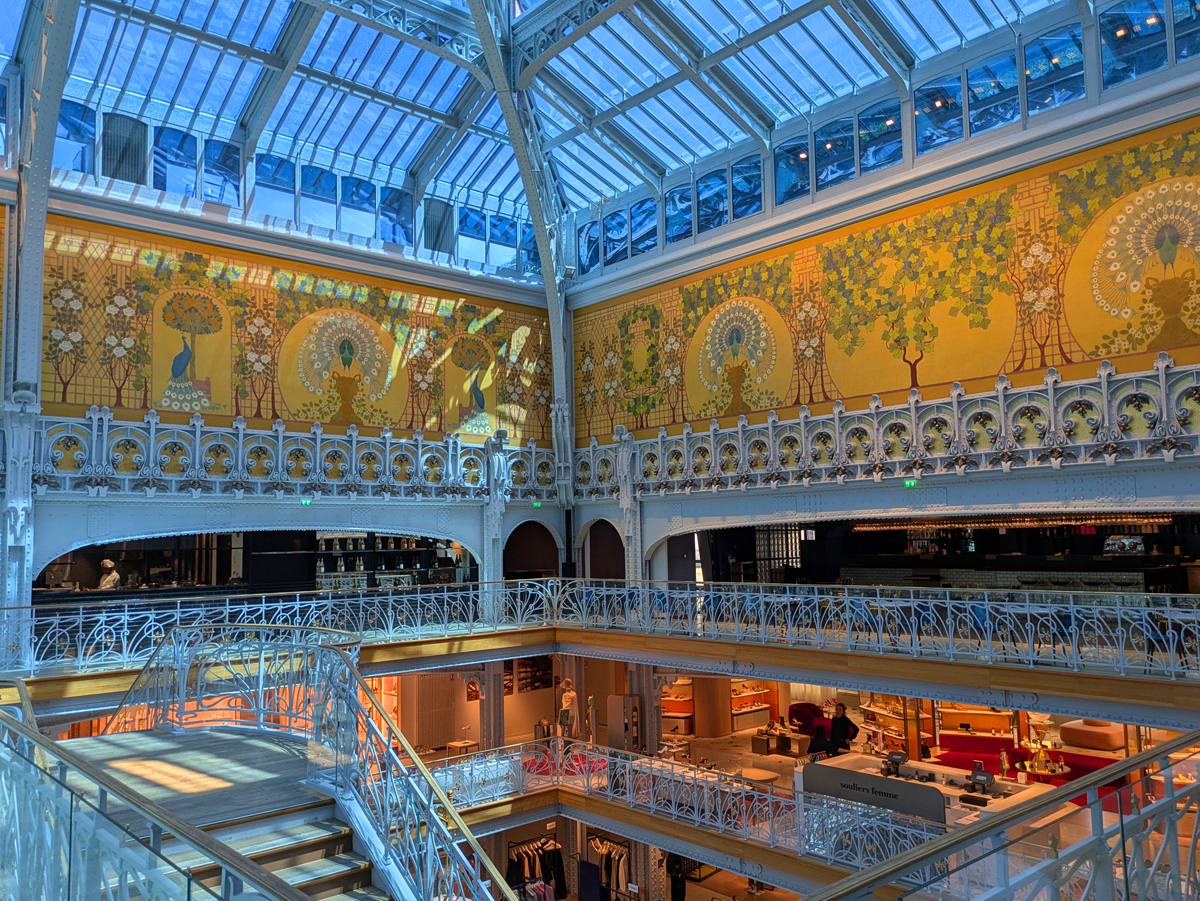
Note 1: many visitors go to Galeries Lafayette and Printemps Haussmann in the 9th (as they should). But la Samaritaine should also be visited, it shows off the belle epoque of Parisian department stores.
Note 2: The Samaritaine doesn’t have a rooftop but the hotel next door (Cheval Blanc Paris) does. It’s a 5-star hotel so plan to dress well if attempting a visit to the rooftop bar.
To Île de la Cité…
From here you’ll be crossing the river to Île de la Cité, the island in the middle of the Seine. After subjugating the local Parisii, it was on this island that the Romans (in 53 BC) built a settlement called Lutecia. A very good video here on the History of Paris which I recommend watching.
Note 1: Île de la Cité is divided into two Arrondissements. The westernmost third is part of the 1st Arrondissement and the other two-thirds is part of the 4th Arrondissement (the most famous attraction there being Notre-Dame Cathedral. I’ll cover that when writing about the 4th).
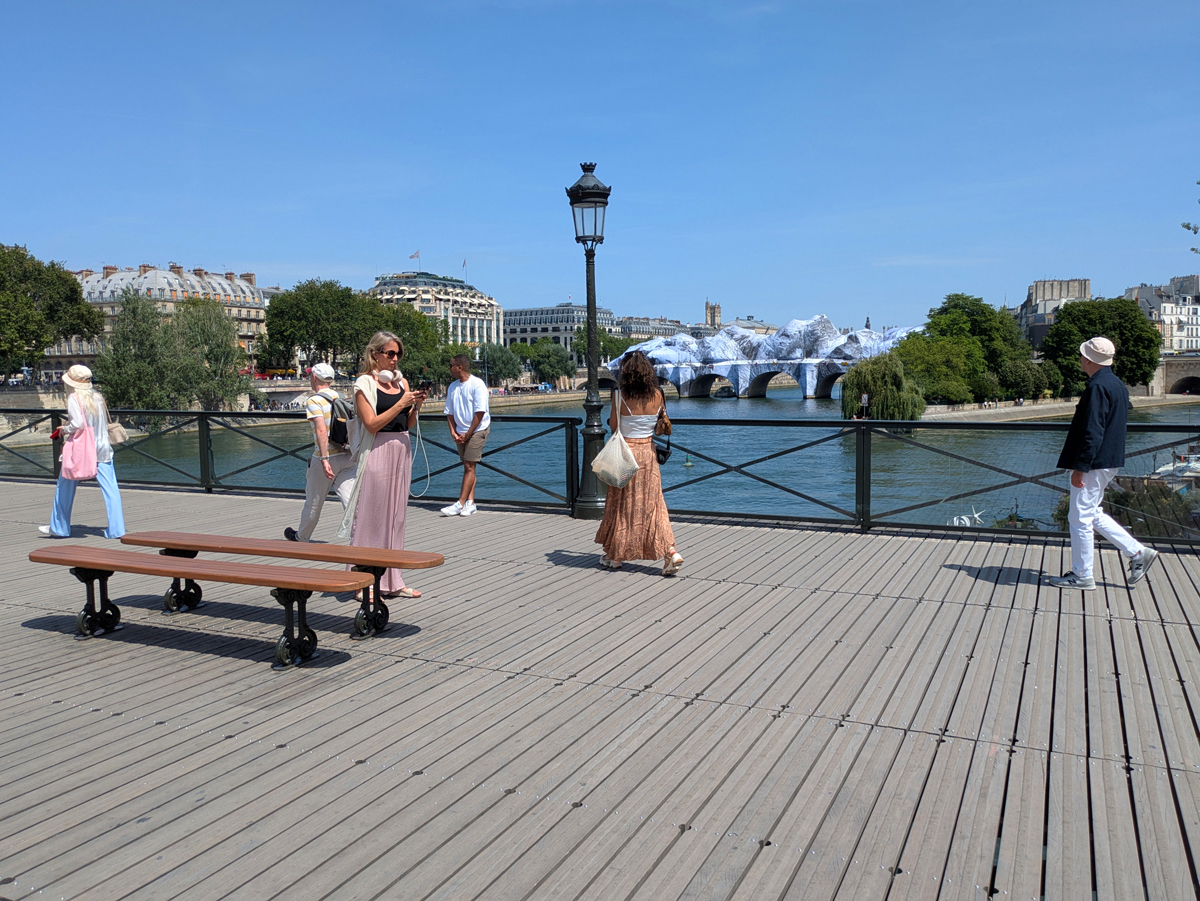
Note 2: I would usually recommend crossing the Pont-Neuf to Île de la Cité but as of writing (July 2026) there is an exposition on the bridge which doesn’t allow you to cross from the Right bank of the Seine to the Island. Cross at Pont des Arts instead.
As far as things to see in the 1st Arrondissement part of Île de la Cité:
Square du Vert-Galant
A little park at the tip of Île de la Cité where you can enjoy the views on the Seine. Canadians might want to note that there is a stone in the park (with a plaque) that was brought from Montreal for the 1967 World Fair.
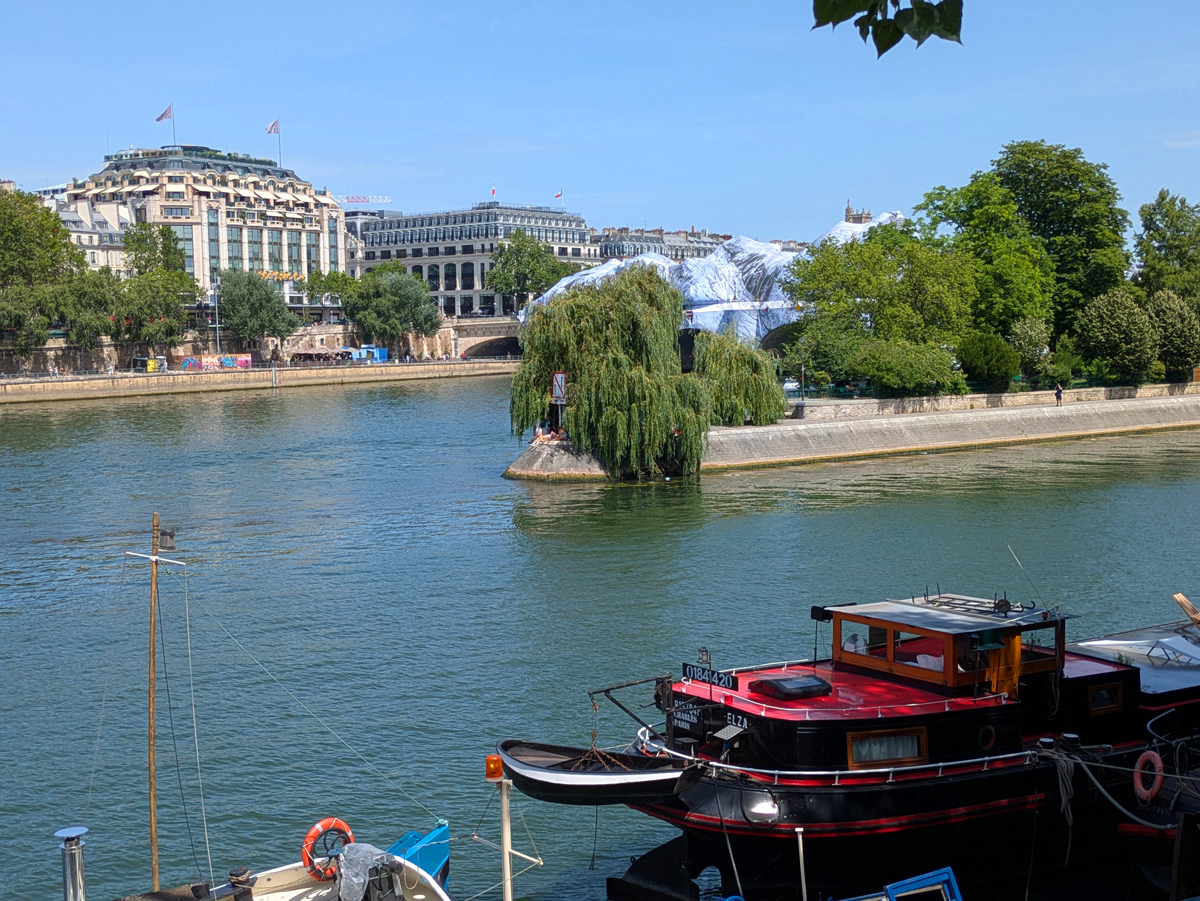
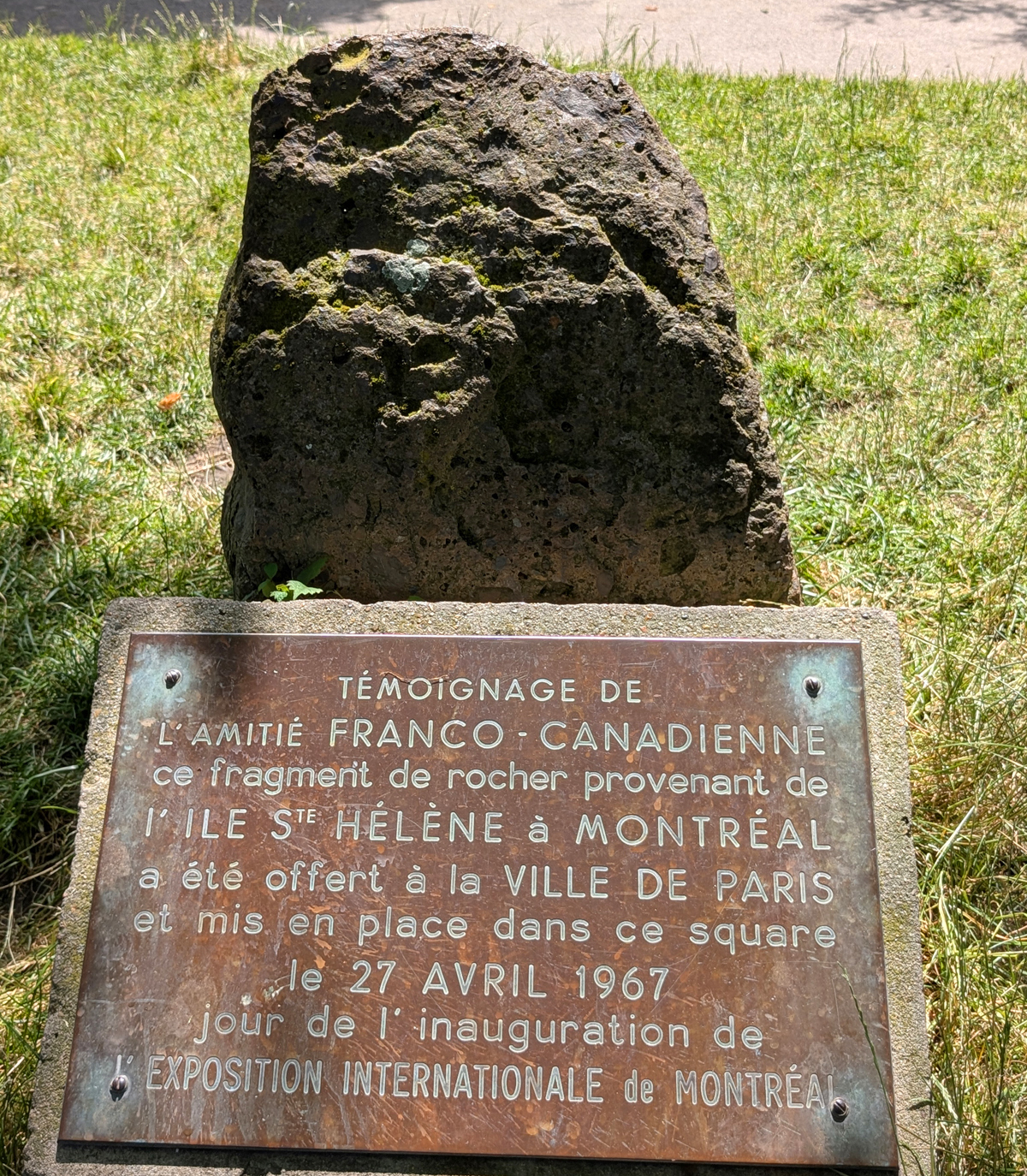
There’s a statue of Henri IV. He was nicknamed “Le Vert-Galant ” (The Gallant Green) because “despite of his age he had many mistresses”.
La Sainte-Chapelle
It is one of Paris’s most famous churches (as well as the most expensive to visit).
Construction was completed in 1248. Commissioned by King Louis IX (one of the most pious of kings), it was built to house his collection of sacred religious relics including Christ’s Crown of Thorns.
La Sainte-Chapelle is considered as one of the highest achievements of Gothic architecture. It is known for its stained glass and is considered to have one of the most extensive 13th-century stained glass collections anywhere in the world. The panels of glass have 1,113 scenes depicting Old Testament and New Testament biblical stories.
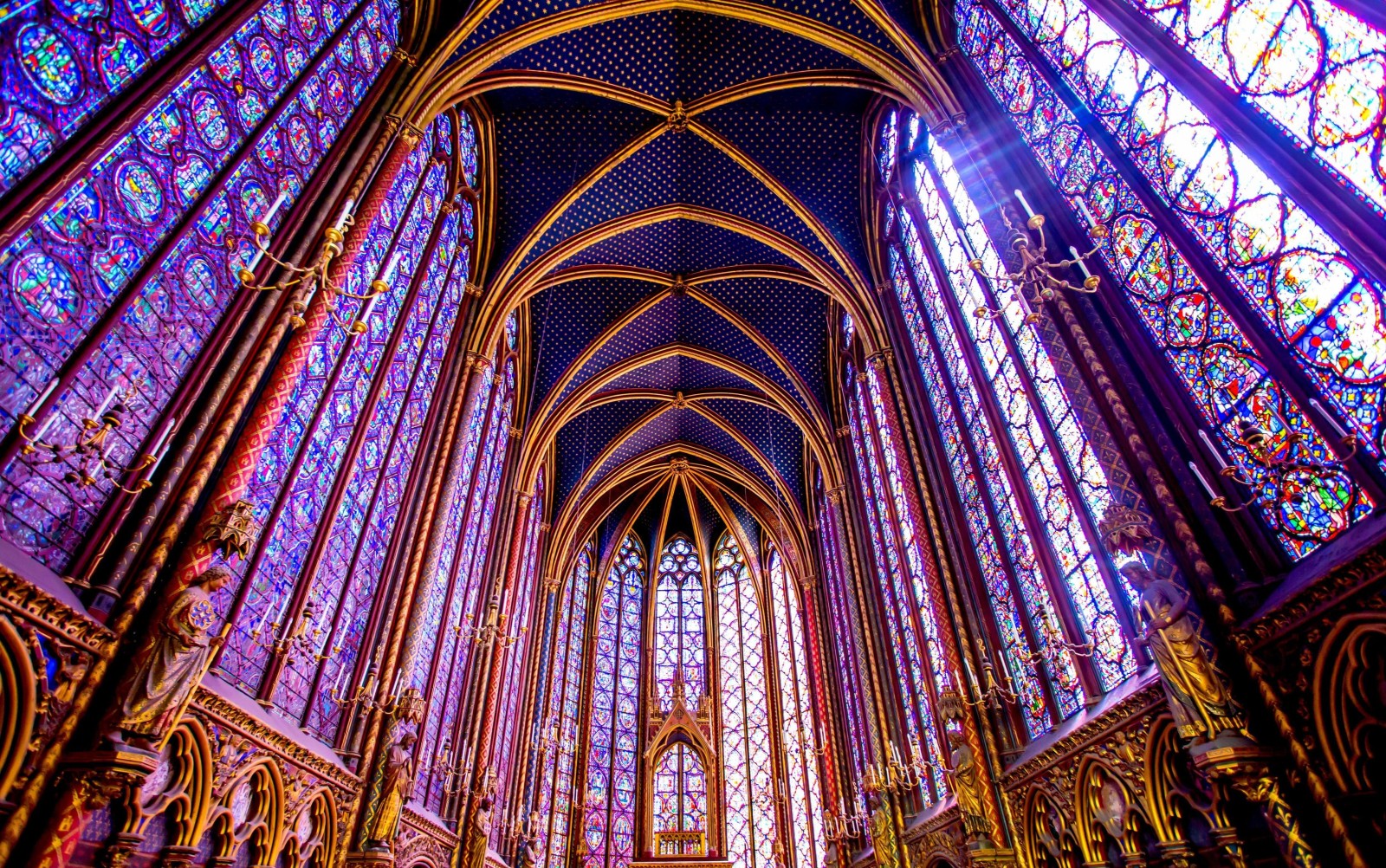
Note: La Sainte-Chapelle and La Conciergerie (below) require tickets to visit. Website. As of time of writing: for EEA residents 16.00 Euros for La Sainte-Chapelle OR 22 Euros for combined La Sainte-Chapelle/Conciergerie ticket. For Non-EEA residents 22.00 Euros for La Sainte-Chapelle OR 30 Euros for combined La Sainte-Chapelle/Conciergerie ticket.
Conciergerie
In the 6th century Paris was ruled by the Merovingian dynasty, the ruling family of the Franks. King Clovis built a palace here called the Palais de la Cité. It was from this palace that grew La Sainte-Chapelle and what is now known as the Conciergerie. The Conciergerie is most notable for having served as a prison from 1380 to 1914. It was here that many prisoners, such as Marie Antoinette, were imprisoned before being executed.
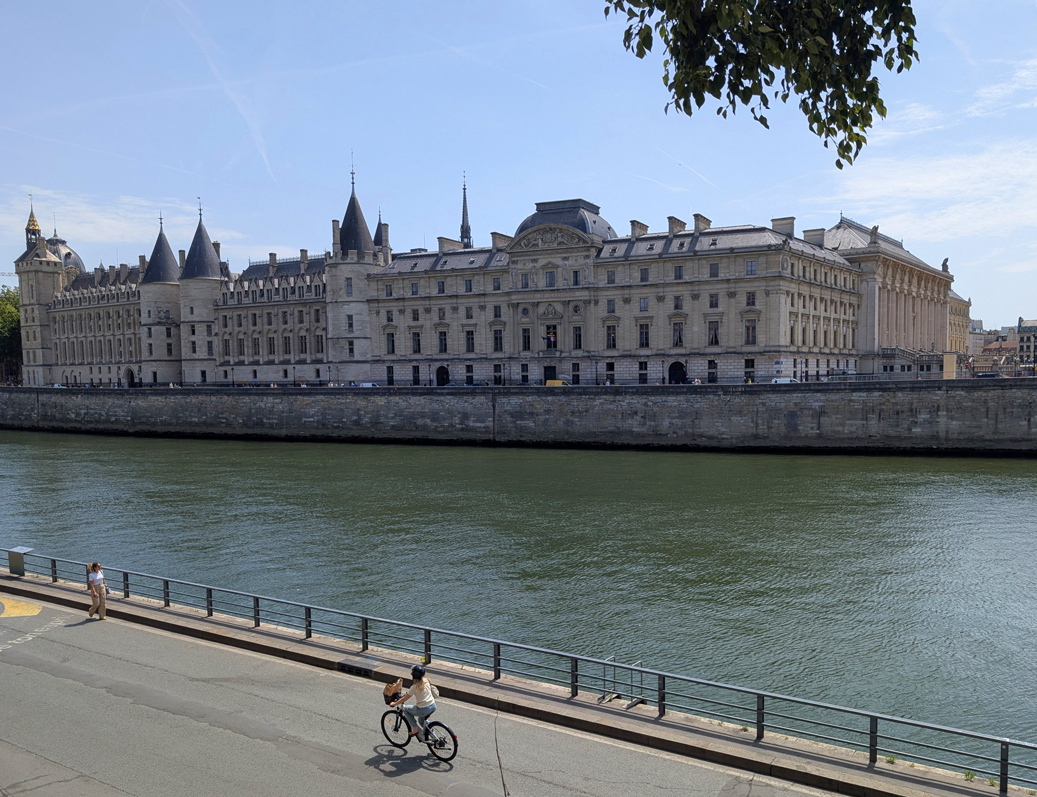
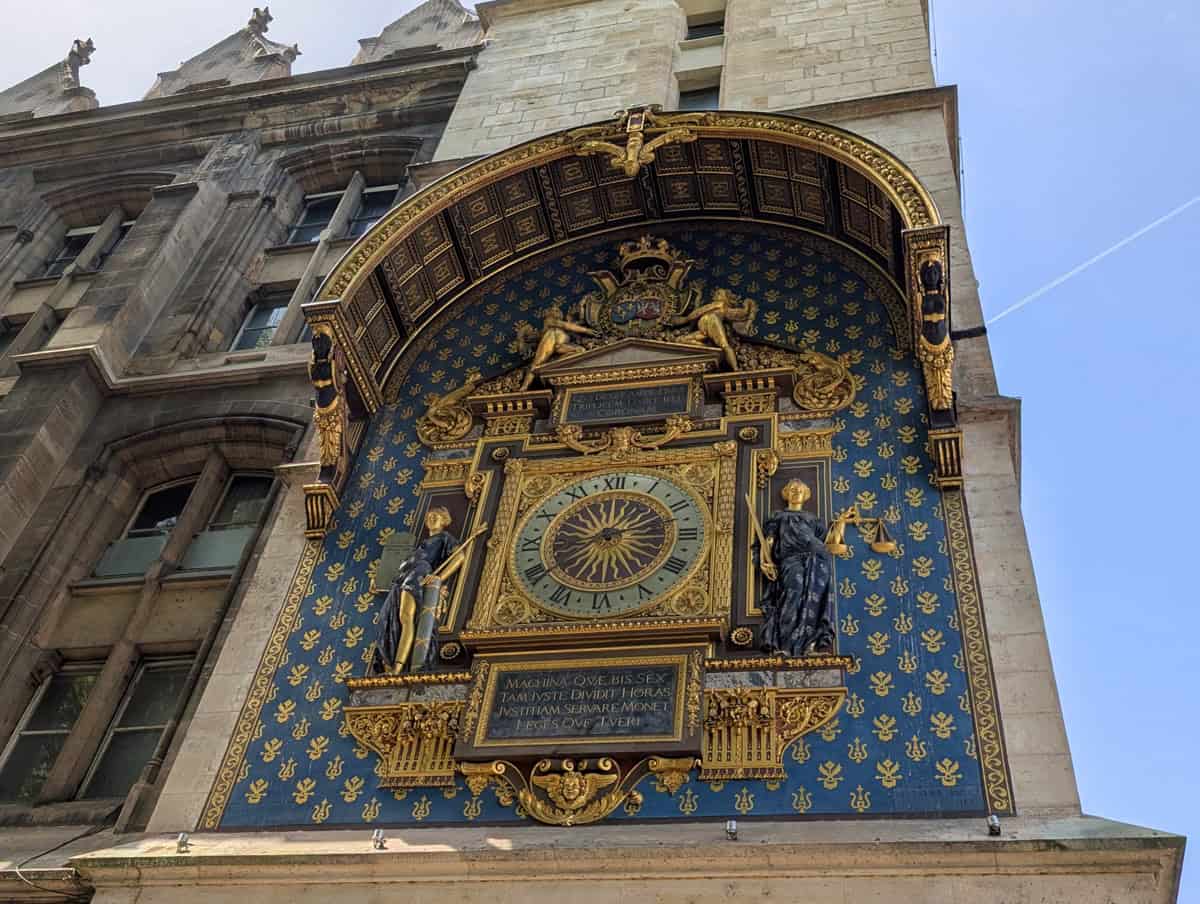
Note: The best option is to buy a ticket in combination with La Sainte-Chapelle. See above.
The above for us marked the end of our route, a convenient spot with the Cité metro station nearby.
Summing Up the 1st Arrondissement
Absolute “Must-sees”: the Louvre, Église Saint-Eustache, La Sainte-Chapelle.
Pleasant surprises: Galerie Véro-Dodat, La Samaritaine.
Related: June 2026: A month in Paris
Leave a Reply