
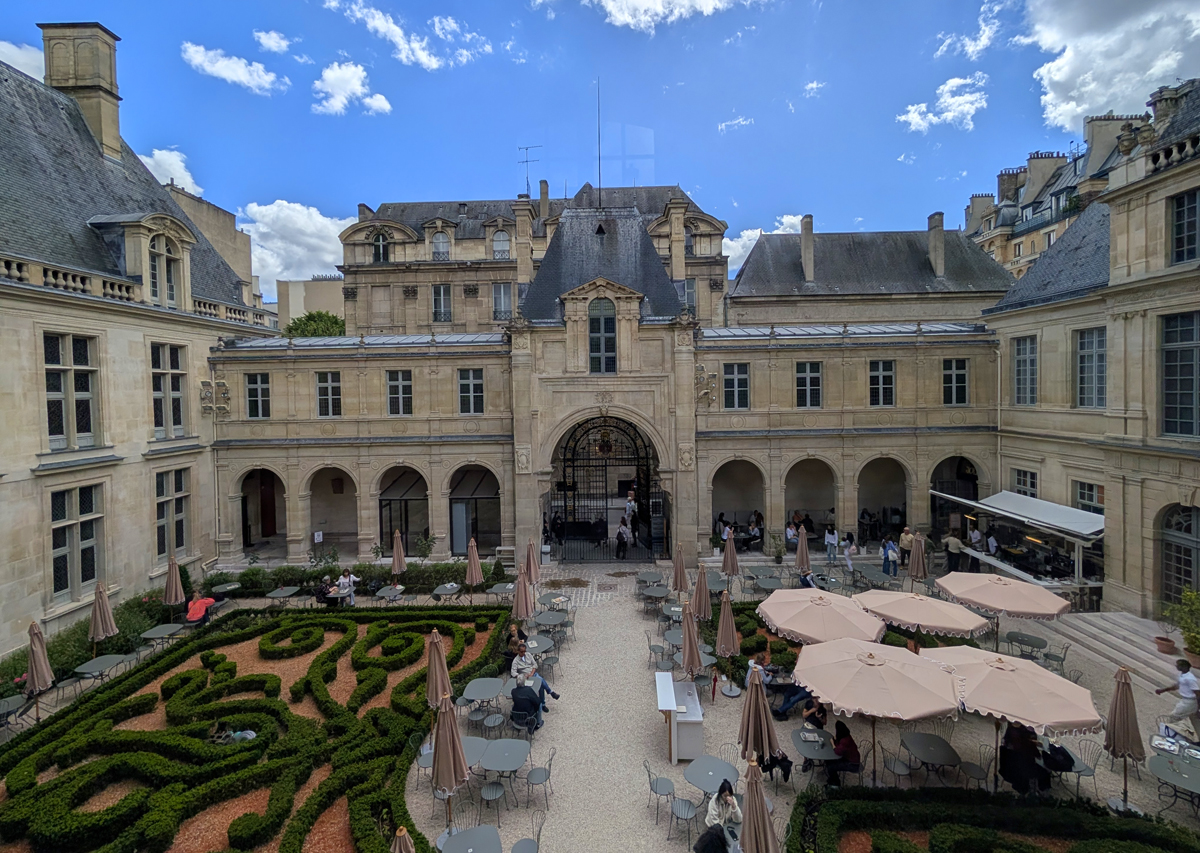
What to See in the 3rd Arrondissement of Paris.
Paris’s 3rd Arrondissement is a popular one among tourists. That was not always the case: the 3rd and the 4th arrondissements are known as Le Marais (“the swamp”) because that’s exactly what this area was before the 12th century. Today it is a historic and trendy district full of restaurants, cafés, food markets, LGBTQ+ venues and art galleries. The 3rd is also known for LOTS of Museums, including the city’s history museum as well as Paris’s Picasso Museum. I’ll mention a few of the museum choices further below.
This post covers the highlights of Paris’s 3rd Arrondissement as well as a suggested itinerary on visiting the district.
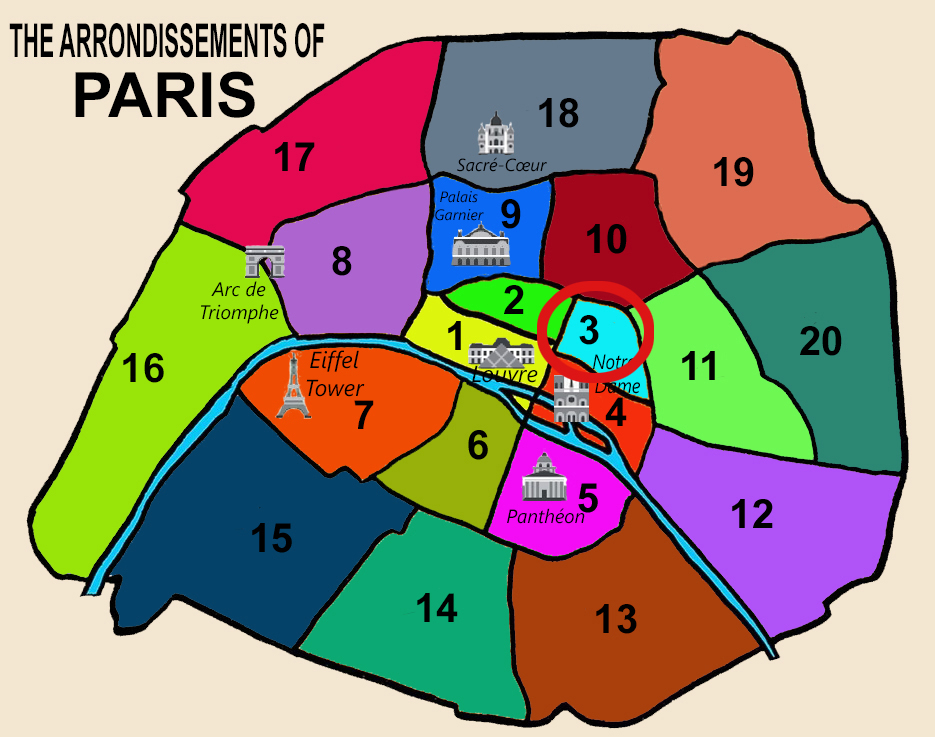
The 3rd Arrondissement In a few words: very touristy, young, trendy, narrow and convoluted streets, lots of restaurants and bars, momentous buildings and museums.
How to see the 3rd Arrondissement: We started at Place de la République (metro station République) and ended at Musée des Arts et Métiers (metro station Arts et Métiers). Although the Arrondissement is not big and the number of “highlights” not as numerous as some other Arrondissements, you’ll find yourself browsing and maybe getting distracted by exhibits in stores, galleries or getting lost in food markets. You’ll also want to visit at least a couple of museums. Bottom line, plan on most of a day to explore the district properly.
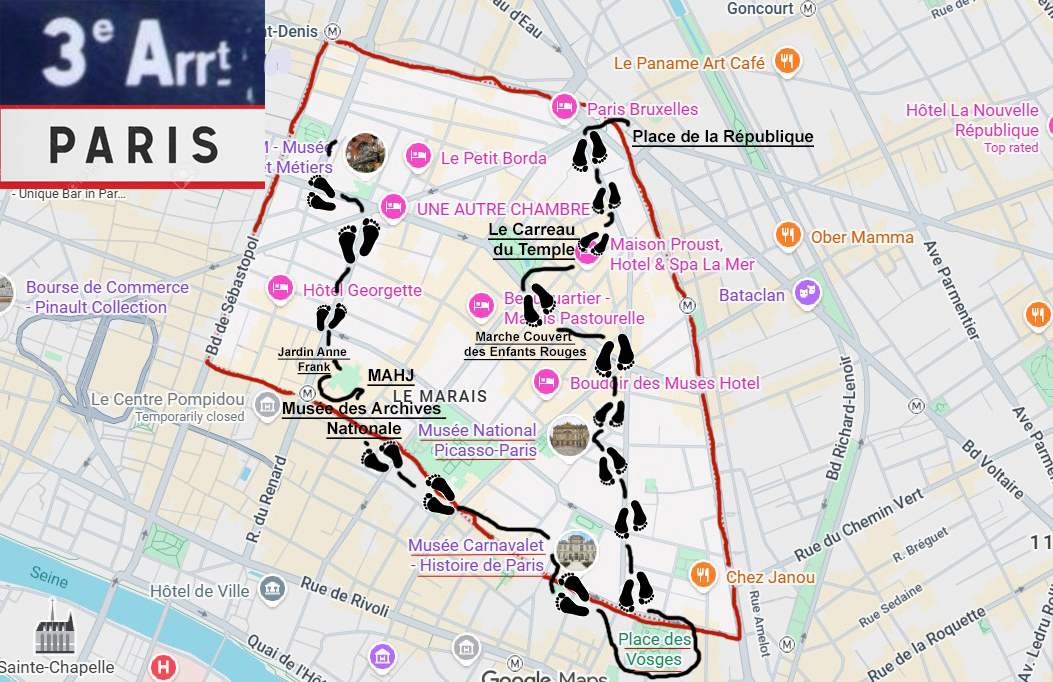
Highlights along the way:
Place de la République
Le Carreau du Temple
Marché couvert des Enfants Rouges
Musée National Picasso
Place des Vosges
Musée Carnavalet
Musée des Archives Nationales
Jardin Anne Frank
Plus more as you’ll see below
Note: many of the highlights straddle the border of the 3rd and 4th and you may end up crossing the street and finding yourself in the Bibliothèque Historique De La Ville De Paris (Library Historical of Paris) or Paroisse Saint-Paul Saint-Louis. Both are technically in the 4th but I’ll give them a mention below as well as covering them in more detail when I cover the 4th Arrondissement.
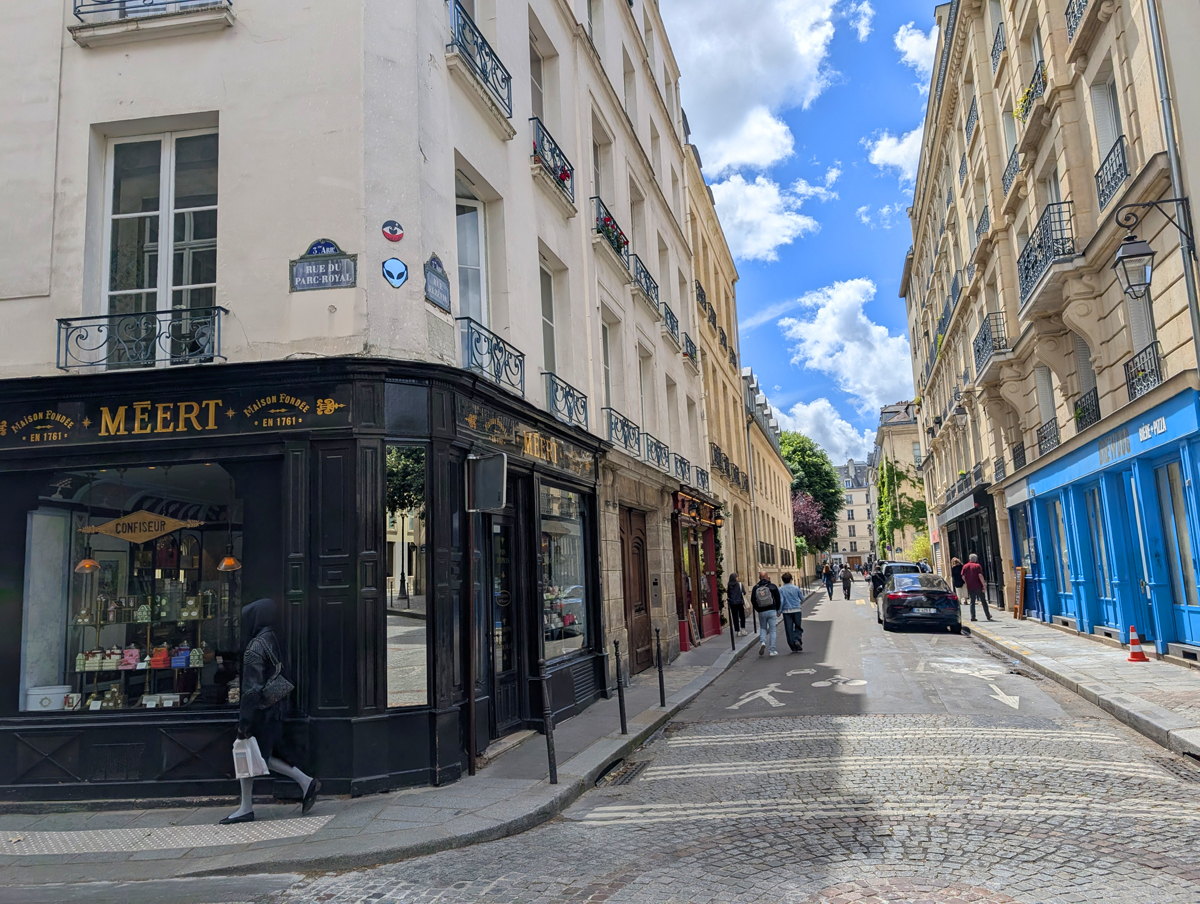
The 3rd Arrondissement of Paris in detail
Place de la République
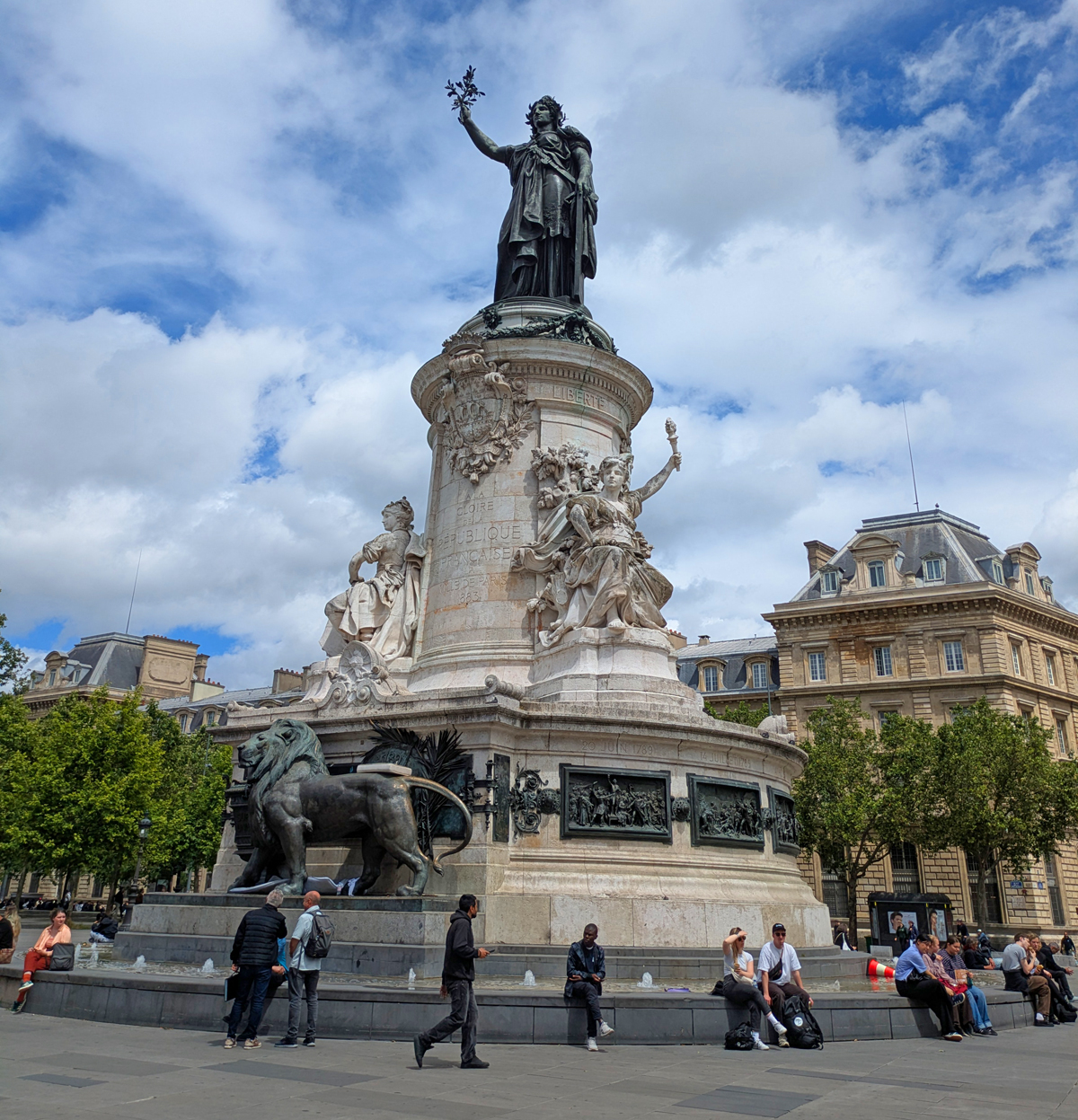
This large square is where three Arrondissements meet: the 3rd, 10th and 11th. It has a metro station (République) which makes it a logical starting point to exploring the 3rd.
In the center of the square is the Monument to the French Republic, the statue of Marianne. Marianne wasn’t a real person, she’s an emblem (since 1792) of the ideals of the French Republic: Liberty, Equality, and Fraternity*.
*Note: I previously wrote about the 1st Arrondissement and the Louvre. One of the most famous paintings in the Louvre is Eugène Delacroix’s painting of Marianne named “Liberty leading the people”. So Marianne is an important figure in French history.
Le Carreau du Temple
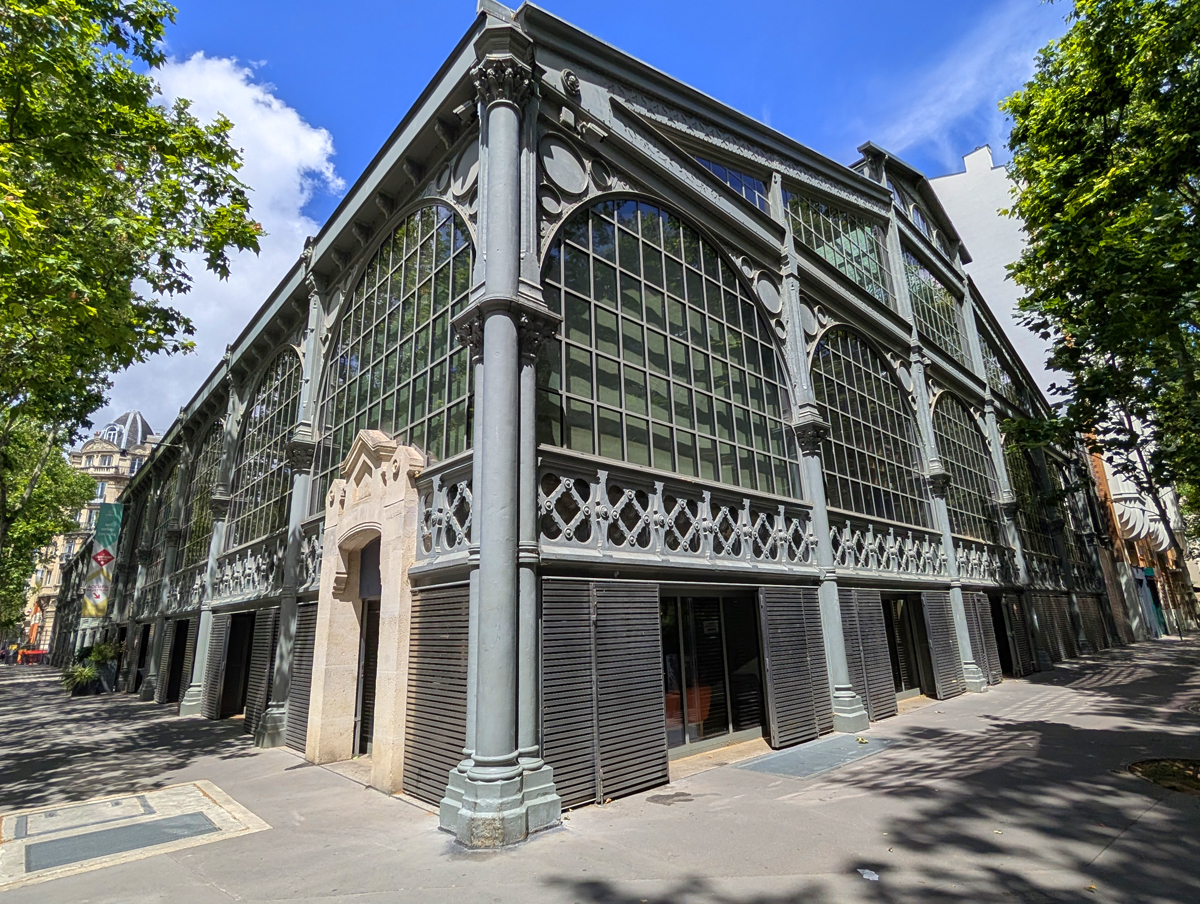
This mostly steel and glass building was built in 1863 and was a 2nd hand market of clothing and fabric. It was renovated and in 2014 re-opened as a hall where festivals, shows and fairs are held.
It’s not a major highlight on this route but worth seeing for what was an impressive architectural achievement at the time.
Marché Couvert des Enfants Rouges
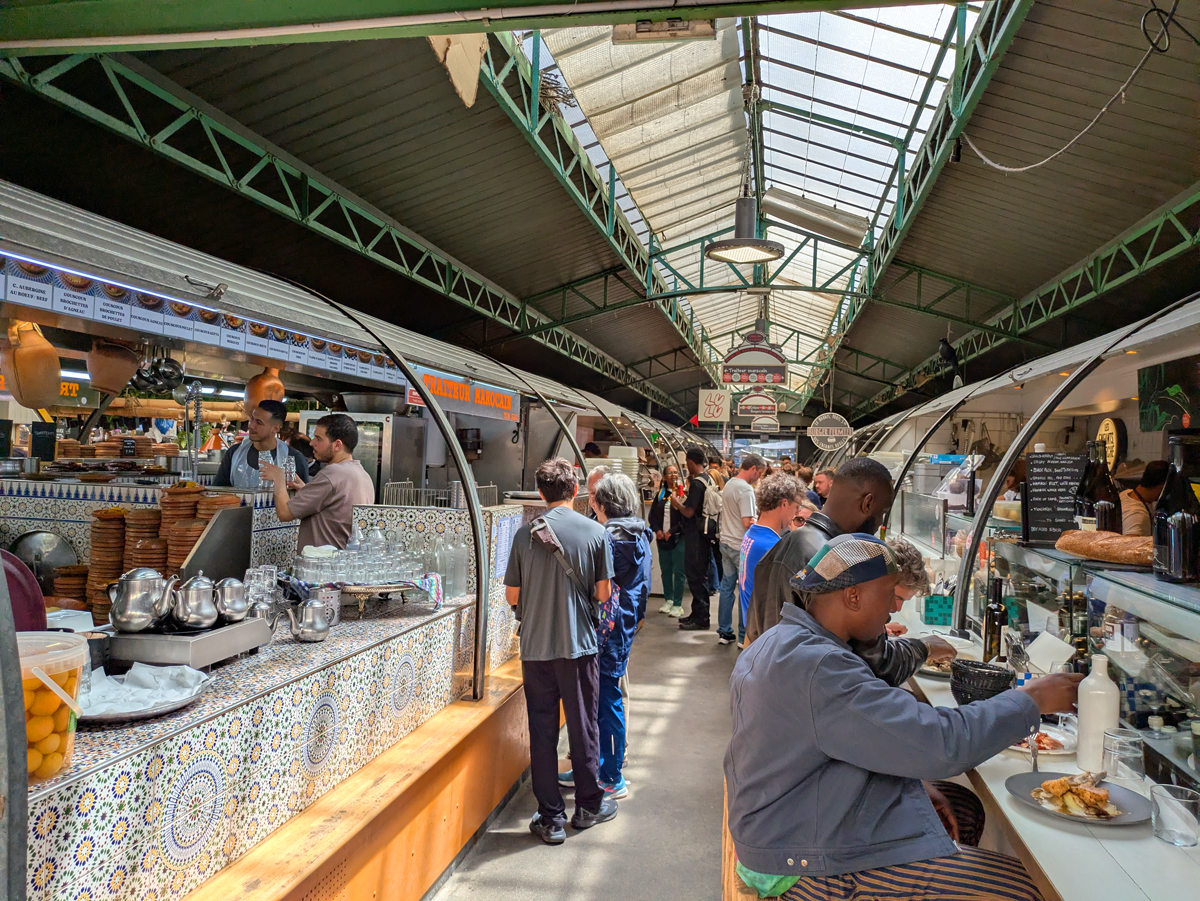
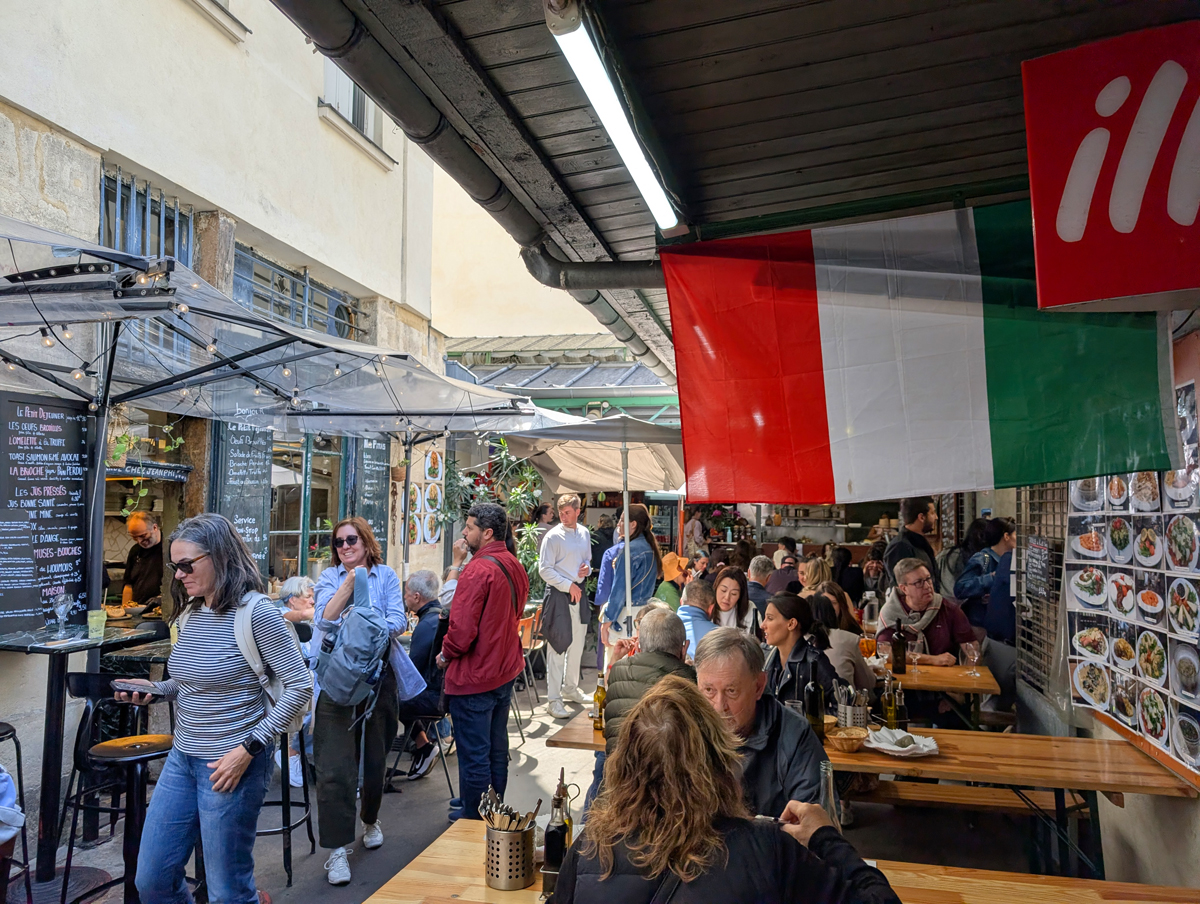
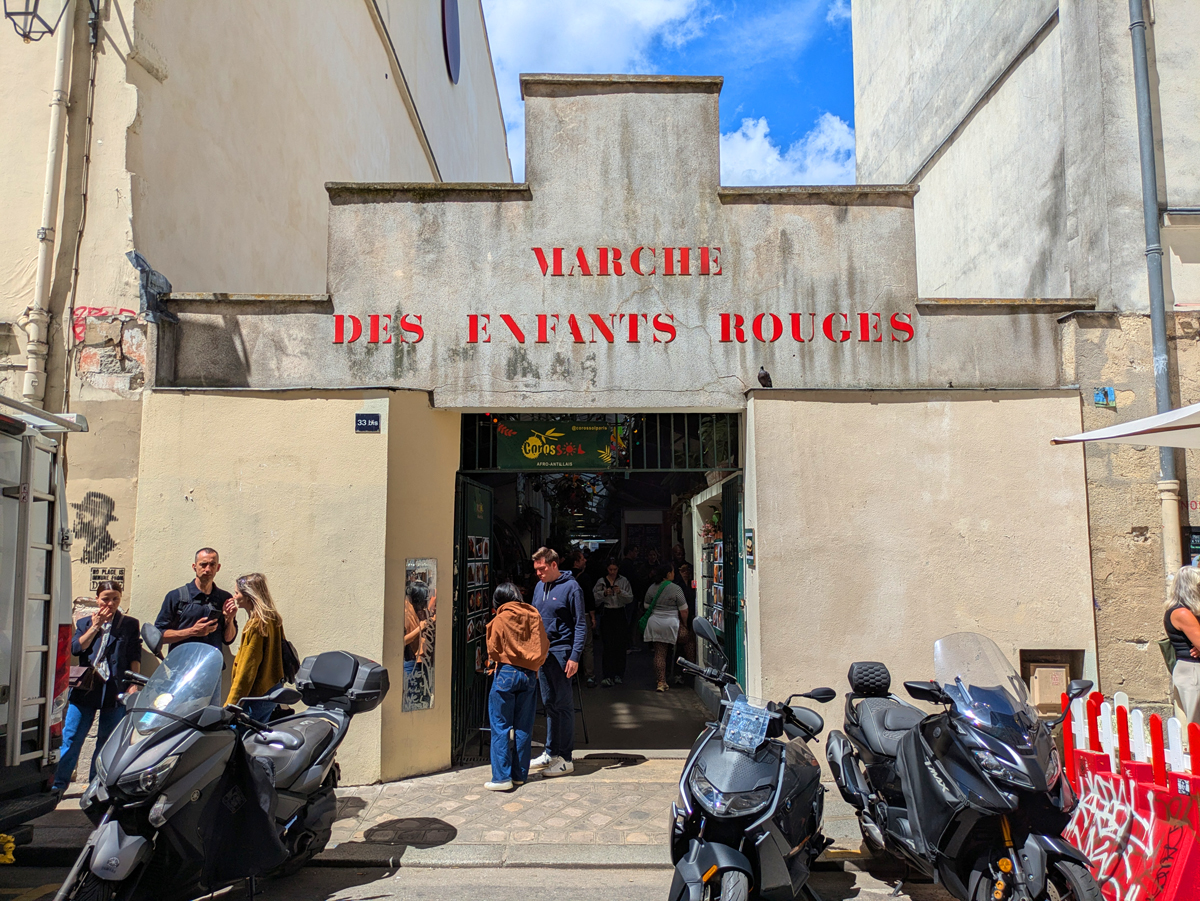
The oldest covered market in Paris, dating to the seventeenth century and named for a former orphanage whose children wore red. It’s not fancy but it is always full of people coming to fill up on food, especially at lunch time. Lots of international cuisine and a buzzing vibe.
If you don’t mind the crowds (mostly tourists it seemed to us) a good place to come for lunch.
Musée National Picasso
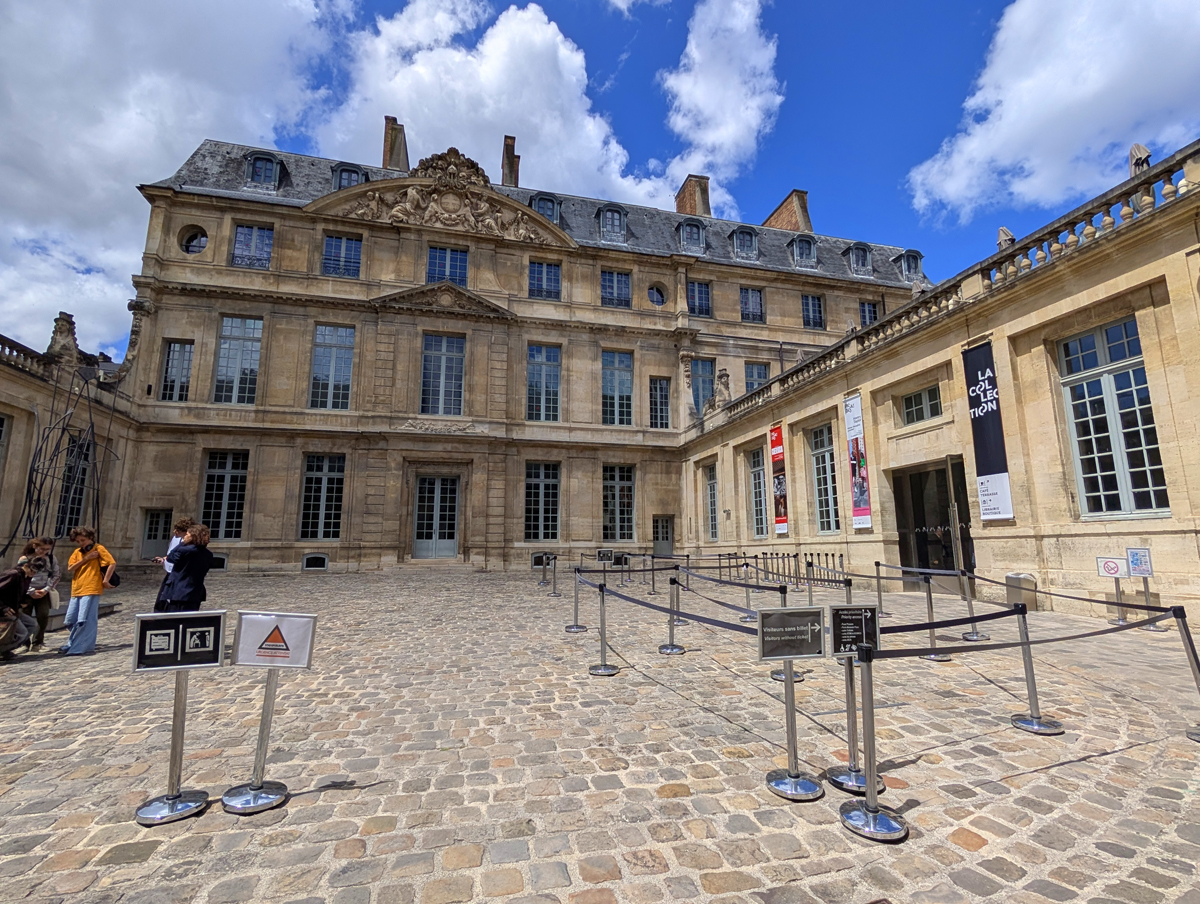
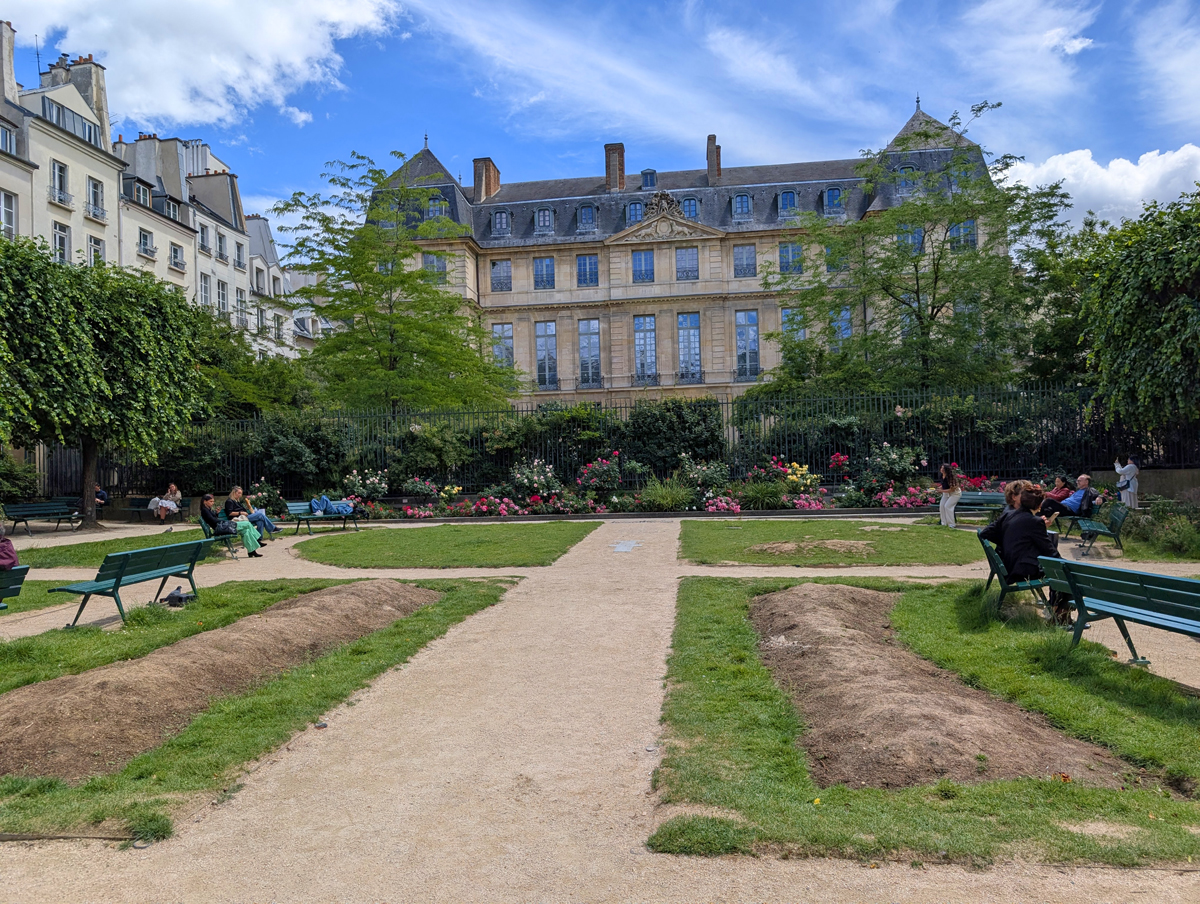
Located in the former Hotel Sale, the Musée Picasso houses over 5,000 works by Picasso, detailing the artist’s life and influences as well as works by other artists, including Cézanne, Matisse, and Rousseau. There are drawings, sketchbooks, photographs, and notebooks from his personal archives. Each phase of his life is brought to life with letters, photographs, and sculptures.
The building itself is gorgeous with over 50 beautiful bronze chairs, tables, benches, and light fixtures by Diego Giacometti, who was commissioned for the opening of the museum.
Museum website. General Tickets cost 12 Euros.
Note: We intended to visit the museum separate to a visit of the 3rd as it needs between 90 minutes to 2 hours to visit. Unfortunately we ran out of time – we’ll come back on our next visit to Paris.
Place des Vosges
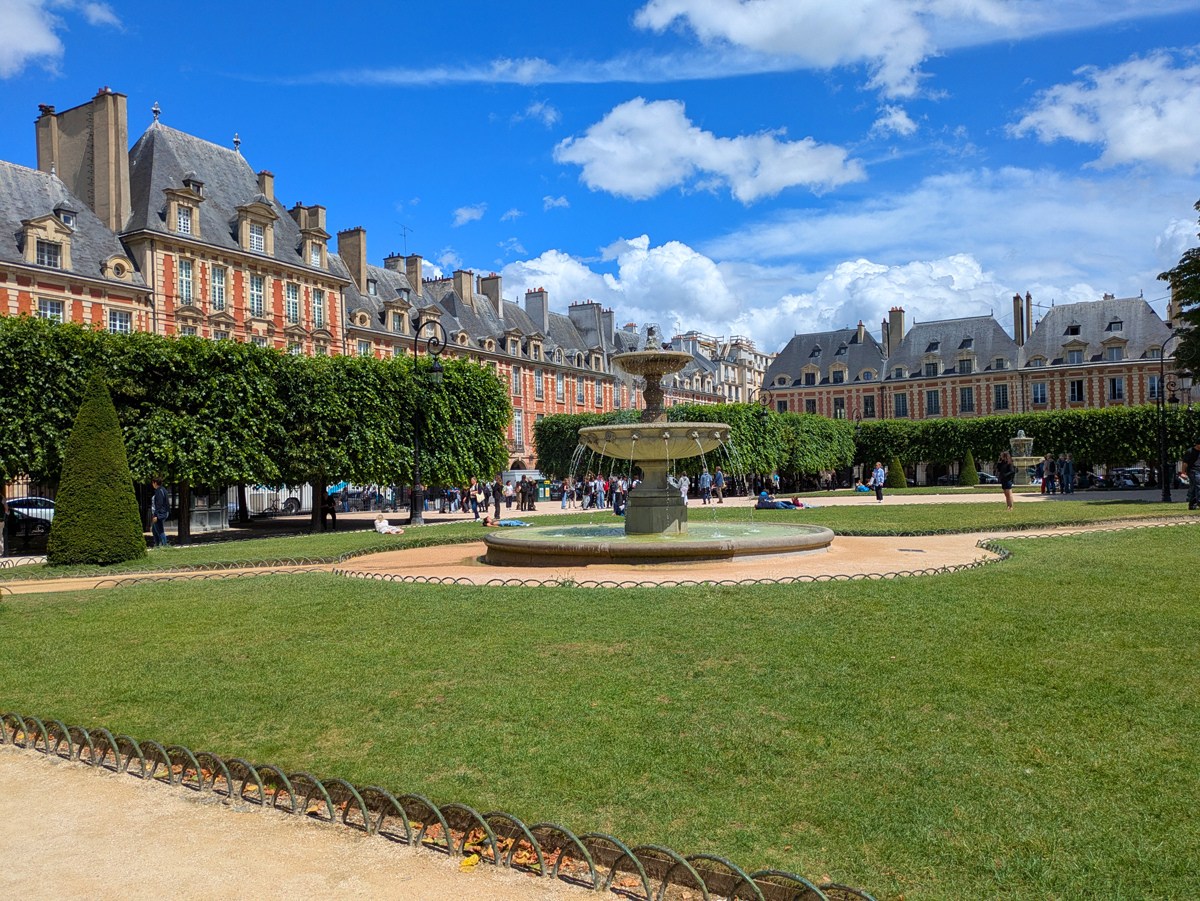
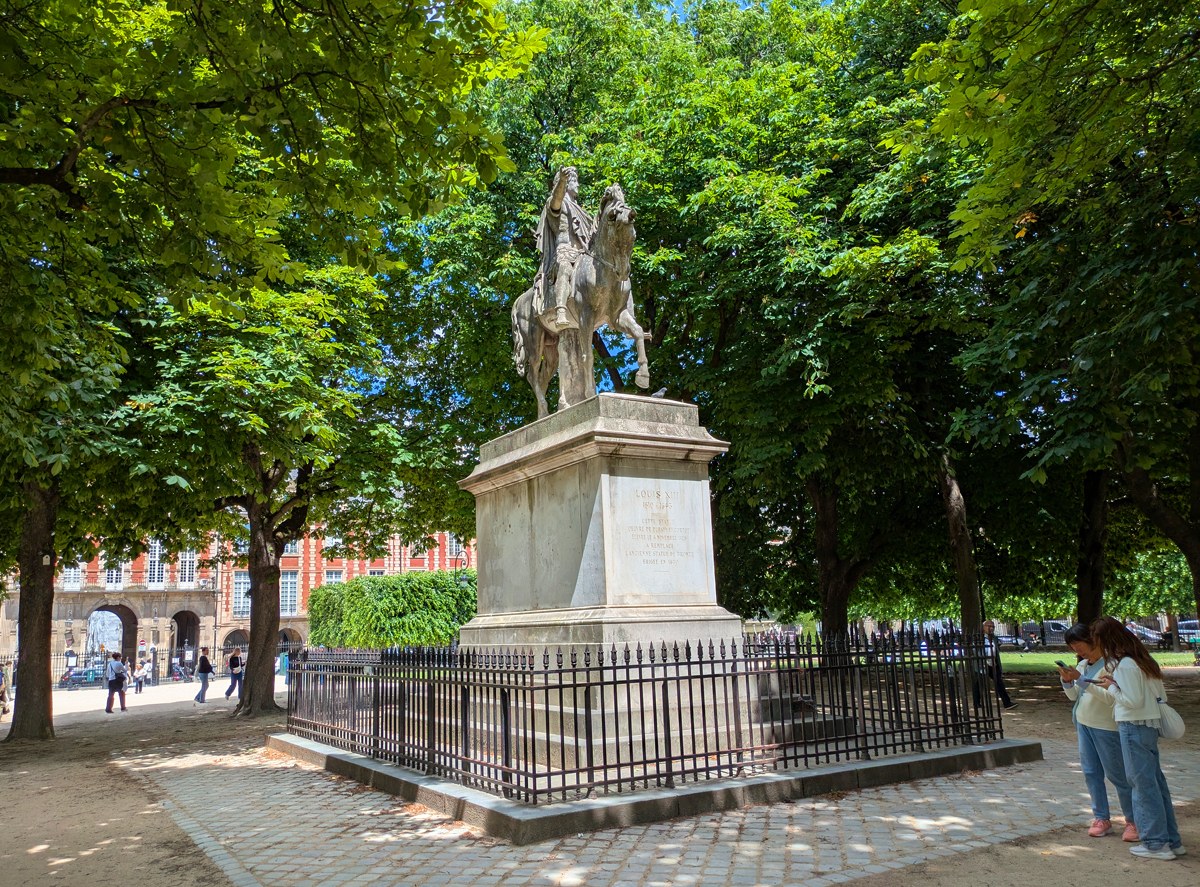
Place des Vosges, built between 1605 and 1612, is the oldest planned square in Paris and one of 5 Royal Squares in Paris*.
*The others are Place des Victoires (in the 2nd), Place Dauphine (in the 1st), Place Vendôme (in the 1st) and Place de la Concorde (in the 8th).
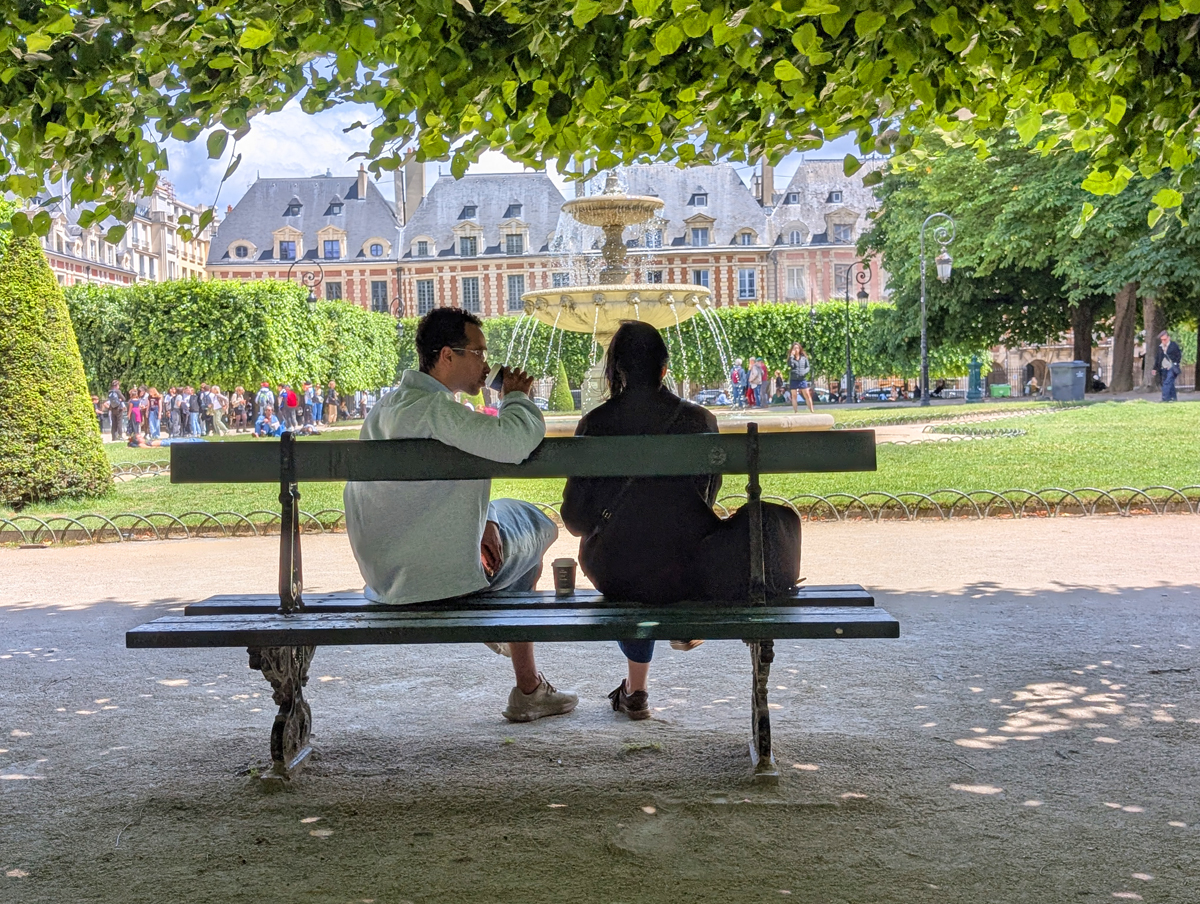
It’s a beautiful square built of uniform red brick houses over vaulted arcades. The well-to-do lived here and, until the French Revolution, it served as a meeting place for chats in the park. In the center of the park is a statue of Louis XIII. Once of the most famous residents of the square was Victor Hugo the French writer. Today his home is a museum (interesting if you are a Hugo fan).
Musée Carnavalet (the history museum of Paris)
It’s the oldest museum in Paris and is dedicated to the history of the city. An excellent museum that’s also free to visit.
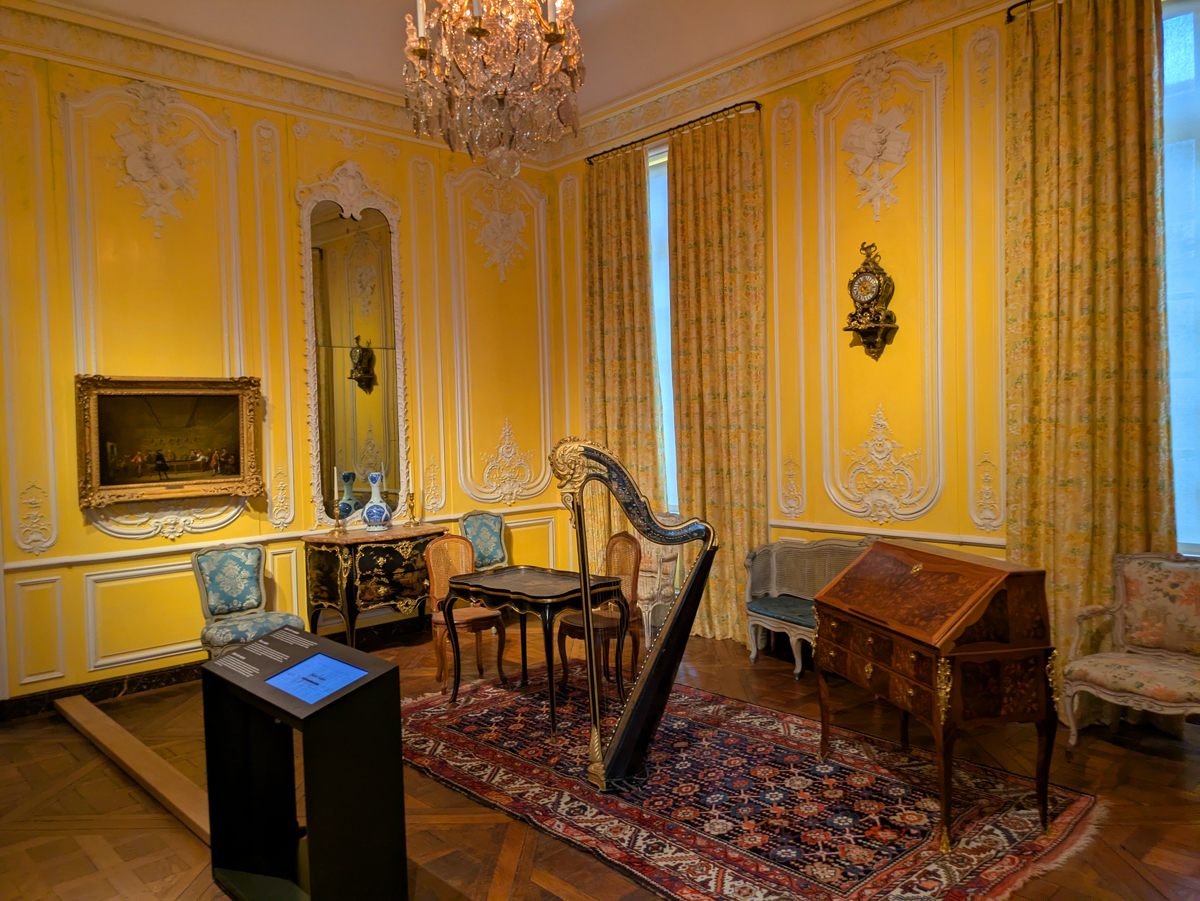
The Carnavalet covers Paris’s history from different angles: archaeology, fine art, urban history and social anthropology. You’ll see old maps of Paris, store signs from the 18th and 19th centuries, Roman artefacts, models of the city, beautiful 18th-century rooms that used to be the residence of French nobles.
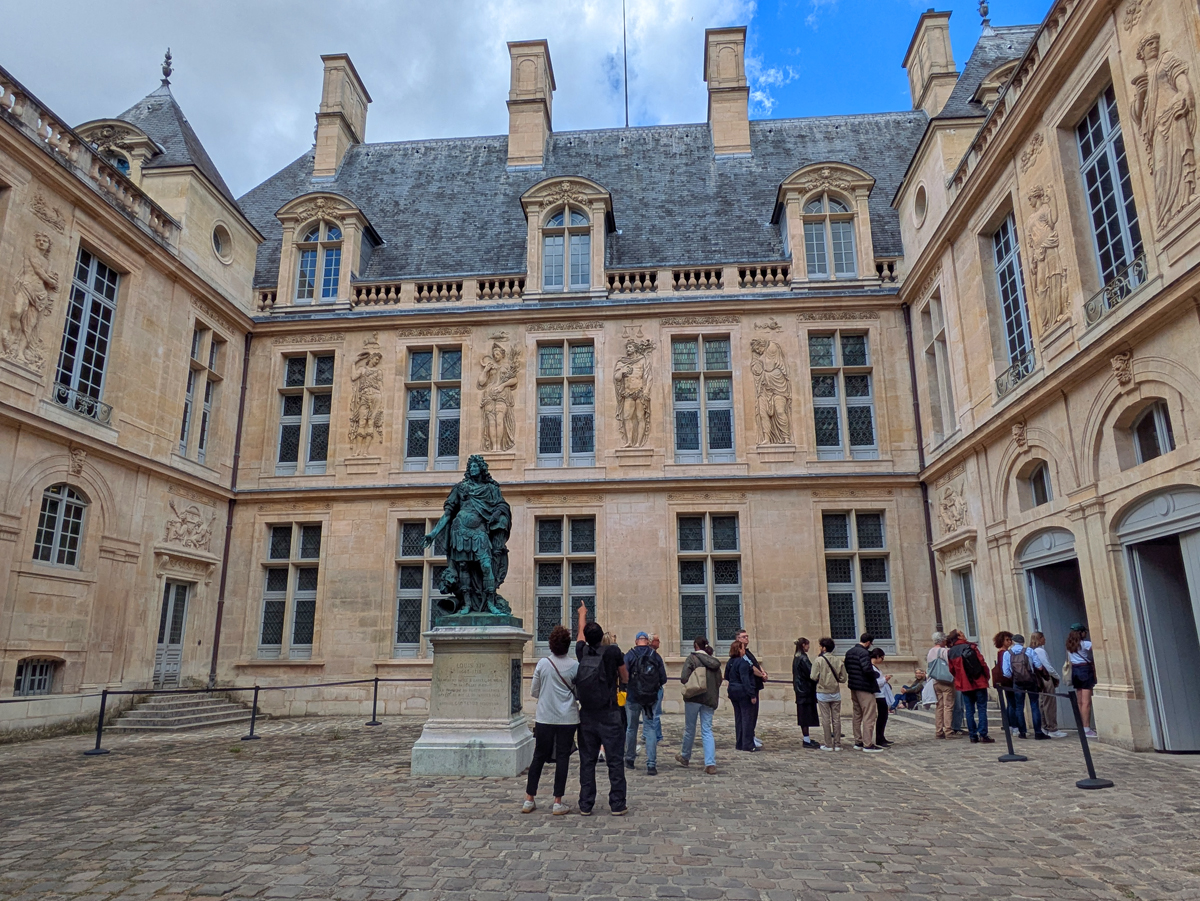
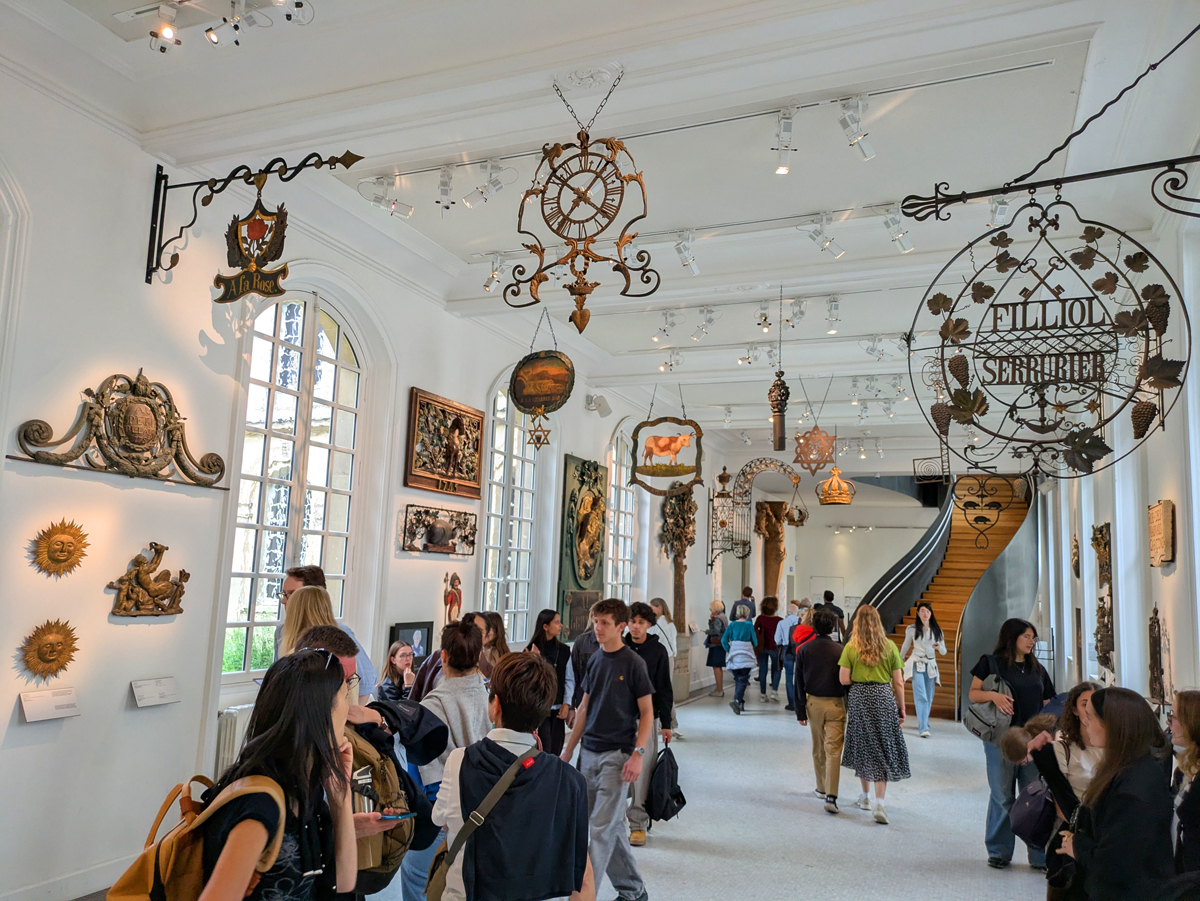
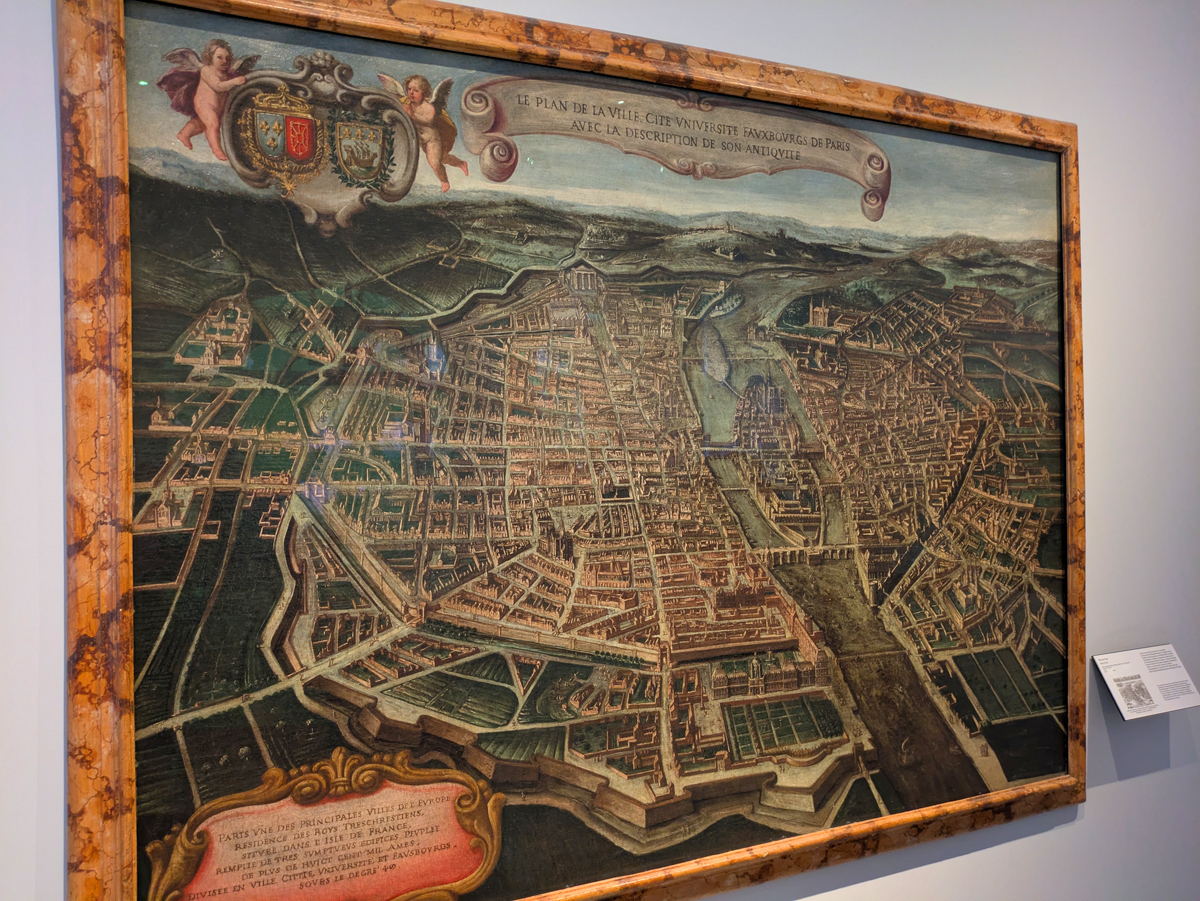
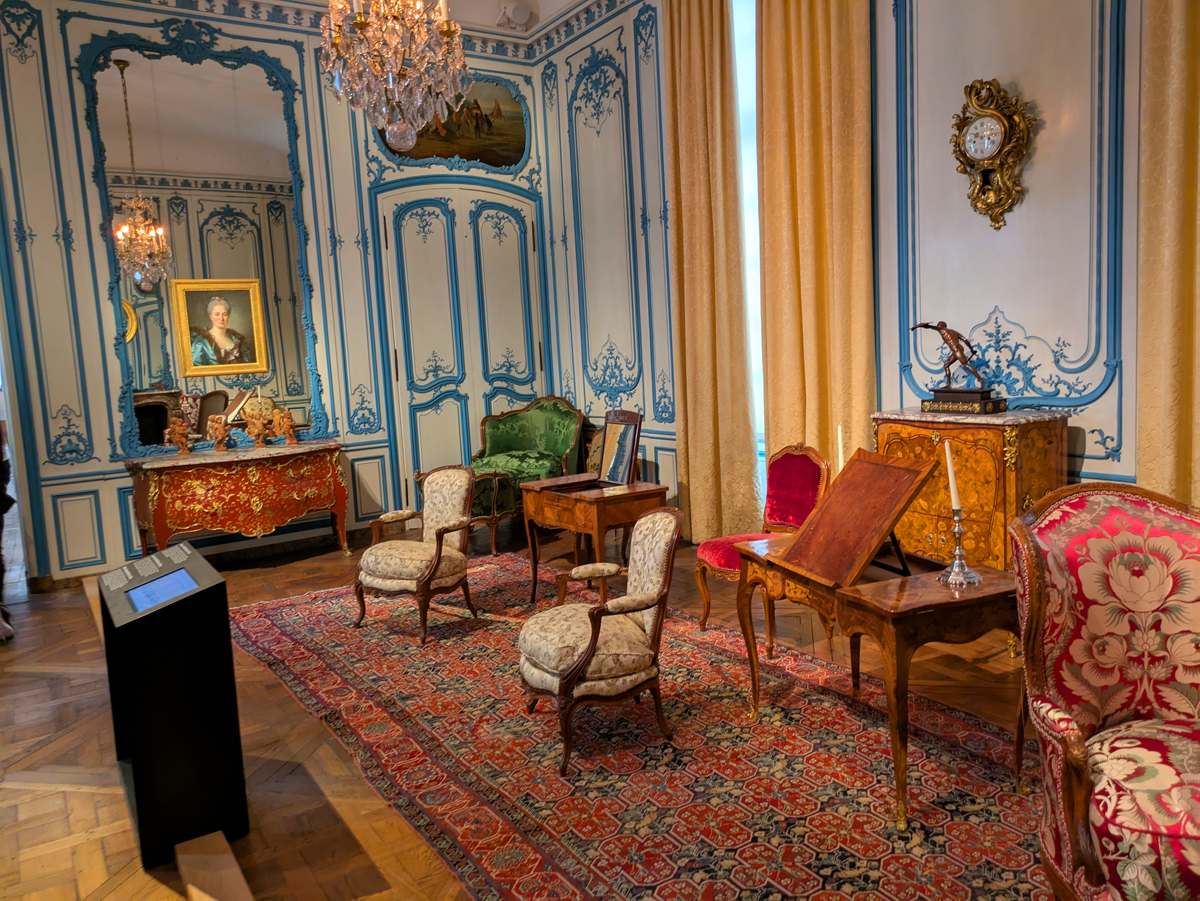
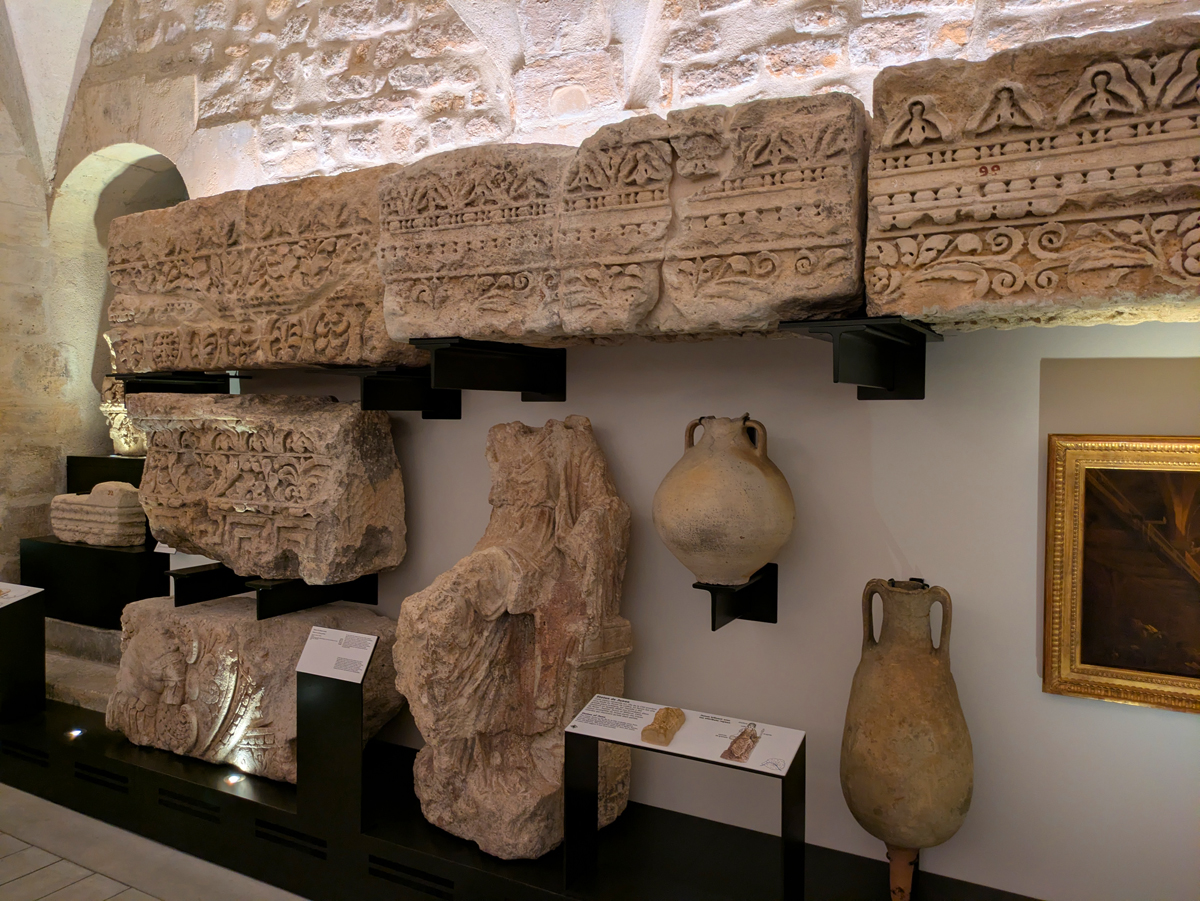
If you don’t have time, make sure to prioritize this museum. Firstly, it’s the only museum in Paris dedicated to the city’s history. Secondly, it’s situated in 2 mansions with gardens between them. A beautiful setting.
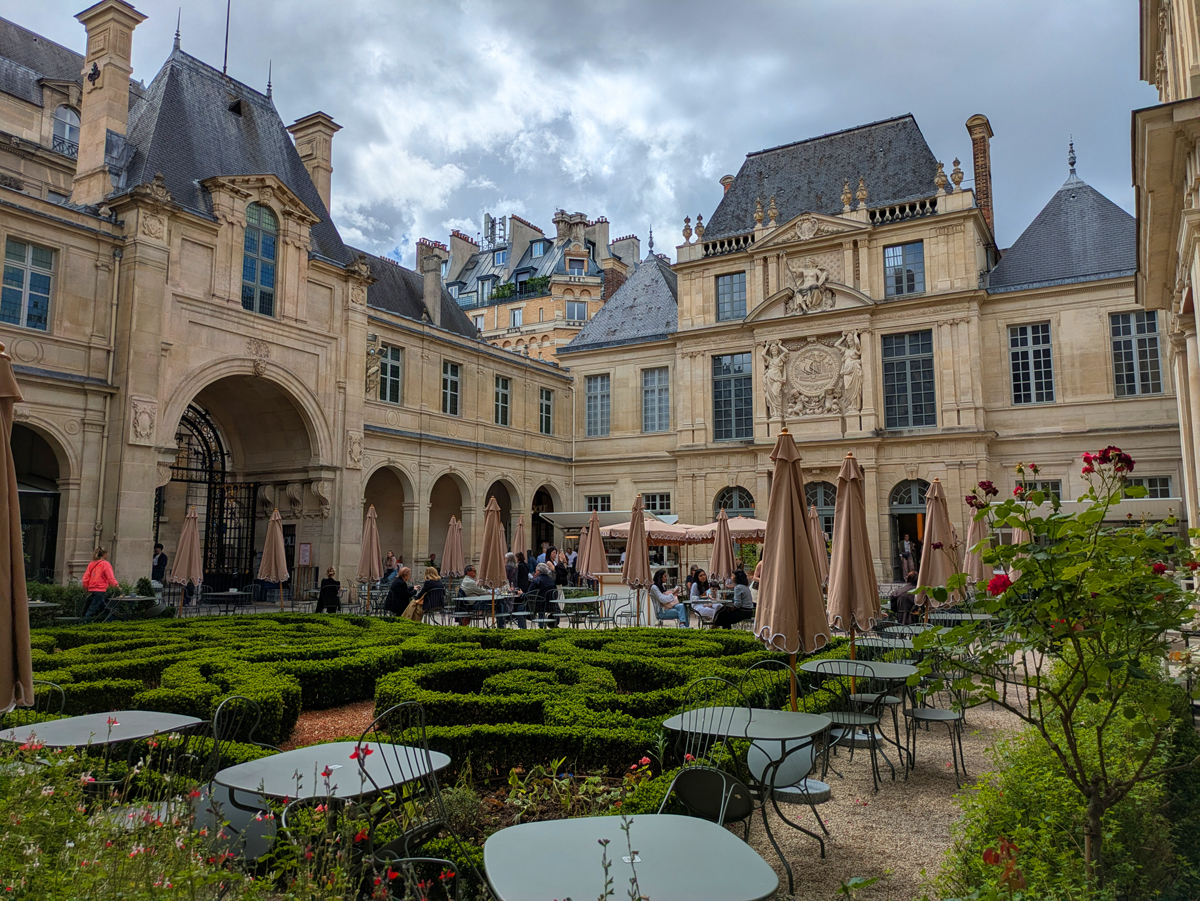
Note: after Musée Carnavalet, you might want to peak into a couple of places that are technically in the 4th arrondissement. Right across from the museum is Bibliothèque Historique De La Ville De Paris (Library Historical of Paris). We were attracted by the exhibit of photos of Paris in the 1970’s which were on display in the courtyard. Totally free and fascinating. Inside the library are some beautiful reading rooms. One block south of the Musée Carnavalet is the Paroisse Saint-Paul Saint-Louis, an impressive Jesuit church built in the early 1600’s.
Musée des Archives Nationales
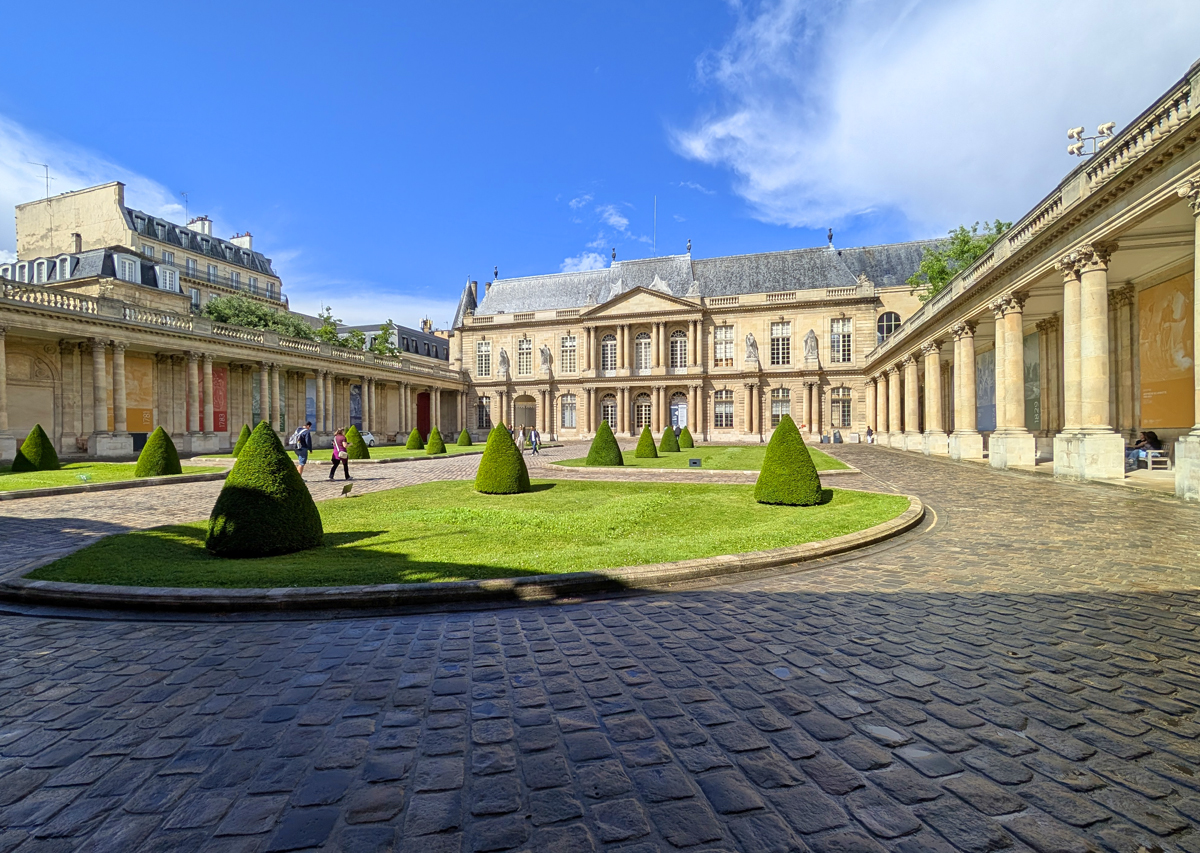
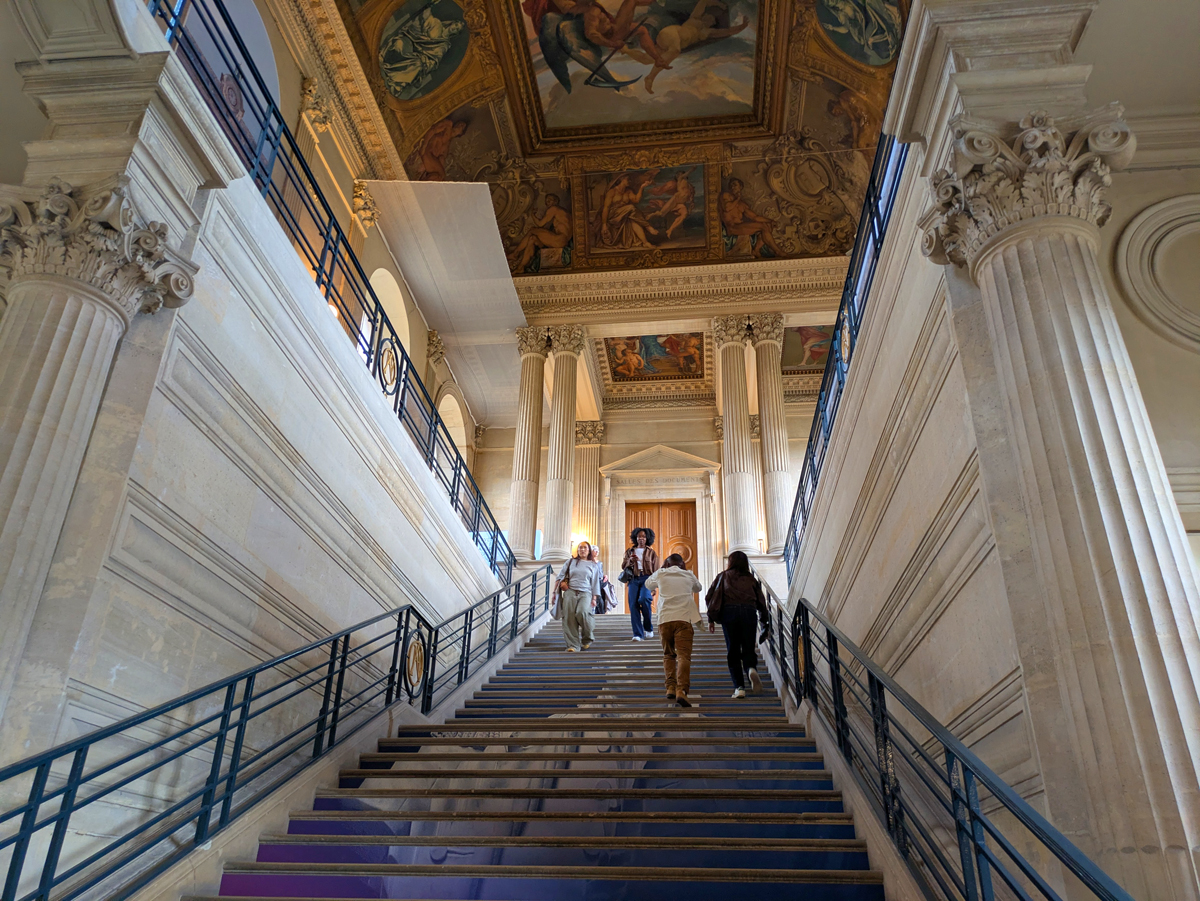
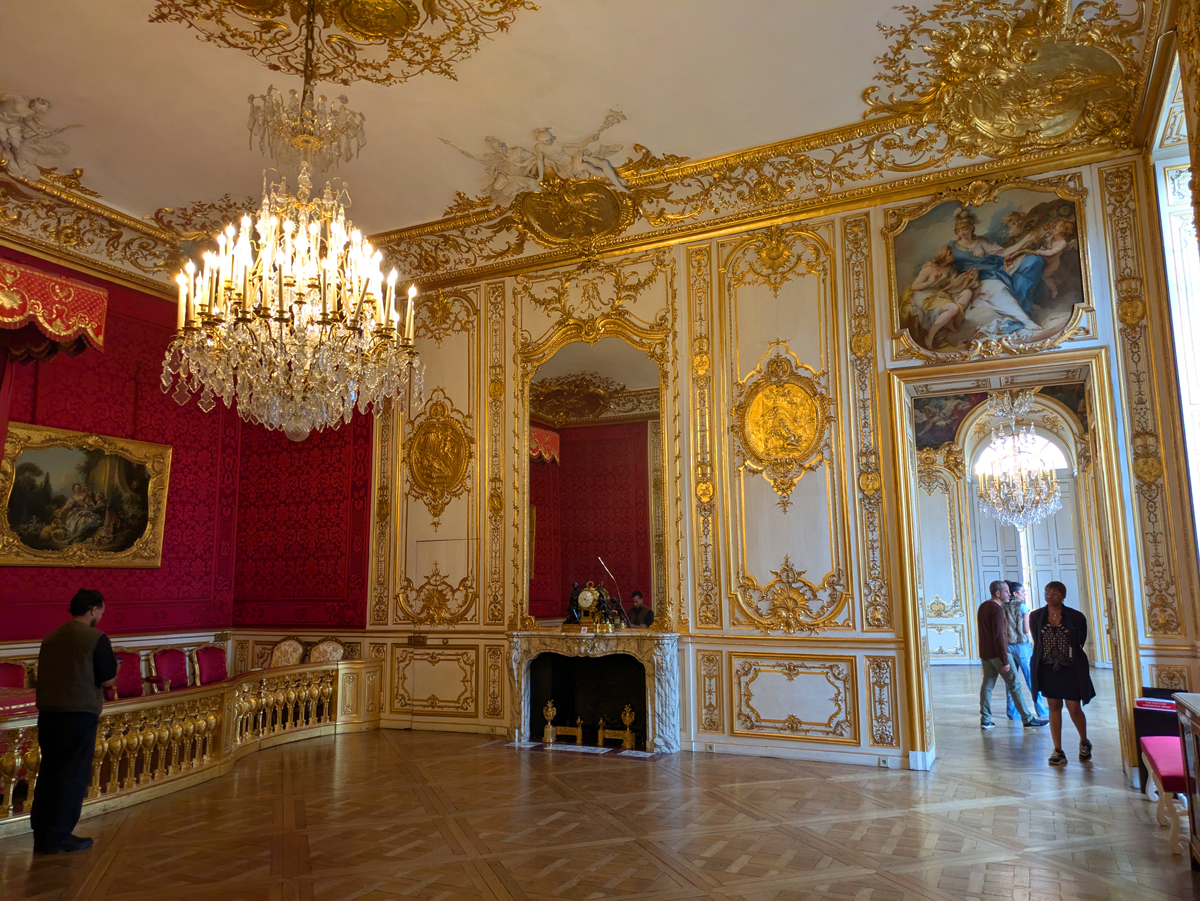
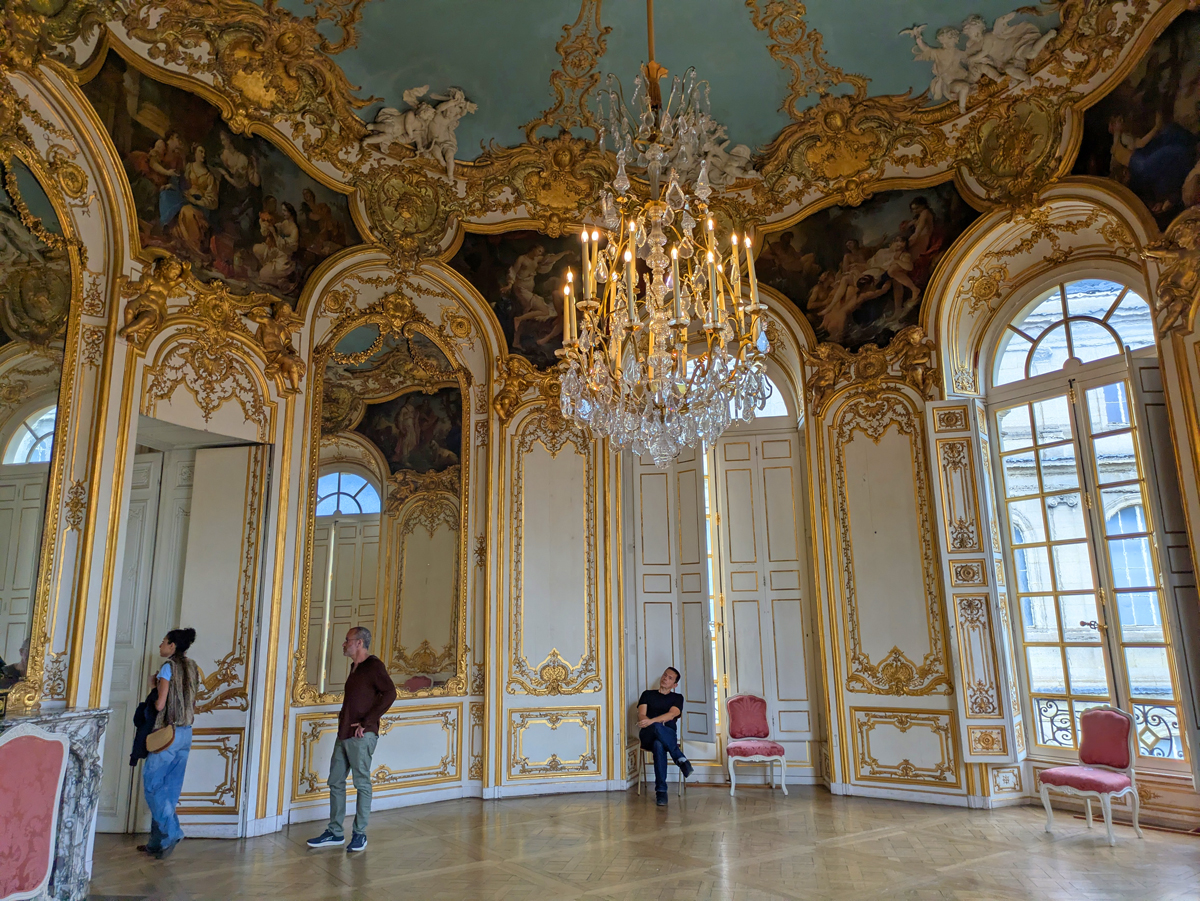
Another free museum, this one housed in a huge mansion. The subject is pretty dry; documents and lots of it. Many of these documents have touched the hands of the most famous French personalities from history: Napoleon, Marie Antoinette, Louis XIV, Louis XVI, Henry IV and Cardinal Richelieu.
But even if the subject is a bit dry you can’t help but be wowed by the setting. The Hôtel de Soubise was built for the Prince and Princess of Soubise and was later, in 1808, declared a property of the state.
More Museums in the 3rd
Musée de la Chasse et de la Nature. Just around the corner from Musée des Archives Nationales. We didn’t visit but have heard about its excentric collection of stuffed animals and hunting weapons. If that’s your interest it gets good reviews on Tripadvisor.
MAHJ. The Musée d’Art et d’Histoire du Judaïsme (Museum of Jewish Art and History). Le Marais (the 3rd and 4th Arrondissements) was historically the old Jewish quarter of Paris. This museum is the largest museum of Jewish art and history in France.
Musée des Arts et Métiers. It’s Paris’s Science and Technology museum. The museum presents seven different collections: Scientific Instruments, Materials, Energy, Mechanics, Construction, Communication and Transportation. It’s a well-reviewed museum and you’ll see cars, planes and the Foucault pendulum (named after a French physicist).
Jardin Anne Frank
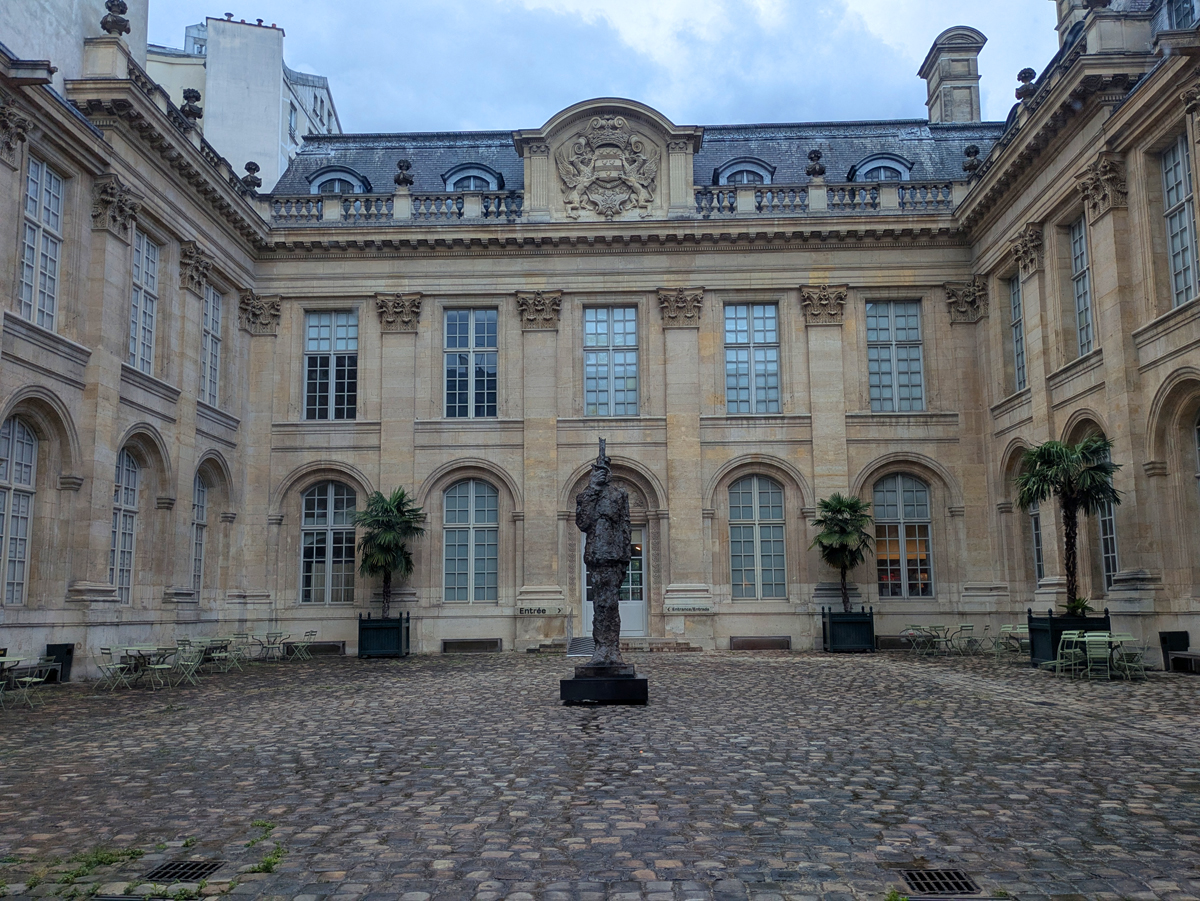
This pretty green spot is hidden amidst the busy streets of the 3rd. As mentioned above, this part of the city was the old Jewish quarter of Paris so when this park opened in 2007 they decided to name it after Anne Frank (it is located right around the corner from the Museum of Jewish Art and History). I’m not going to tell you that the park will change your life but you might find it interesting considering who it is dedicated to.
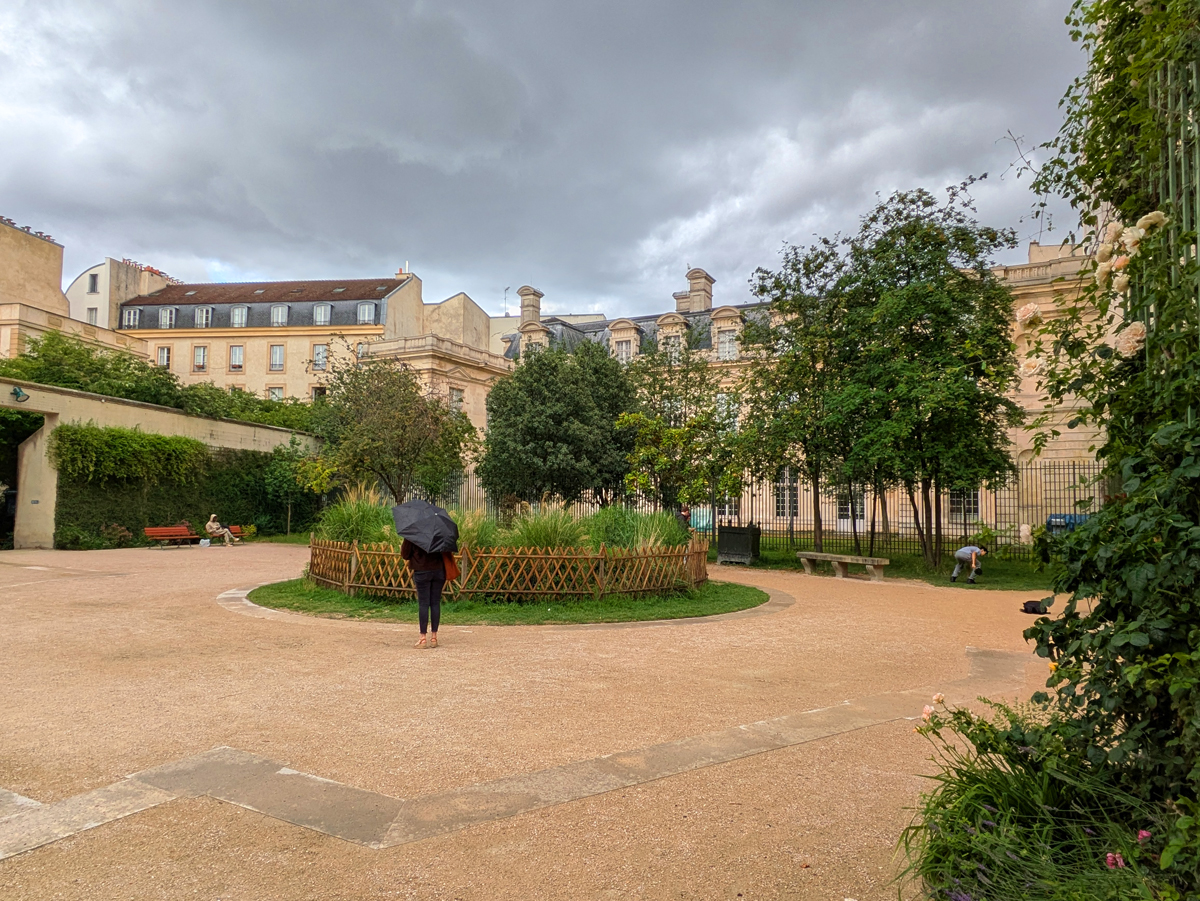
We finished our walk of the 3rd Arrondissement at Arts et Métiers metro. There you’ll find the Musée des Arts et Métiers (which I mentioned above). Close by you’ll see a pretty park (Square Émile-Chautemps) across from a theatre (La Gaîté Lyrique).
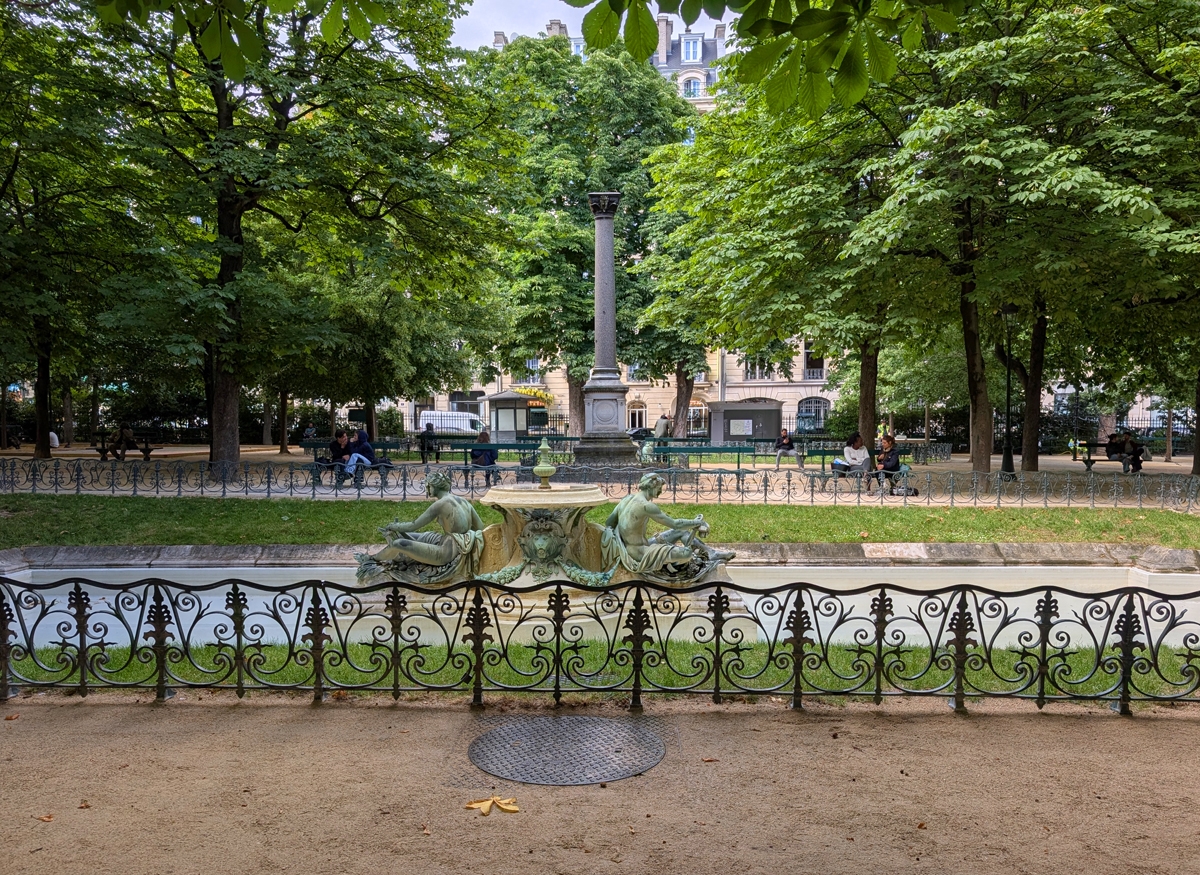
As I state off the top: the 3rd isn’t big and isn’t filled with famous highlights…but there’s lots to see and you can easily find yourself spending the day in this Arrondissement.
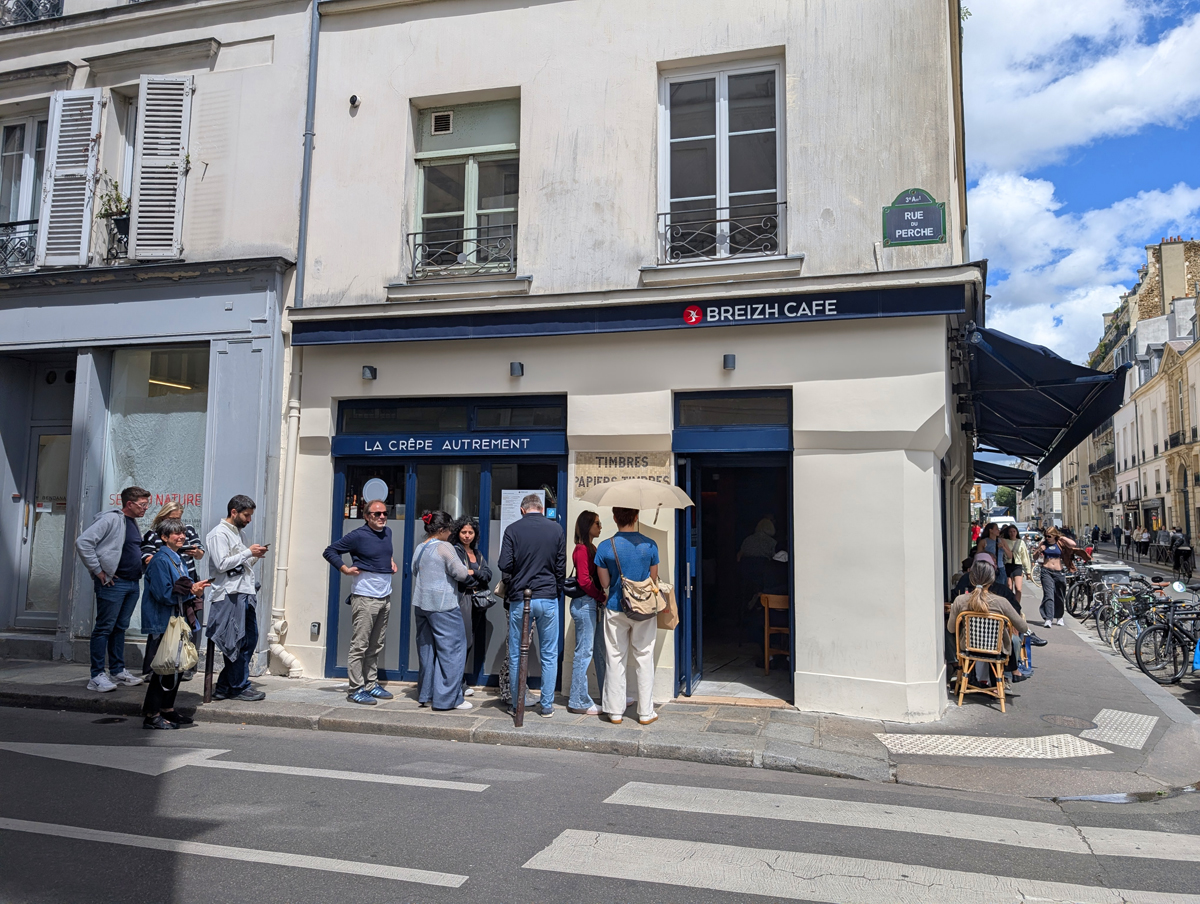
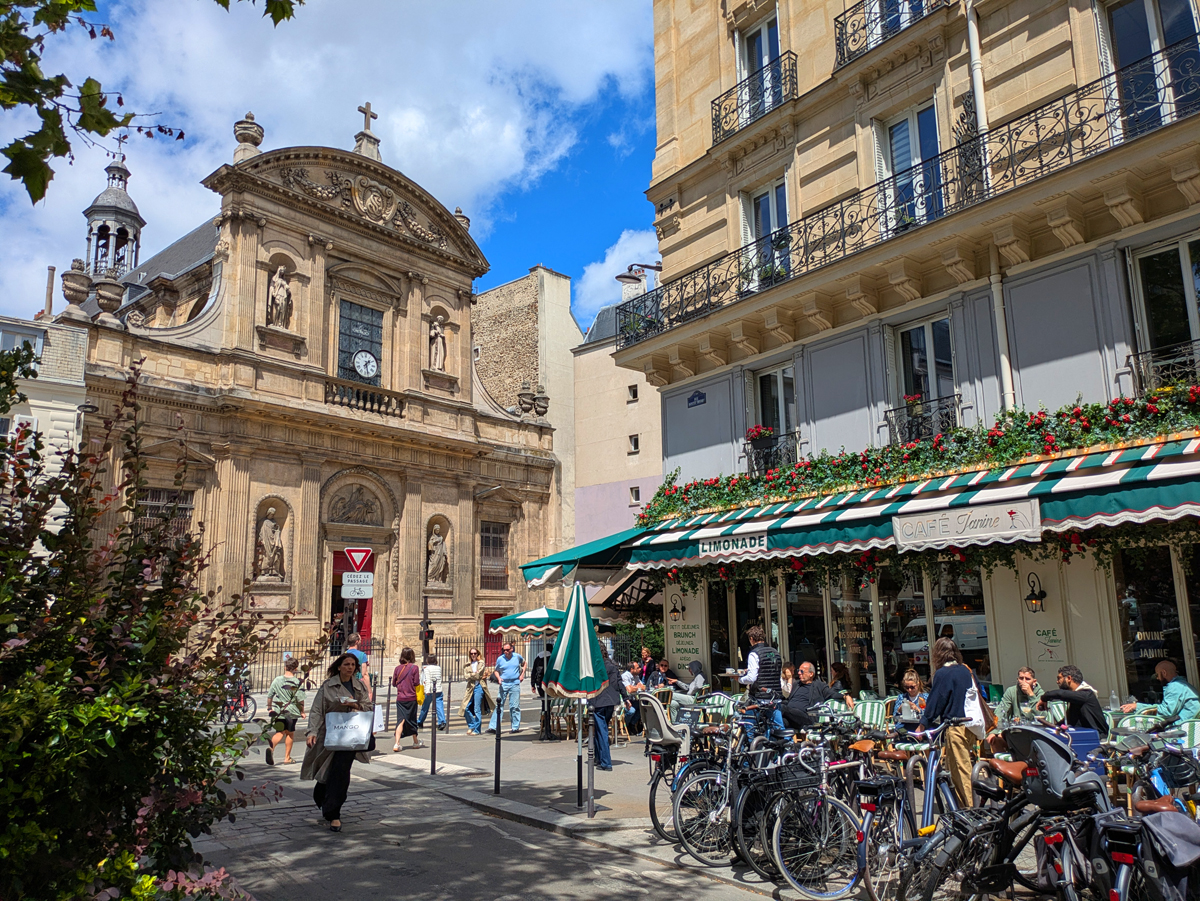
A few more photos from around the 3rd
Summing up Paris’s 3rd Arrondissement
Absolute “must-sees” in the 3rd: Place des Vosges (Paris’s oldest Planned square), Musée Carnavalet (Paris’s history museum) and Musée des Archives Nationales (for the grandeur of the building). The Musée National Picasso if you’re a Picasso fan and Marché couvert des Enfants Rouges if you’re into food markets.
But the 3rd is more than just highlights, it’s an area to “Flâner” as the French say (Flâner = to stroll, saunter, or wander aimlessly with no specific destination, simply to enjoy the surroundings and watch the world go by).
Related: What to See in the 2nd Arrondissement of Paris
Related: What to See in the 1st Arrondissement of Paris
Leave a Reply