
What to See in the 2nd Arrondissement of Paris.
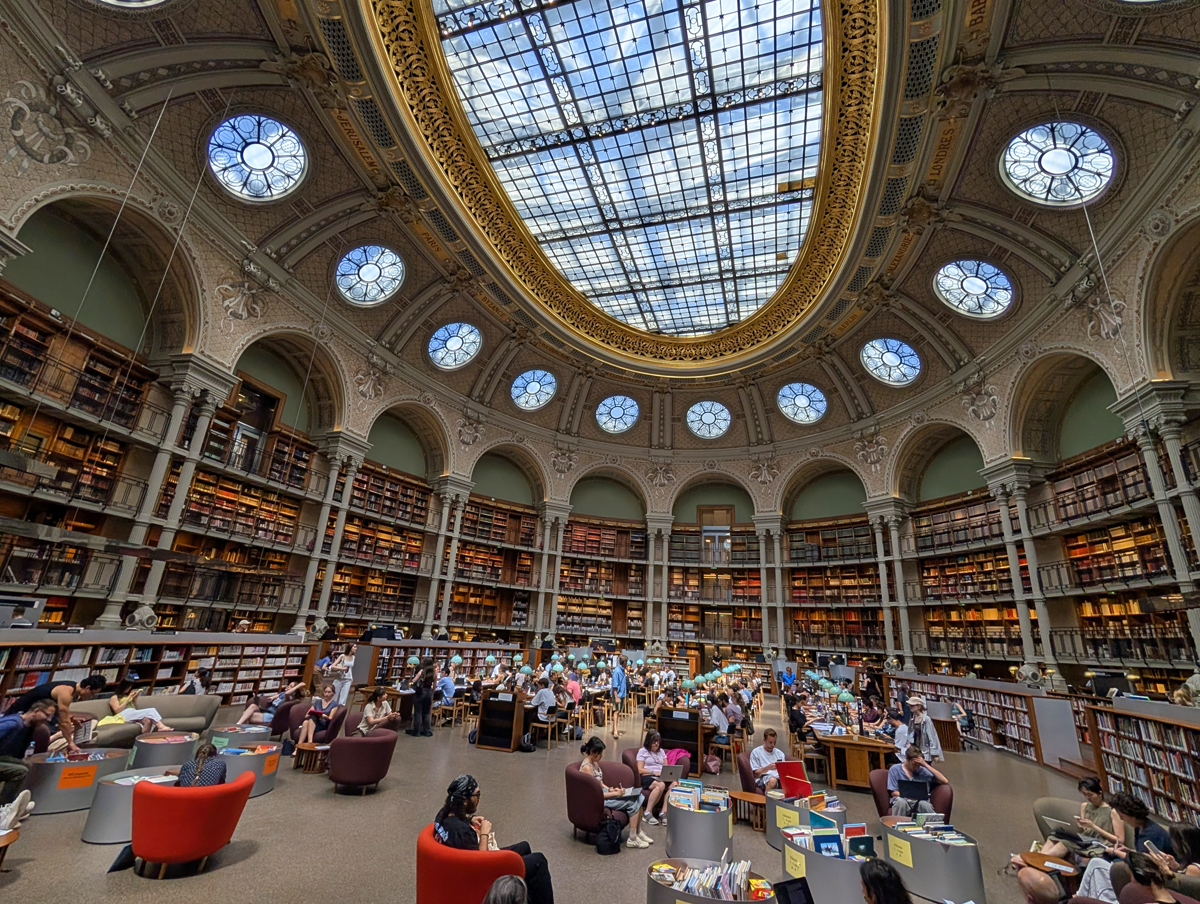
Paris’s 2nd Arrondissement is the smallest of the 20 Arrondissements and maybe the most overlooked. And it might not have the big name highlights of the more popular districts surrounding it but it has some surprises, including one particular surprise that blew our socks off.
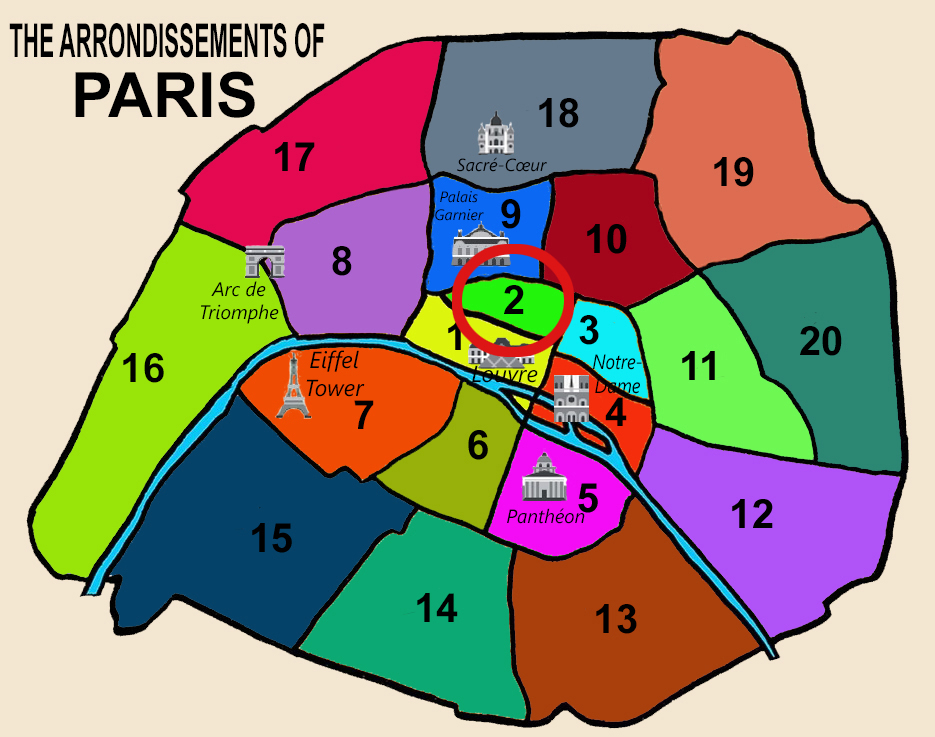
The 2nd Arrondissement in a few words: Grand buildings and some of Paris’s most beautiful covered passages, lots of restaurants and a happening pedestrian-only street. An incredible library. Upscale, a business hub (home of the former Paris Stock Exchange). A small arrondissement that’s a beehive of activity.
How to See the 2nd Arrondissement: We started our 2nd arrondissement walk at Porte St. Denis (Metro Strasbourg – Saint-Denis, the border between the 2nd and the 10th) and finished at the Palais Brongniart (metro Bourse). The highlights I cover here can be seen in a couple hours. If you want to continue on, you’re right next to the 1st Arrondissement (where you’ll find the Louvre) as well as the 9th (home of Palais Garnier and the domes of some of the glitziest shopping centers of Paris).
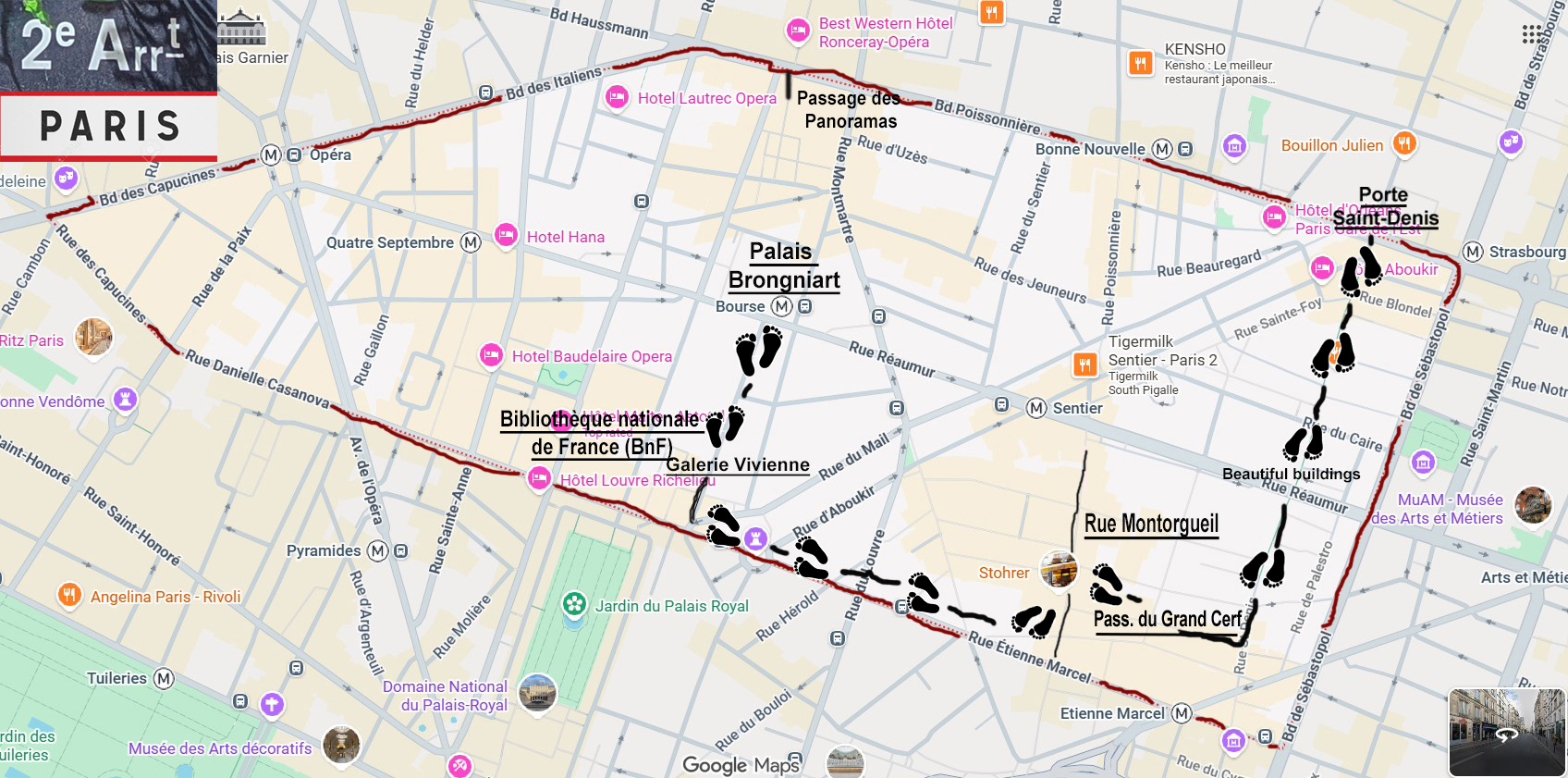
Highlights along the way:
Porte St. Denis
Rue Reaumur
Passage du Grand Cerf
Rue Montorgueil
Galerie Vivienne
Bibliothèque Nationale de France
Palais Brongniart
Note: Although Passage des Panoramas is technically in the 2nd, it is best to see when exploring the 9th.
The 2nd Arrondissement of Paris in detail
As mentioned above, we started our 2nd arrondissement walk at Porte St. Denis (Metro Strasbourg – Saint-Denis).
Porte St. Denis
A gate has stood here since the 1300’s when it provided entrance through the walls on the right bank of Paris. It, along with the walls, were destroyed in 1670. Shortly after, in 1672, a Triumphal arch was built (ordered by Louis XIV) to commemorate victories in the French-Dutch War. It is the oldest of the 4 Triumphal arches in Paris*.
*The Porte Saint-Denis (1672) was followed by the Porte Saint-Martin (1674), the Arc de Triomphe (1836) and the Arc de Triomphe du Carrousel (1808).
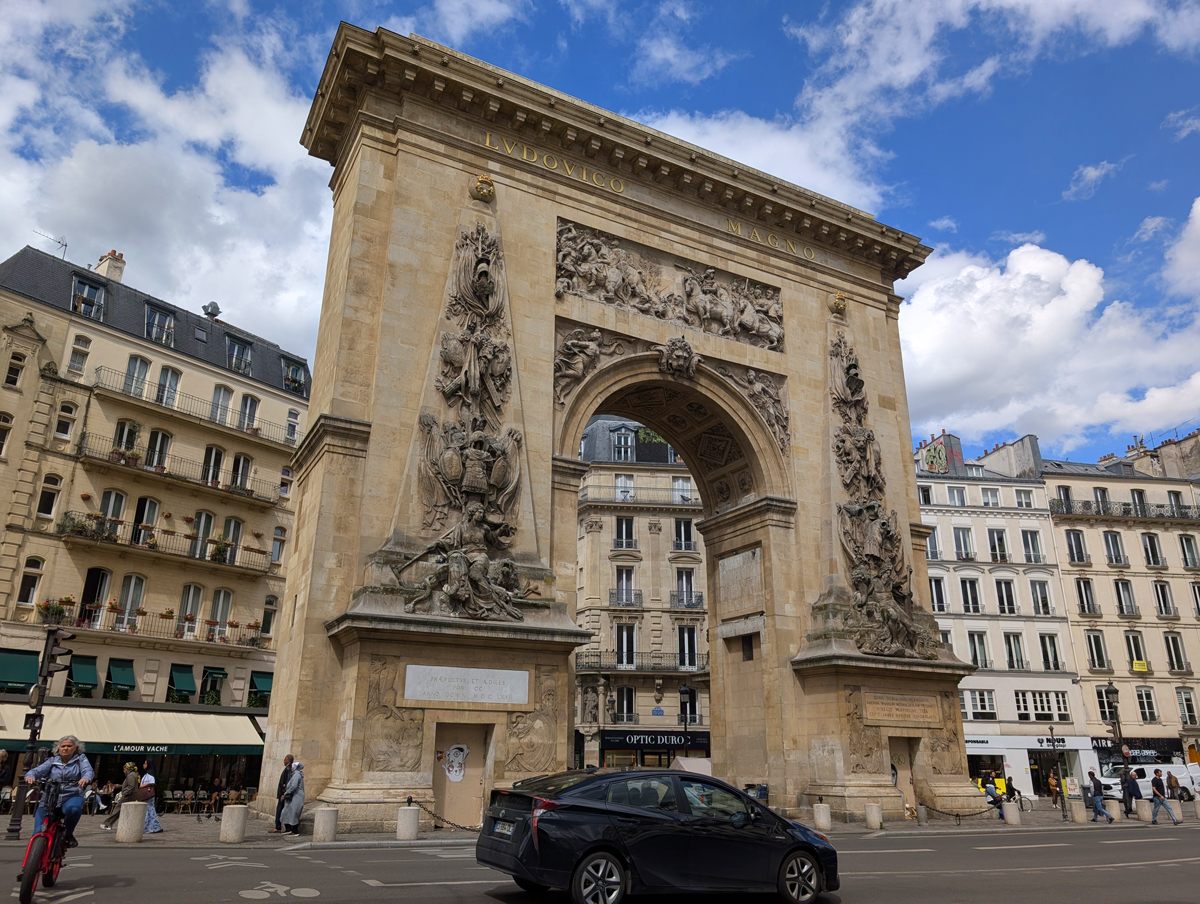
From the above, walk down Rue St. Denis (a nice street with restaurants and cafés) and make your way down towards Rue Reaumur.
Rue Reaumur
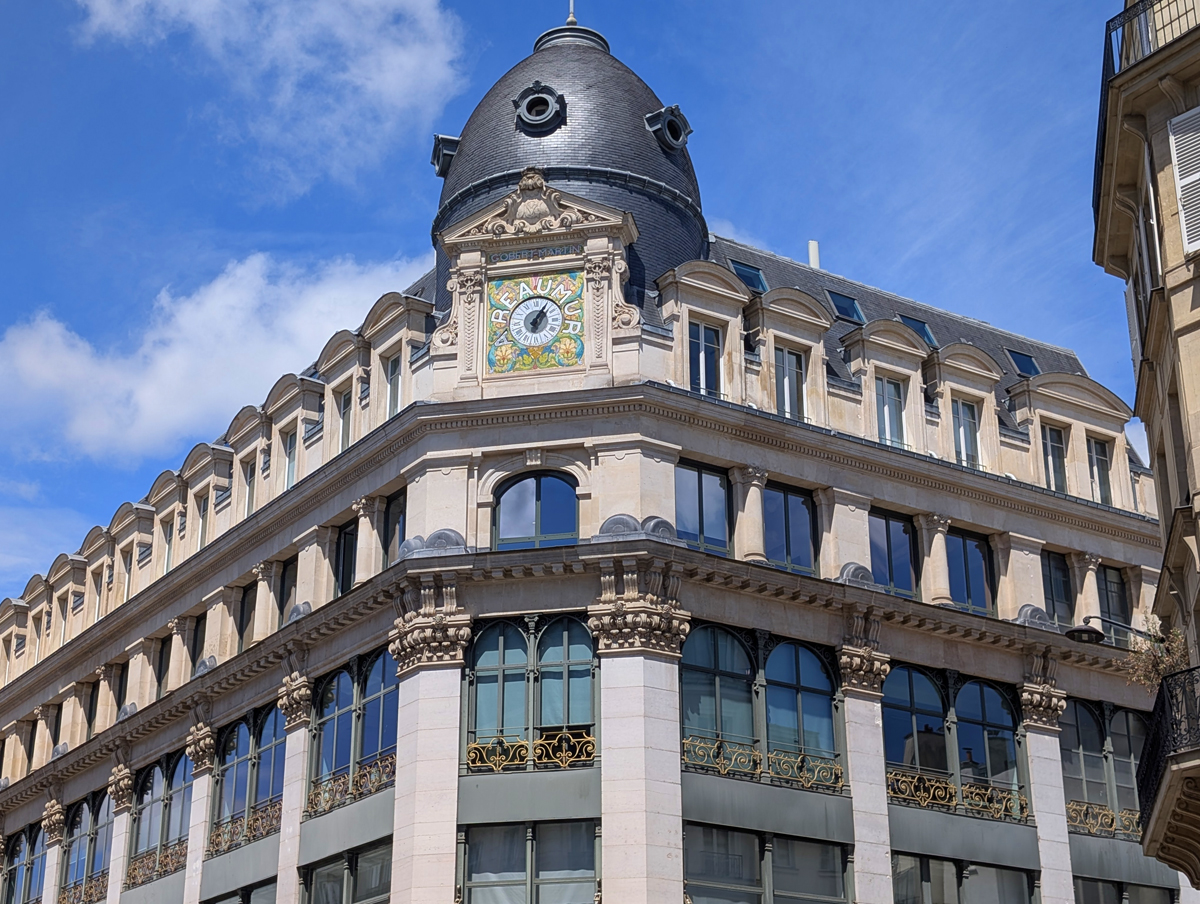
On the corner of St. Denis/Reamur (and a block on either side of St. Denis), you’ll see lots of beautiful art nouveau buildings. In the late 1800’s, Paris’s “Haussmann” rules were relaxed and Rue Reamur especially experienced innovative new designs in art nouveau construction.
One of the most beautiful buildings is the one at #61 on the corner of Reaumur/St. Denis.
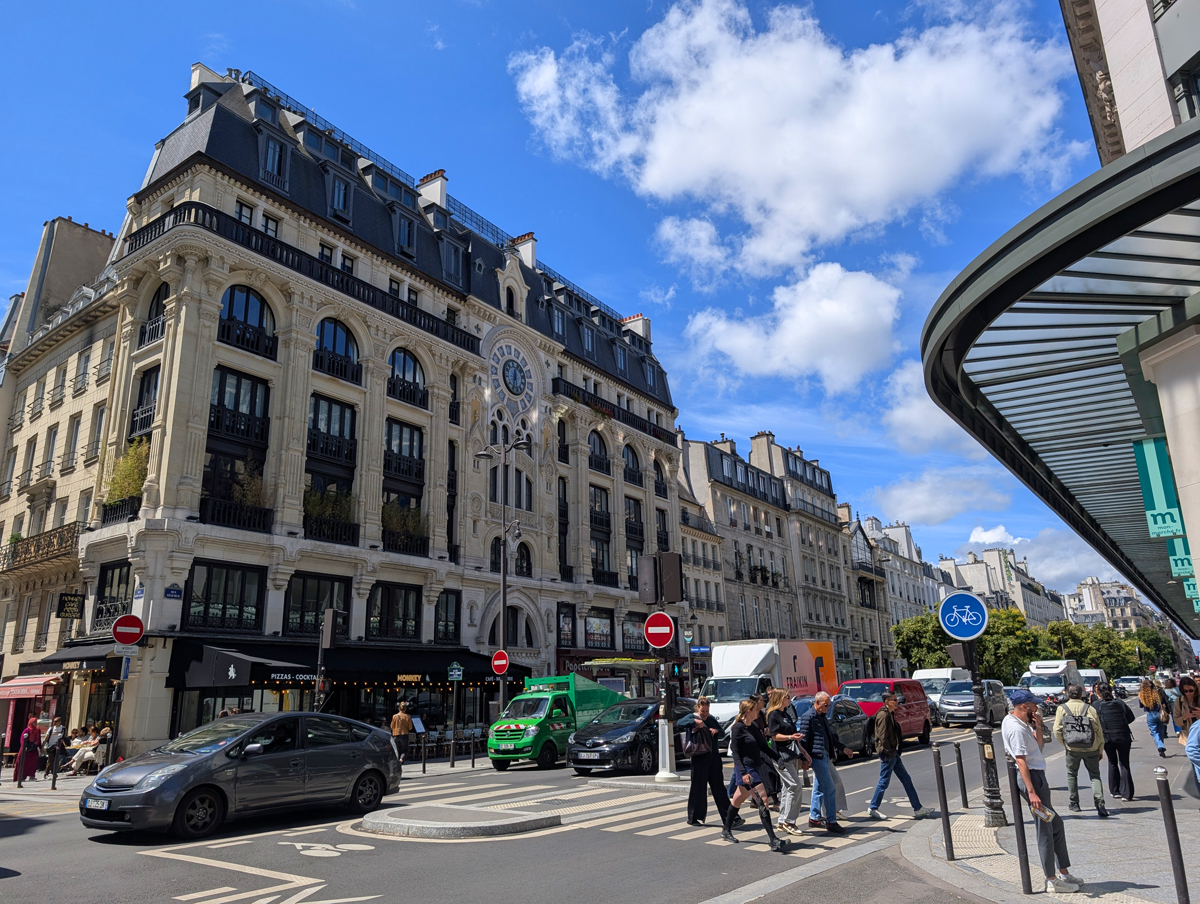
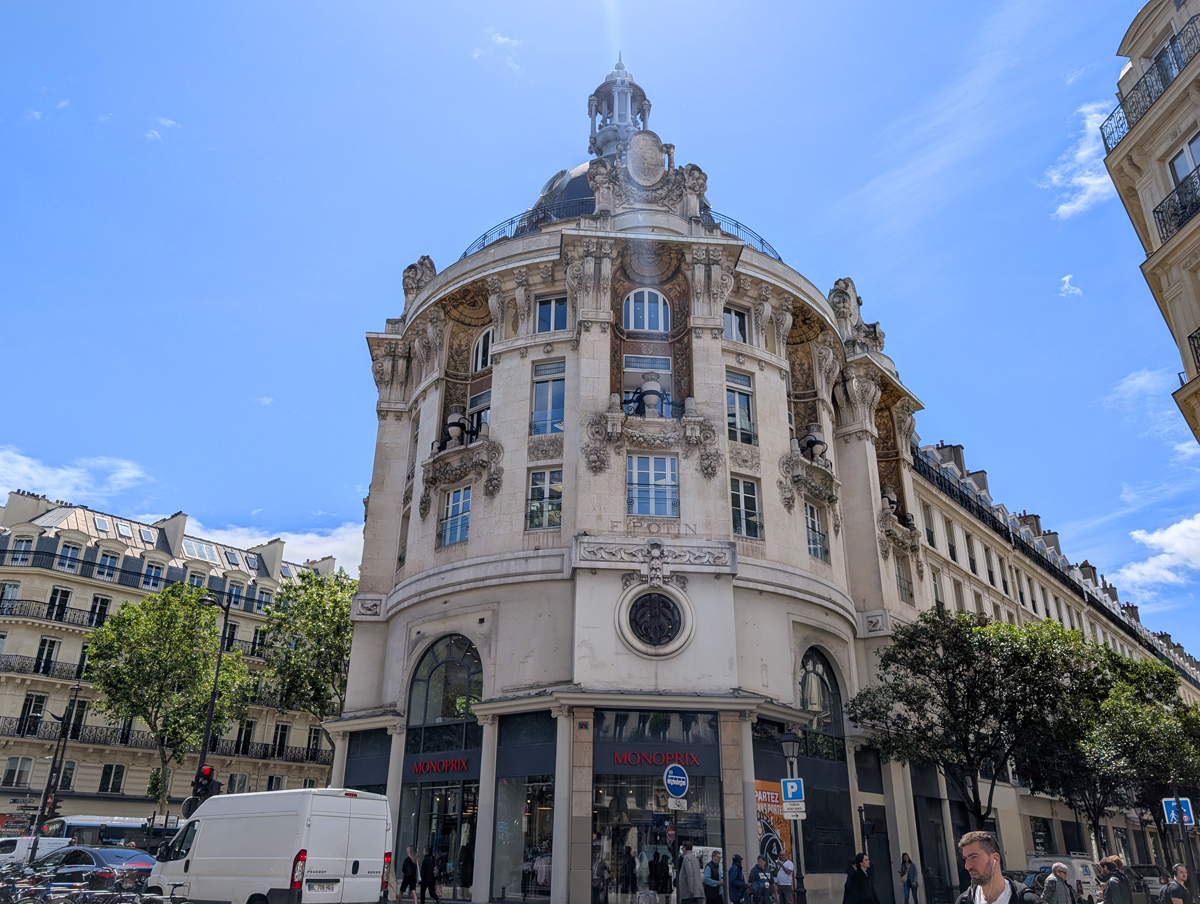
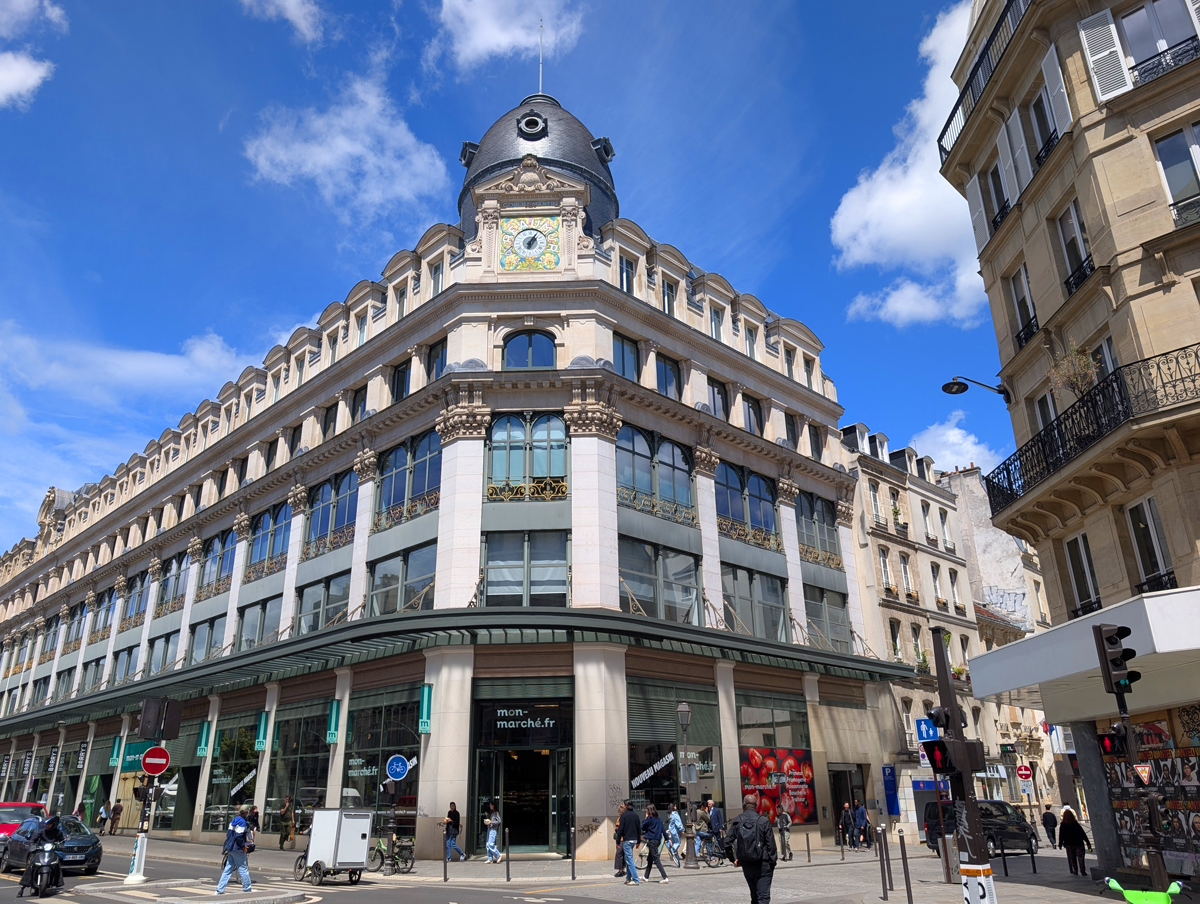
Passage du Grand Cerf
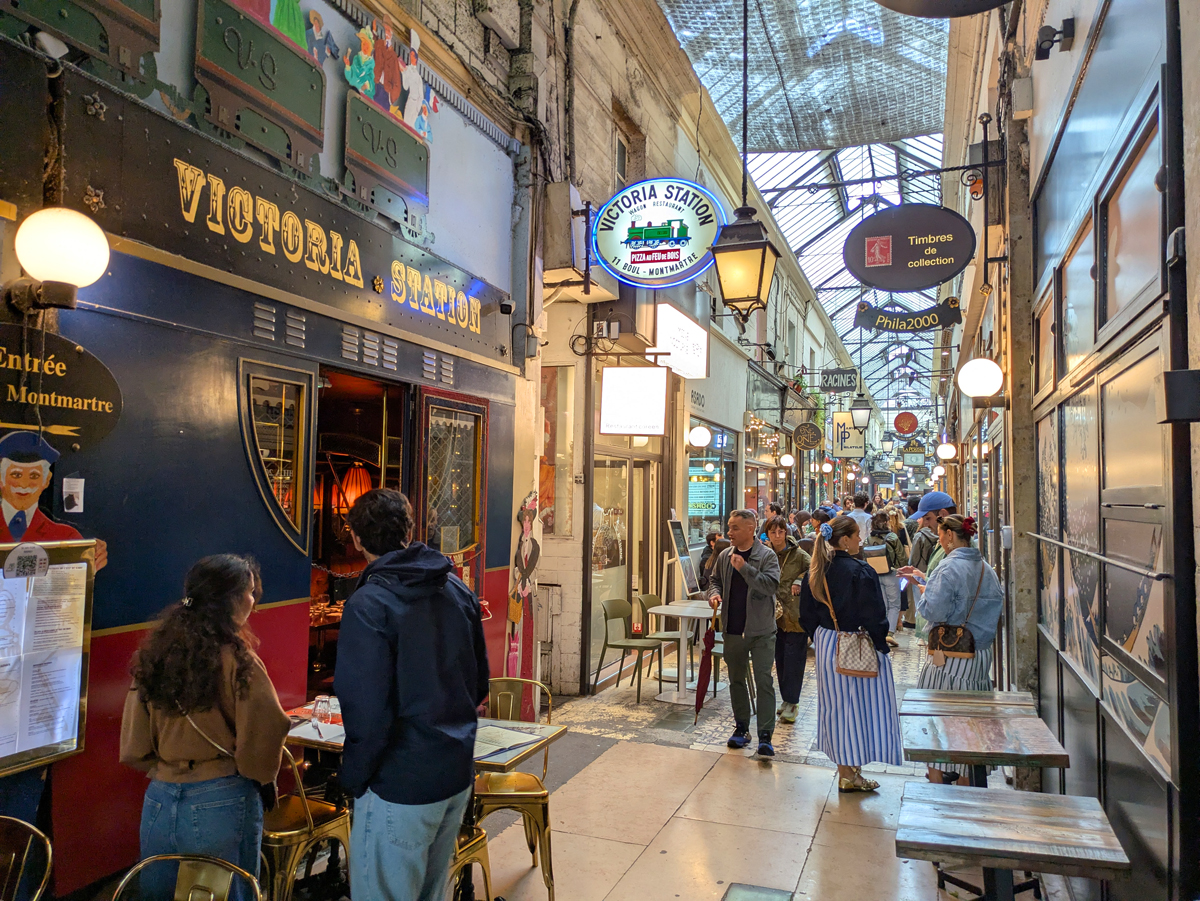
Paris has many beautiful covered passageways (“passages couverts”). Built mostly on the right bank in the central business districts in the 18th and 19th centuries, the passageways connect buildings and businesses and are elaborately designed for a higher-end clientele: You’ll see mosaics, beautiful wood, marble, clocks, mirrors, paintings…they are an attraction unto themselves.
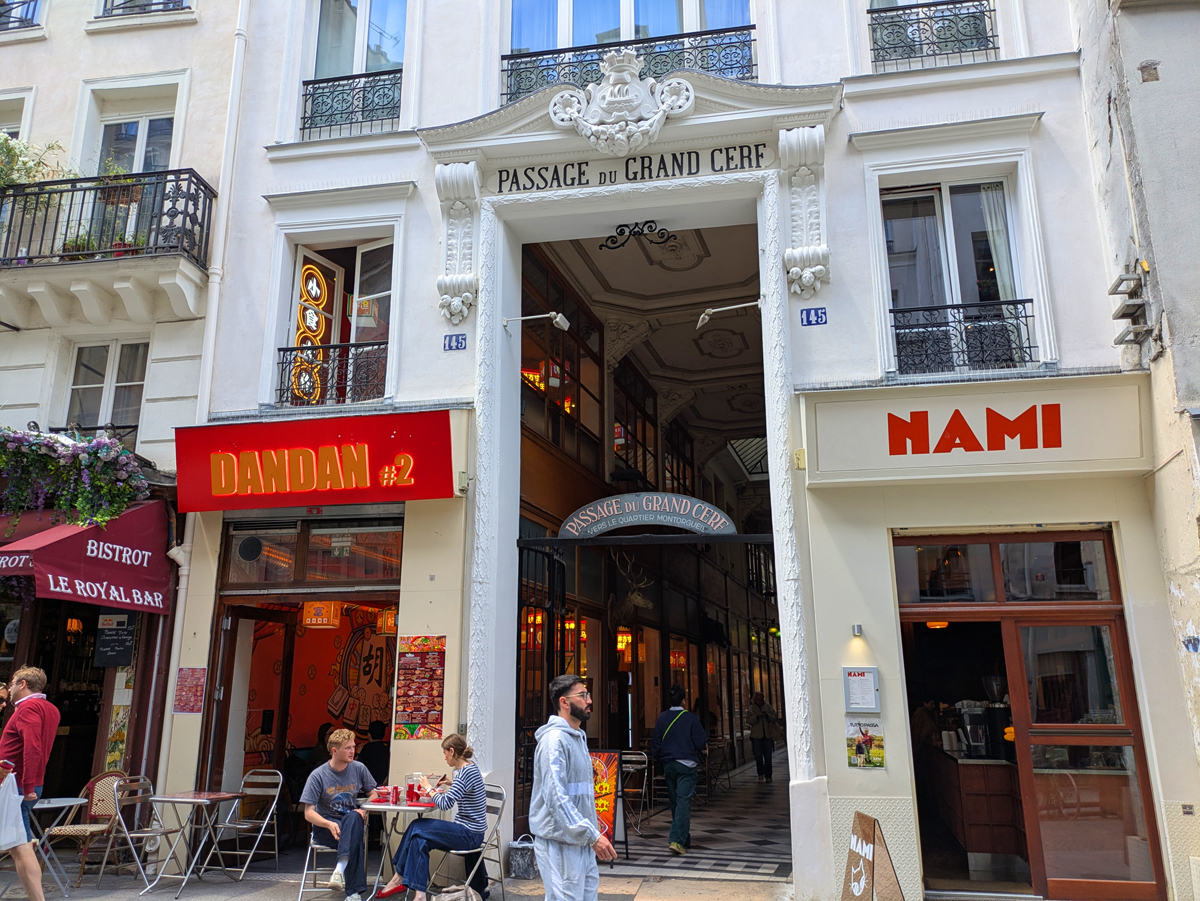
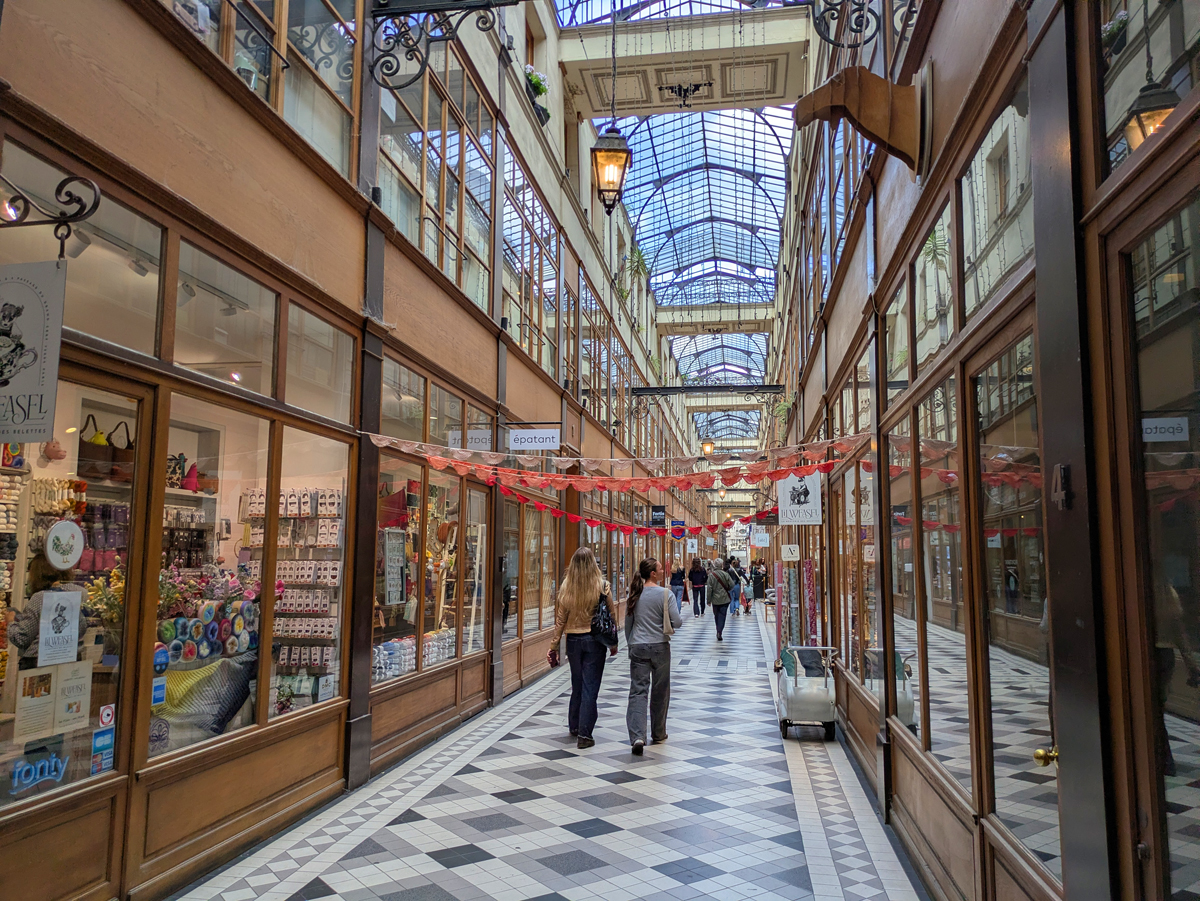
The 2nd Arrondissement has some of the most beautiful passageways: Passage des Panoramas, Galerie Vivienne, and this one… Passage du Grand Cerf.
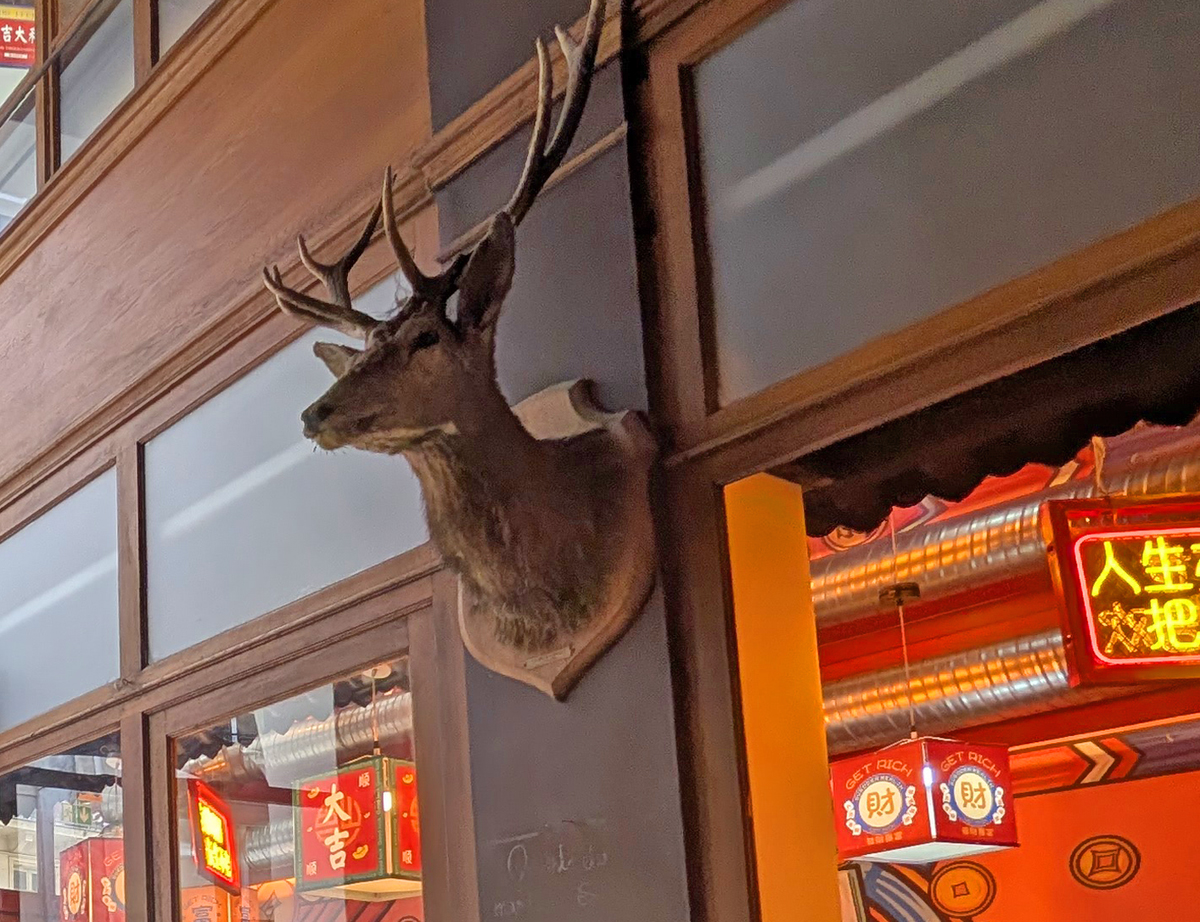
The Passage du Grand Cerf was built in 1825 and has the highest ceiling of any of Paris’s covered passageways. Like most of the passageways, you’ll find a lot of antique looking stuff such as arts and crafts. And unlike Passage des Panoramas which is very popular with tourists, Passage du Grand Cerf feels very much local.
Rue Montorgueil
A charming pedestrian-only street, Rue Montorgueil is filled with restaurants, cafés and specialty grocery stores. Again: although there are tourists, the majority of people frequenting the street are locals, many being workers stopping for a lunch or to do some shopping. It’s a great place to come for a coffee and people-watch.
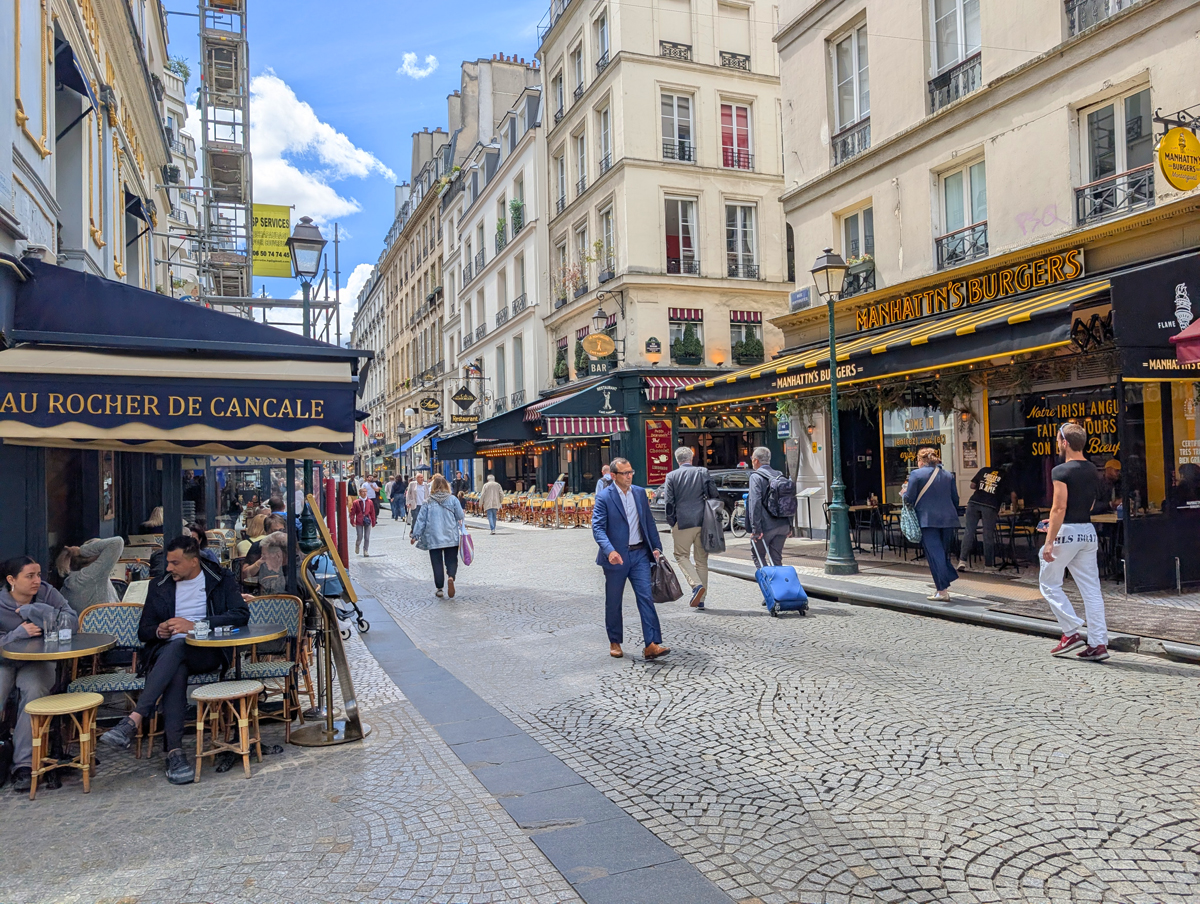
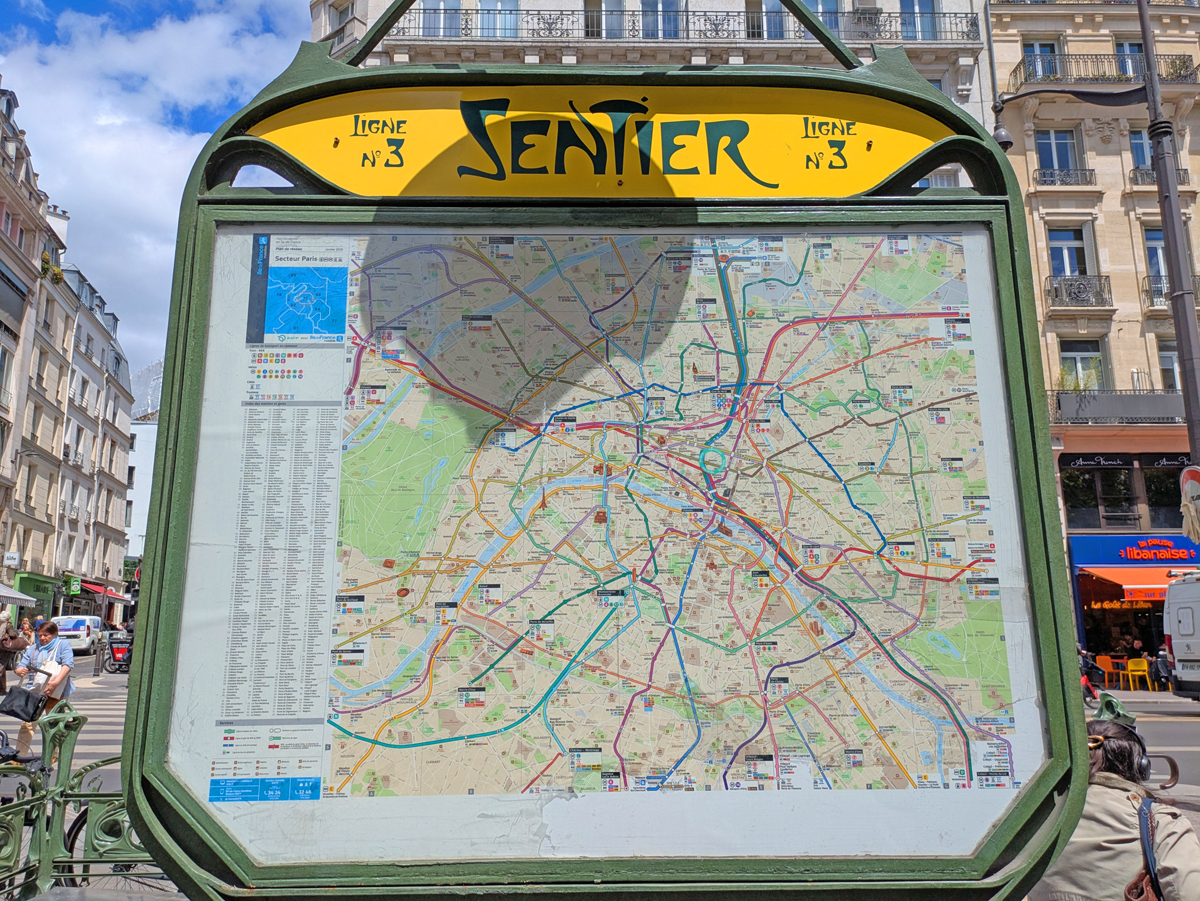
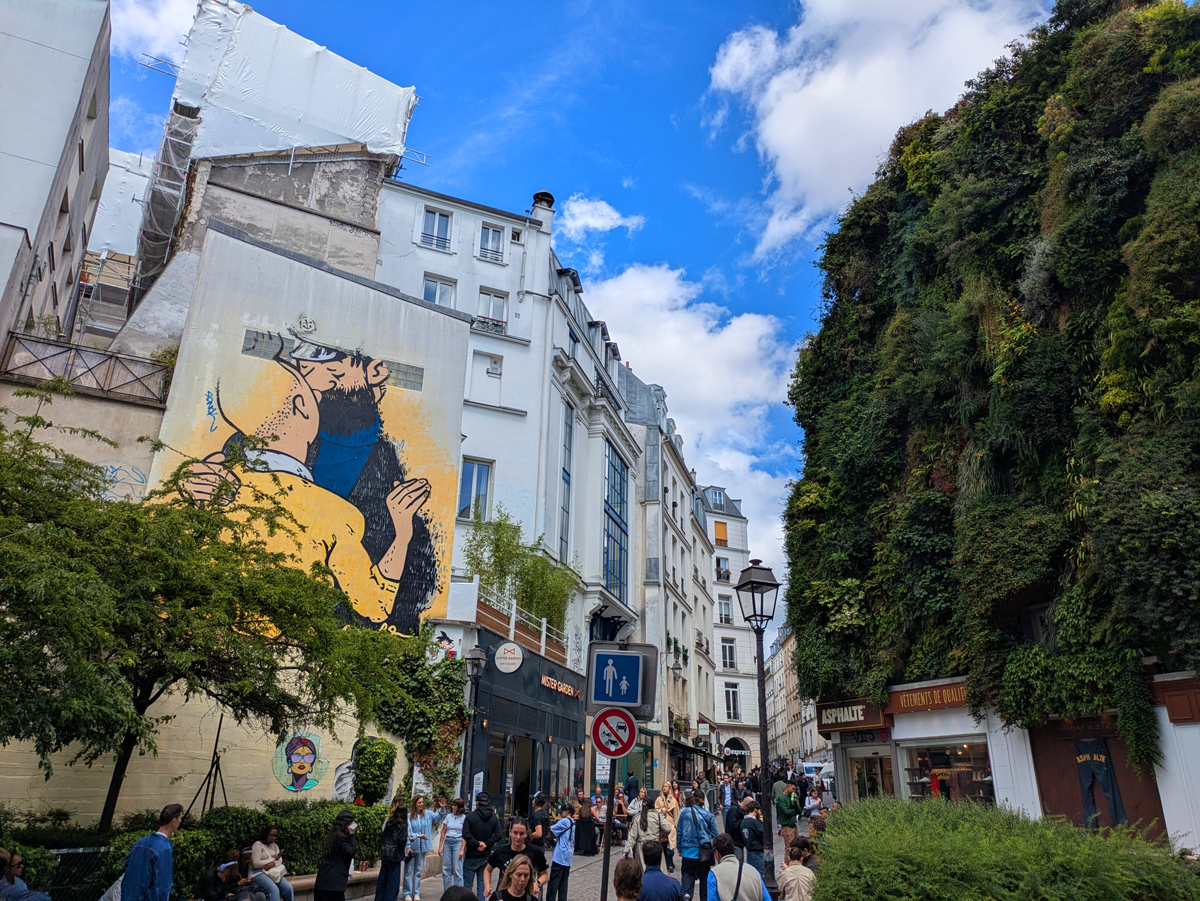
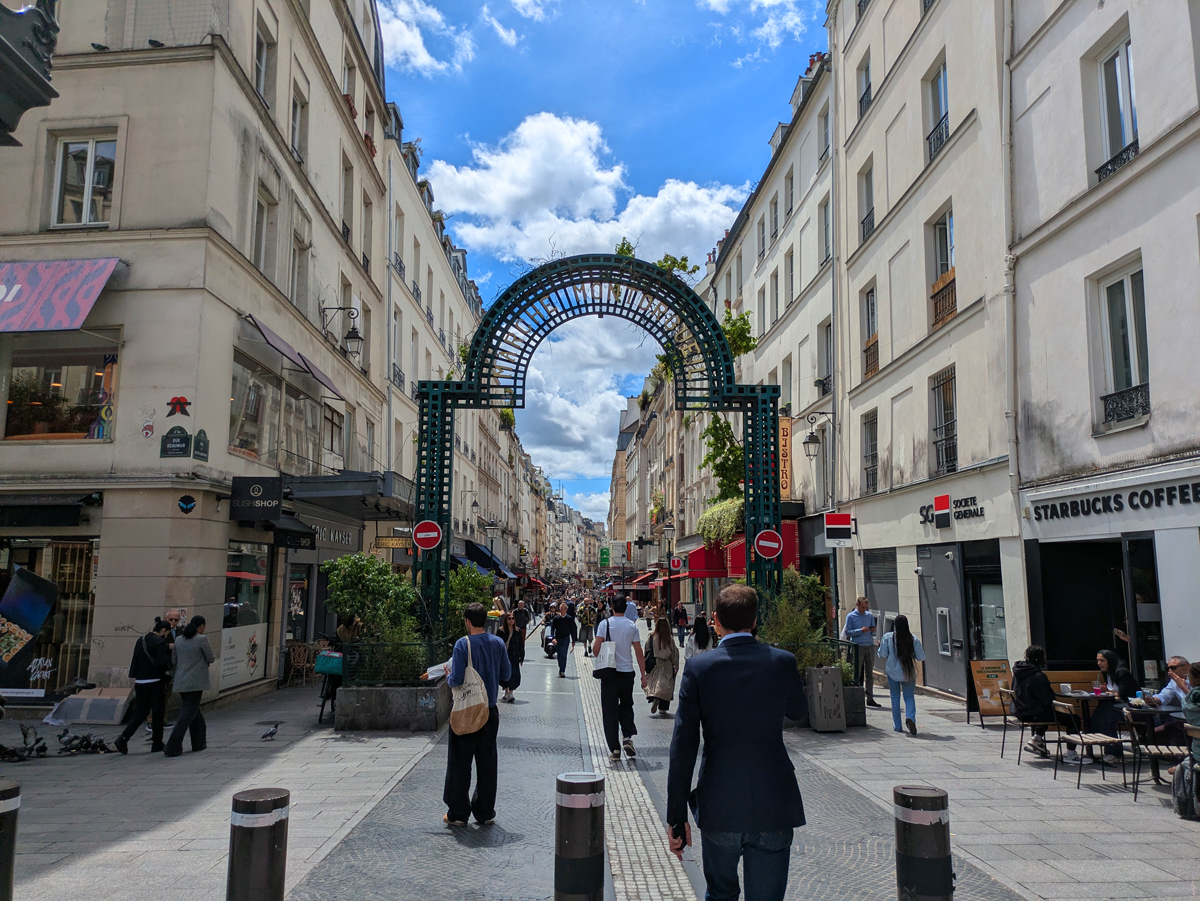
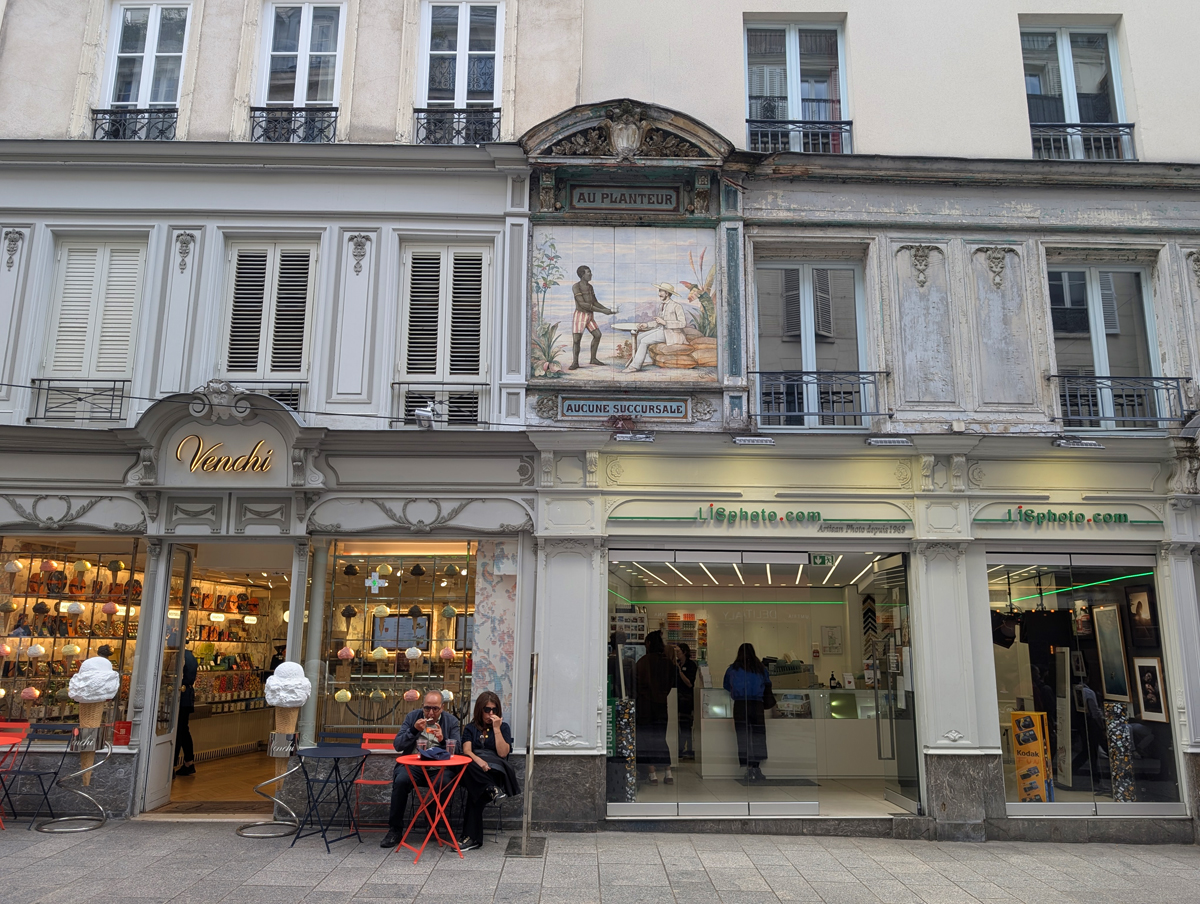
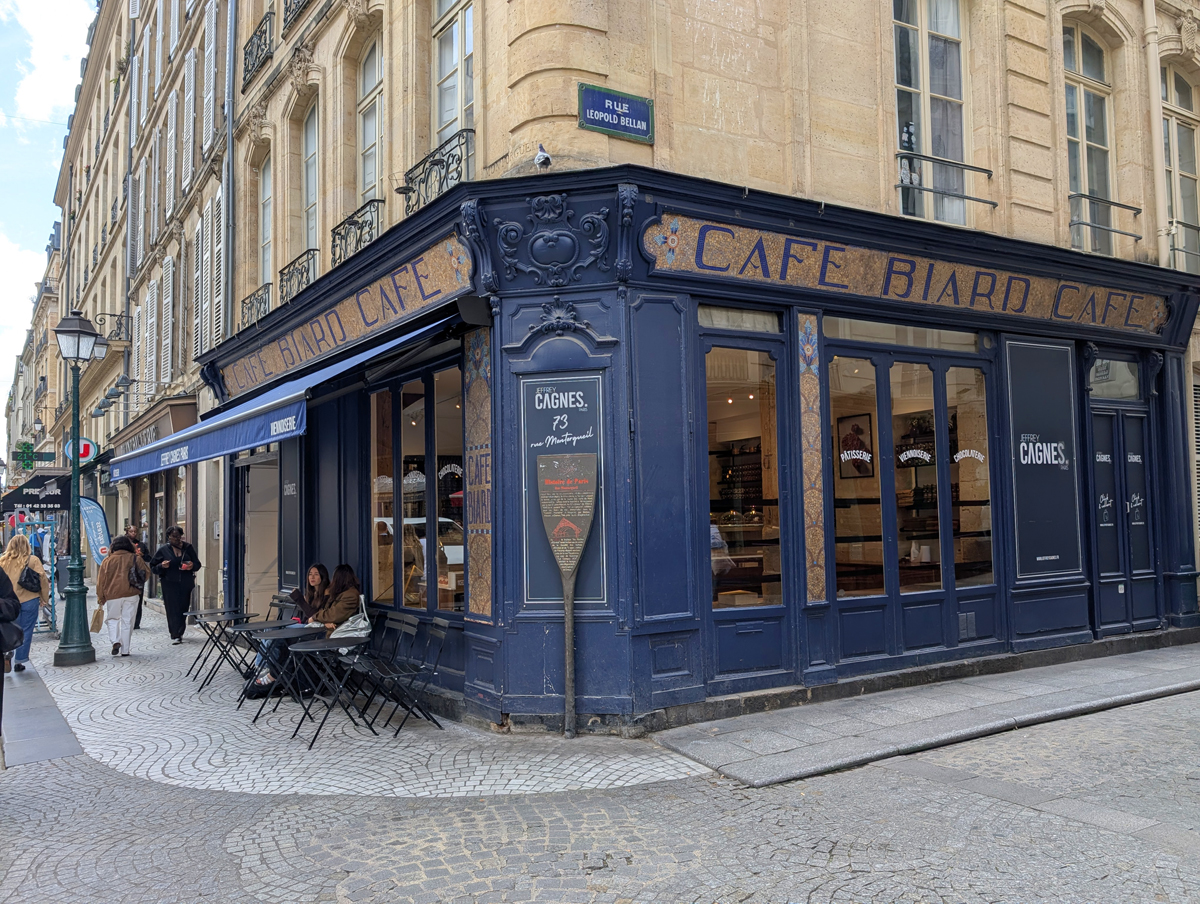
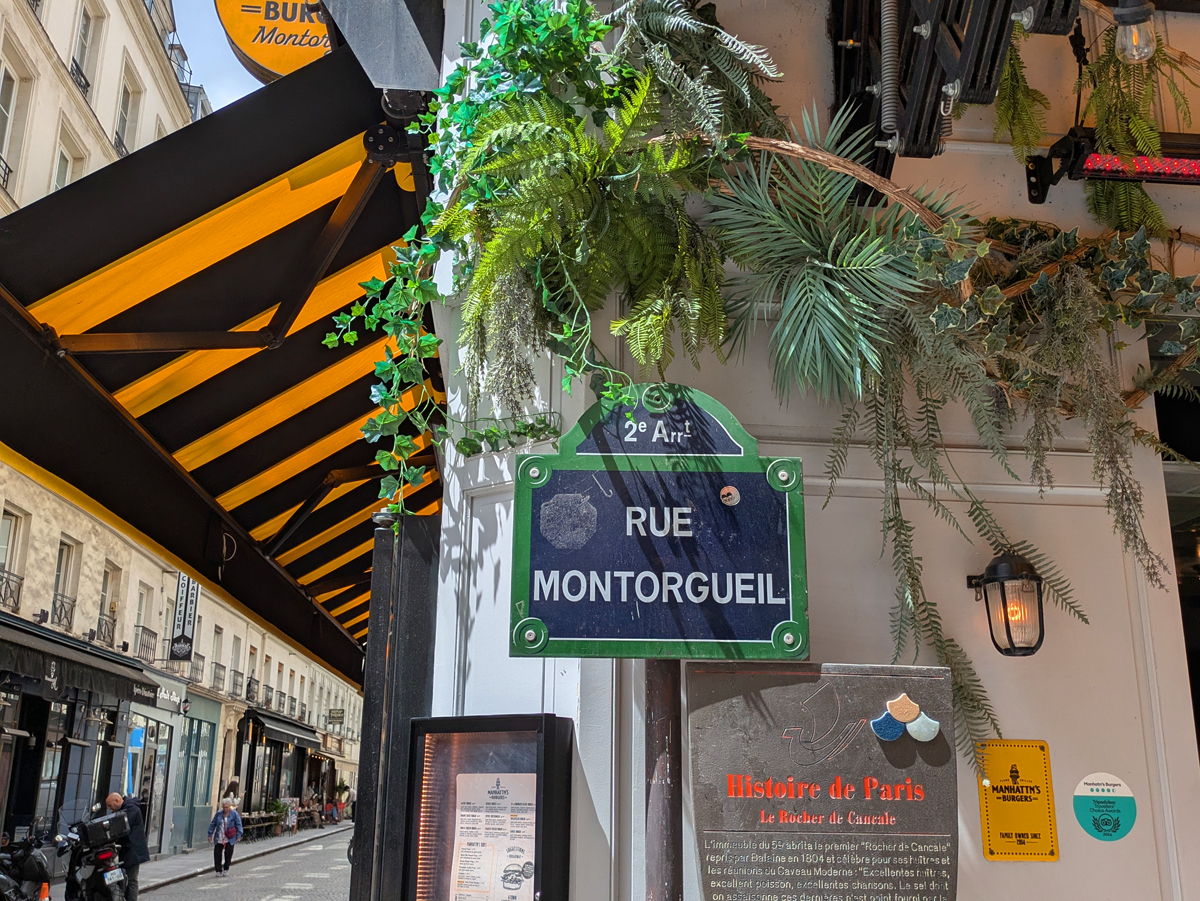
Explore the street and turn right at Rue Étienne Marcel (this street straddles the 1st and 2nd arrondissement). Continue on this street, passing the Louis XIV statue (at Place des Victoires) to Galerie Vivienne.
Galerie Vivienne
I’ve previously mentioned Passage du Grand Cerf, one of Paris’s most beautiful covered passages. Galerie Vivienne is another gorgeous passageway*.
*Our favorite covered passages: Galerie Vivienne, Passage du Grand Cerf, Passage Jouffroy (in the 9th), and Galerie Véro-Dodat (in the 1st).
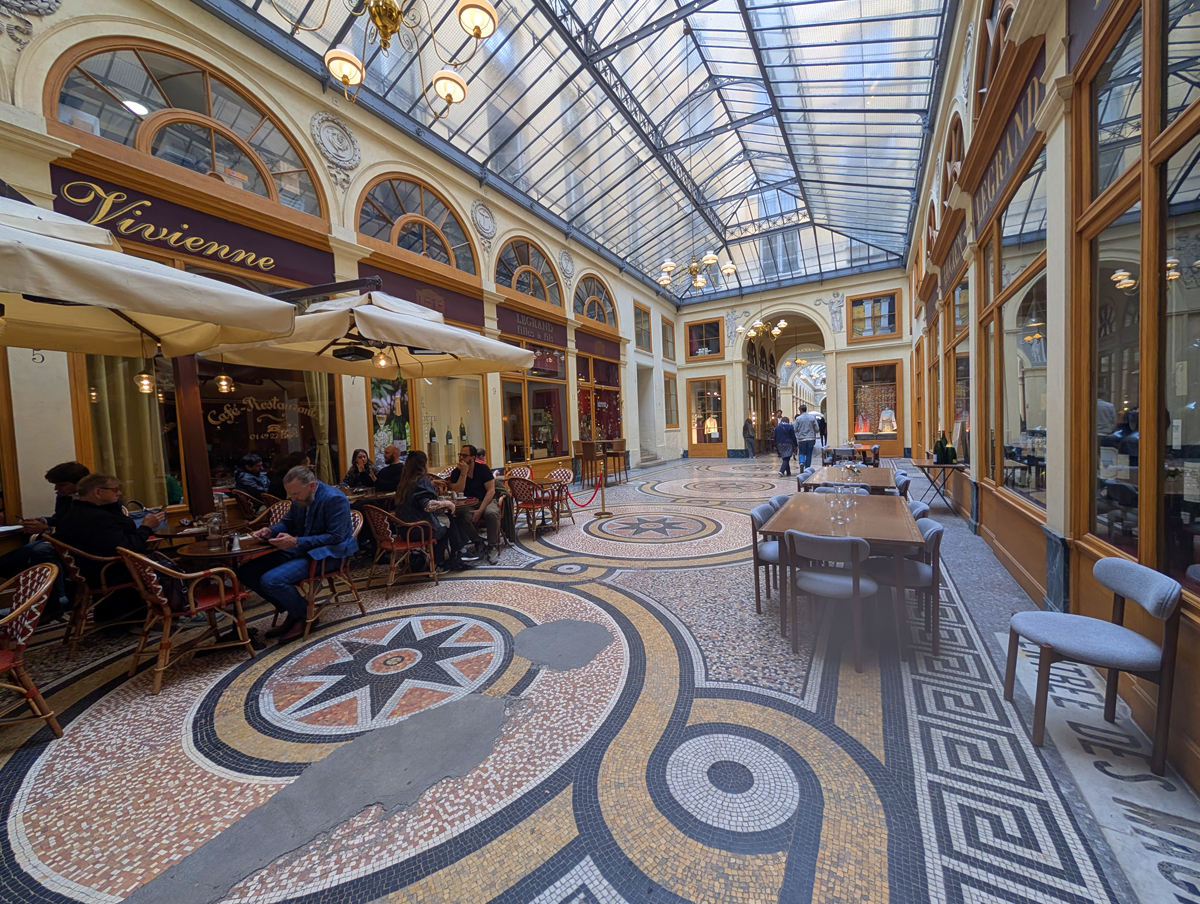
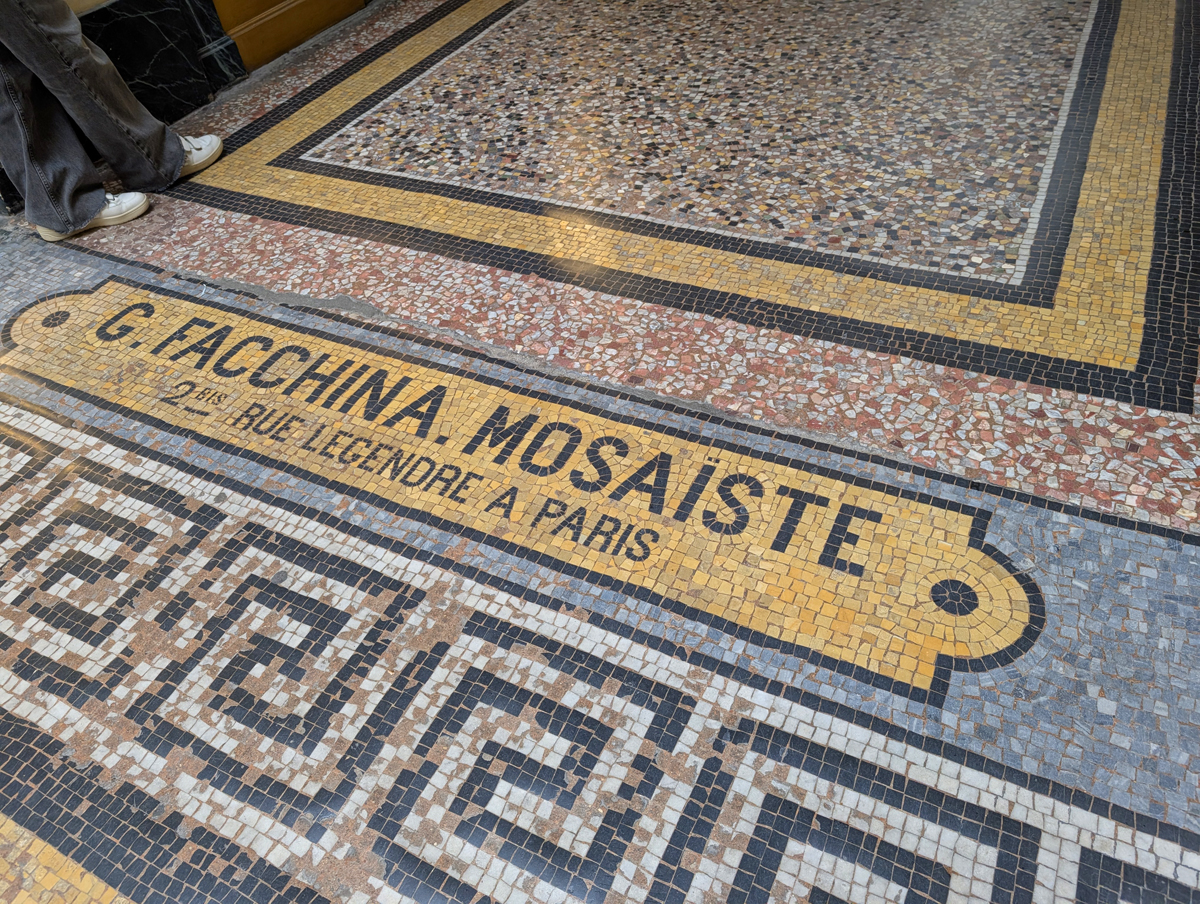
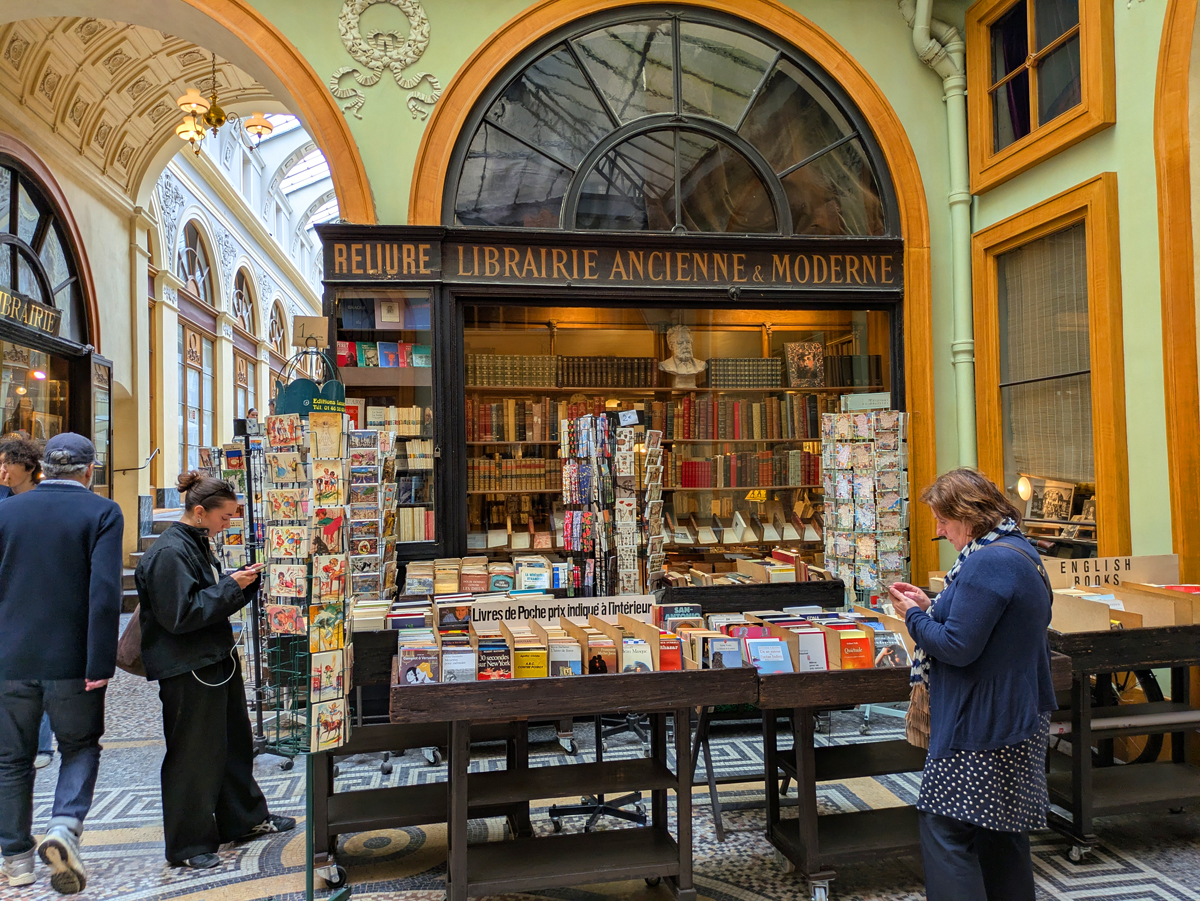
Built in 1825 Galerie Vivienne has beautiful mosaic floors, a high ceiling made of glass and steel, and panelled wood store fronts. You`ll find high-end clothing boutiques, including antique and vintage shops, specialty stores as well as restaurants.
Bibliothèque Nationale de France
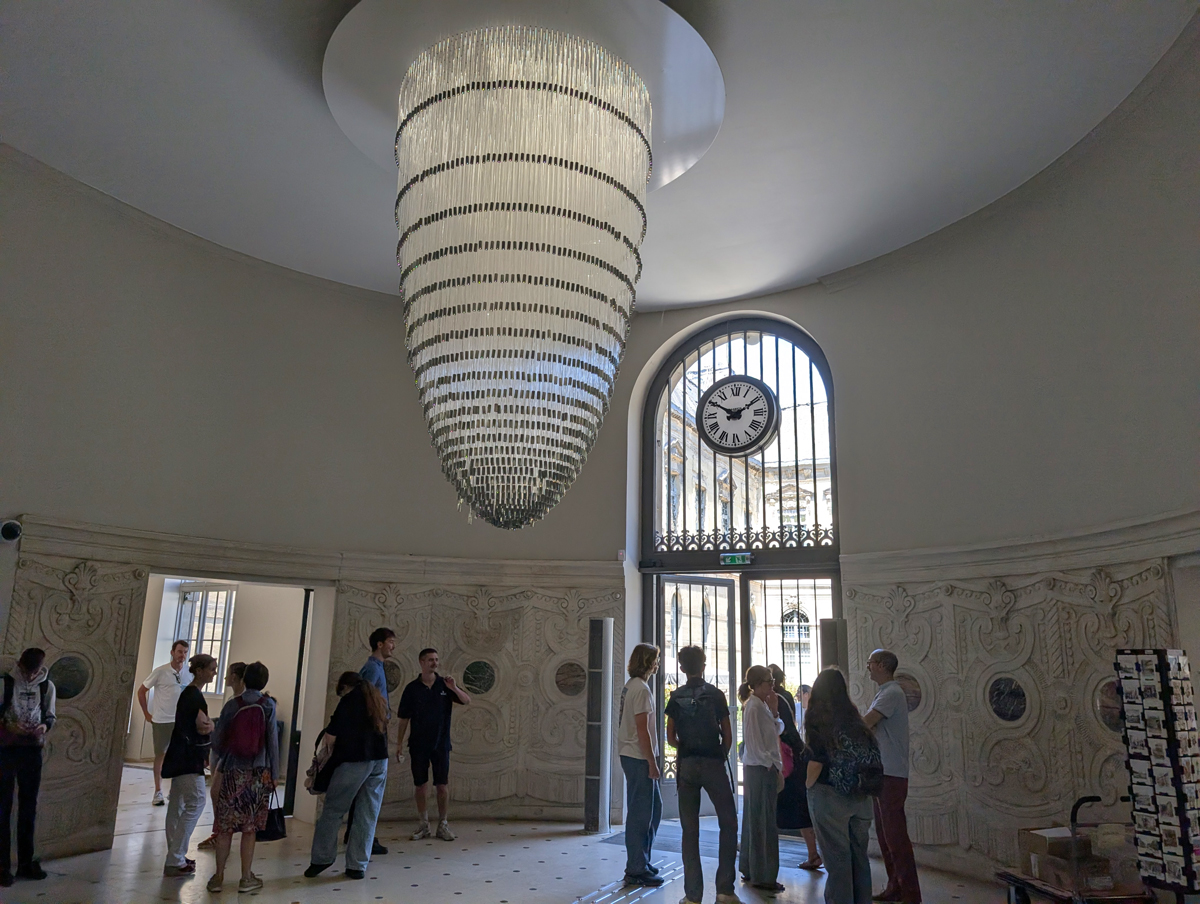
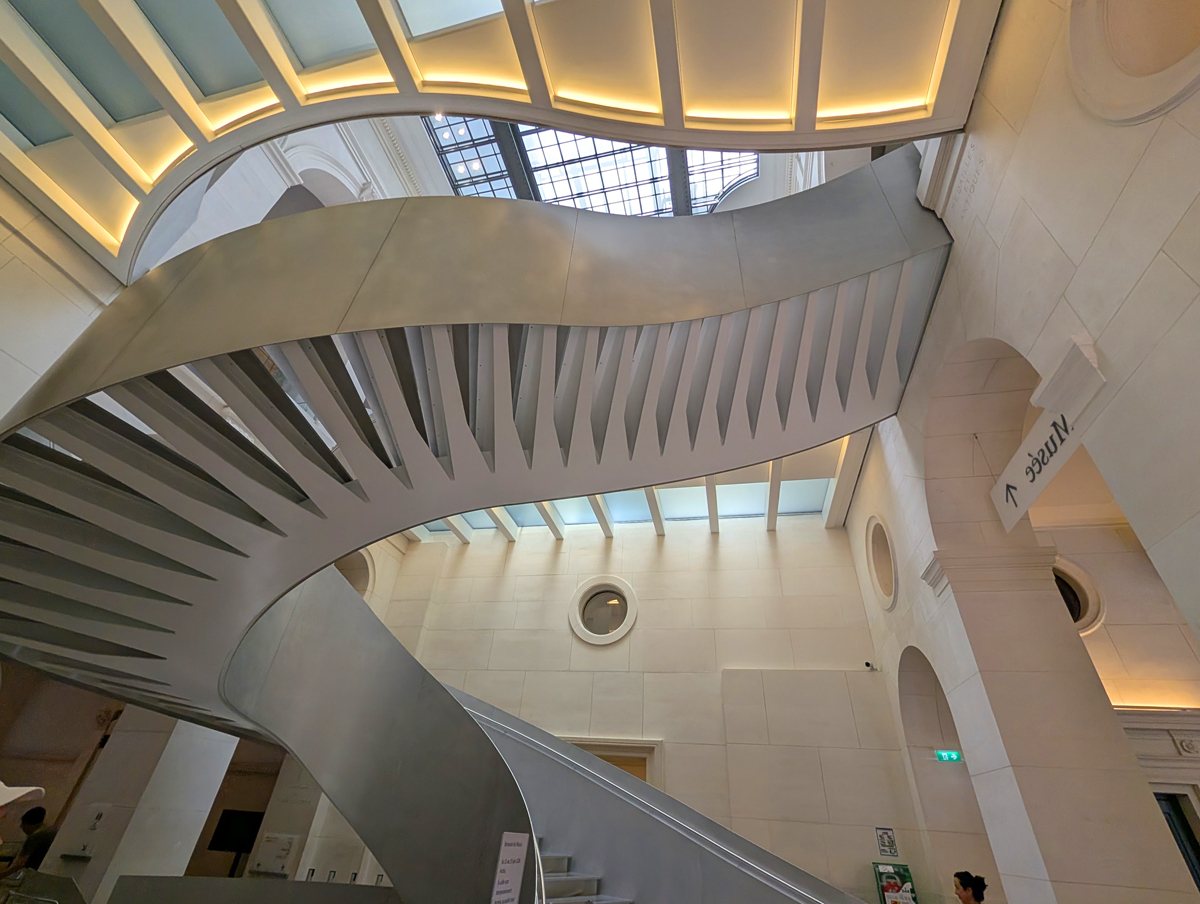
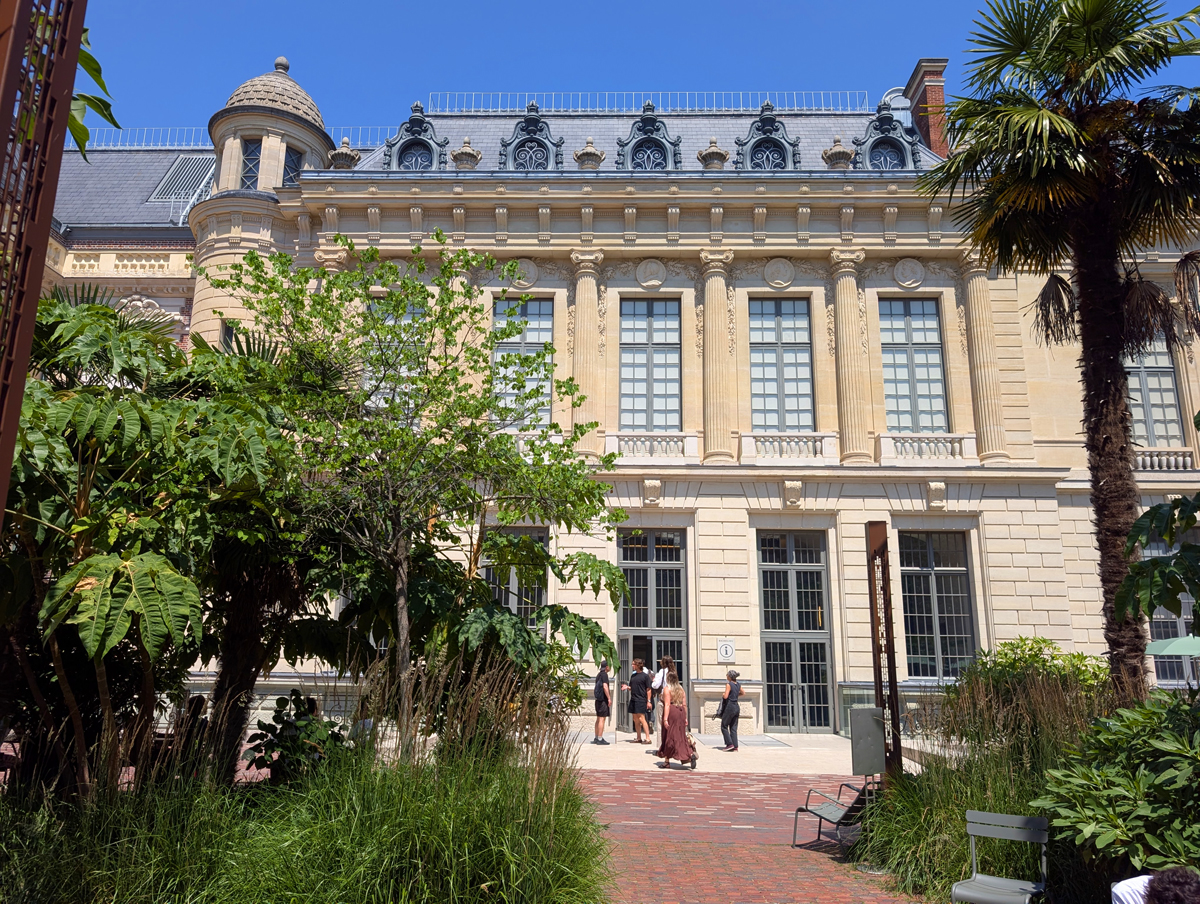
Steps away from Galerie Vivienne you’ll find the Bibliothèque Nationale de France (Richelieu Site). Built in the 16th century it was originally a palace but in 1721 became the Bibliothèque du Roi (Library of the King). It became the National Library in 1799 after the French Revolution.
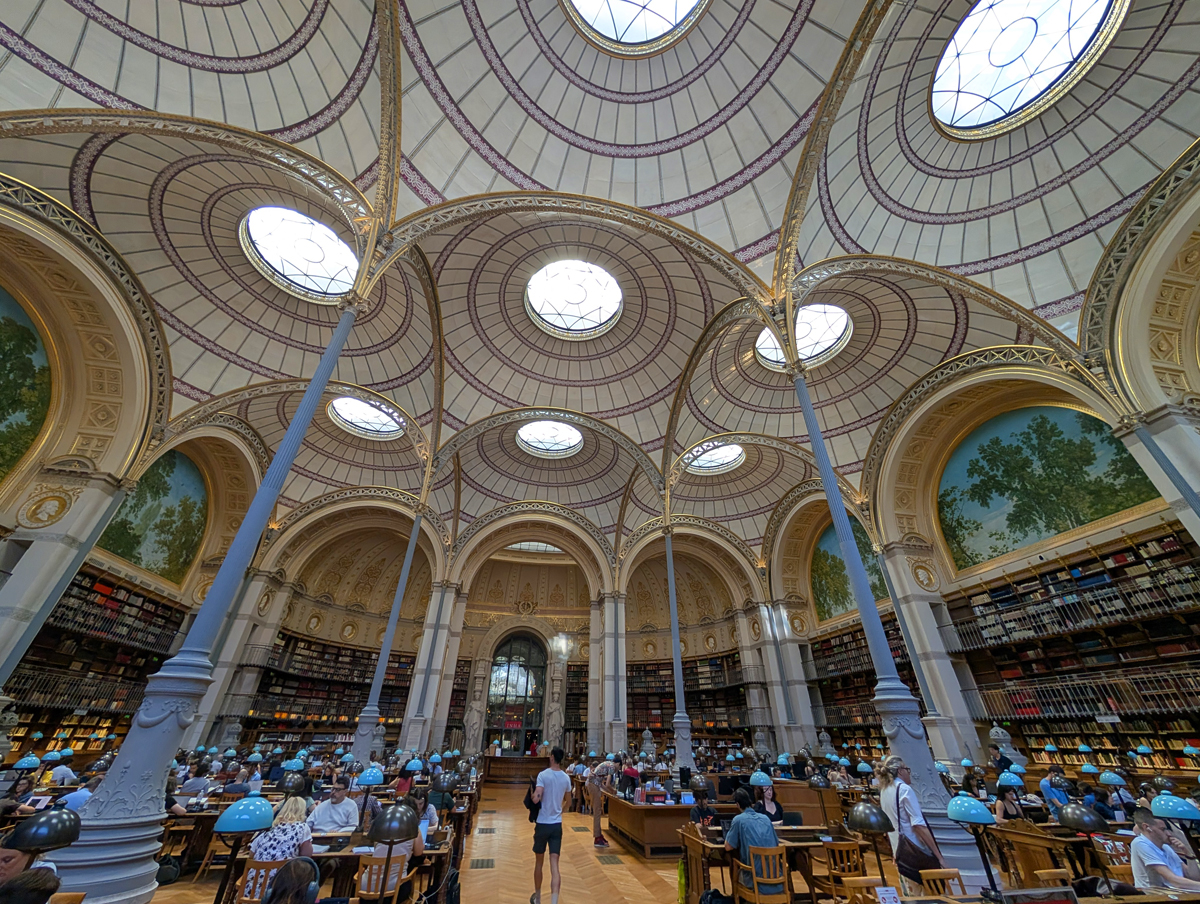
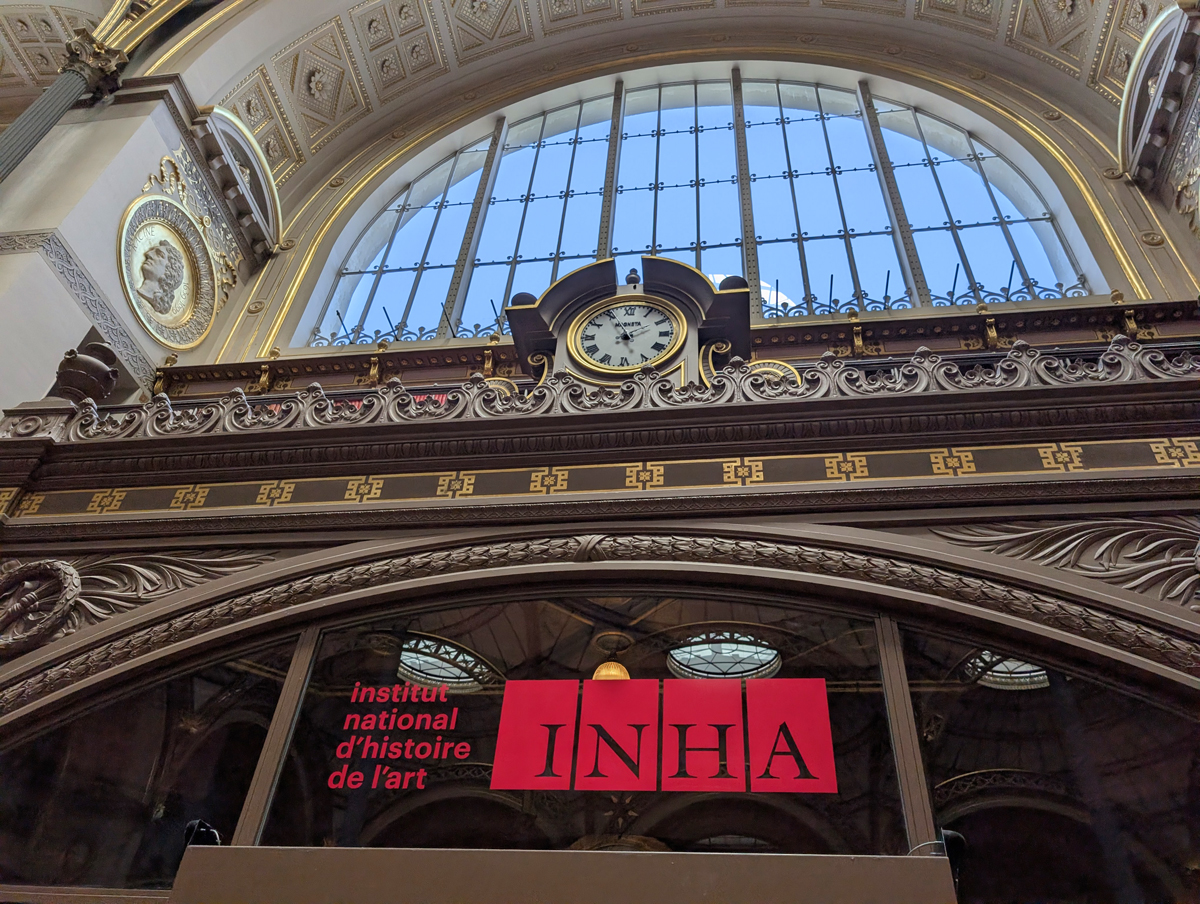
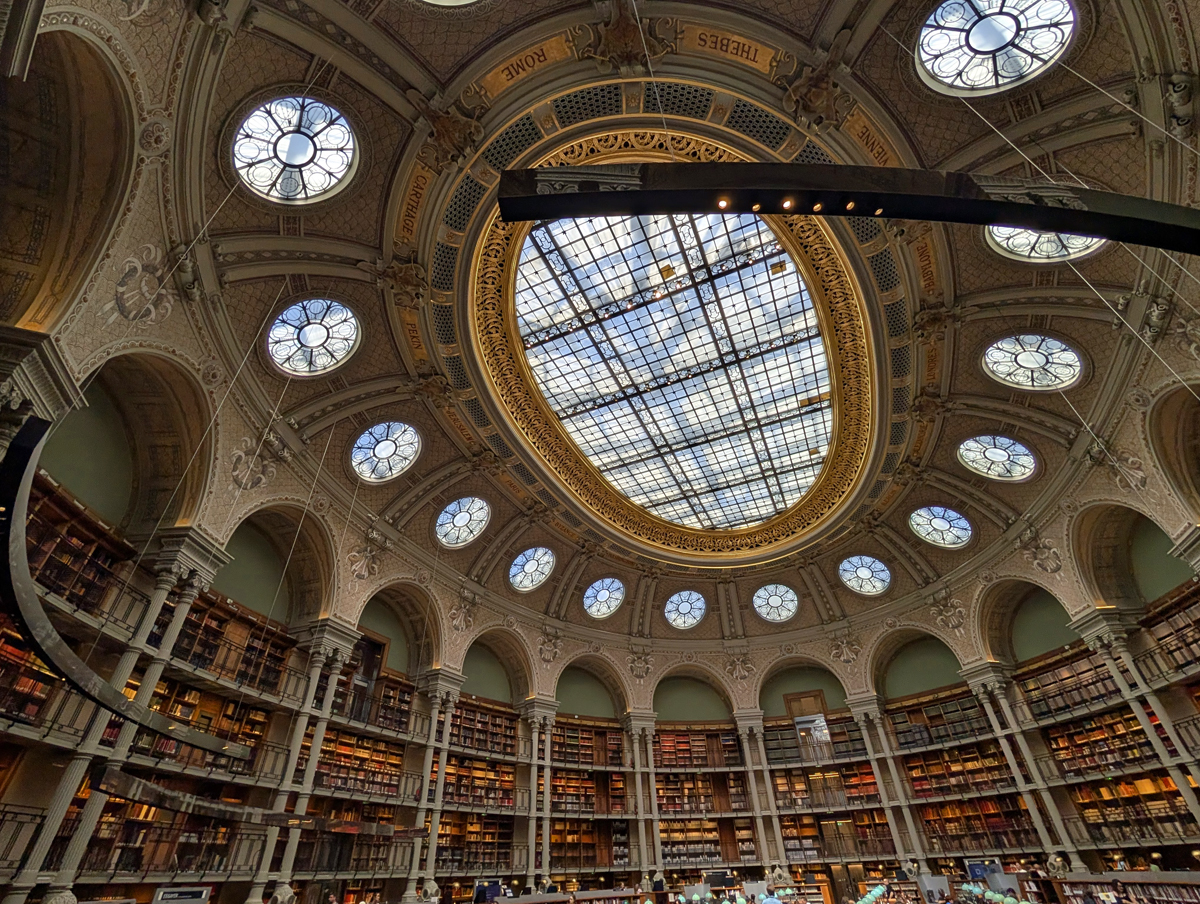
The library has some incredible reading rooms but also a museum (Musée de la BnF- Richelieu), a café and beautiful gardens. More on the library here. Everything except the museum is free.
The library is gorgeous and a treasure that doesn’t show up on most people’s radar.
Palais Brongniart
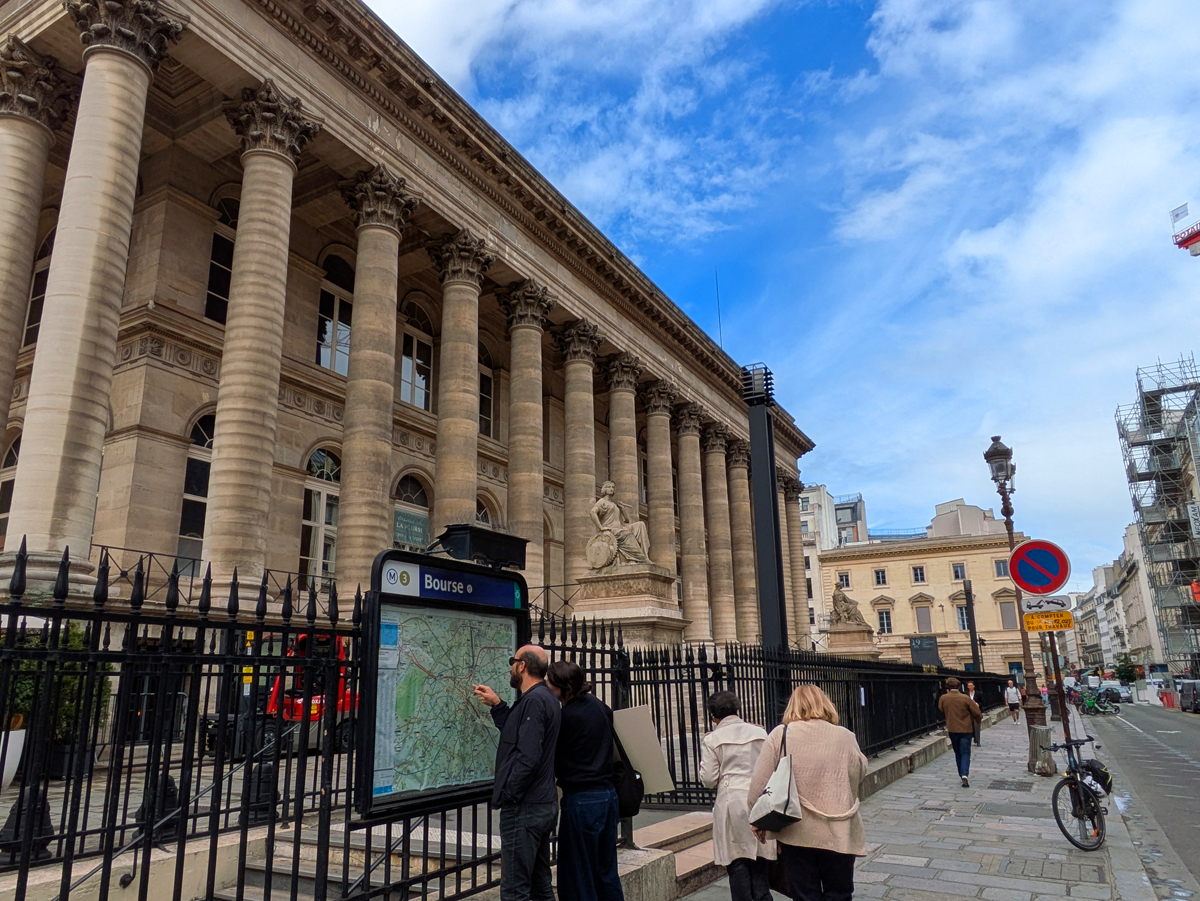
Palais Brongniart is the site of the old stock exchange, built starting in 1808 under the orders of Napoleon Bonaparte. It was here that all major financial activities in Paris took place.
Today it is a congress center hosting conferences, trade shows, galas, fashion shows etc.
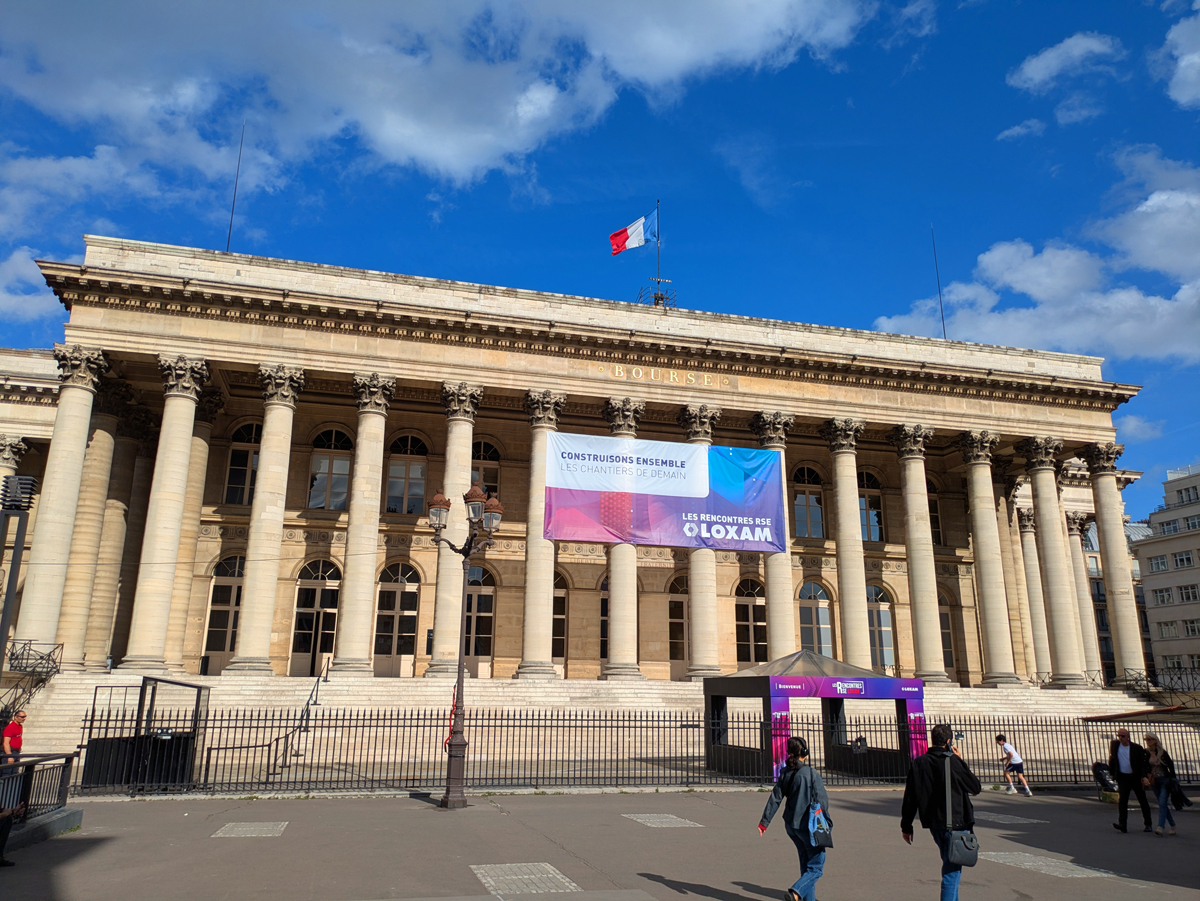
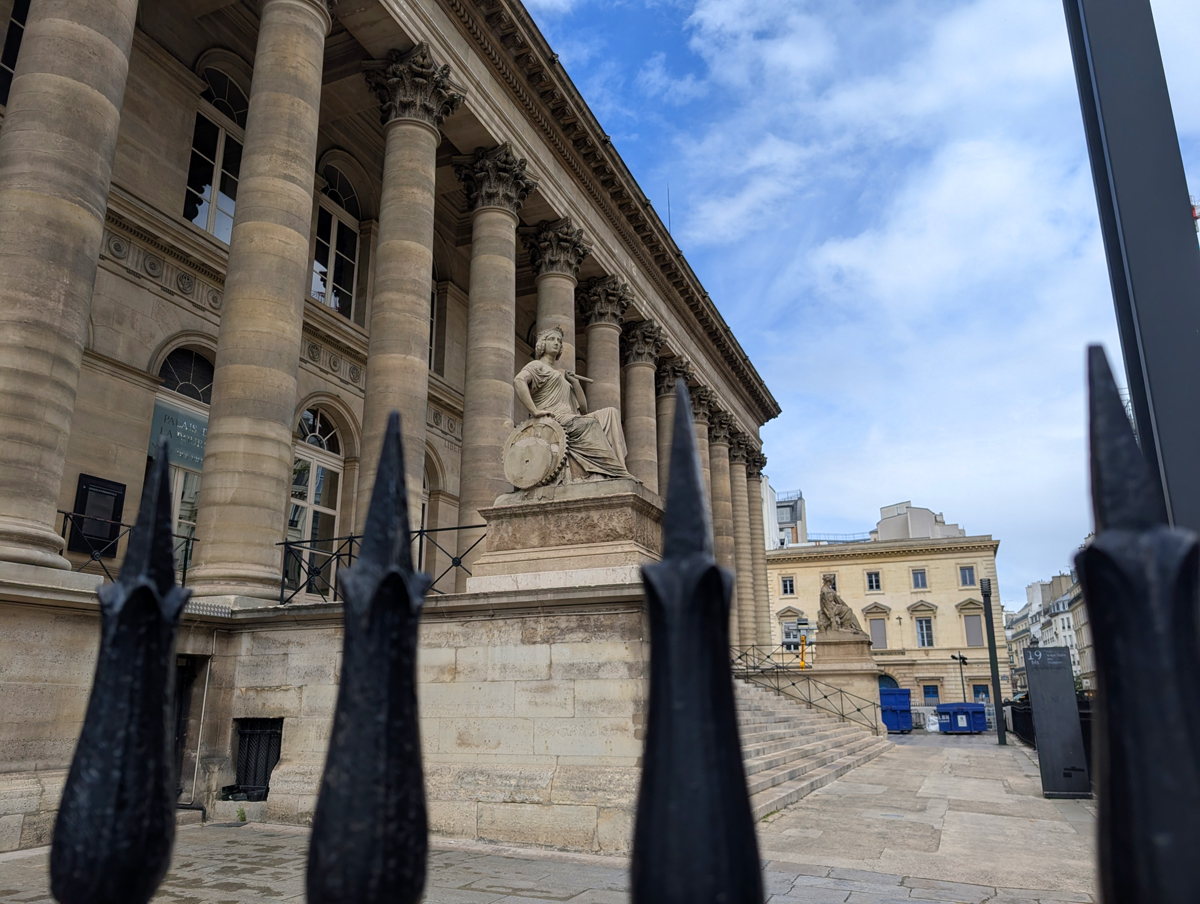
Palais Brongniart is right next to the Bourse metro (“Bourse” means “stock exchange”). It is a good place to finish your tour of the 2nd arrondissement.
Also…
Passage des Panoramas
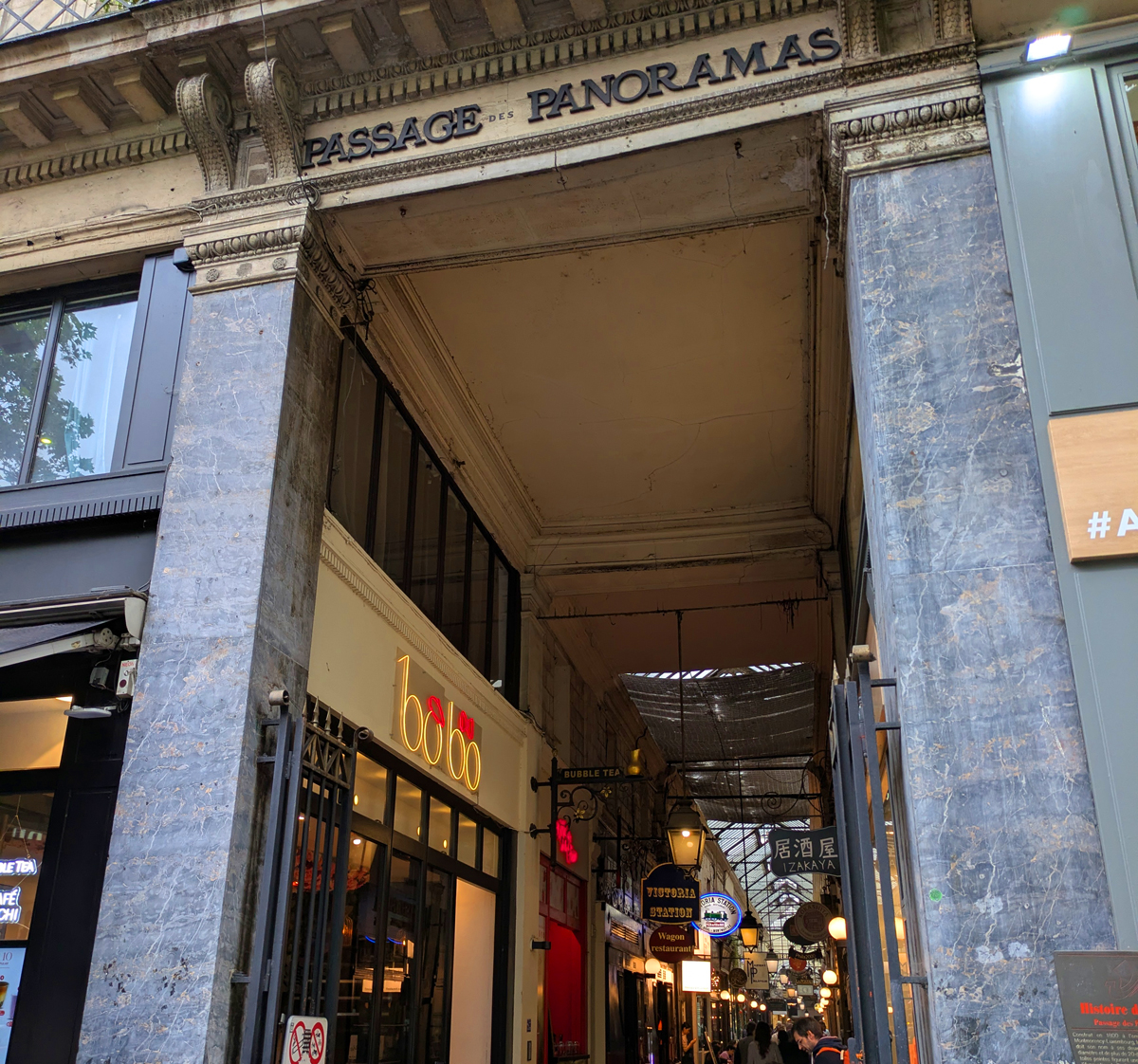
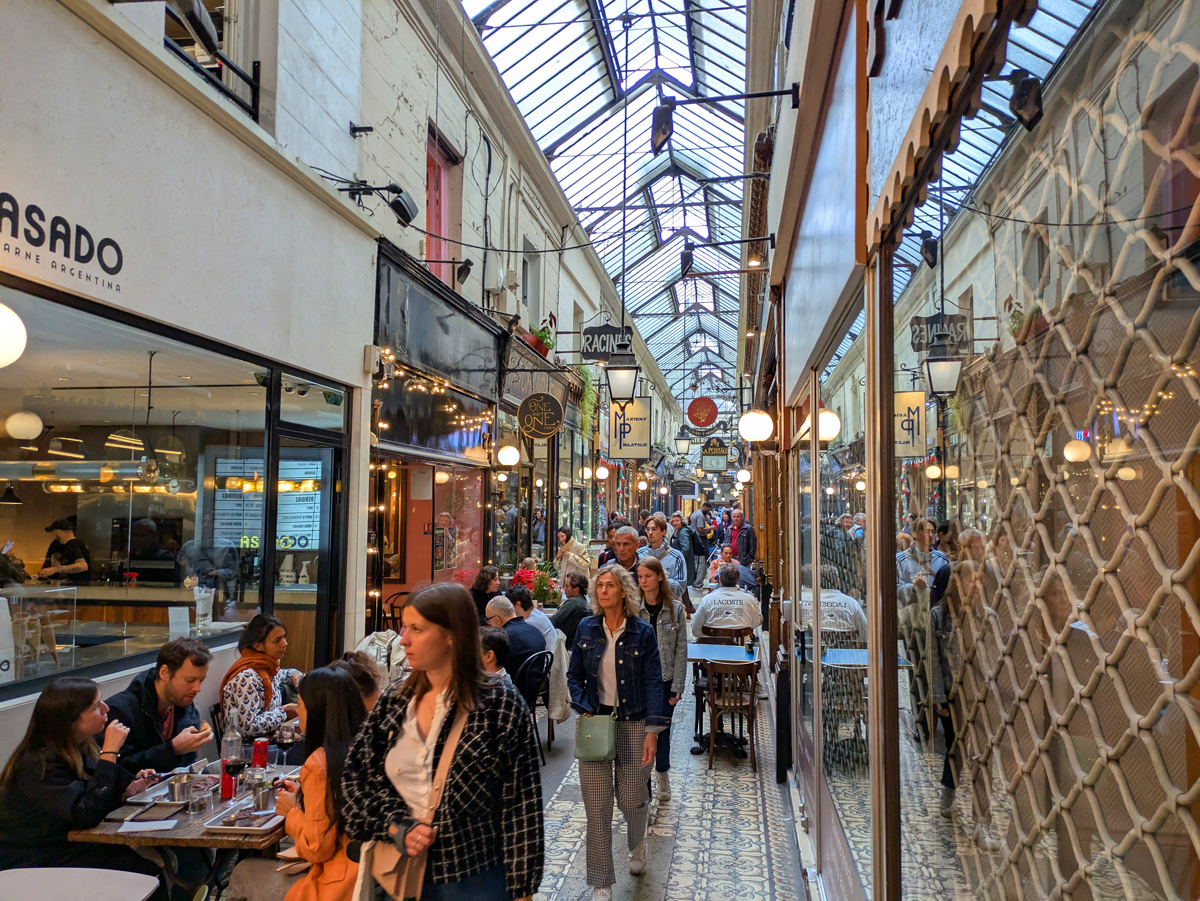
I mentioned that Passage des Panoramas is most logically visited when exploring the 9th arrondissement (it is right across from Passage Jouffroy as well as the Grevin Museum). But it is technically in the 2nd so I’ll give it some mention here.
It is Paris’s oldest (1799), best known and most visited covered passageway. It had a lot of vintage stores but first and foremost it has restaurants and food shops (frequented mostly by tourists).
Summing up Paris’s 2nd Arrondissement
While none of the highlights in the 2nd fall on most itineraries, there are some grand attractions here that typify what Paris is about.
Absolute “must-sees” in the 2nd: Bibliothèque Nationale de France and the passageways at Passage du Grand Cerf, Galerie Vivienne and Passage des Panoramas.
Pleasant surprises: Porte St. Denis for its history, Rue Montorgueil for its very Parisian vibe and the impressive architecture on Rue Reamur.
Related: What to See in the 1st Arrondissement of Paris
Related: What to See in the 3rd Arrondissement of Paris
This is exactly why I need another trip to Paris. I would love to just walk around a few different arrondissements for the beautiful architecture and pop into some hidden gems like this library.
Beautiful pictures, btw! I think you mentioned that Lissette got a new smaller camera?
Hi Claudine! Yes, that’s why I’m covering Arrondissement by arrondissement…lots of lesser known spots with few tourists.
We now both use Google Pixel cameras. Best camera phones we’ve ever seen with a good zoom. Fine for blogging. Before Lissette had a Cannon with several lenses, just took up too much room. We’ve become minimalists 🙂
What a coincidence… I use a Google Pixel too 🙂 Love it, including the camera. Better half is an Apple guy and swears by his iPhone but he’s also more into cameras, so we still have to carry the Canon with one extra lens. There’s a Fuji too, but I put my foot down with that!
Yes, and you can delete people you don’t like from your photo 🙂 It’s great. Lissette thought she’d miss her camera but she hasn’t, and now she walks around with a tiny purse. Big difference!