A Tour of Whitby and the North York Moors National Park.
This tour was one of the highlights of a month spent in York.
We had wanted to visit the seaside town of Whitby but, without a car, it was near impossible to visit independently from York (a 3 hour bus…one way!).
So we took the Whitby & The North York Moors Day Trip from York with a company called Best of Britain. Part of the tour was a visit to Whitby but it also included a drive (and stops) in the North York Moors National Park (beautiful!) as well as an optional ride on the North Yorkshire Moors Railway (the 2nd longest heritage railway in England).
All about our tour of the Whitby and the North York Moors National Park below.
Starting Off
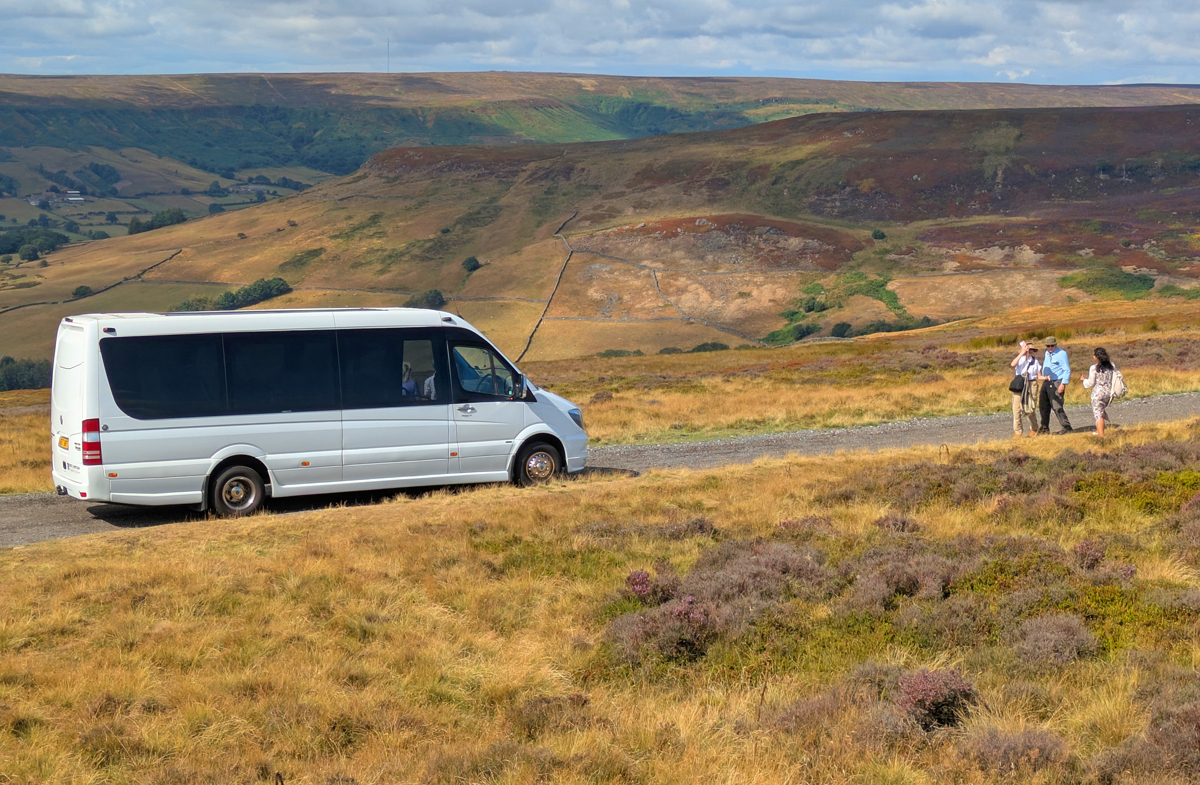
The meeting point was at 8:50 am at the Dean Court Hotel, steps from the York Minster. There were 14 of us on the tour plus our guide/driver Mark. We knew Mark: a couple of weeks previous we had done a tour of the Yorkshire Dales National Park with him and had been impressed by both his knowledge and ability to get it across in an entertaining way. A great guide.
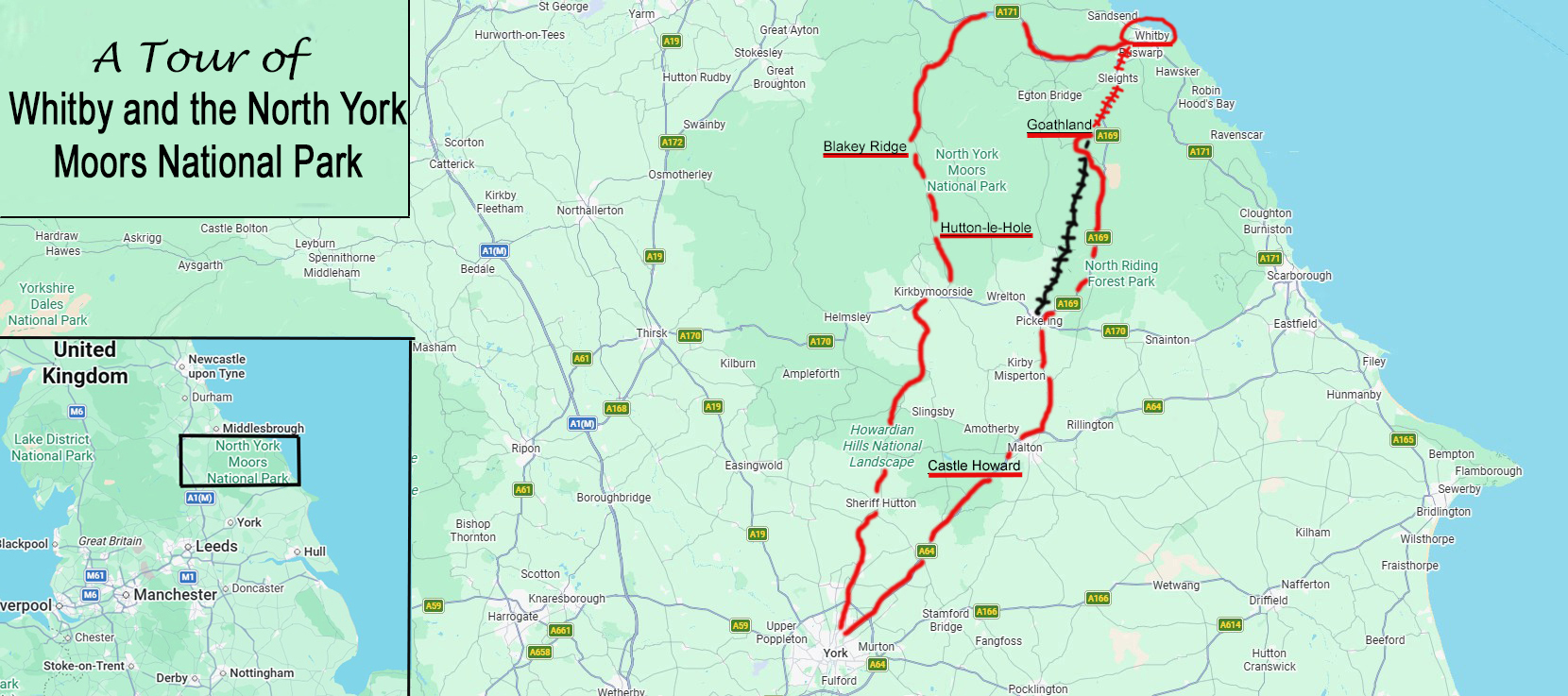
Our drive took us Northeast of York, passing Sheriff Hutton (where you’ll see the impressive ruins of a 14th century castle) and the pretty town of Hovingham.
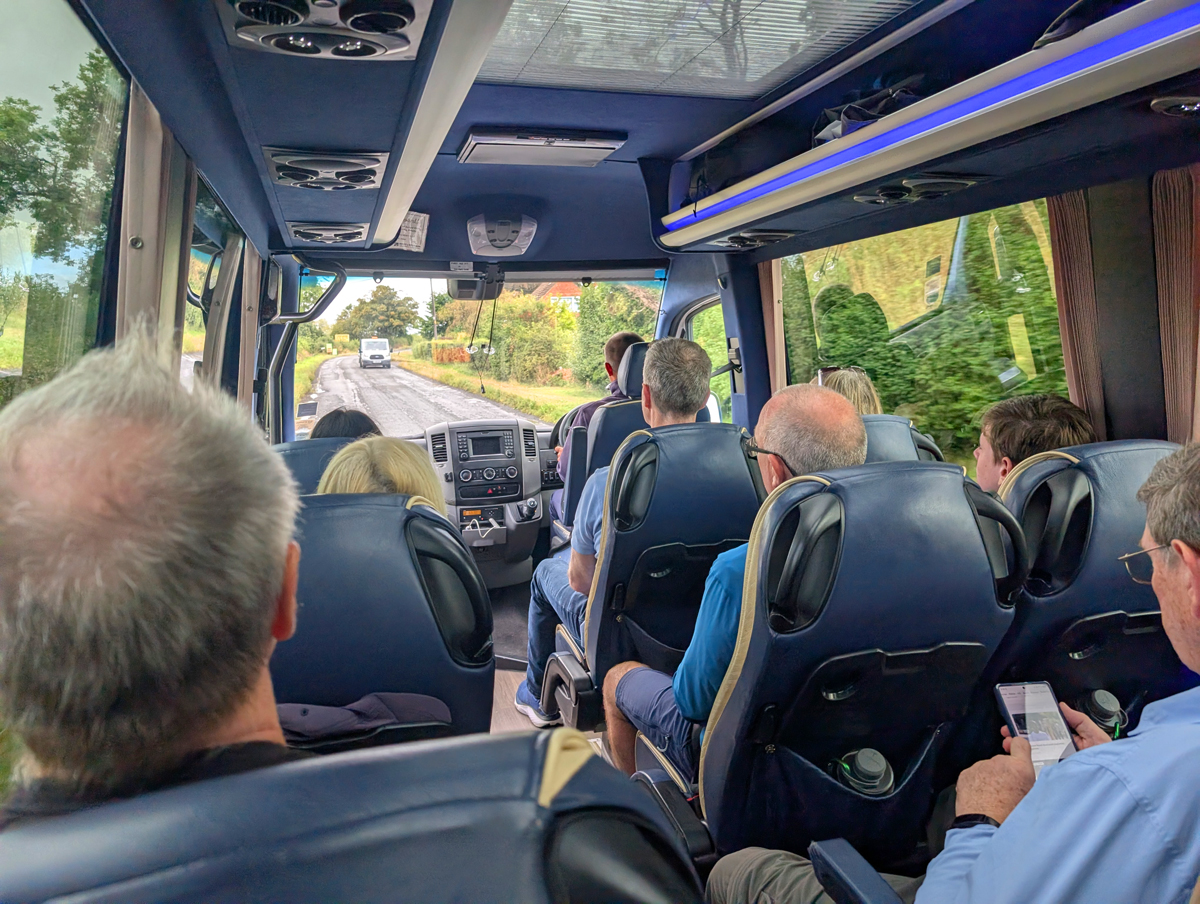
Coming along this route, there is no sign that you’re entering the North York Moors National Park except for a cattle grid that the van rattled over. The North York Moors National Park is one of two National Parks in Yorkshire (the other being the Yorkshire Dales National Park which I mentioned up top).
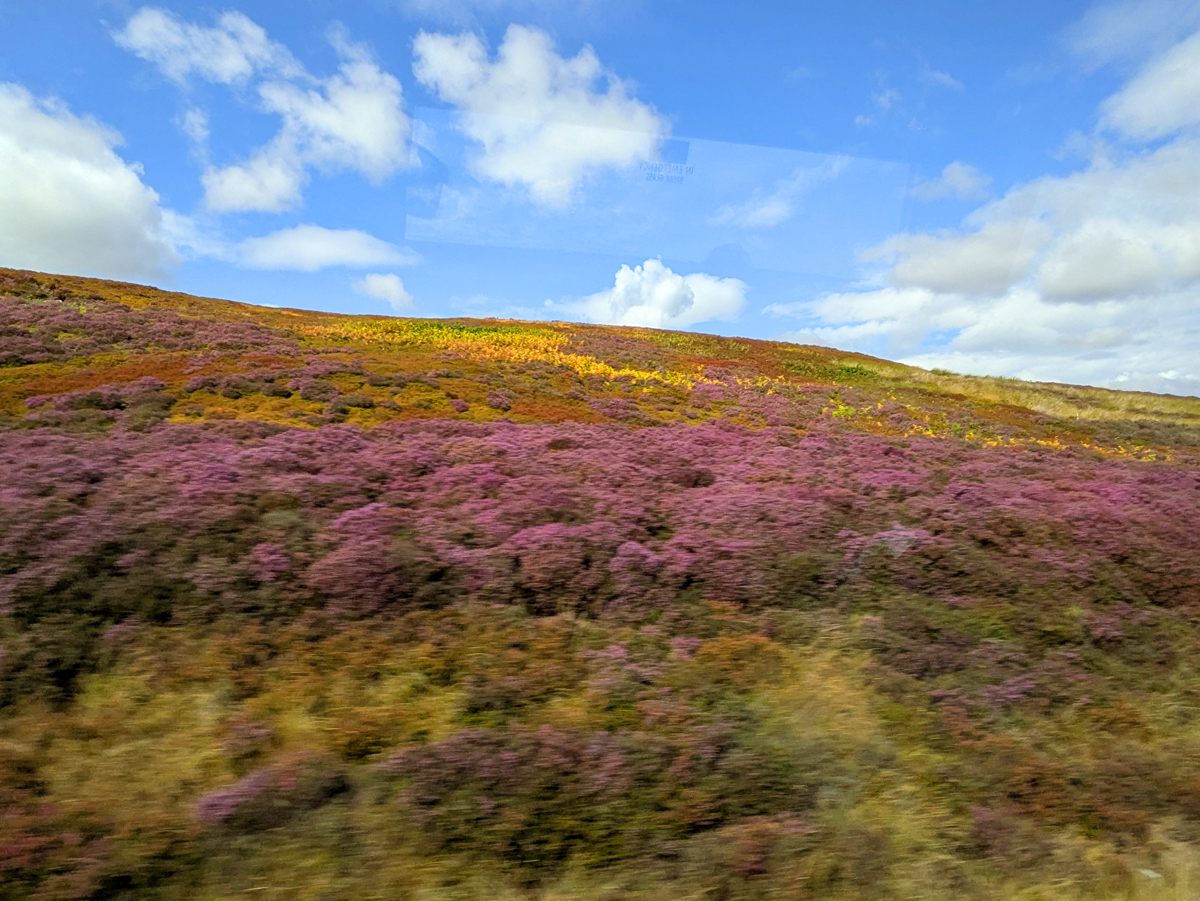
What’s the difference between the two parks? The Yorkshire Dales National Park is defined by green valleys, limestone and the dry stone walls everywhere. The North York Moors National Park is defined by wide open spaces, colourful shrubs called heather*, and a dramatic descent to coastal towns (like Whitby) on the North Sea.
*As you’ll see below, the effect of the heather on these hills is gorgeous. The best time to come is in late summer (mid-August to mid-September) when the shrubs break out into brilliant purples and pinks that cover the area.
Hutton-le-Hole
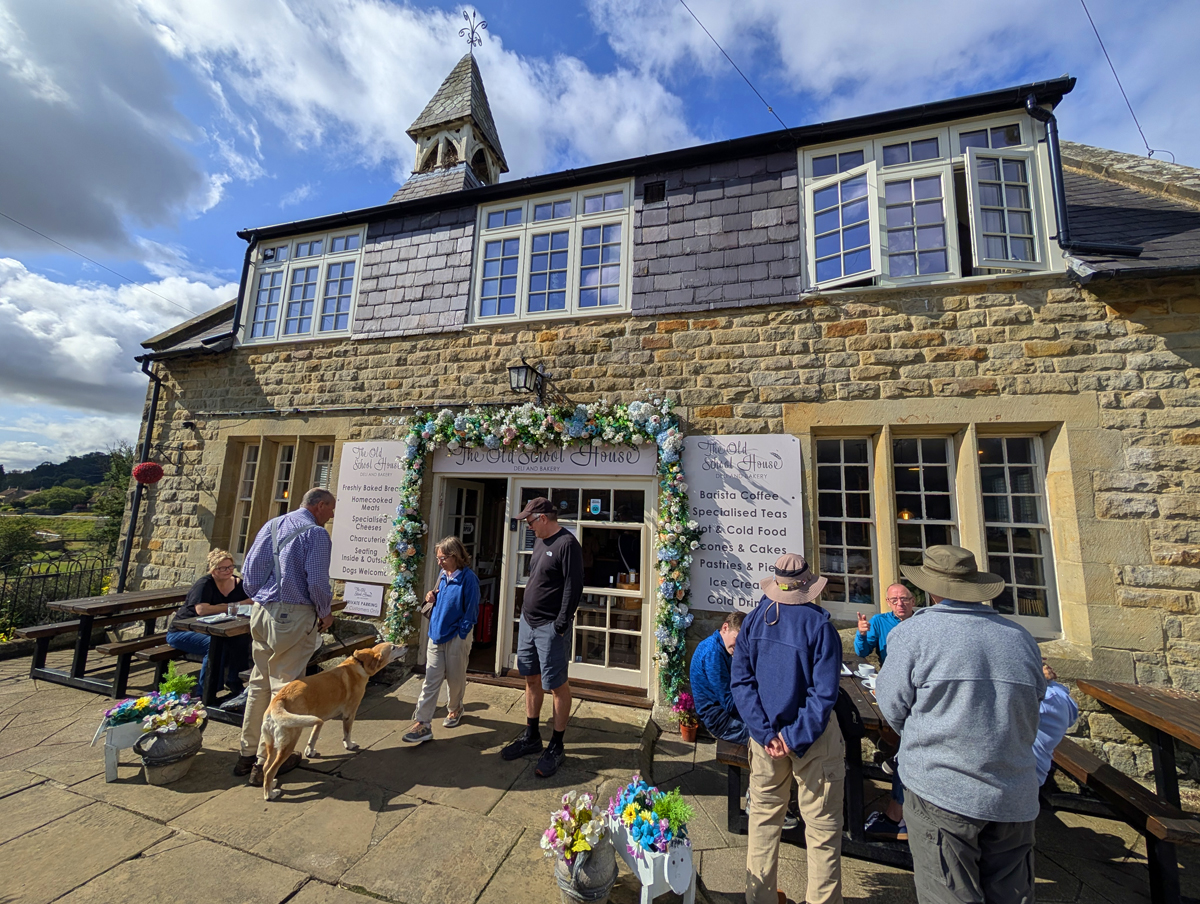
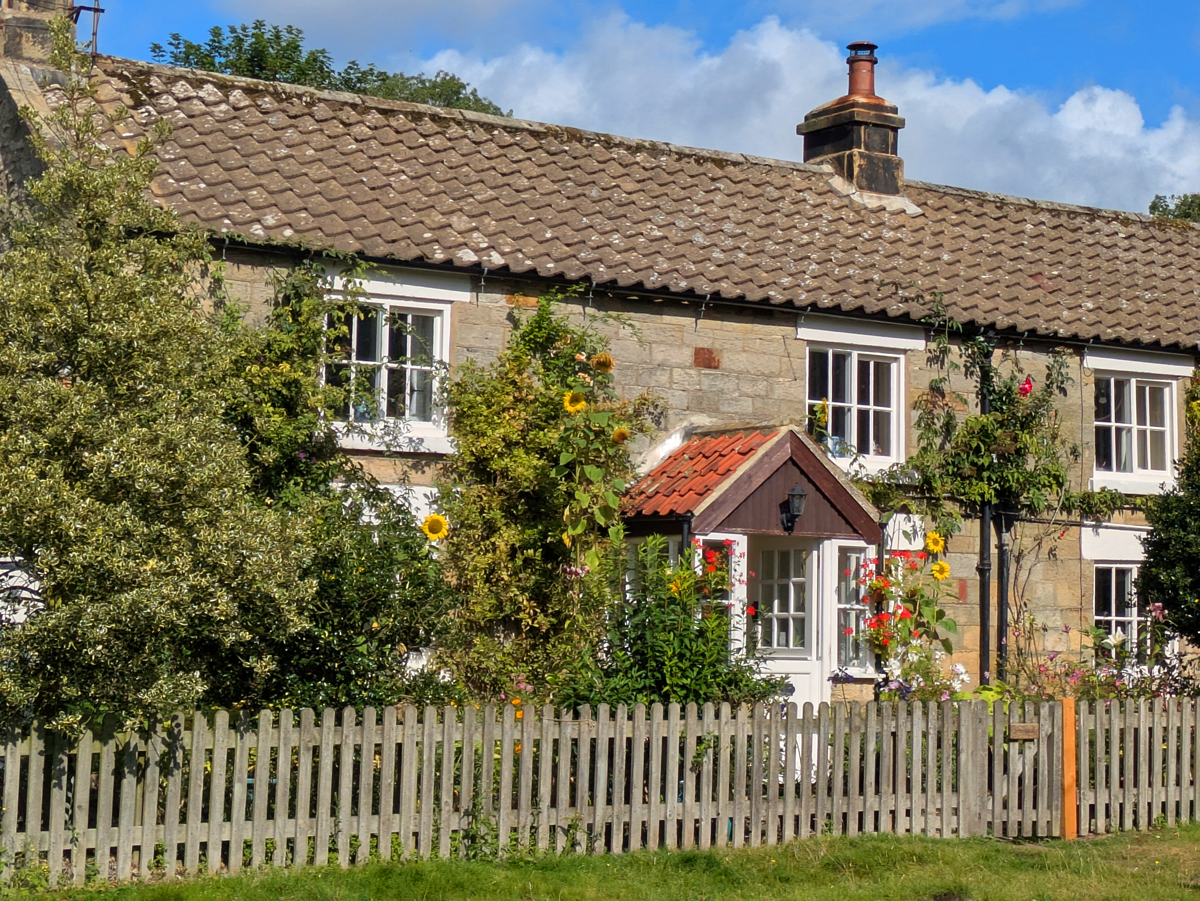
Almost exactly 1 hour since having started out from York, Hutton-le-Hole was our first stop on the tour. Why Hutton-le-Hole? While it’s a pretty little place (incredulously listed by Condé Nast Traveler as one of the among the “20 most beautiful villages in the UK and Ireland“), there’s really not much to it except for a “little waterfall” as Mark put it. Rather, stopping here was to give everyone a chance to stretch their legs, use the free public bathrooms, and get a coffee or snack at the fabulous bakery on the edge of town.
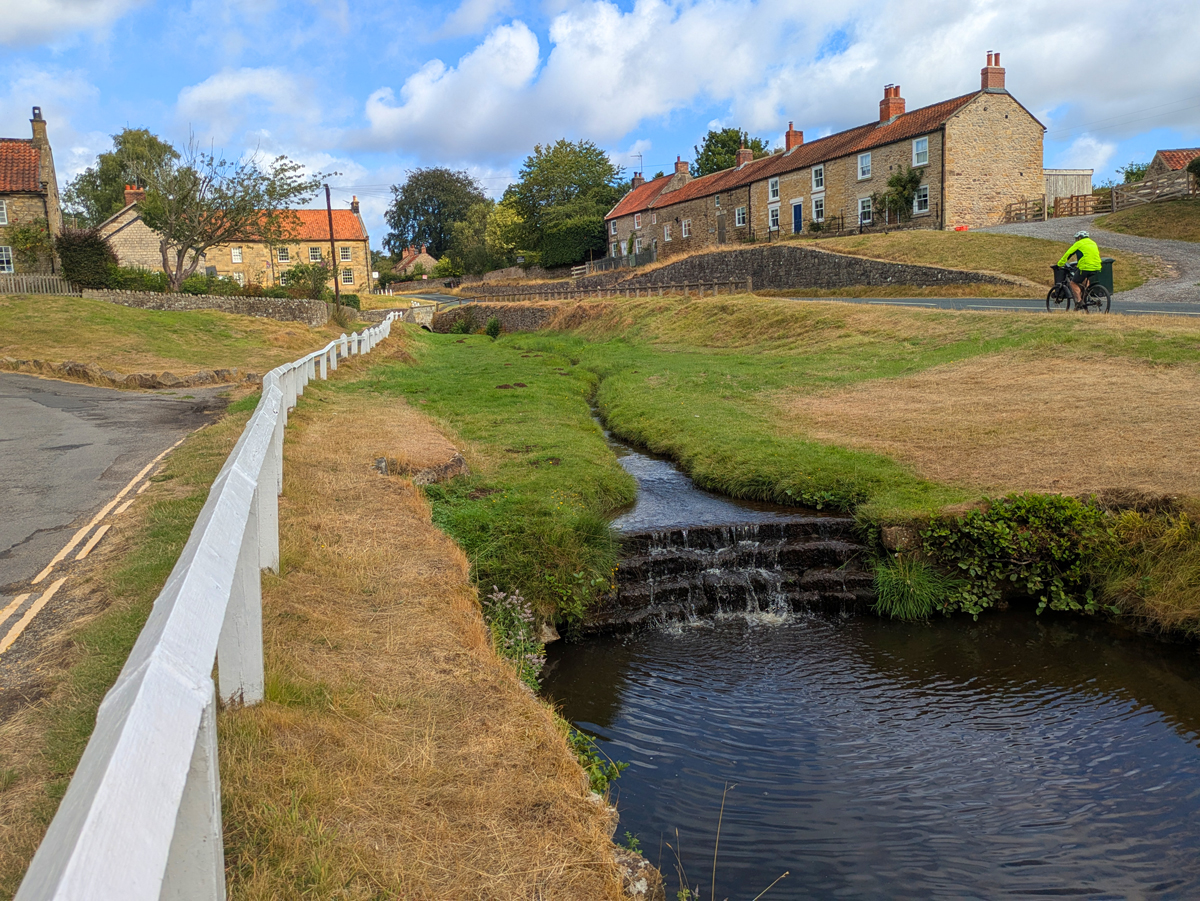
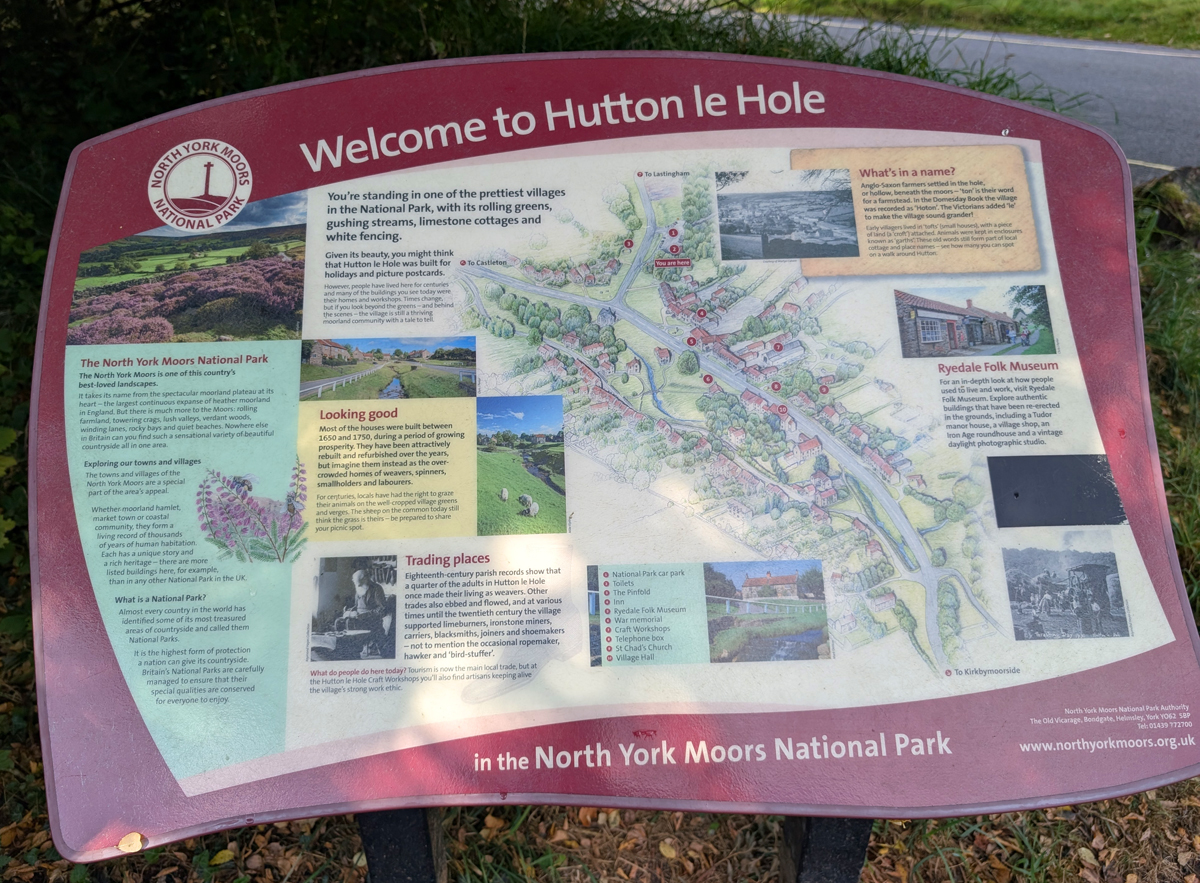
Curious about the name? It used to be called “Hoton” but someone got it into their heads that “Hutton-le-Hole” would sound much more dignified and appealing to the visitor. I guess they were right.
The North York Moors National Park
From Hutton-le-Hole, the road climbed into the park, the horizon opening up and the views getting more and more beautiful as we continued on.
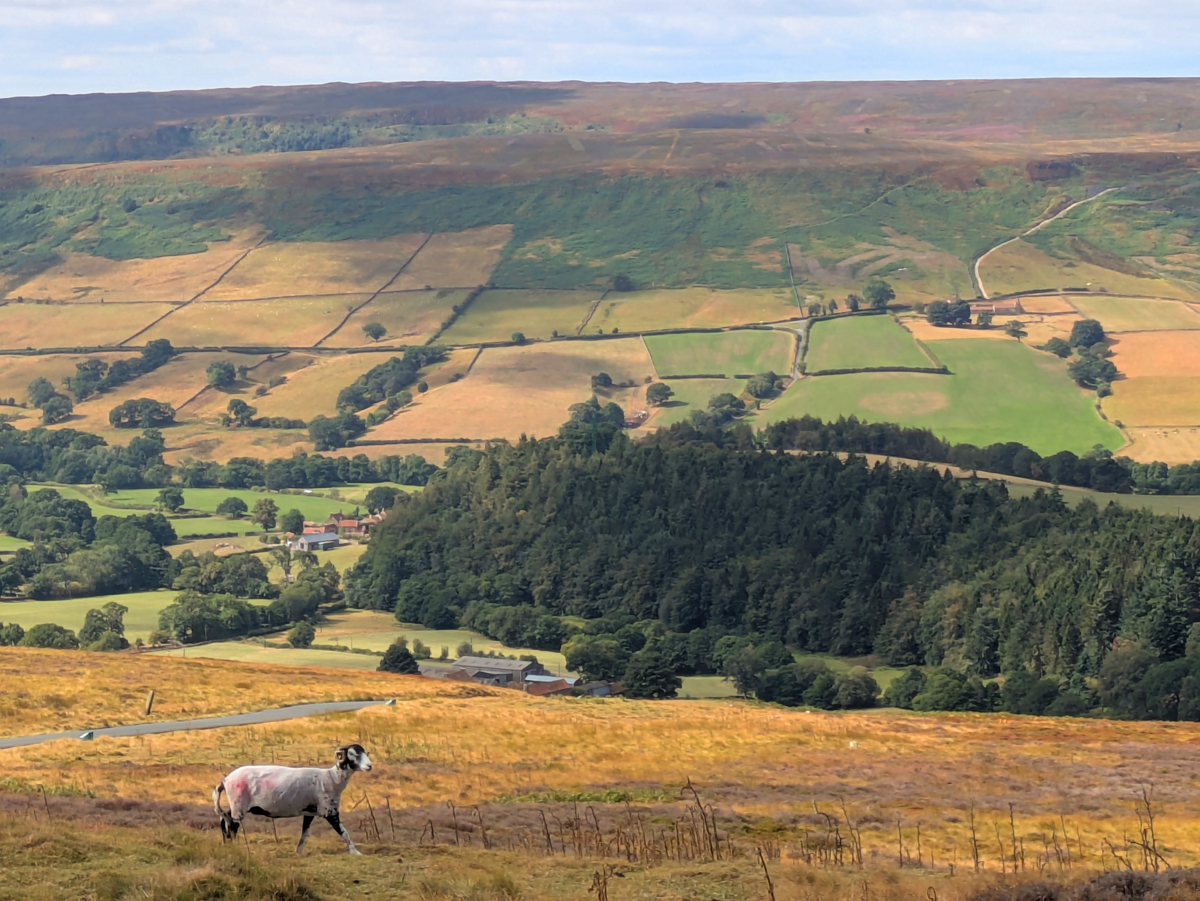
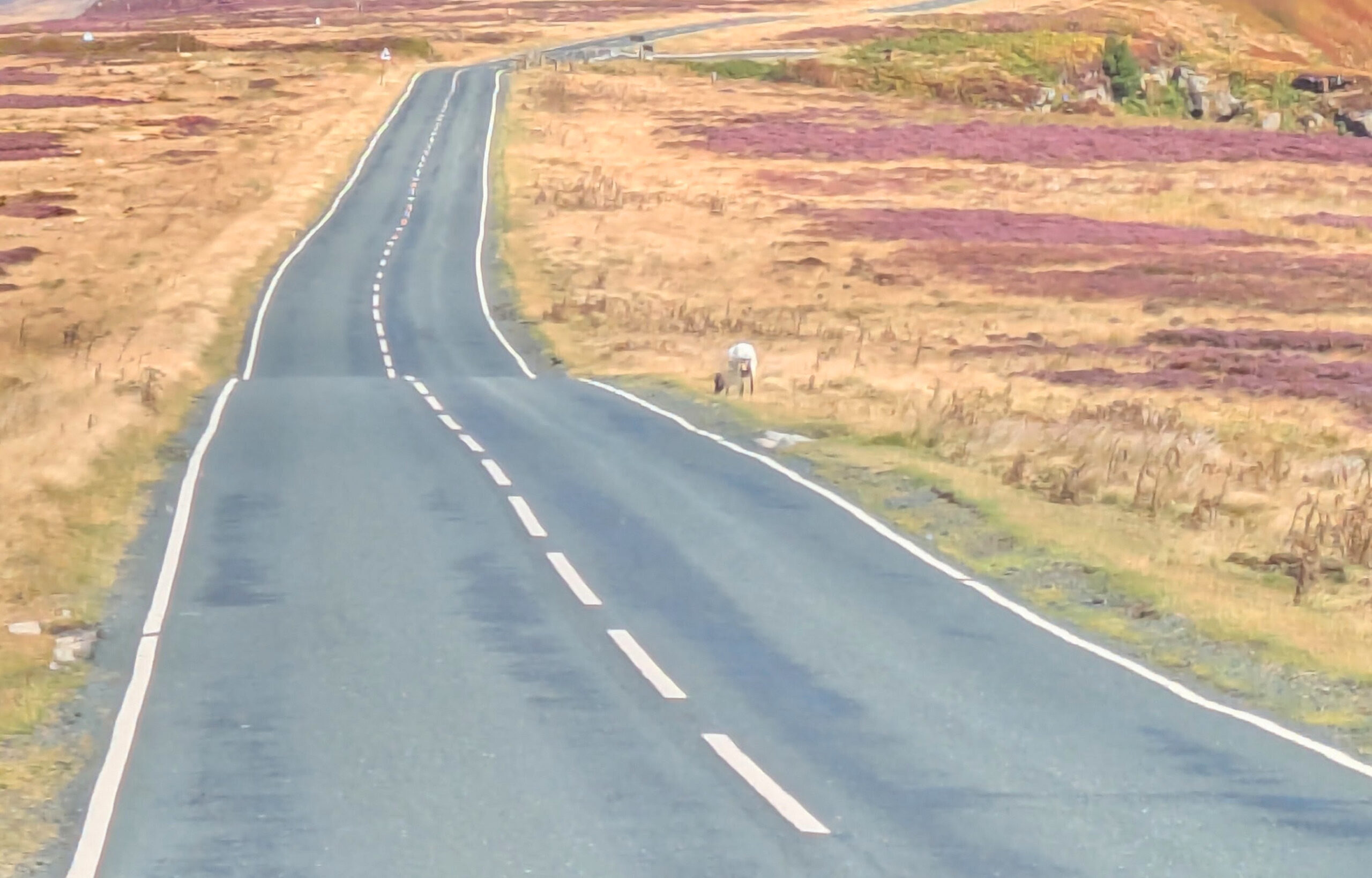
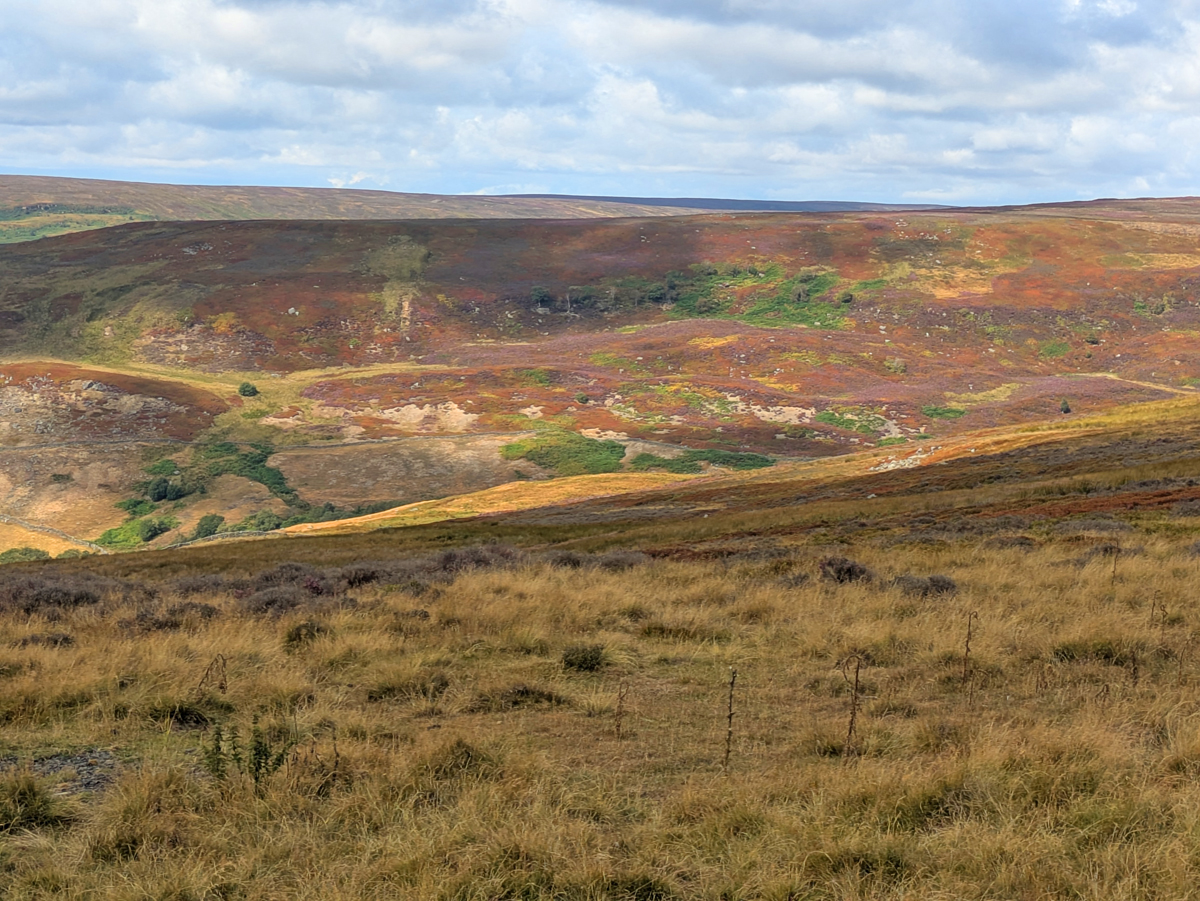
Blakey Ridge marks the highest point in the park. On this ridge you’ll see the symbol of the North York Moors National Park: Young Ralph cross. The story: a farmer named Ralph had come up here with his flock of sheep when suddenly the weather turned. With not enough time to return to his village, he hunkered down with his sheep for the night. The next morning, the weather having cleared, he found a traveller who had died from hypothermia. He was so moved by his finding that he commemorated the traveller by erecting a cross in his memory in this spot.
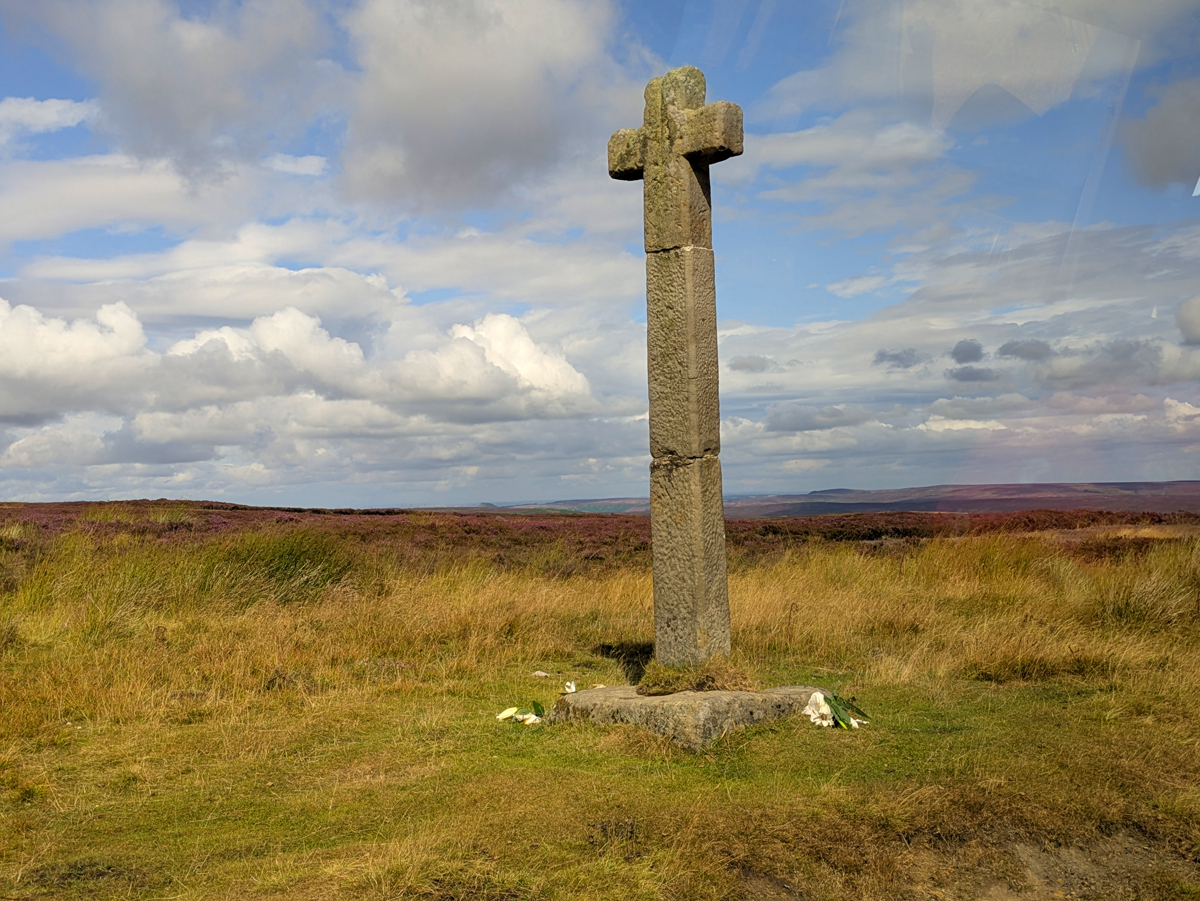
The cross is about 10 feet high and is thought to have originated in the 11th century.
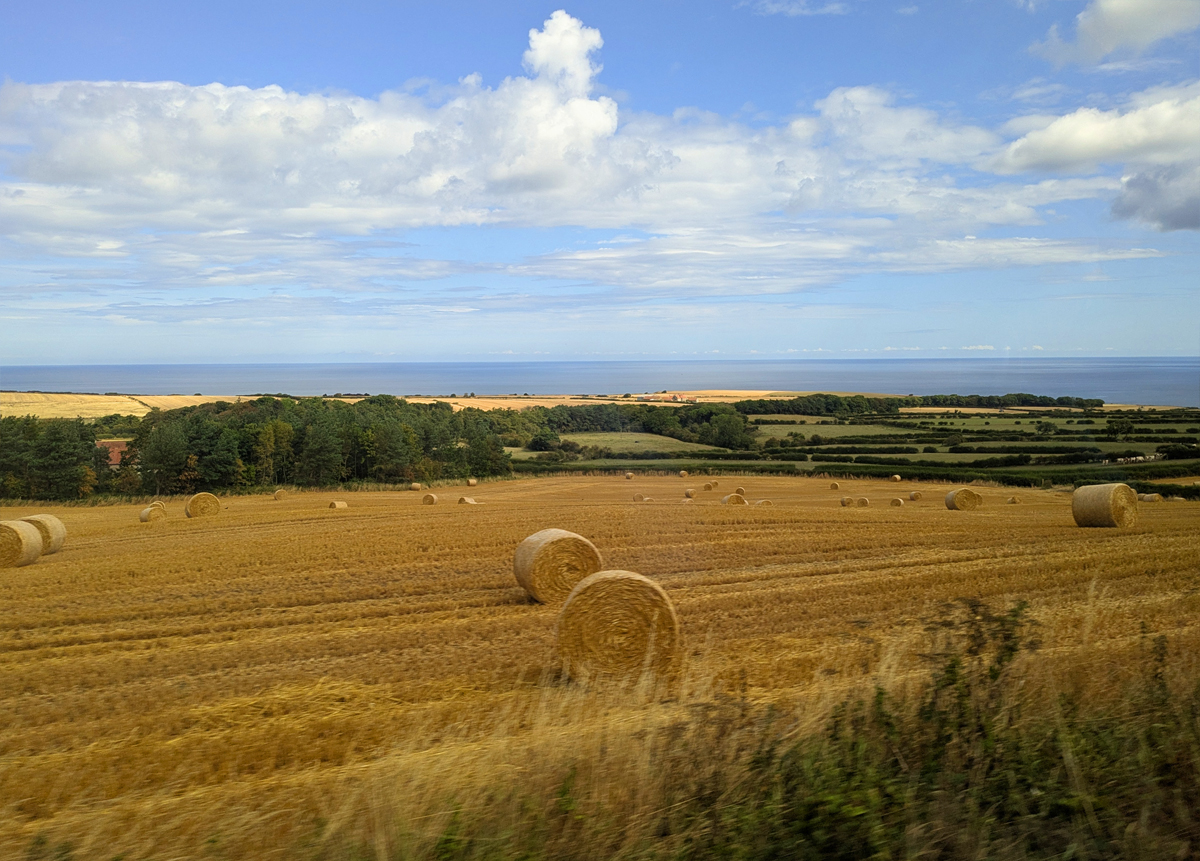
Continuing on, it doesn’t take long to see the blue of the North Sea. Although seemingly close, we were still about 20 miles from the coast. It just goes to show how open the spaces and how expansive the views are in the North York Moors.
Whitby
Besides being a very pretty town with a majestically-situated 7th century abbey, Whitby has two major claims to fame;
- Explorer James Cook, who was born just a bit inland, came to Whitby in his late teens and it was here that he started his maritime training. After 9 years in Whitby, he joined the British Royal Navy and would eventually lead them through 3 trips of exploration through the Pacific and Southern Oceans. He was killed in Hawaii in 1779 during a dispute with a local chief. Whitby has a monument dedicated to James Cook as well as a museum in the house in which he once lived. There’s also a replica of HMS Endeavour in the harbour.
- It was in Whitby that Bram Stoker (an Irishman) got his inspiration for the novel “Dracula” (in quotations because, contrary to what some think, Dracula wasn’t a real person). In fact, there are several references to Whitby in the novel, specifically Whitby Abbey, St. Marys’s church (and graveyard) and the 199 steps up from town. More on that here.
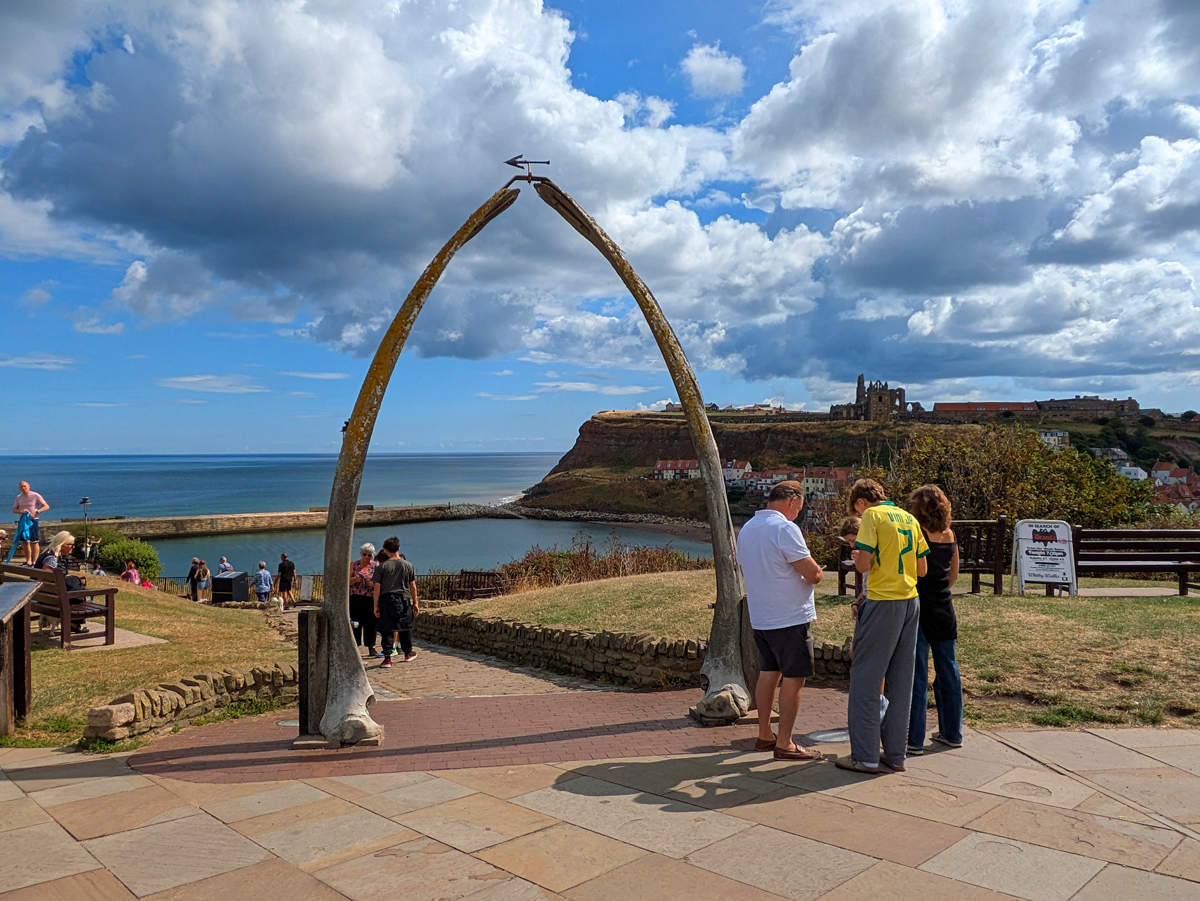
After driving into Whitby and stopping at the Whalebone arch (a real set of whale jaw bones), we drove into town. We were given almost 2 hours of free time in Whitby.
What to do in 2 hours in Whitby?
There are several options:
- See Whitby Abbey
- Mary’s church and graveyard
- Wander the pretty old town and harbour (including the Endeavour replica)
- Visit the James Cook museum.
- If you haven’t done it, go up to the Whalebone arch for the views.
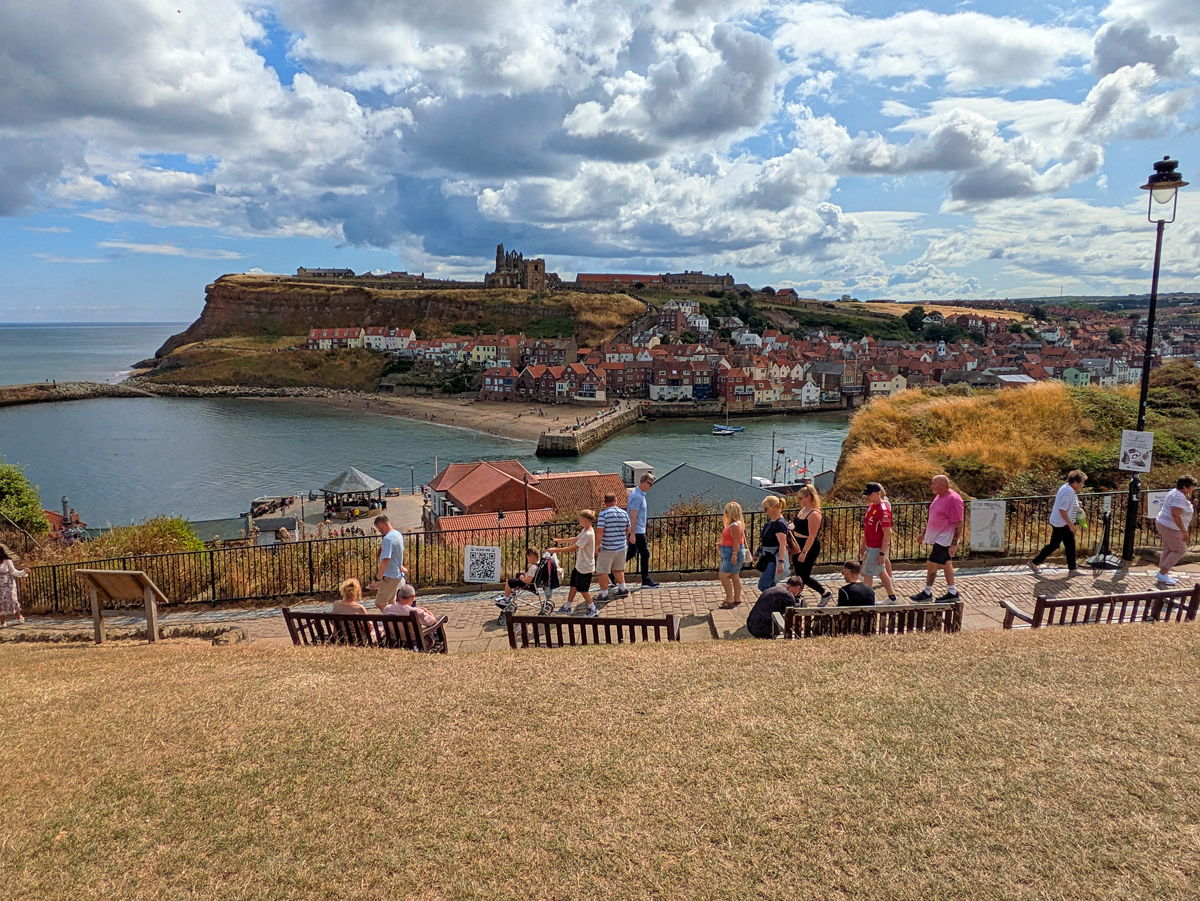
Really, there wasn’t time to do everything so we focused on the outdoor activities: seeing the Abbey, the church and graveyard and walking down the steps into the old town. I would have loved to see the James Cook museum but there was just no time. Plus we had to get something for lunch which ended up being a sandwich at Daisy Baileys (possibly the worst sandwich I’ve had in my life. But they’re better known for their ice cream).
Some photos.
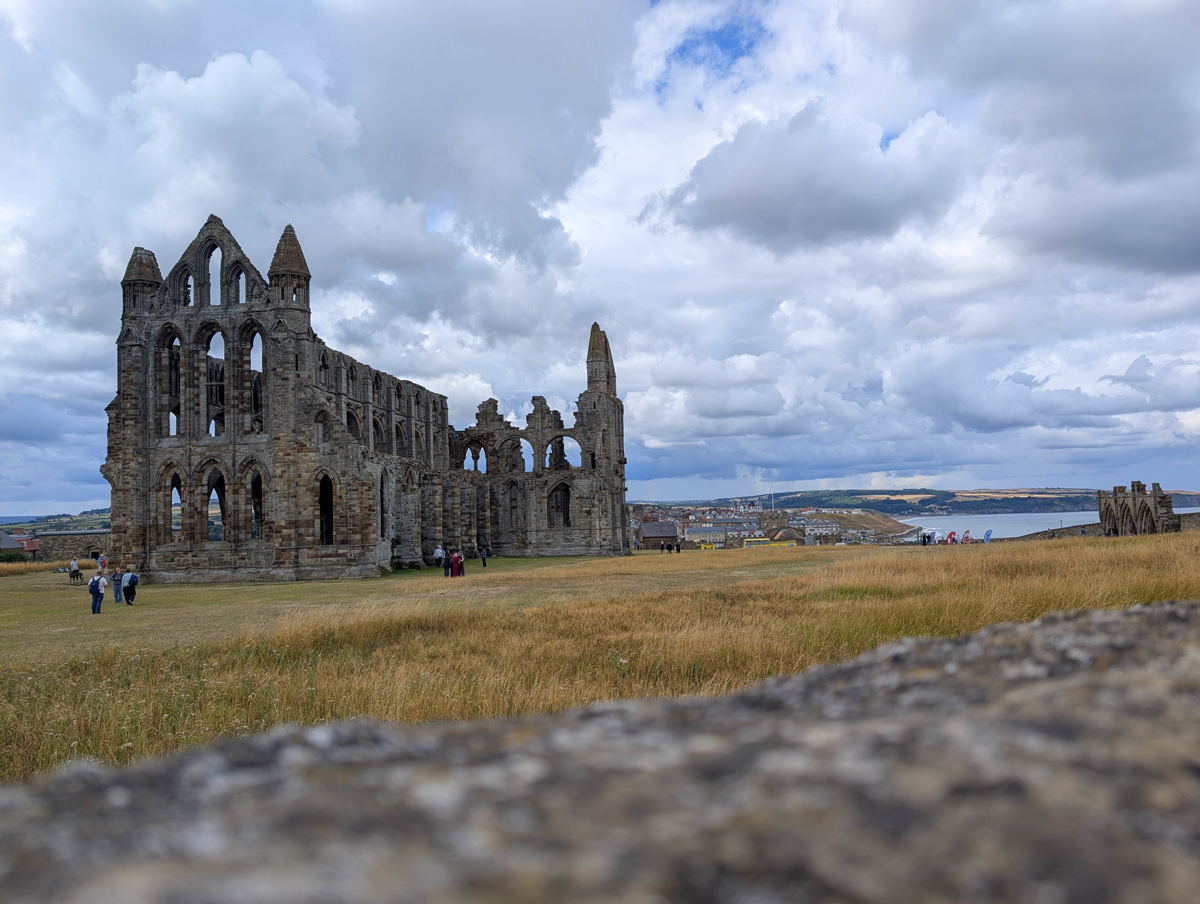
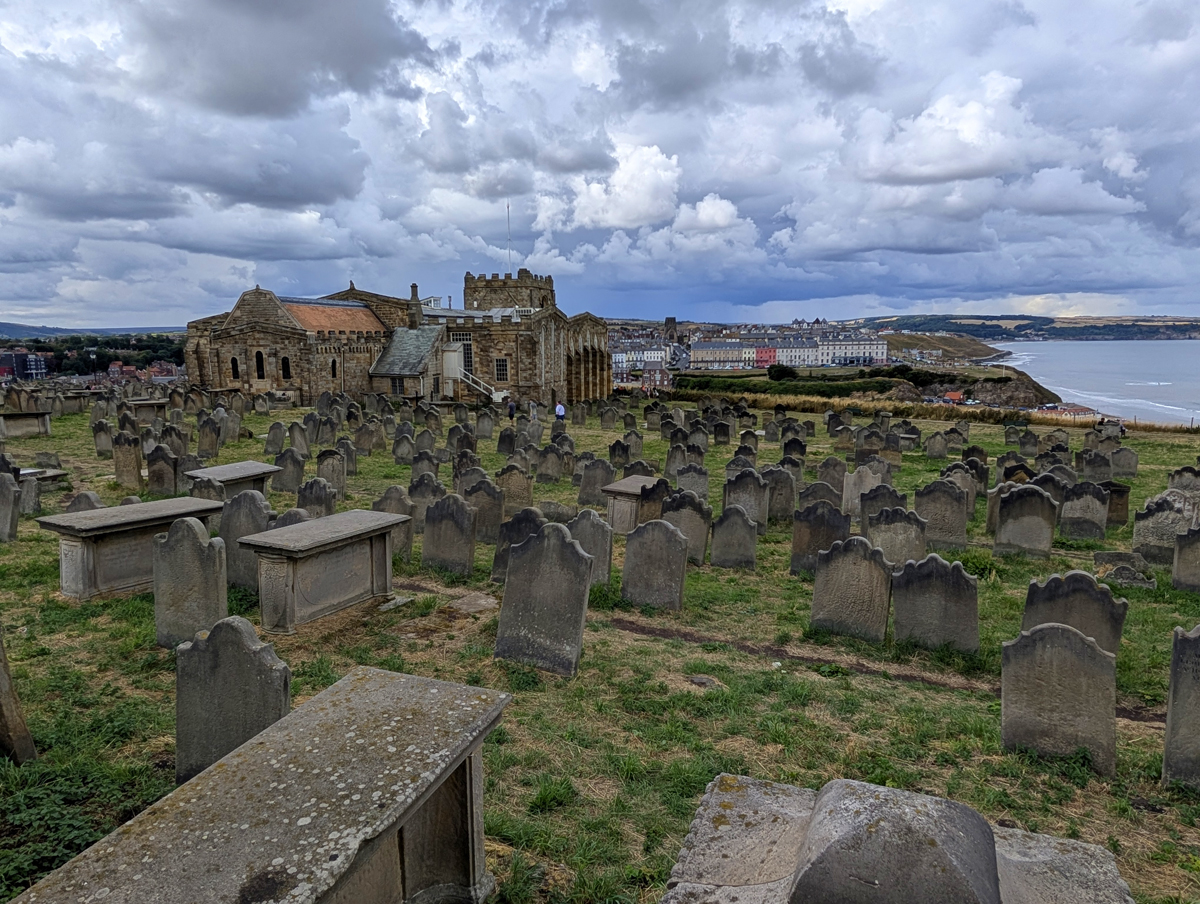
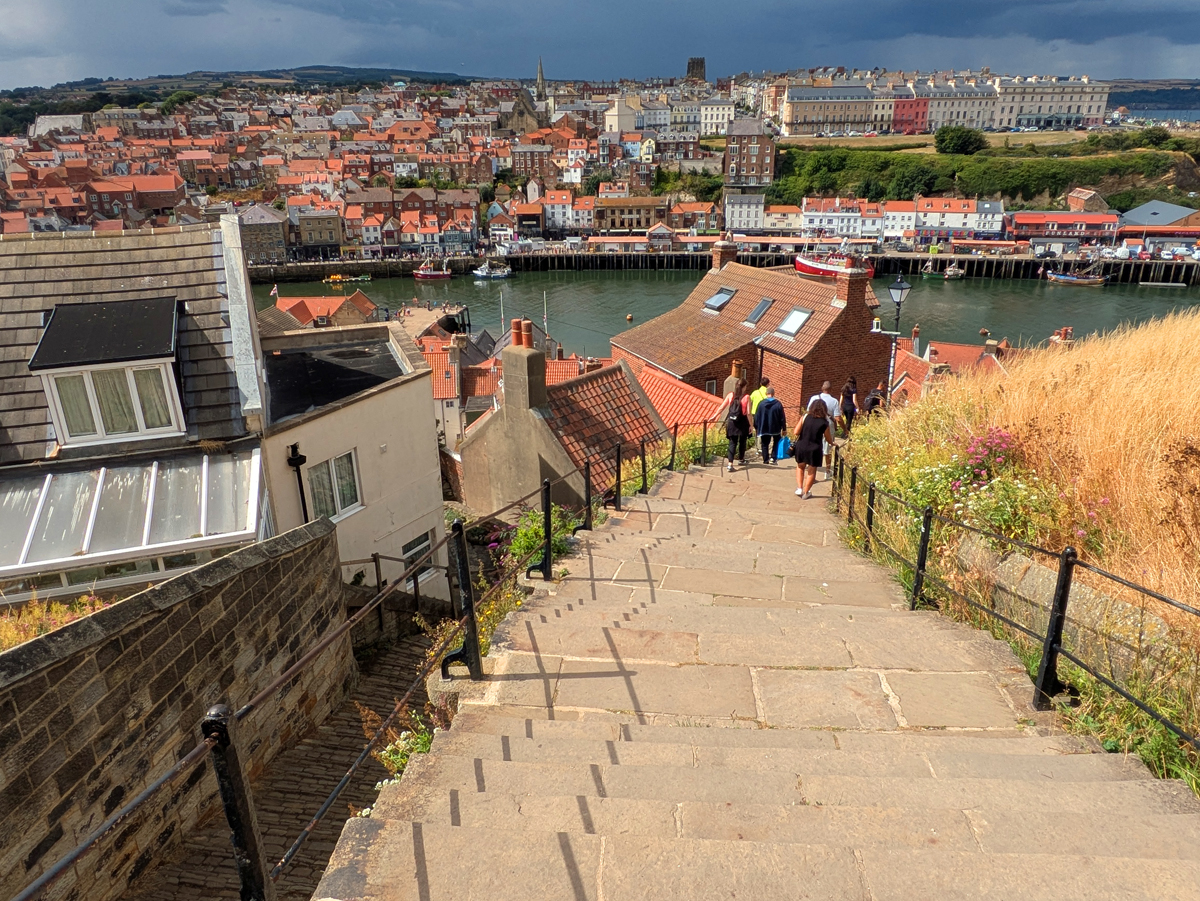
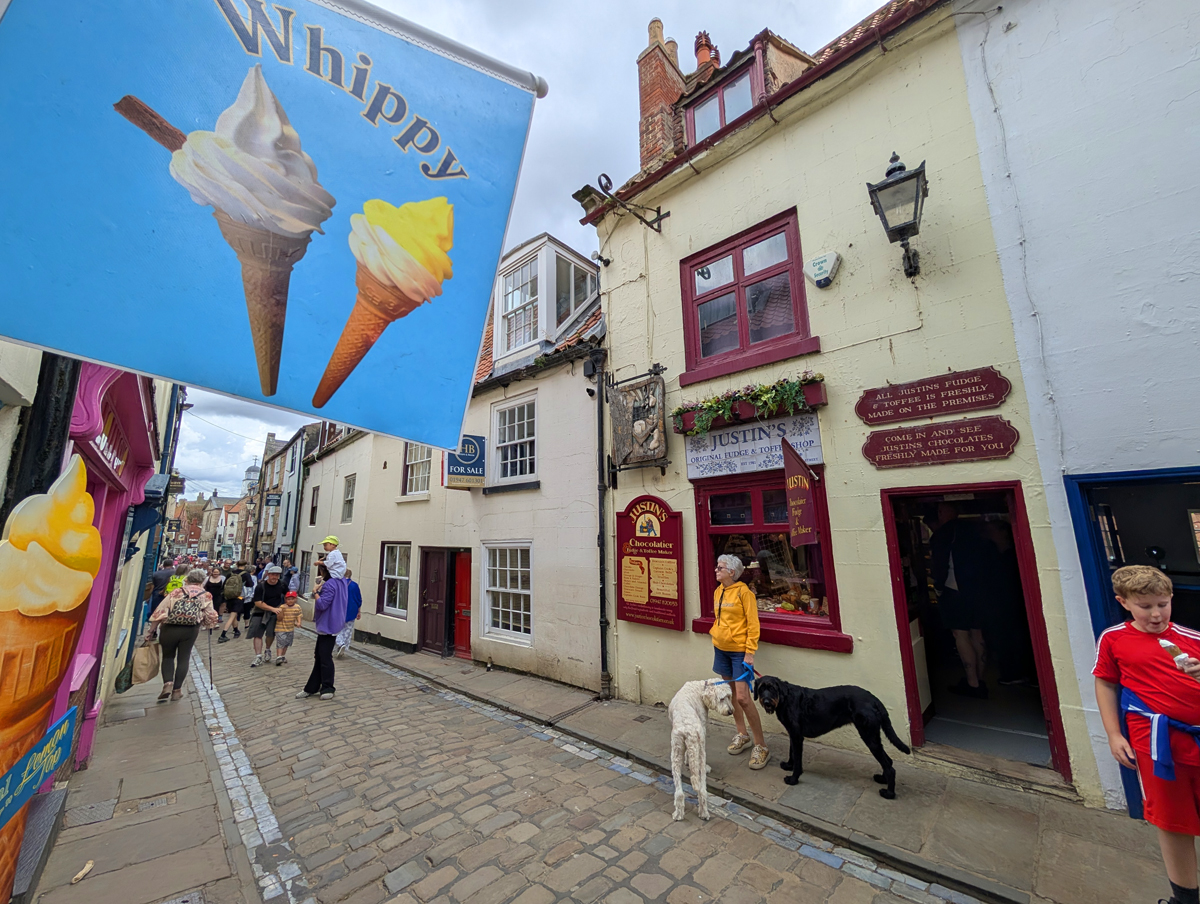
If I had any tips to give on visiting Whitby: if lunch is your priority, go to a restaurant as soon as they open up (Mark’s recommendations: Trenchers, The Vault and I think the 3rd was Cosa Nostra). We arrived back in town at 1 pm and the lines to get into any decent restaurant were 20 deep. That, and a sudden downpour, had us going to Daisy Baileys.
The North Yorkshire Moors Railway
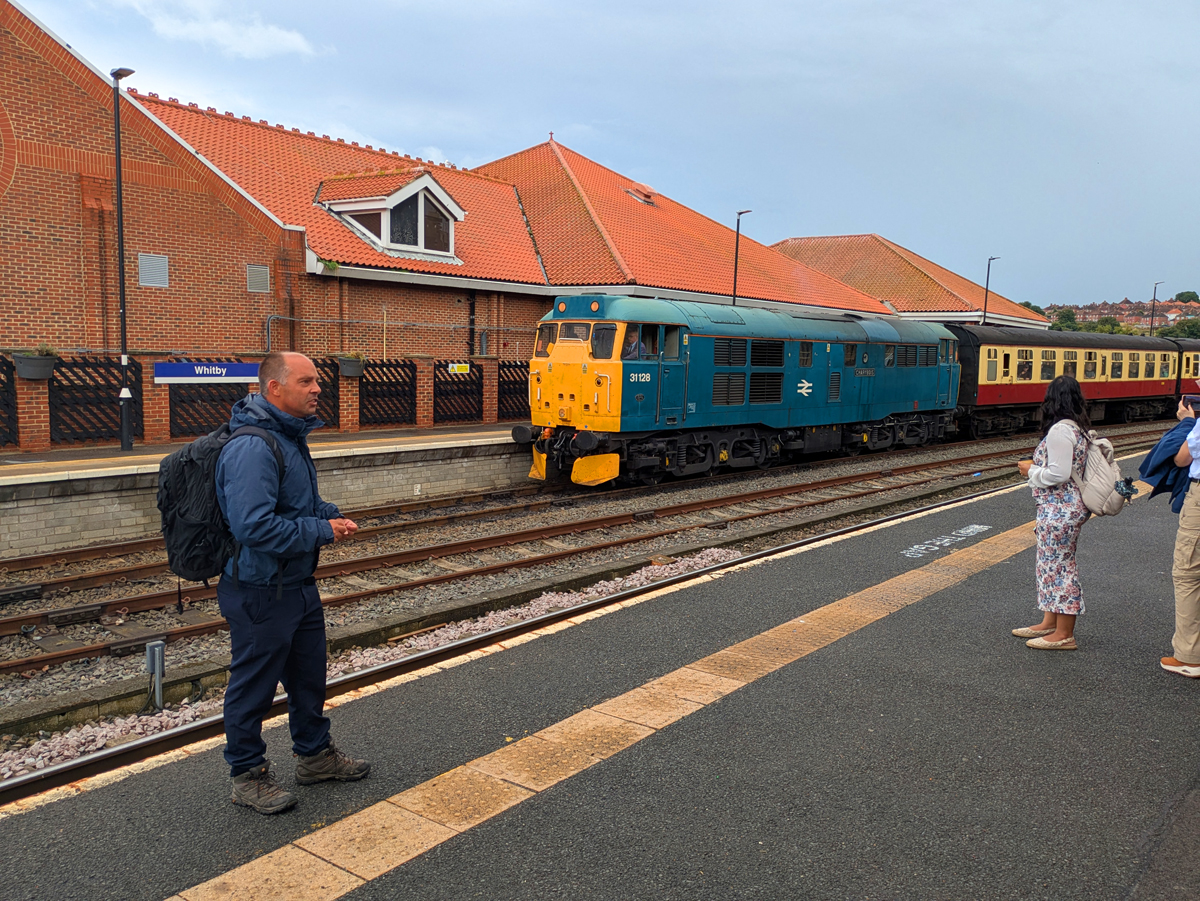
At 1:50 we all met up at the Whitby train station. While riding the North Yorkshire Moors Railway is an option on the tour everyone had chosen to participate (note: Best of Britain gets a discounted fare of £11, almost half of the regular fare. There are other perks which I’ll go into below).
As mentioned above, North Yorkshire Moors Railway is the 2nd longest heritage railway in the UK at 24 miles, the route running from Whitby to Pickering. Only the West Highland Railway in Wales is longer (at 26 miles). It might be the 2nd longest, but the North Yorkshire Moors Railway is the most popular in Britain and might be the busiest steam heritage lines in the world carrying about 350,000 passengers per year.
What makes the North Yorkshire Moors Railway popular?
- It runs through the North York Moors National Park so you can see some of the scenery I’ve highlighted above from the train window.
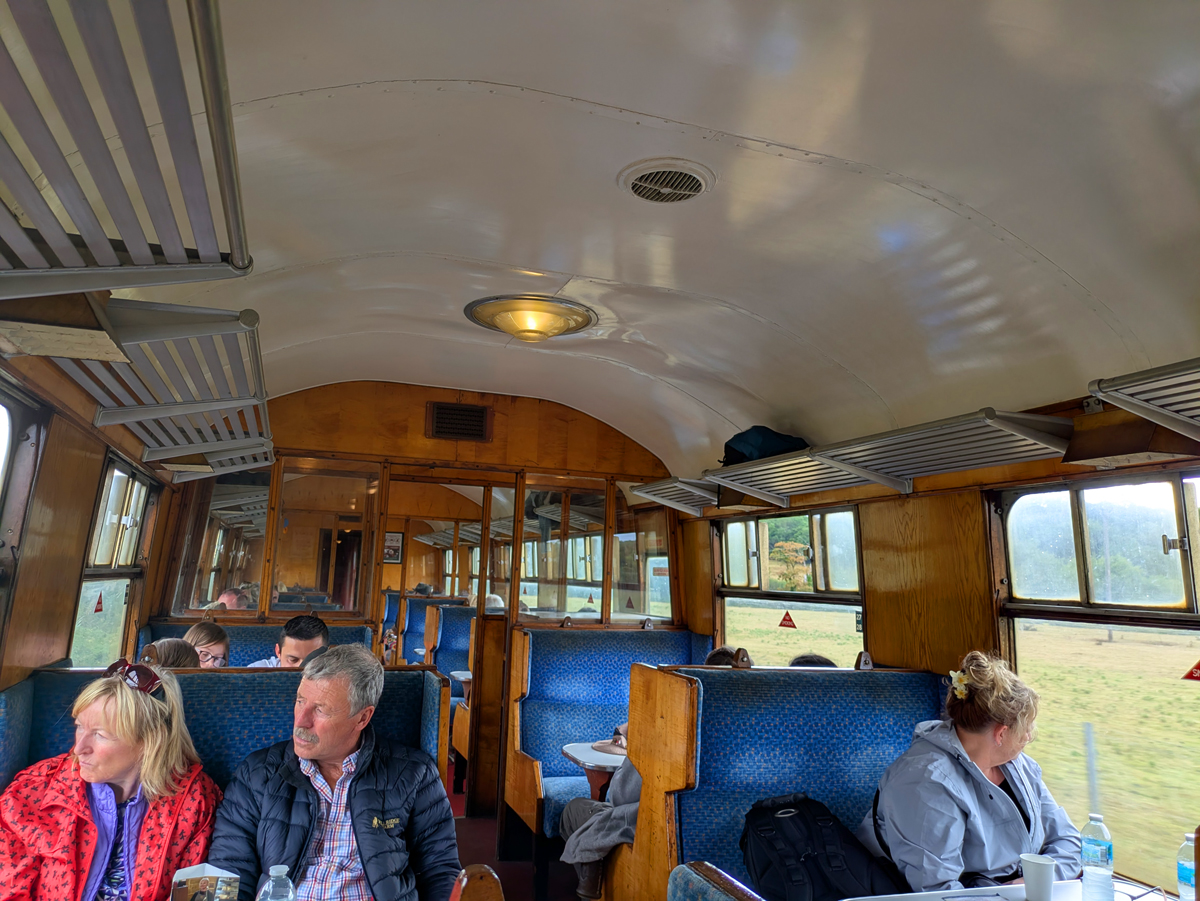
- You can ride a vintage steam locomotive (or a diesel locomotive if conditions don’t allow), most dating from the early 1900’s. See here the list of locomotives used on the railway.
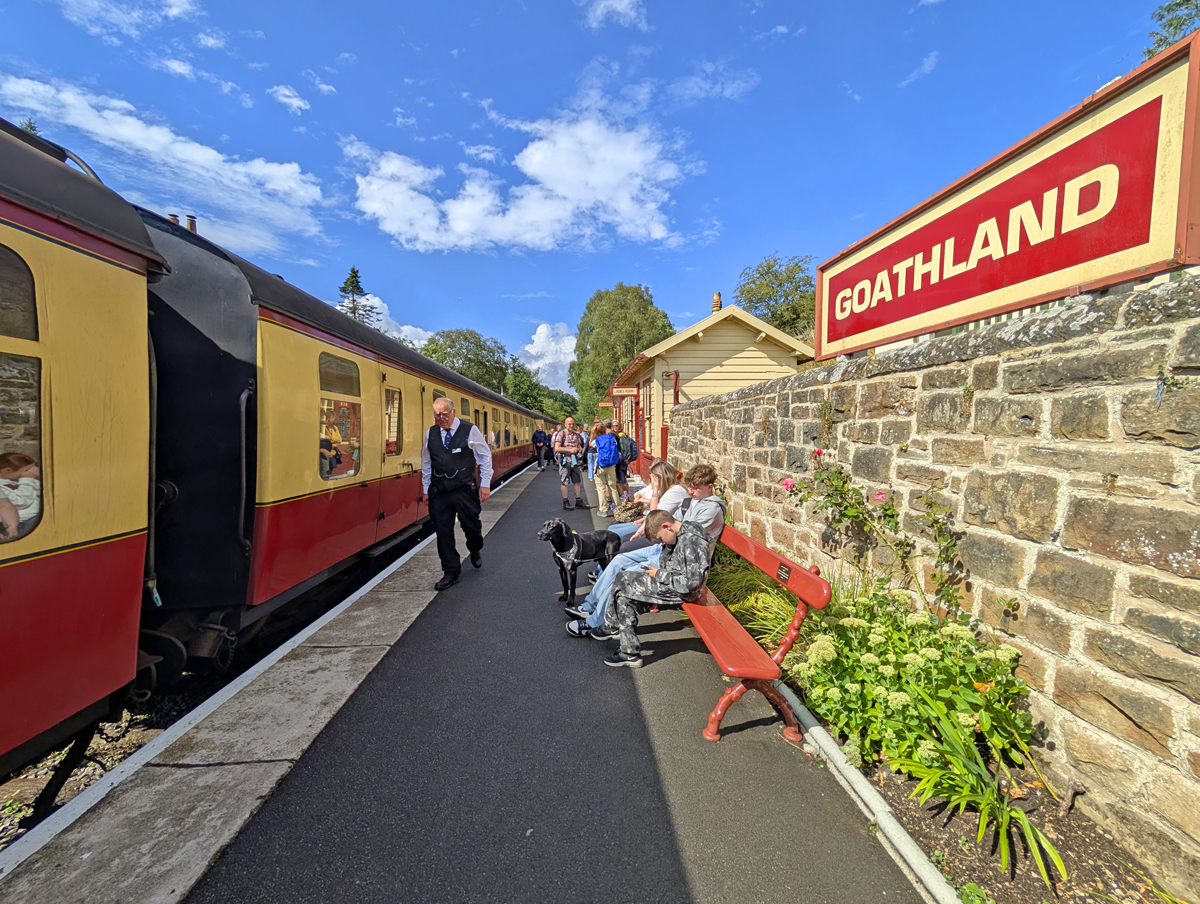
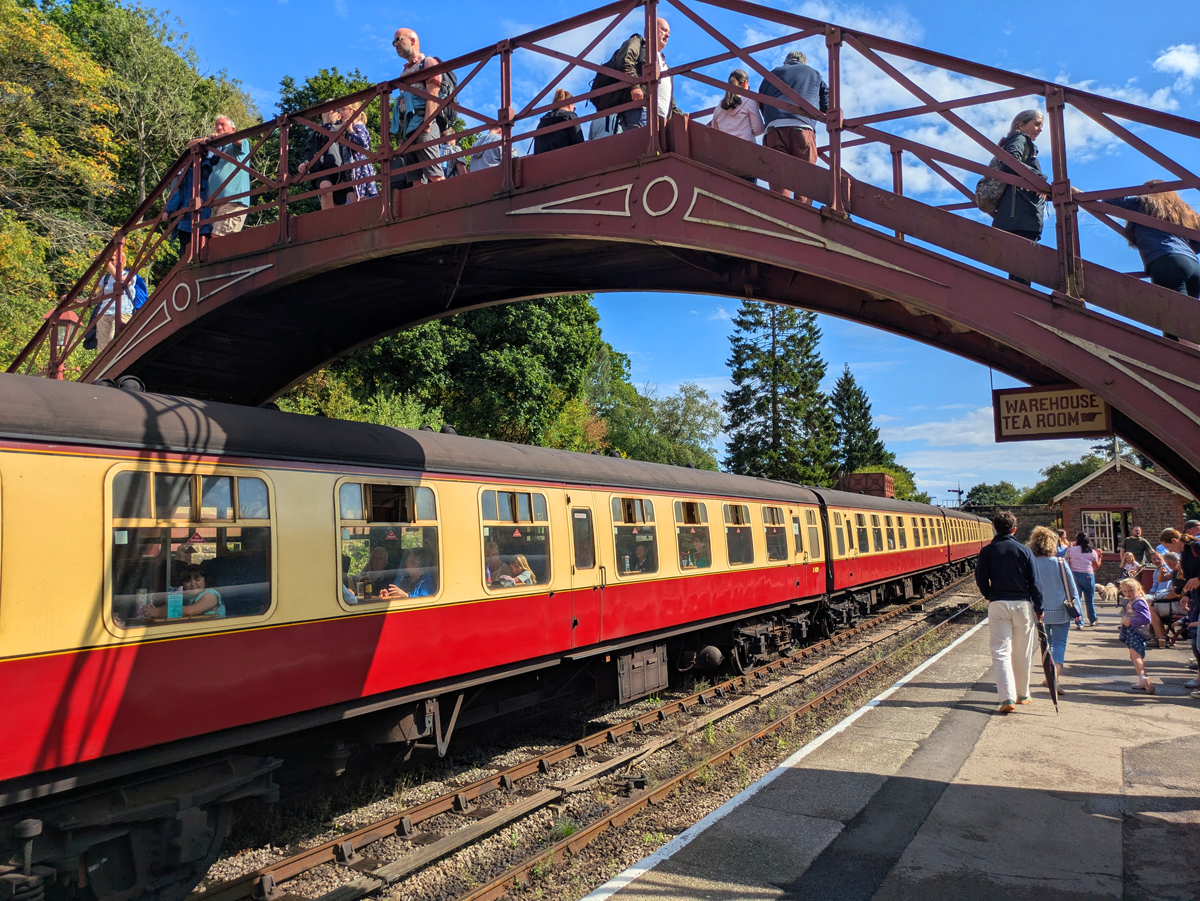
- One of the most popular stops is the one where we would get off: Goathland station. It was the filming location of Hogsmead station in the Harry Potter movies and appears much like it is portrayed in the series.
I mentioned the perks of taking the tour; Mark had prearranged everything for us. We didn’t have to get in line with the general public, we had seats on the train specifically reserved for us and, as stated above, we had a discounted fare. After seeing us off, Mark would go back to the van and drive to the Goathland station where he would meet us when the train arrived.
It was all very well planned and coordinated.
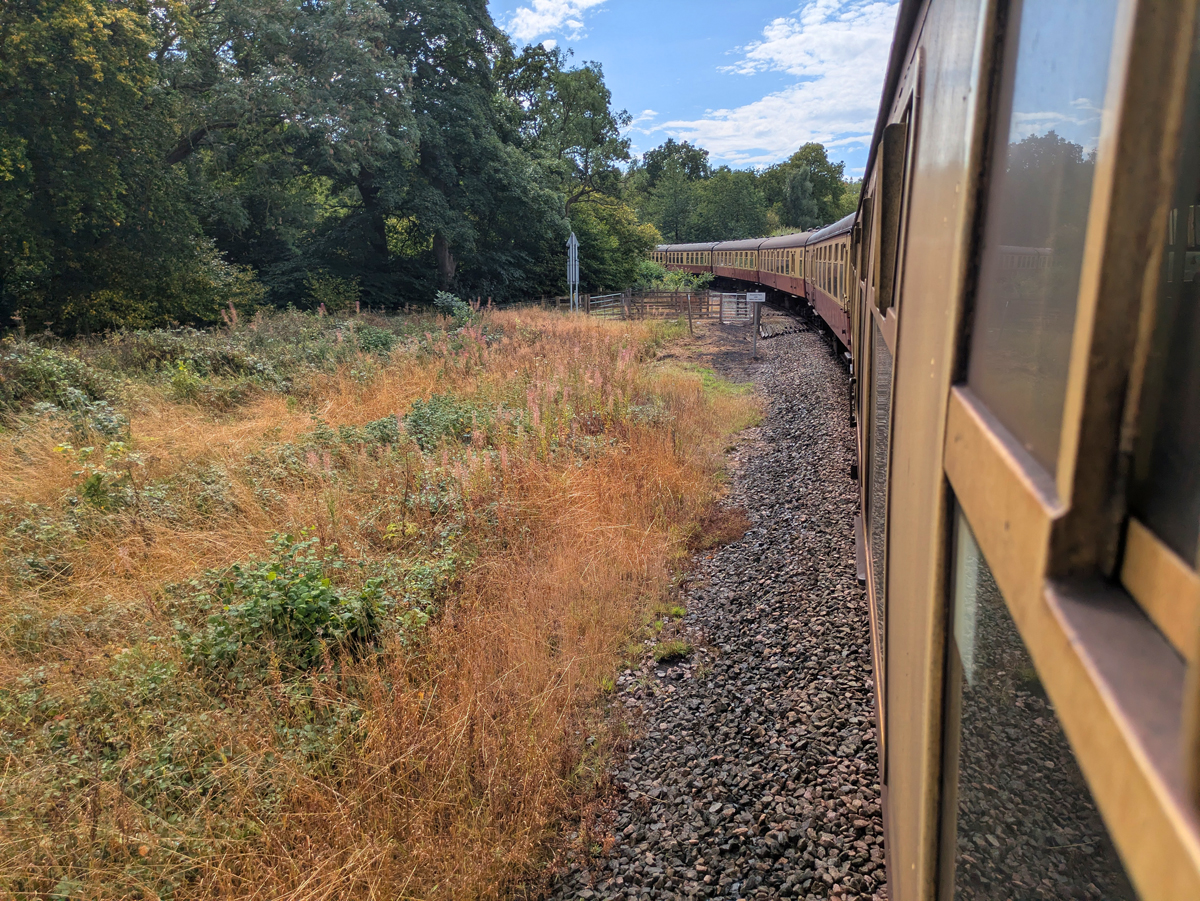
A few more facts about the railway:
- It was first opened in 1836 as a way to move supplies from the port of Whitby up to Pickering
- In the mid-1900’s the line was deemed uneconomical and freight stopped being transported along the line in 1966.
- In 1973 the line was sold and the North Yorkshire Moors Railway was opened. Since then it has gotten more and more popular with tourists.
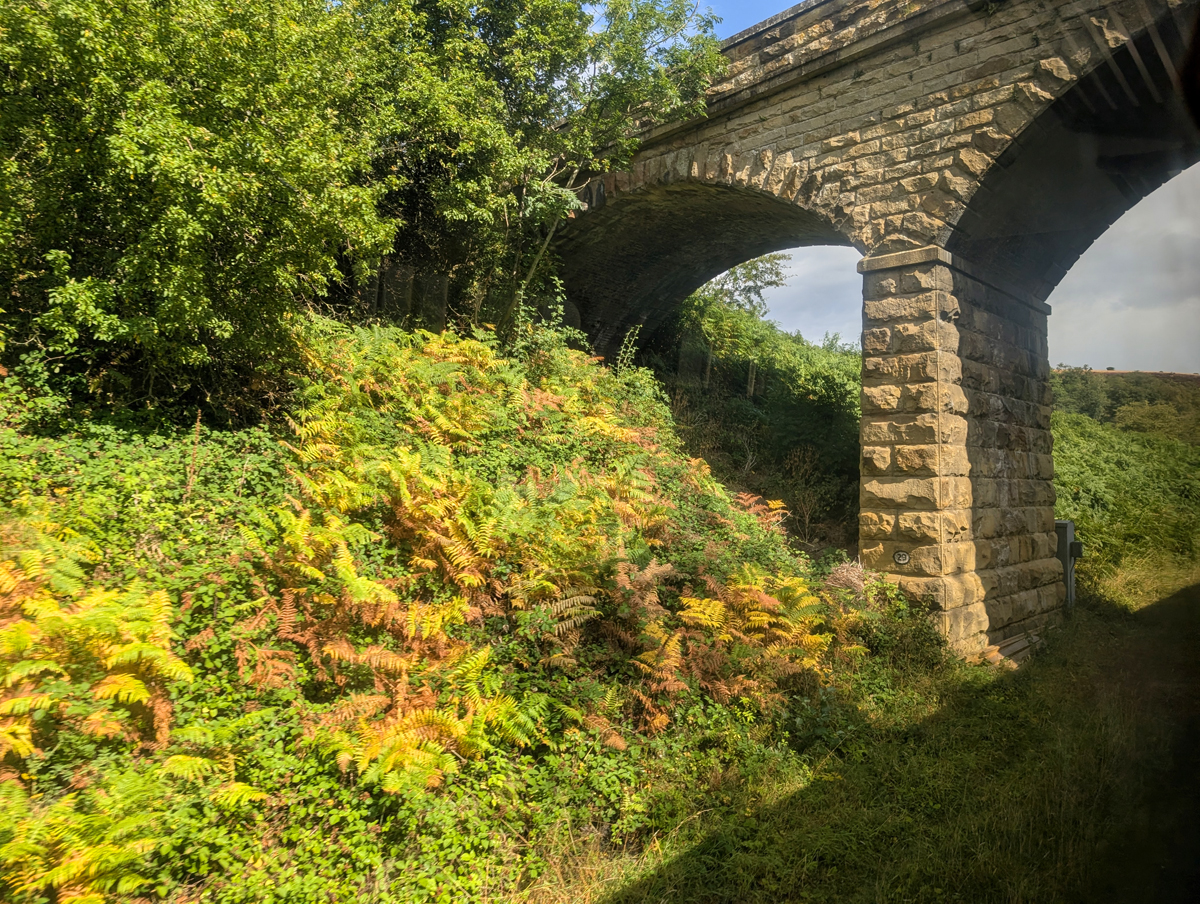
Our trip from Whitby to Goathland station took 50 minutes, the scenery pretty and the experience on the train pleasant. At Goathland we got off the train, Mark on the platform making sure that all of us got off.
Summarizing the rest of the tour
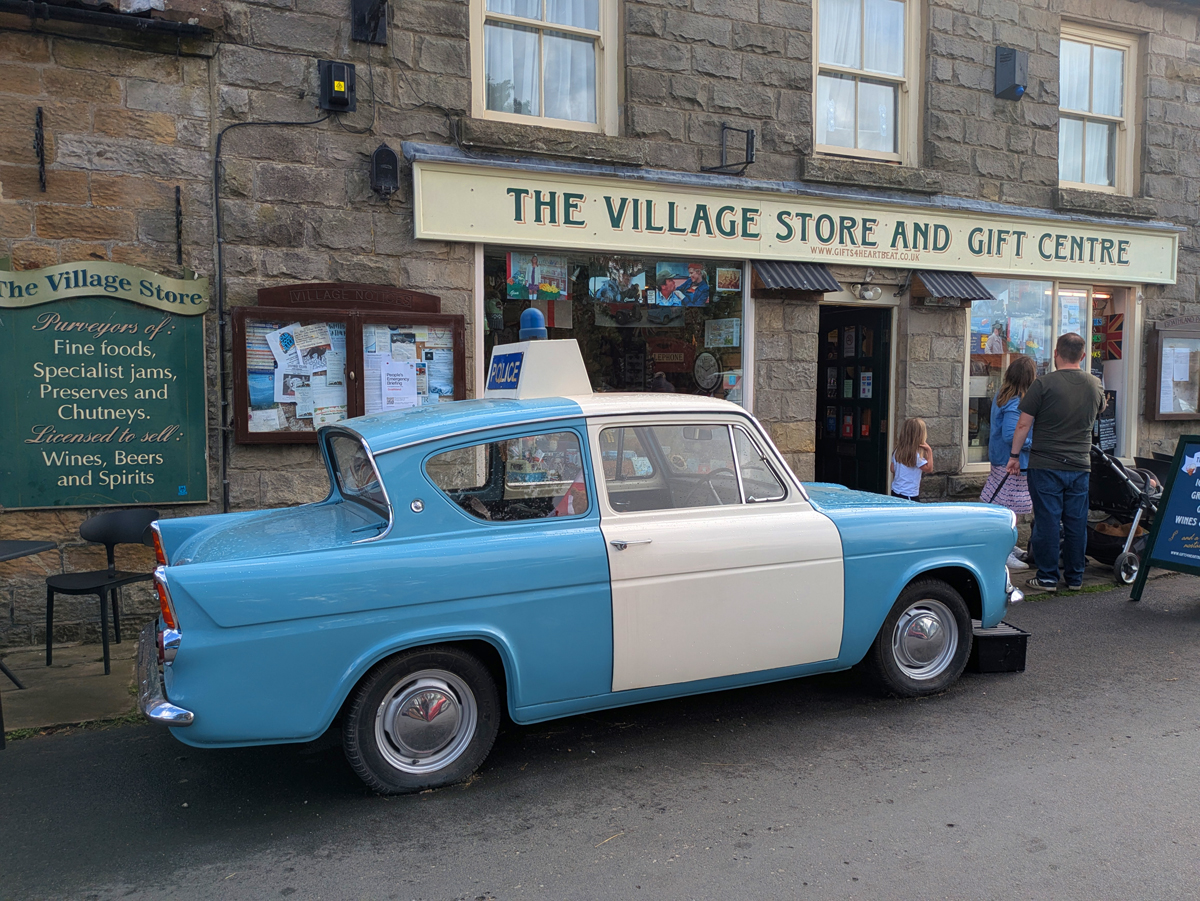
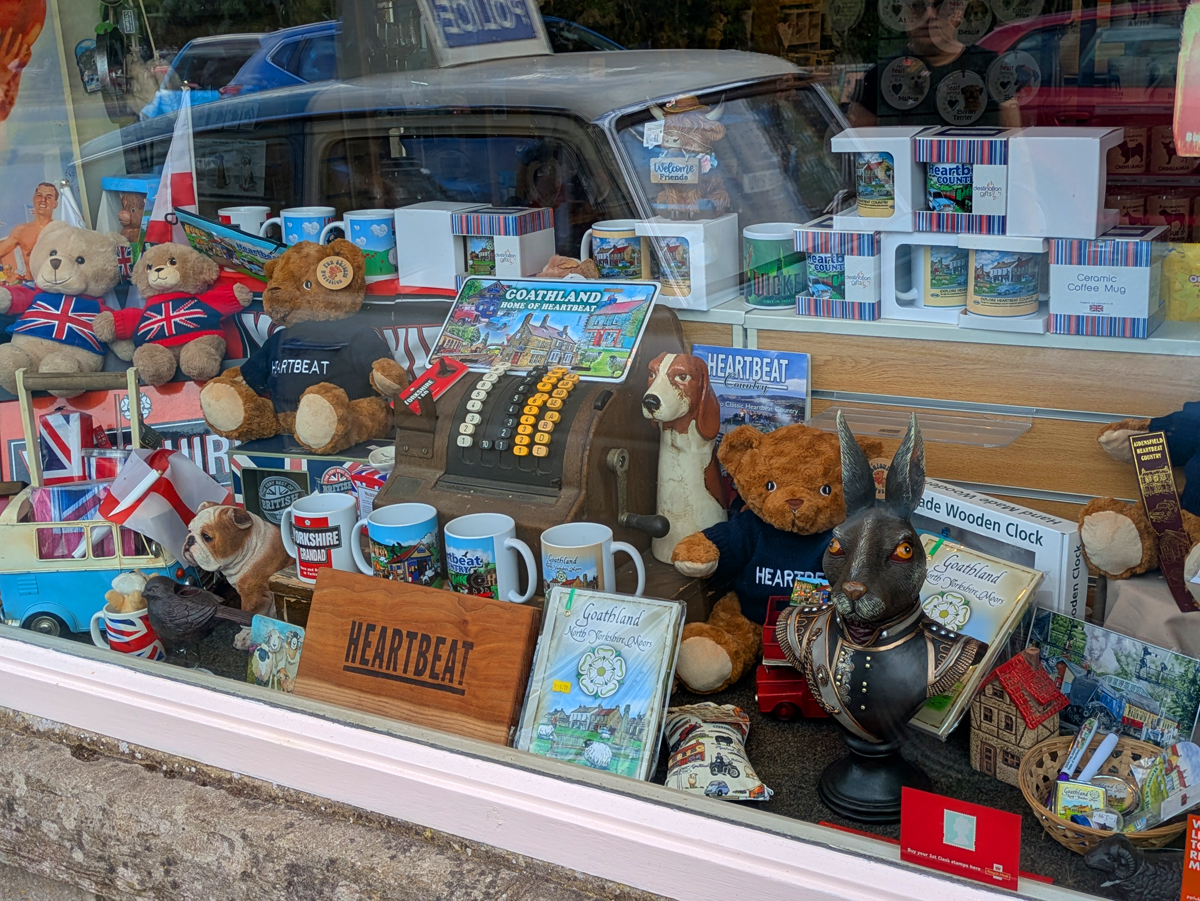
Goathland is a popular spot, famous as a filming location for Harry Potter as well as the series “Heartbeat” which ran for 18 years on British TV. You’ll see a bunch of souvenir stores here selling almost exclusively Hearbeat memorabilia.
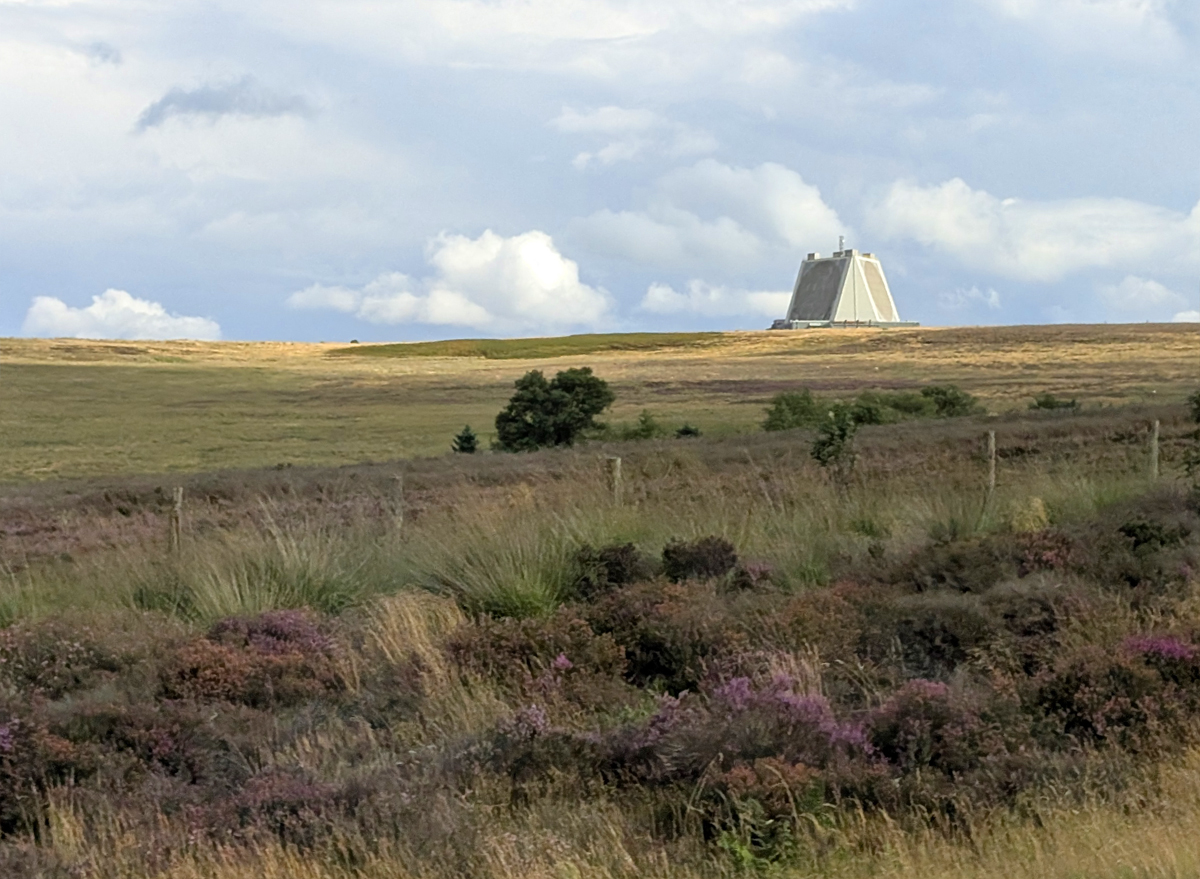
After a brief stop in Goathland we drove back towards York, passing through the North York Moors National Park. One of the interesting things along the way (and in the park itself) is the RAF Fyingdales ballistic missile early warning system. It is one of three stations worldwide in the United States Ballistic Missile Early Warning System (BMEWS) network (the other two are in Greenland and Alaska). The radars here can detect projectiles heading towards the UK from as far as 3,500 miles (5,600 Km) away.
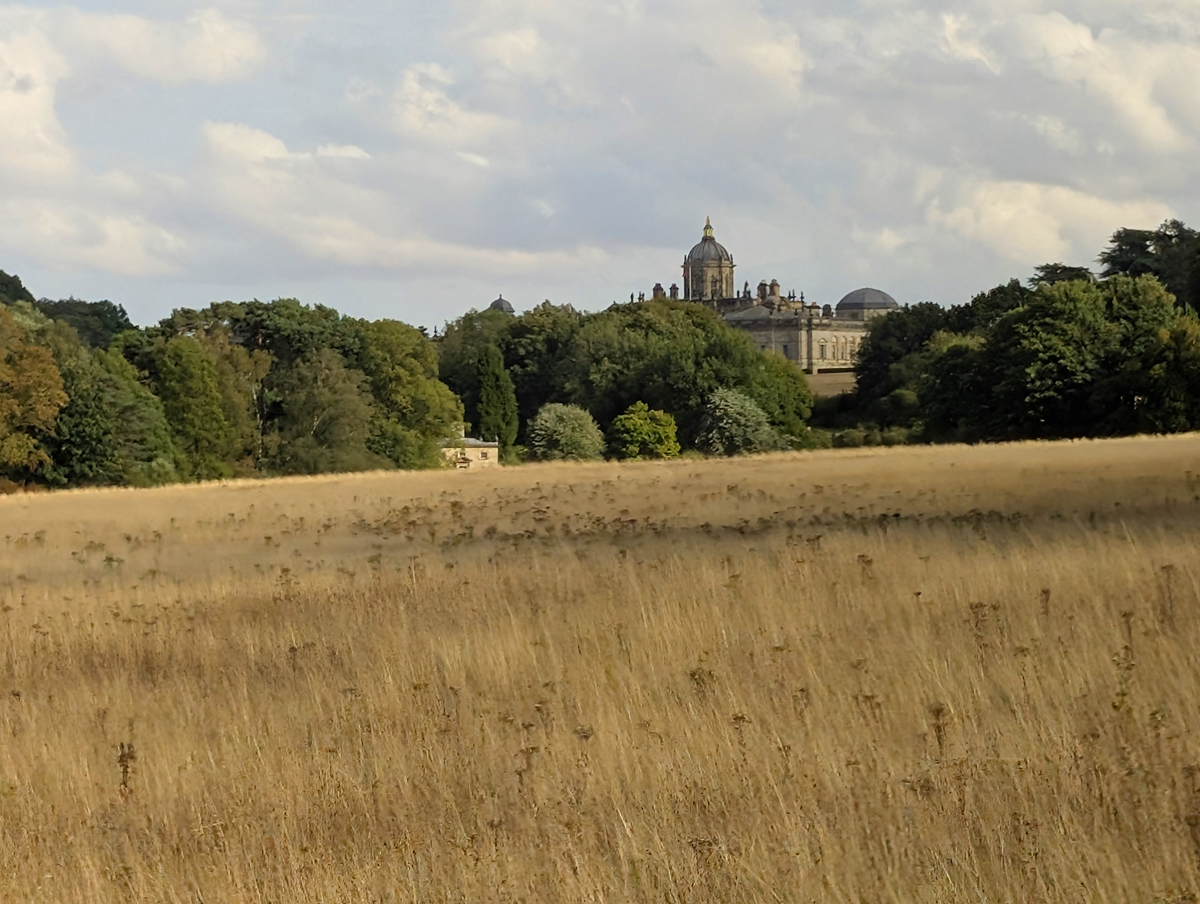
The last highlight was outside the boundaries of the park as we neared York. It is Castle Howard, a large mansion built in the late 1500’s for the wealthy Howard family. We didn’t stop for a visit but for those curious, Castle Howard can be visited and is a popular day trip from York. How to get there on your own: Bus X81 from York goes several times a day, taking 1 hour to get there.
About 20 minutes later we were back in York.
As I wrote at the top, this was one of our most enjoyable days in the York region. We had wanted to visit Whitby and it was everything we had hoped for. As far as the North York Moors National Park, it surpassed all expectations. Some gorgeous geography and taking the train ride was an added bonus.
Many thanks to Mark – a great tour guide – and Best of Britain.
Related: Why Knaresborough is a great day trip from York
Leave a Reply