Costa Brava: the most spectacular coast in Spain.
The last time I came to the Costa Brava was 40 years ago. I was 19 years old and came here with my childhood friend Laurent. We spent 2 weeks in the area doing hiking, camping and going to the beach. The beauty of the area had always stayed with me so the region (and Tosssa de Mar specifically) were at the top of the list when Lissette and I planned our travels through Northeastern Spain.
In some ways I planned it wrong. Unlike other coasts in Spain (like the Costa del Sol, Costa Blanca and even the Costa del Luz), the Costa Brava is very quiet in the off season. Coming in late March, most restaurants and stores were closed and public transport options limited. There was also a chill in the air.
*Note: things start to pick up after Easter, ie early April. As I mentioned, we were here in late March and even during our week we noticed an uptick in traffic, activity and the number of opened stores. But I’d recommend that you plan your visit after Easter.
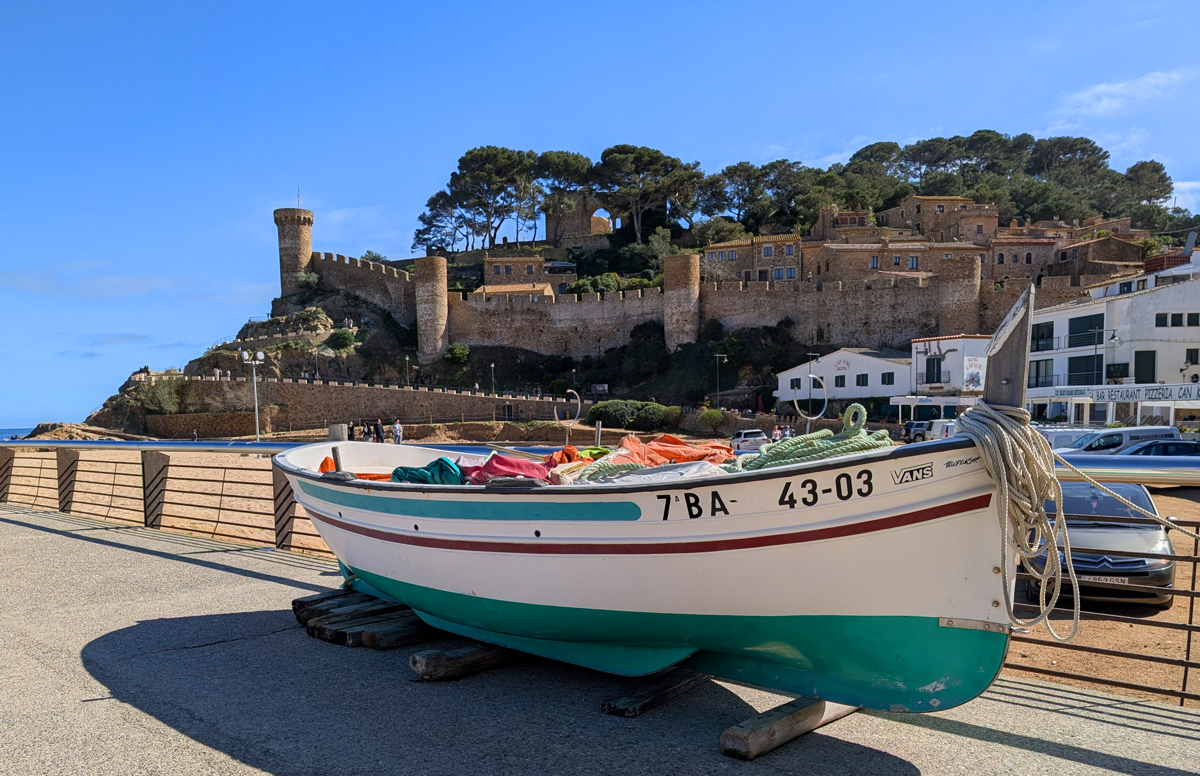
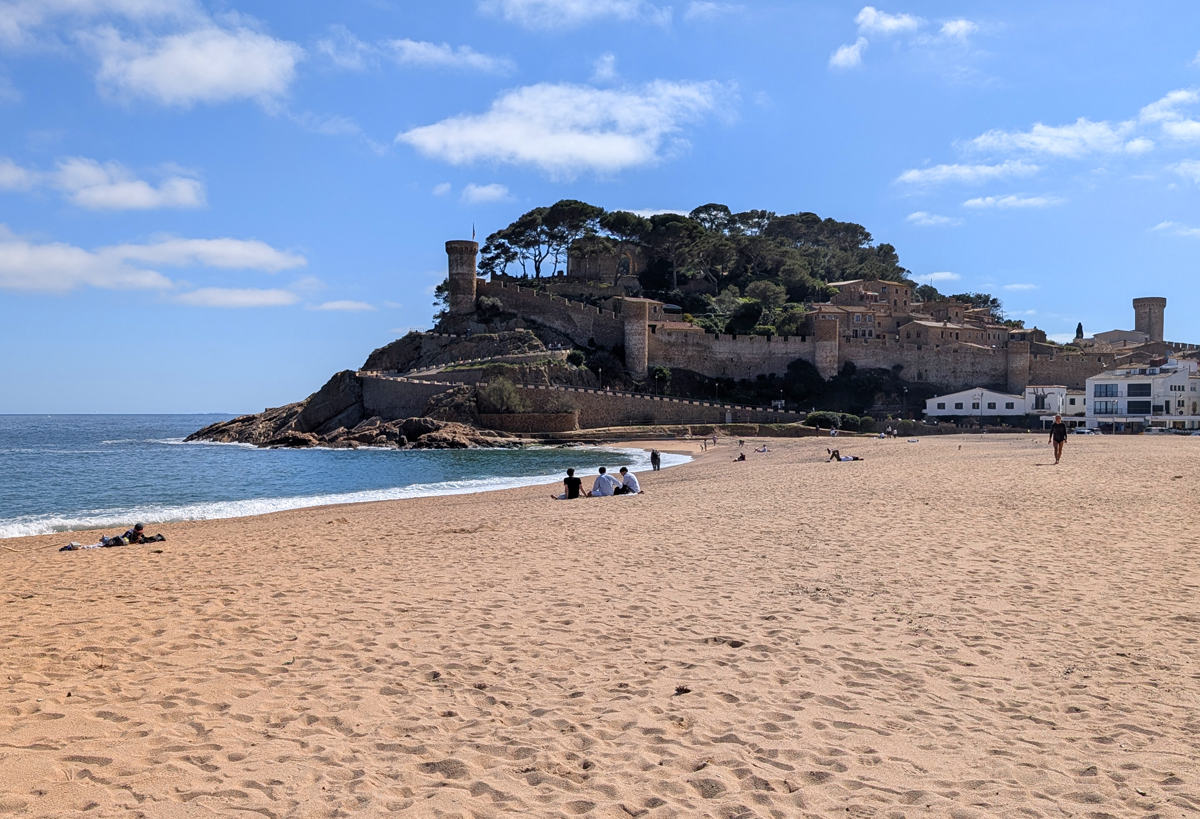
The flip side of the above was that there were fewer tourists, which meant the coastal hiking trails (I’ll get into that further below) were largely devoid of fellow hikers. And we had highlights, such as the Castle of Tossa de Mar (in fact more than a castle, it was a fortified medieval town) almost all to ourselves.
In this post I cover what makes the Costa Brava spectacular, tell you some regrets (poor planning) and give you some practical information on visiting the region.
What makes the Costa Brava spectacular?
1. A Rugged and Beautiful Coastline
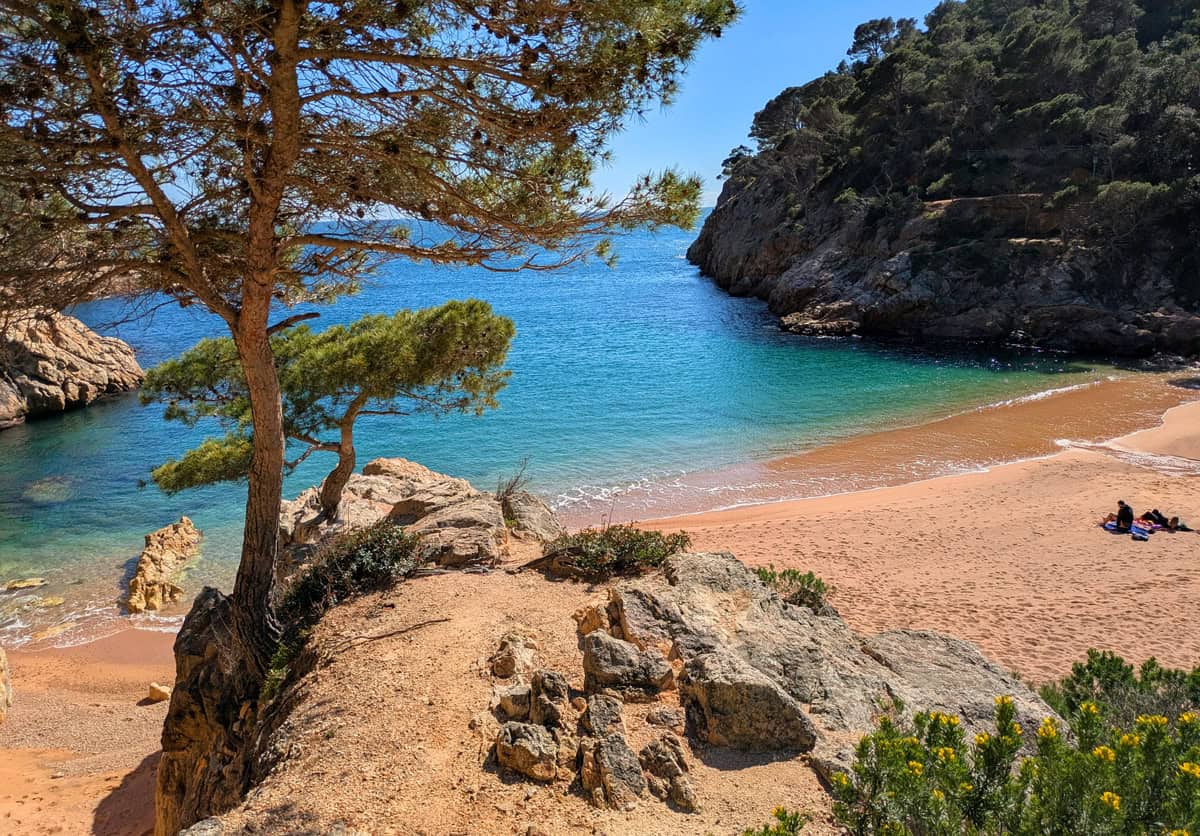
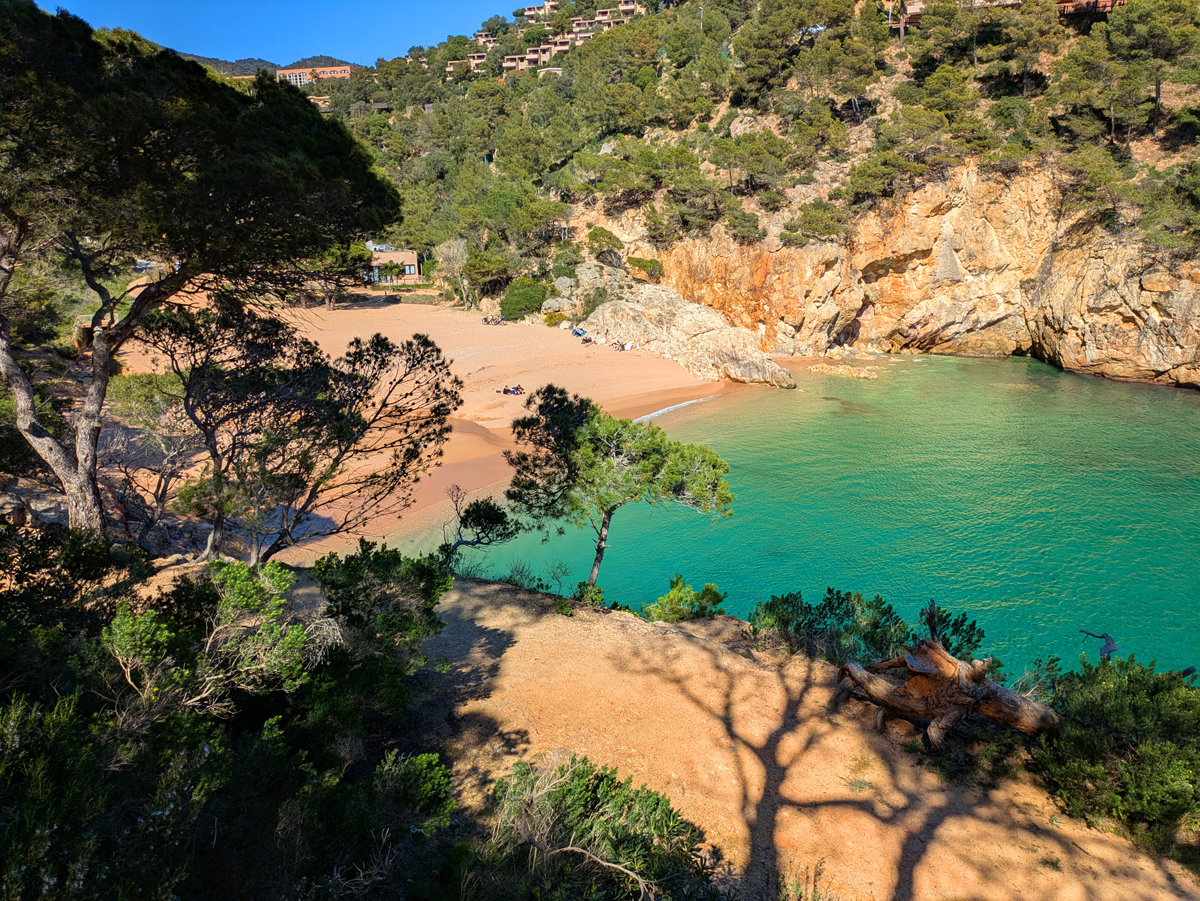
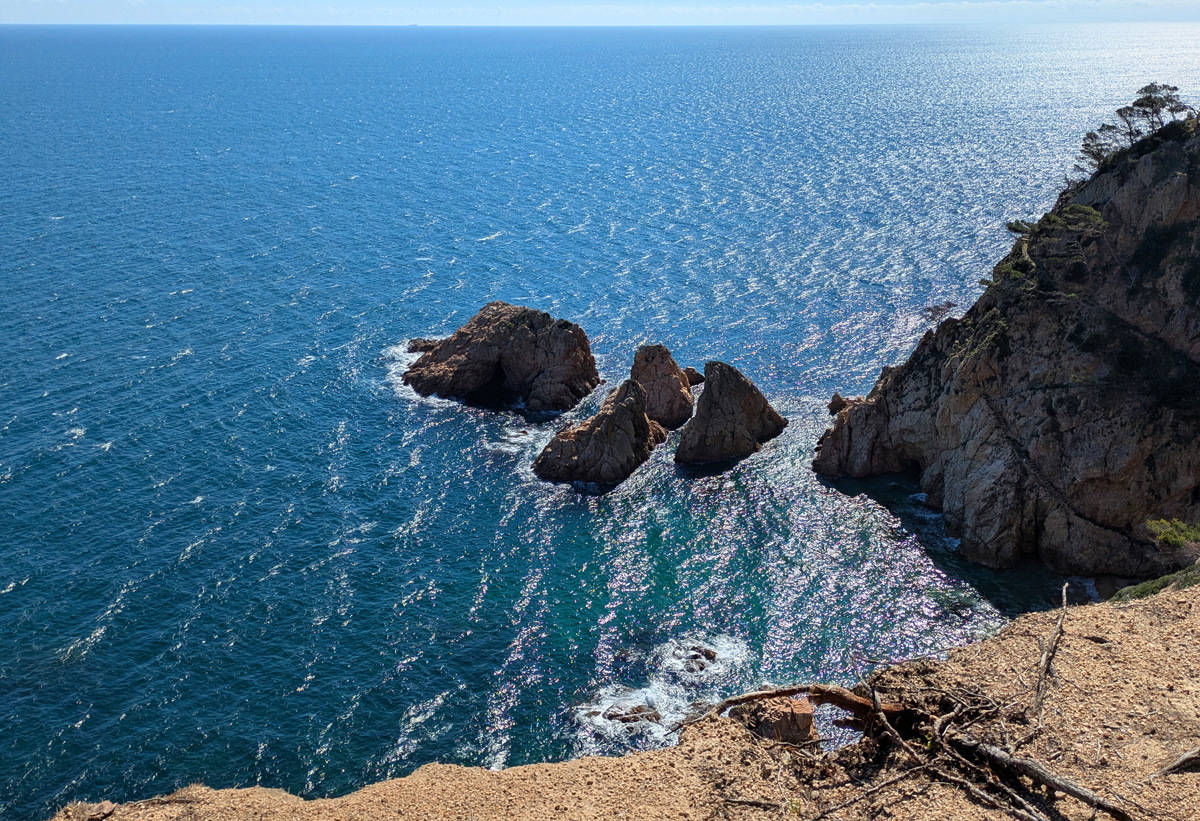
“Costa Brava” in Catalan means “Wild Coast”. Stretching from the French/Spanish border to the town of Blanes (just south of Lloret de Mar), it is an incredibly rugged coastline full of cliffs, pine forests and small bays with turquoise-coloured water. Nothing is flat here: the bus ride from Tossa de Mar to Lloret de Mar for example is 12 km if you were to chart in on a map…but it takes 30 minutes of ups and downs over serpentine mountain roads to get between the towns.
I shot this video to show you just how beautiful this coastline is:
2. Great hiking
You can hike the whole length of the Costa Brava (about 230km) on the Cami de Ronda from the French border all the way to Blanes. Some parts of the trail are more famous than others: the area around Sant Feliu de Guíxols, Begur, Calella de Palafrugell and Cadaqués are supposedly highlights of the Cami de Ronda.
But even in Tossa de Mar (where we based ourselves) we had incredibly hiking. I hiked to Cala Giverola (about 6 km) and saw some incredible scenery.
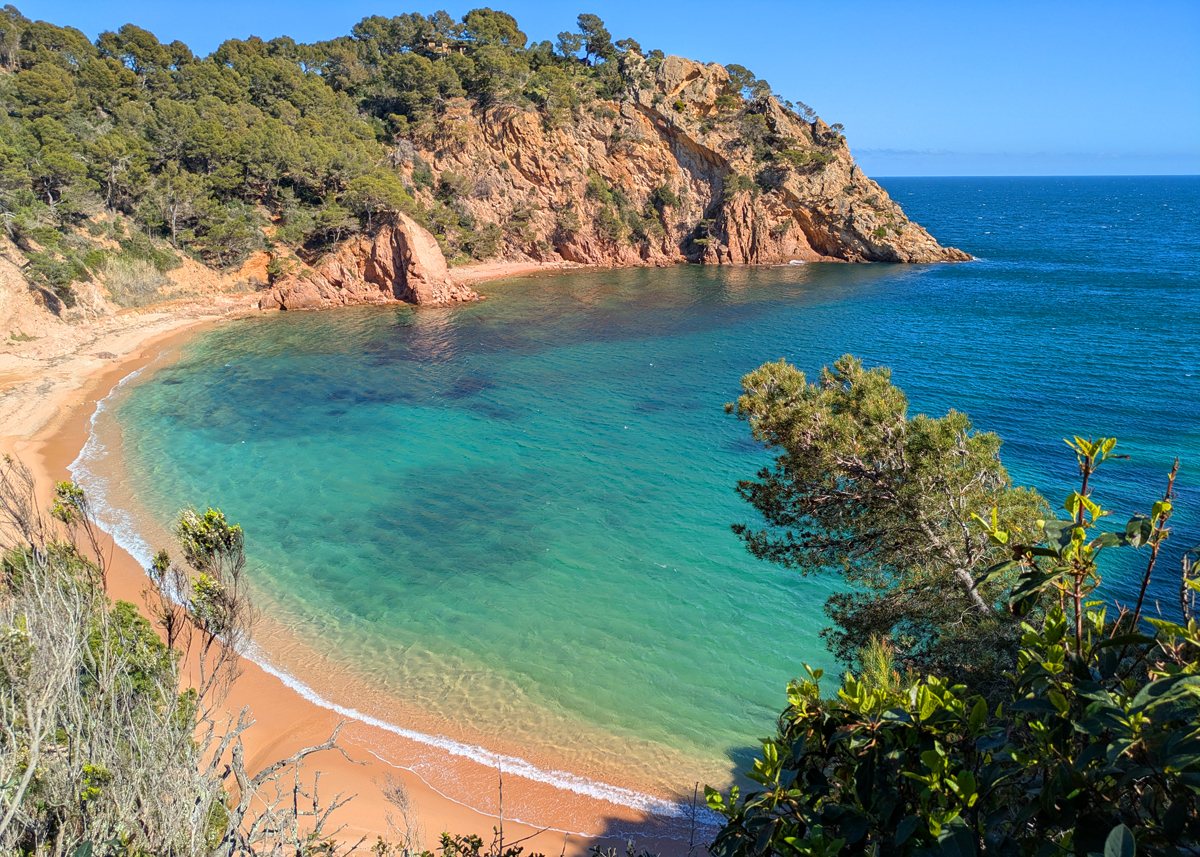
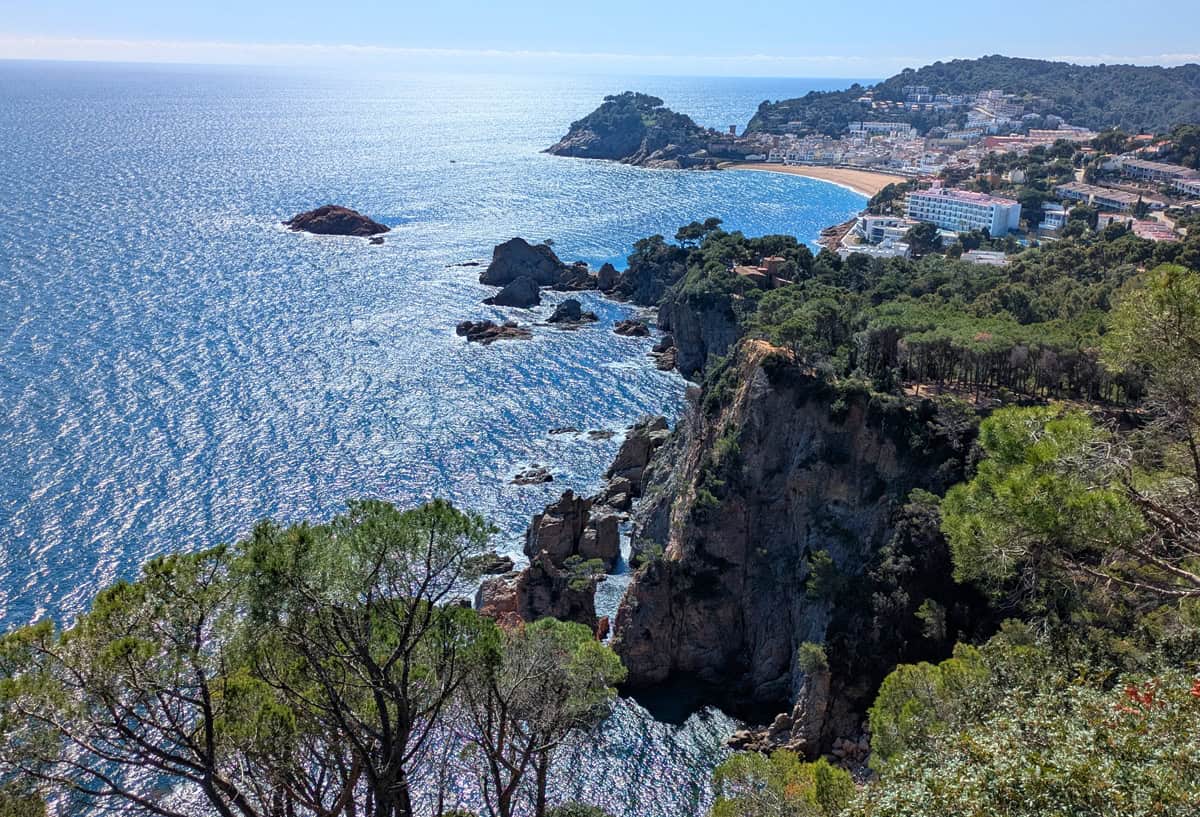
In Lloret de Mar, we walked from Fenals part of the Cami de Ronda, following a path up cliffs and through tunnels leading to coastal lookouts and small coves. The geography is phenomenal and the trails that have been created make it so that almost anyone in reasonable fitness can experience it. Even Lissette – a nervous hiker at best – loved it.
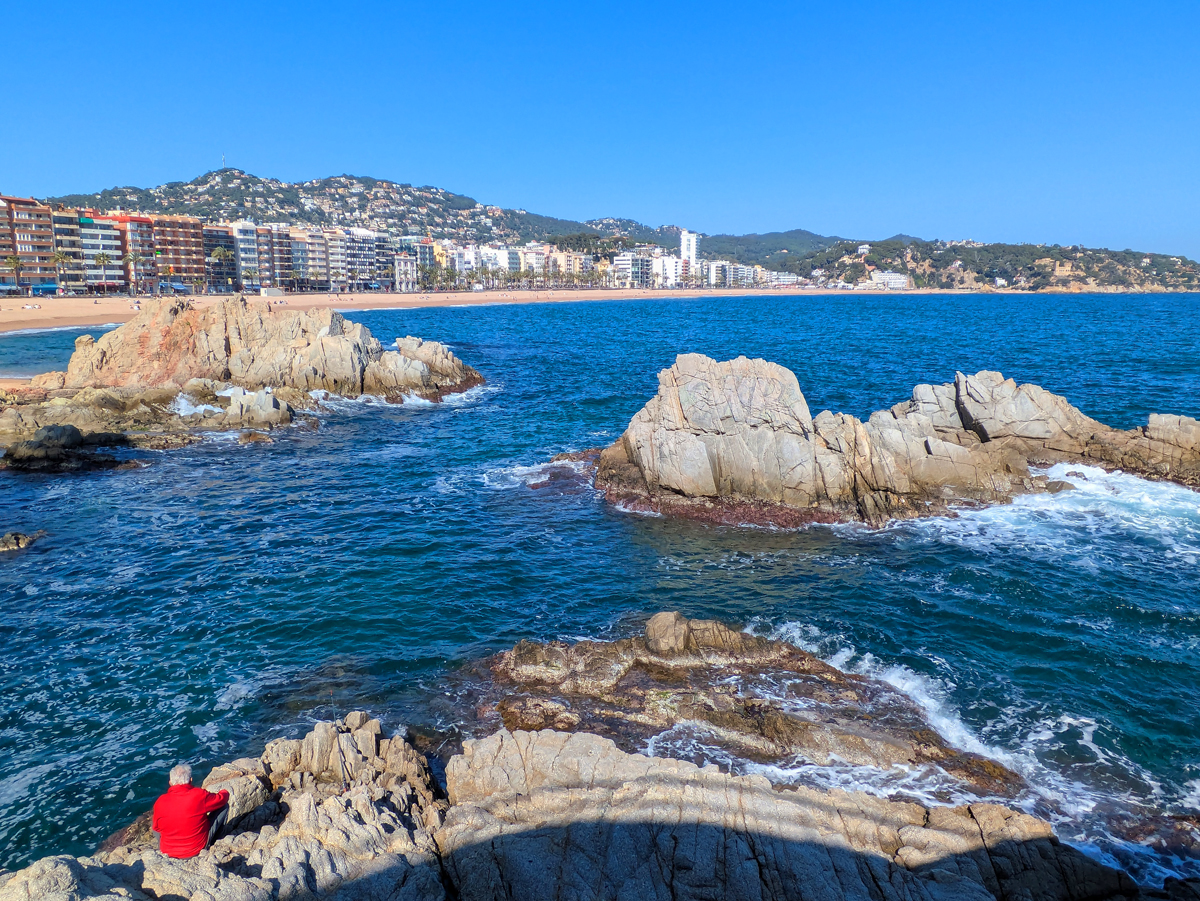
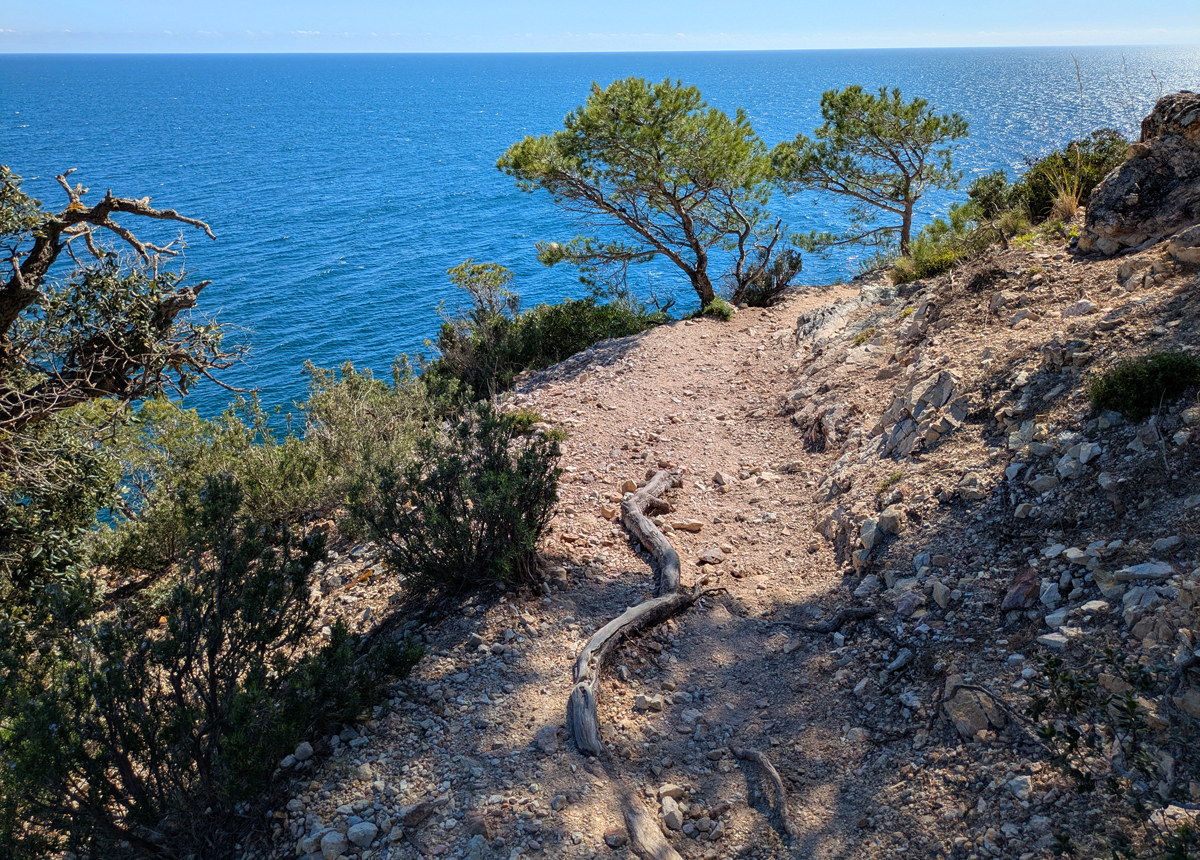
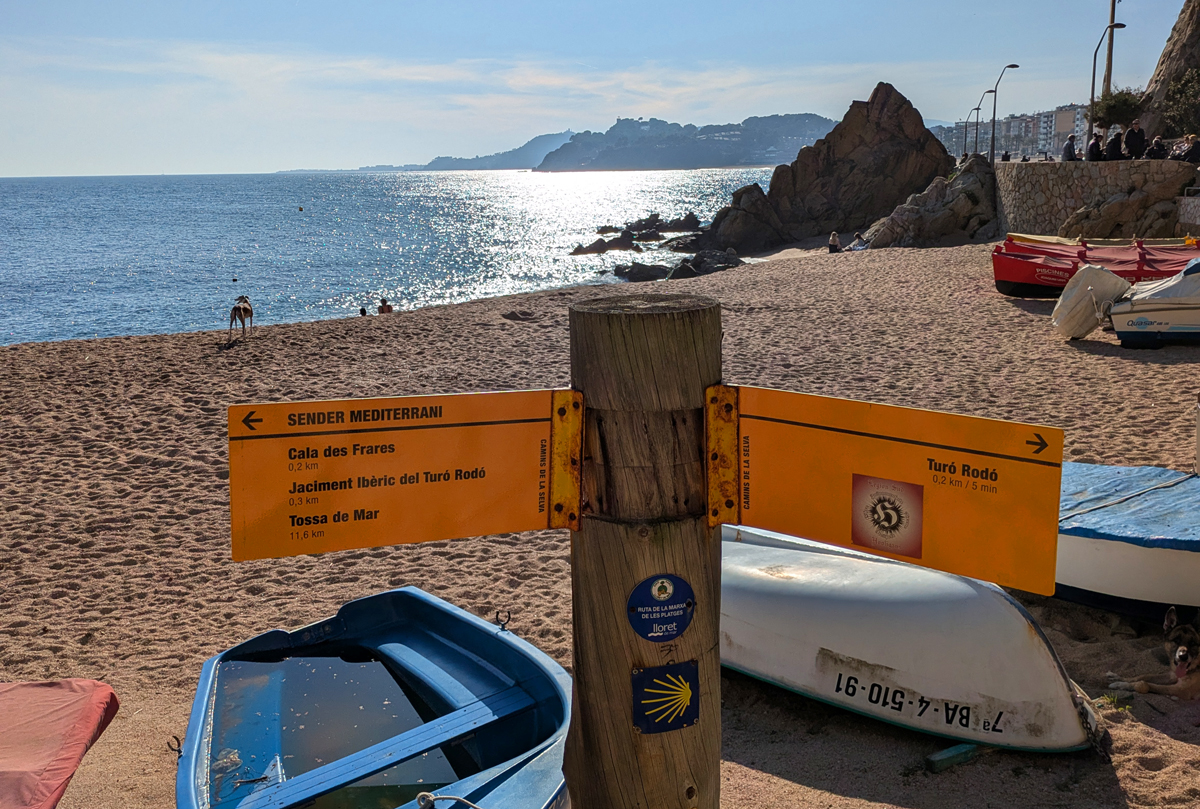
If you’re ambitious you can even hike from Lloret de Mar to Tossa de Mar, about 12 km.
The whole coastline is a paradise for anyone who enjoys hiking. And the thing is that you can chose different places (like Tossa, Calella de Palafrugell and Cadaqués) and use them as bases to explore different parts of the Cami de Ronda.
3. Beaches
Finally, there are beaches. We didn’t go to the beach on this visit, it was still a bit too cold. But even then the beaches are inviting with their golden sands and clear/turquoise waters. Towns like Tossa and Lloret have large bays and wide beaches but you’ll also find lots of hidden coves, especially if going hiking.
Regrets
We booked Tossa de Mar as a base for a week. It’s on the southern end of the Costa Brava, the most accessible part of the Costa Brava. Even in the off season, there are regular buses to Lloret (which is the bigger town) and to Barcelona. I knew even if quiet in late March that it wouldn’t be completely dead or completely inaccessible.
The initial plan was to continue further, using Calella de Palafrugell and Cadaqués as bases for a few more days. But I hadn’t realized just how inaccessible to public transport these two towns were until we arrived in Tossa and started talking to a few locals.
So I changed plans, we decided we’d spend 10 days visiting Tarragona and Sitges a bit further south.
But we’ve already decided we’d like to go back and explore more of the region. A few locals recommended September to us, still a great time weather-wise but with fewer tourists and with public transport still in high-season mode.
Practical Information
- Getting around. Moventis is the main bus company here. Surprisingly, the better connections to the Costa Brava are often from Barcelona and not from Girona. It’s a region where you’re better off renting a car.
- Private transport. A good contact if coming to Tossa de Mar (I love Tossa): Natalia at +34 695 783 902. She picked us up at the train station in Girona and drove us to Tossa. Cost 75 Euros (note: a taxi will usually cost between 75 – 90 Euros from Girona to Tossa)
- Where to stay. We had booked this apartment on Airbnb. It averaged 107 euros/night which is a bit expensive, especially considering it was off season. But we found out that the apartment is managed by Let’s Holidays, a company that manages about 120 apartments in Tossa. When we contacted Ana about extending our stay, she charged us 75 Euros/night for 4 additional nights. Always best when you can book outside of Airbnb, you can save a lot of money.
- All about the Cami de Ronda and different trails and circuits.
- Sightseeing Tours. If you are short on time, this full-day tour from Barcelona covers 1) Montserrat, 2) Girona, 3) Tossa de Mar. A great way to see the highlights of the region. This 2nd tour excludes Montserrat, instead covering much more of the Costa Brava.
- Adventure tours. The Costa Brava attracts a lot of sports and adrenaline enthusiasts. A few tours: doing the Via Ferrata outside Sant Feliu de Guixols, the highest bungee jump in Spain outside Lloret de Mar, a Kayak tour outside Roses.
Related: The Best Places to Visit on Spain’s Costa del Sol
Related: What to do (and what to skip) in Alicante Province
Leave a Reply