
What First-Time Visitors Get Wrong About Traveling Around Egypt.
Egypt looks straightforward on a travel map. Cairo has the pyramids, Luxor has the temples, Aswan sits farther south, and the Nile connects some of the country’s most famous attractions. It seems simple enough to put everything into one itinerary.
The reality is more complicated.
Many first-time visitors discover that traveling around Egypt involves decisions they had not anticipated. A short flight can consume much of a day, a hotel in the wrong neighborhood can complicate sightseeing, and a Nile cruise may involve less actual sailing than expected.
Most Egypt travel mistakes are not about choosing the wrong attractions. They come from misunderstanding how the country works as a travel destination.
Here are the common assumptions that can cause problems, and how to plan a first trip that feels less rushed and more rewarding.
1. Trying to Fit Too Much Into an Egypt Itinerary
One of the biggest mistakes first-time visitors make is assuming that more destinations automatically mean a better trip.
Cairo, Luxor, Aswan, Abu Simbel, and the Red Sea all sound essential. When planning from home, it is tempting to squeeze every location into seven or eight days.
But there is a difference between having eight days in Egypt and having eight days available for sightseeing.
International arrivals, airport transfers, hotel check-ins, domestic transportation, and early departures all take time.
Consider a traveler who arrives in Cairo on Monday, explores the pyramids on Tuesday, flies to Luxor on Wednesday, and continues to Aswan the following morning.
That traveler has visited several famous locations but has barely experienced any of them beyond the main attractions.
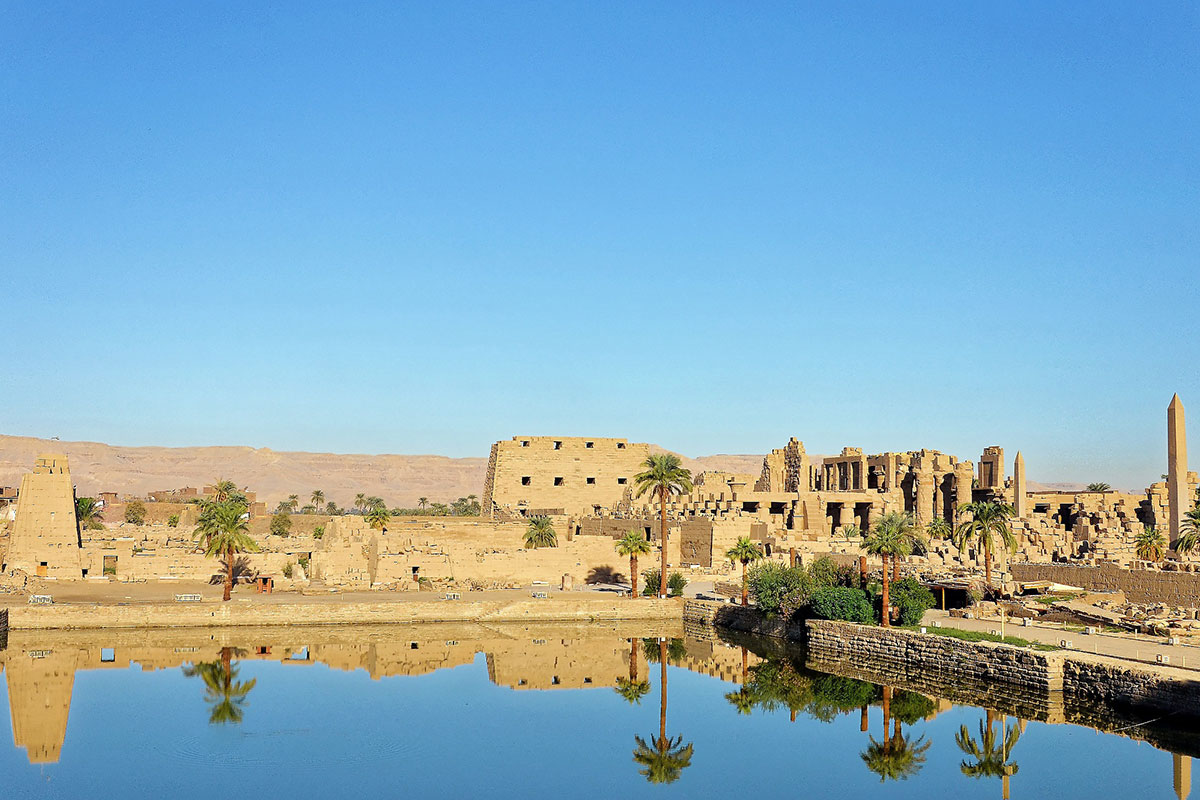
Luxor alone deserves careful consideration. Karnak Temple and Luxor Temple are on the East Bank, while the Valley of the Kings, Hatshepsut Temple, and other major archaeological sites lie across the Nile on the West Bank.
Trying to see everything in one day can turn a fascinating destination into a race against the clock.
A more realistic first-trip approach is to:
- 5–6 days: Concentrate on Cairo and Luxor rather than attempting the entire country.
- 7–9 days: Consider Cairo, Luxor, and Aswan, with transportation and sightseeing carefully coordinated.
- 10–14 days: Allow more time for the Nile Valley, a Red Sea stay, or additional cultural experiences.
These are planning guidelines, not fixed requirements. Your ideal route depends on flight schedules, travel interests, and preferred pace.
The smartest approach is to choose fewer destinations and experience them properly.

2. Underestimating How Long It Takes to Get Around Egypt
Egypt is a large country, and the distance between its major tourist destinations can be misleading.
A flight from Cairo to Luxor is relatively short, but flying is not just about the time spent in the air.
You must account for reaching the airport, checking in, going through security, collecting luggage, and transferring to your next hotel.
A journey that appears to take about an hour on a flight search may occupy several hours of your day.
The same misunderstanding happens with road transfers.
Cairo traffic can be unpredictable, particularly during busy commuting periods. Staying near the Giza Pyramids might be convenient for an early pyramid visit but less convenient for exploring central Cairo, Islamic Cairo, and other neighborhoods.
Neither location is automatically better. The right choice depends on what you plan to visit.
Before booking accommodation, check where your attractions are located and how you will reach them.
Flying vs. Taking the Train Between Cairo and Luxor
Another common mistake is assuming that flying is always the best option—or that trains are automatically cheaper and more practical.
Both have advantages.
Domestic flights are particularly useful for travelers with limited time. They reduce long-distance travel, although airport procedures and transfers add to the overall journey.
Trains offer a different experience. Rail services connect Cairo with Luxor and Aswan, allowing travelers to see parts of the Nile Valley along the way.
Overnight sleeper trains can also combine transportation with accommodation, although comfort and sleeping arrangements differ from those of a hotel.
Train booking deserves additional attention. Online booking channels and eligibility for international passengers may vary, so travelers should verify current procedures instead of assuming every service can be reserved in advance through the same website.
There is no universally correct transportation choice.
A traveler with five days may benefit from flying, while someone spending two weeks in Egypt might appreciate a slower journey by rail.
The mistake is choosing transportation based only on ticket price without considering convenience, comfort, and the time available.

3. Choosing Between Egypt Tours and Independent Travel for the Wrong Reasons
Some travelers assume that visiting Egypt independently is always more authentic.
Others believe that booking an organized tour is the only practical way to explore the country.
Neither assumption is entirely accurate.
Independent travel gives visitors control over their schedules. You can spend longer at a particular attraction, change your plans, and explore local neighborhoods without following a group itinerary.
However, arranging transportation, finding suitable guides, managing entrance tickets, and coordinating multiple destinations can require significant preparation.
Organized travel can simplify those arrangements, especially when combining Cairo, Luxor, and Aswan.
For travelers who prefer having transportation, accommodation, and sightseeing arranged in advance, Egypt Tours offers organized itineraries that make exploring destinations such as Cairo, Luxor, and Aswan easier to manage.
The important question is not which option sounds more adventurous. It is how much time you want to spend organizing the journey.
Guided sightseeing can also add value at archaeological sites.
Walking through Karnak Temple is impressive on its own, but understanding why its monumental columns were built, how the complex developed, and what the surviving inscriptions reveal can make the experience more meaningful.
There is also a middle ground.
You might explore Cairo independently, arrange an Egyptologist guide for the major archaeological sites, and use organized transfers between cities.
Before booking any tour, check the details carefully:
- Are entrance fees included?
- Will excursions be private or shared?
- Are domestic flights part of the price?
- Does the itinerary include airport transfers?
- Which meals and activities are optional?
A well-organized independent trip and a thoughtfully designed guided tour can both work beautifully.
The real mistake is choosing either without understanding what is involved.
4. Thinking Nile River Cruises Are Just Floating Hotels
A Nile cruise is often imagined as several uninterrupted days of sailing past palm trees, traditional villages, and ancient temples.
Those moments are part of the experience, but they do not tell the whole story.
Most classic Nile cruises operate between Luxor and Aswan, with common itineraries lasting three or four nights. Longer programs and different vessel types are also available.
The journey typically combines time onboard with guided visits to archaeological attractions.
Depending on the route, excursions may include Karnak Temple, the Valley of the Kings, Edfu Temple, Kom Ombo Temple, and Philae Temple.
That means passengers often spend part of the day sightseeing rather than sailing.
Some departures involve early starts, scheduled excursions, and periods when the vessel remains docked.
This is not necessarily a disadvantage. For many travelers, the balance between ancient history and river scenery is precisely what makes the cruise appealing.
However, expectations matter.
When choosing a Nile River cruise, pay attention to the sailing schedule, included excursions, and time spent onboard to find an experience that matches your expectations.
It is also worth understanding the differences between cruise styles.
Larger cruise ships generally offer more onboard facilities, structured schedules, and organized group excursions.
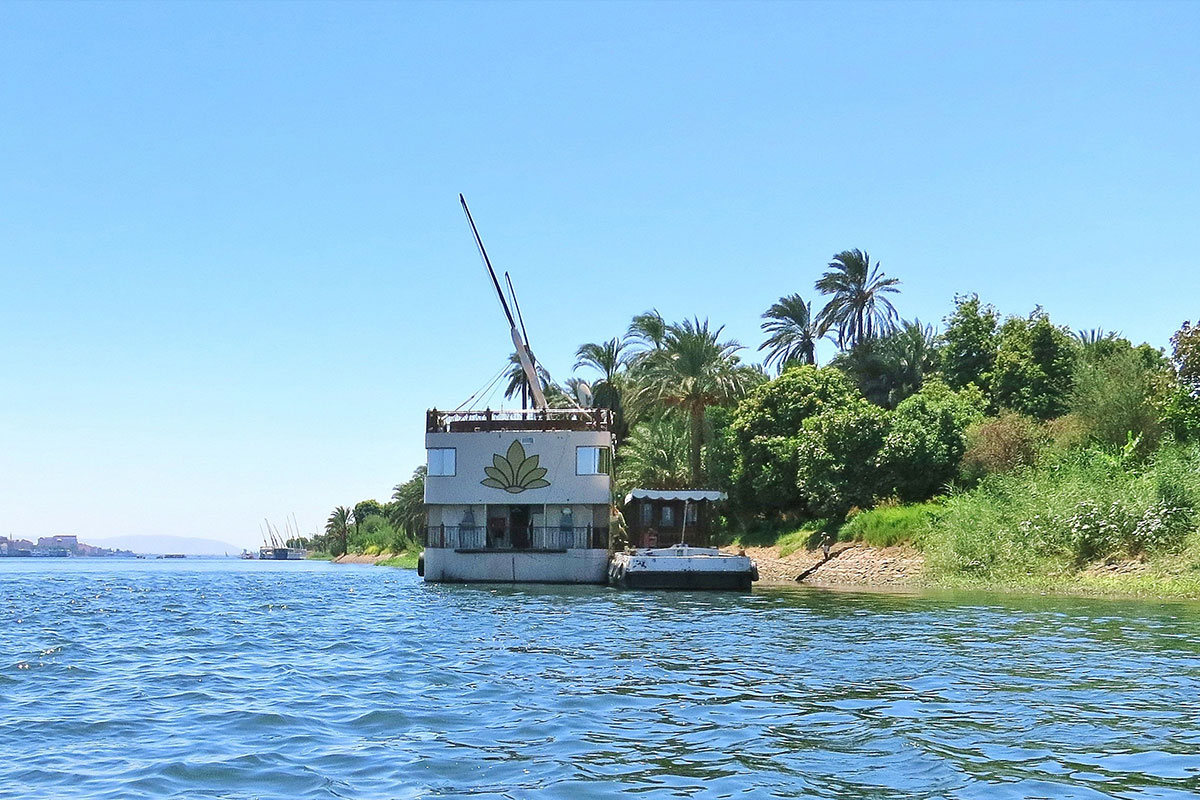
Traditional Dahabiyas usually carry fewer passengers and can provide a quieter, slower-paced atmosphere, although the exact itinerary and sailing arrangements depend on the vessel.
Another detail travelers sometimes overlook is Abu Simbel.
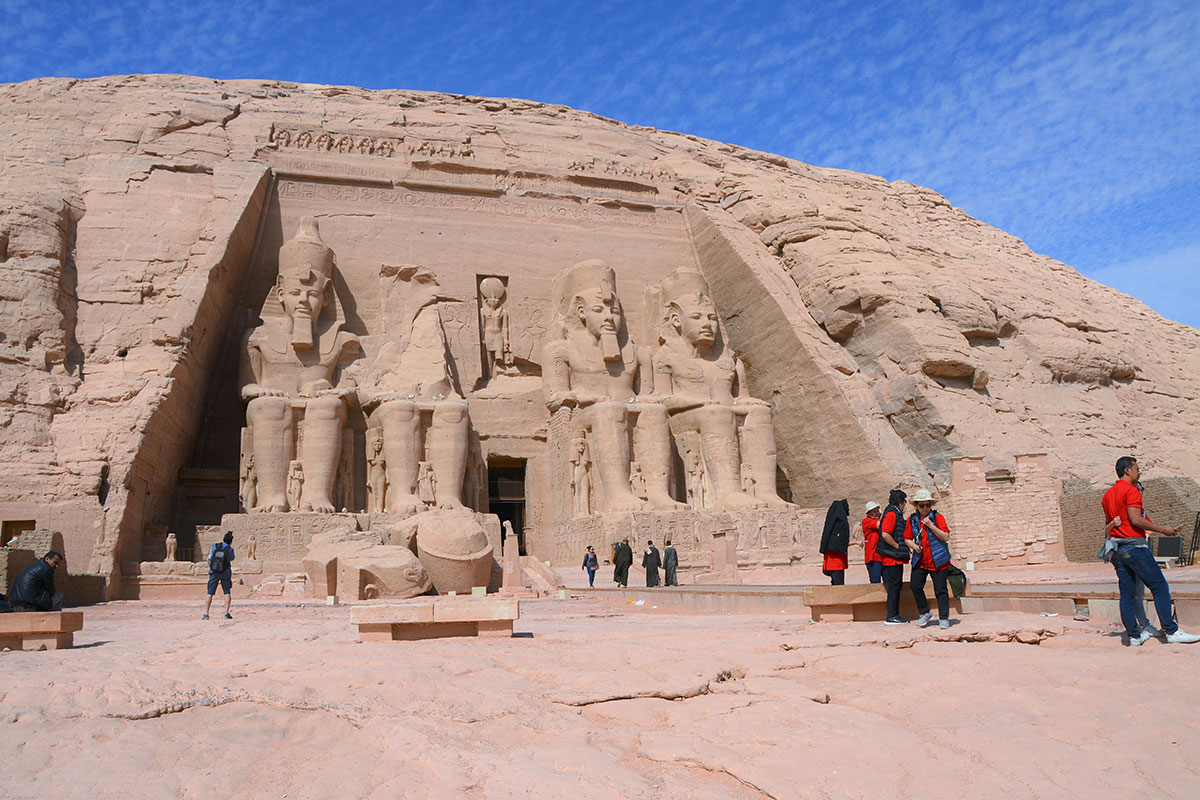
Despite appearing in some cruise package descriptions, Abu Simbel is not a standard sailing stop on the Luxor–Aswan Nile route. Visiting the temples usually requires a separate excursion from Aswan, unless the traveler is taking a distinct Lake Nasser cruise.
Before making a reservation, ask how many nights are spent onboard, when actual sailing takes place, which excursions are included, and whether optional visits carry additional charges.
A Nile cruise can be an excellent way to see Upper Egypt. It is simply better enjoyed when you understand how the experience works.
5. Assuming Egypt’s Weather Is the Same Everywhere
Egypt is famous for sunshine, but its weather is not identical across the country.
A comfortable winter afternoon in Cairo does not necessarily feel the same as a day exploring the temples of Luxor or Aswan.
Southern Egypt can become particularly hot during the summer months. Archaeological sites often have large outdoor areas, limited shade, and considerable walking distances.
That makes timing important.
Visiting the Valley of the Kings or Karnak Temple early in the morning can be more comfortable than exploring during the hottest part of a summer afternoon.
The cooler months, broadly from October through April, are generally more comfortable for extensive sightseeing in Upper Egypt, although temperatures and crowds vary.
The Red Sea presents another consideration.
Travelers visiting Hurghada or Sharm El Sheikh may prioritize swimming, snorkeling, and beach activities rather than walking through archaeological complexes.
Different activities can make different times of year appealing.
First-time visitors should also think about the rhythm of each day.
A morning at an ancient temple followed by a relaxing afternoon may be more enjoyable than scheduling three exposed outdoor attractions back-to-back.
Pack breathable clothing, comfortable walking shoes, sun protection, and an extra layer for cooler evenings or air-conditioned transportation.
The mistake is not visiting Egypt during a particular season. It is planning every destination and activity as though the weather will feel the same.
6. Arriving Without a Plan for Cash, Tipping, and Payments
One of the more confusing parts of a first trip can be understanding how payments work.
Egypt uses the Egyptian pound, but travelers may encounter different payment expectations depending on the service.
Major hotels, many restaurants, and established tourism businesses often accept payment cards.
Official archaeological-site ticketing has also become increasingly digital, with card payments available through authorized booking channels and ticket counters.
However, cash remains useful for smaller everyday purchases, local markets, some transportation arrangements, and tipping.
The Egyptian practice of baksheesh is another subject worth understanding before arrival.
The word may refer to a tip or a small payment for a service. Travelers sometimes encounter requests for tips in situations they would not expect at home.
This does not mean every person who offers assistance is demanding money.
The best approach is to understand what services are included, carry small denominations of Egyptian pounds, and decide when a tip is appropriate.
A few simple habits can prevent confusion:
- Confirm the price before accepting an optional service.
- Keep smaller notes available for modest purchases and tips.
- Check whether service charges are already included.
- Avoid exchanging money through unofficial sources.
- Use reputable ATMs and monitor exchange rates.
It is also useful to know that official attraction tickets and informal payments are separate matters.
If someone offers to arrange admission to a monument, verify whether you can purchase the ticket directly through an authorized channel.
Understanding local payment practices makes everyday interactions easier and reduces unnecessary misunderstandings.
7. Confusing Unofficial Offers With Official Travel Arrangements
Tourist destinations around the world attract people offering transportation, guiding, souvenirs, and additional services.
Egypt is no exception.
Around major attractions, visitors may encounter offers for photographs, camel rides, guiding, or assistance finding an entrance.
Many local service providers are legitimate, but misunderstandings can arise when the terms are not clear.
For example, a traveler might accept what appears to be a casual offer to take a photograph and later discover that payment is expected.
Someone may also offer transportation without explaining whether the quoted amount covers the whole journey or only part of it.
The solution is not to distrust everyone.
It is to establish expectations before accepting a service.
Ask about the total price, confirm what is included, and politely decline offers you do not want.
At major historic sites, use official ticket offices and authorized guides. When arranging transportation, agree on the fare in advance or use a reputable ride-hailing service where available.
For longer journeys or remote destinations, research providers and check whether permits or special arrangements are required.
A calm, confident refusal is usually more effective than getting drawn into a lengthy negotiation.
It is equally important to remember that bargaining is part of the shopping culture in many Egyptian markets.
A lively conversation over the price of a souvenir is not automatically a scam.
Knowing the difference between ordinary negotiation and misleading offers helps travelers enjoy local experiences without becoming unnecessarily suspicious.
8. Overlooking the Small Details That Make Travel Easier
Sometimes the smallest planning decisions have the biggest effect on a trip.
Visa requirements are a good example.
Travelers should confirm the entry rules that apply to their nationality, passport, and arrival circumstances before departure. Eligible visitors may be able to arrange an Egyptian e-Visa in advance, while other entry arrangements depend on nationality and travel circumstances.
Passport validity is also important. Travelers should check the latest official requirements rather than relying on outdated advice from forums.
Another easily overlooked detail is attraction access.
Museums, temples, and archaeological sites may have different operating hours, ticket arrangements, and photography restrictions.
Checking those details beforehand can prevent an unnecessary journey or disappointment at the entrance.
A few other preparations can make a noticeable difference.
Leave room for delays– Avoid scheduling a major excursion immediately after a long-distance transfer or relying on an extremely tight connection.
Choose accommodation strategically– A hotel that looks attractive in photographs may not be conveniently located for your planned activities.
Keep important information accessible– Save your hotel address, transportation confirmations, and emergency contact details for offline access.
Check official travel advisories– Conditions and restrictions can differ between established tourist destinations and more remote areas, particularly near borders or in parts of the desert.
Avoid planning every hour– Leave time for a quiet café, a walk beside the Nile, or simply recovering after a demanding sightseeing day.
Egypt rewards preparation, but it also rewards curiosity.
Sometimes the moments you remember most are the ones that never appeared on your itinerary.
Frequently Asked Questions
How many days do you need in Egypt for a first visit?
Seven to ten days is a useful starting point for a first trip focusing on Cairo, Luxor, and Aswan. Travelers with fewer days may prefer Cairo and Luxor, while those with two weeks can explore at a more relaxed pace or add the Red Sea. The best duration depends on how much sightseeing you want and how frequently you are comfortable changing locations.
Is Egypt easy to travel independently?
Independent travel is possible in Egypt, particularly along established tourist routes. However, visitors should prepare for differences in transportation, language, ticketing, and local travel arrangements. Travelers comfortable researching logistics may enjoy the flexibility, while guided excursions and private transfers can simplify more complicated parts of the journey.
Is it better to take a train or fly from Cairo to Luxor?
Flying is generally faster when time is limited, although airport transfers and check-in procedures must be considered. Trains may appeal to travelers who enjoy overland journeys or want an alternative to flying. Compare overall travel time, current schedules, booking availability, cost, and comfort before deciding.
Can you visit Cairo, Luxor, and Aswan in one week?
Yes, but the itinerary needs careful planning. A week can accommodate highlights in all three cities if transportation is efficiently arranged, although there will be limited time for additional activities. For travelers who prefer slower sightseeing, spending more time in two destinations may be more satisfying.
Are Nile cruises worth it for first-time visitors?
A Nile cruise can be worthwhile for travelers interested in ancient Egyptian history who also appreciate comfortable accommodation and organized sightseeing. The classic Luxor–Aswan route connects several important temples. However, travelers seeking complete independence or extended time at every attraction may prefer a land-based itinerary.
Do you need cash when traveling in Egypt?
Carrying some Egyptian pounds is useful, particularly for smaller shops, local purchases, and tips. Payment cards are accepted in many hotels, restaurants, and official tourism services, but availability varies. Keep small denominations and confirm payment methods when booking activities or transportation.
Is Egypt safe for independent travelers?
Many independent travelers visit Egypt’s established tourist destinations, but safety conditions vary by location and circumstances. Travelers should consult current official advisories, use reputable transportation, remain aware of their surroundings, and follow local guidance. Some remote desert and border areas have additional restrictions or travel warnings, so it is important to research each destination individually.
Conclusion
The biggest mistake first-time visitors make in Egypt is not misunderstanding a temple or choosing the wrong hotel. It is expecting every part of the journey to work exactly as it does at home.
Travel distances require planning. Historic attractions deserve time. Local customs can differ from familiar expectations, and transportation choices can influence the entire experience.
Once those realities are understood, Egypt becomes easier to explore on your own terms.
You do not need to visit every famous attraction, follow the busiest itinerary, or organize every minute.
Choose the places that interest you most, understand how you will travel between them, and leave enough space to appreciate what makes each destination special.
A memorable Egypt trip is not measured by how much of the country you manage to cover, but by how much of it you actually get to experience.
Leave a Reply