

The Pros and Cons of the Digital Nomad Lifestyle.
We got back into full-time travel earlier this year after having a home in Spain for the last five years. Prior to that, we had lived the Digital Nomad Lifestyle for 6 years (2014 – 2020).
You’ll often see the idealized, “postcard perfect” version of the Digital Nomad Lifestyle being portrayed: you working on your laptop, a cup of coffee or a cocktail by your side, a view of the ocean in the background. While we obviously love the lifestyle, that’s not the reality of being a digital nomad.
The truth is that living as a nomad can be complicated and frustrating. I’m writing this from an Airbnb in Strasbourg where the Wi-Fi – for whatever reason – is slower than a trek through mud. But that’s normal and actually minor. There’s much more you have to contend with being a Digital Nomad.
This post covers the Pros and Cons of the Digital Nomad Lifestyle.
What Is Digital Nomad Lifestyle?
A digital nomad makes a living by working online and travels from one town or country to another. Unlike a typical remote worker, a nomad changes address regularly. The digital nomad lifestyle might involve spending a month in Paris followed by three in Thailand. Some people move every week while others remain in one place for 6 months at a time.
The dream of living the digital nomad lifestyle has grown exponentially. According to the MBO Partners 2025 report, 18.5 million American workers are now digital nomads, representing about 12% of the U.S. workforce and marking a 153% increase since 2019. There are caveats to those numbers: the post-Covid surge has levelled off. Overall growth slowed to 2.2% last year, with the number of independent nomads down 7%. That’s mainly due to people being called back to the office, rising costs, and the realities of the digital nomad lifestyle (which I alluded to and which I’ll cover further below).
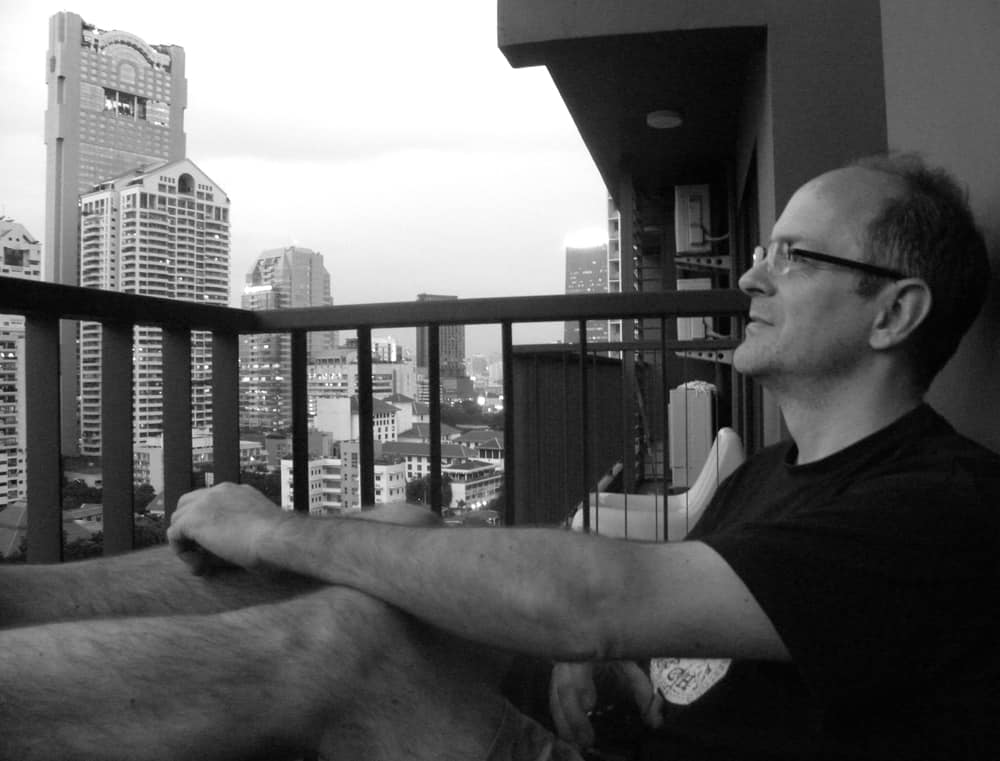
The Upsides of the Digital Nomad Lifestyle
There are good reasons why so many people enjoy the digital nomad lifestyle. The main ones are as follows:
- Freedom. In our case, we worked the 9-5 for over 25 years and were both parents and home-owners. But we were honestly bored and wanted a change. In my mid-40’s I was fired/I quit and it was the perfect time for us. Sometimes life just hands you things. Looking back, it’s the freedom and lack of monotony that keeps bringing us back to the digital nomad lifestyle. Yesterday we were in London, today in Strasbourg. In a few weeks we’ll be in Switzerland. We’re never bored.
- Lower prices. The cost of living abroad is usually much lower than anywhere back home. During our first 6 years of full-time travel we earned money in Canadian dollars (Lissette from the job that she managed to keep, me from renting out my condo) while “living” in places like Thailand, Mexico, Ukraine, Croatia and Czech Republic. We didn’t just breakeven compared to our previous lifestyles, we came out way ahead. Of course that depends where you go and how you travel, but once you know the game (and stay flexible) you can do that.
- Life at a slower pace. By staying somewhere longer, you get to know places better and reduce costs (accommodation and transport). You also avoid the burnout many digital nomads suffer through. It’s why so many full-time travellers choose slow travel.
- Co-working. For many digital nomads, the co-working aspect is very important both for work and social reasons. The great thing is that in many places you’ll find coworking spaces, which makes it simple to meet similar-minded people and maintain a work routine.
- Personal growth. We had always travelled prior to being digital nomads. But there’s a reason why “vacationing” is very different than “travel”. Being digital nomads we’ve learned how to deal with problems and adjust to multiple situations. Through it, we’ve become much more confident people.
The Downsides of the Digital Nomad Lifestyle that nobody Talks About
The digital nomad lifestyle also has a cost, and that cost isn’t just money.
- Loneliness. People may say they’ll keep in touch. You may say the same (and mean it). But people move on when you are no longer there and – even if you come back 5 years later – you may find that there’s no room for you anymore. The reality is that you’ll lose your friends when you’ve been away 5, 10 or (like us) 12 years. For many, the excitement of travel dries out fast and the loneliness factor kicks in, making them rethink the digital nomad dream.
- Work boundaries are blurry. Work-life balance suffers when your desk doubles as your bed, and clients in other time zones mean odd meeting hours, so time zone management becomes a daily skill. In the end, not everyone does well with chaos and the 9-to-5 lifestyle is better suited to some.
- Paperwork. Between Visas, health care, and various bureaucracy back home, there’s a lot of paperwork involved with being a digital nomad. Banks may not want to deal with you if you’re no longer a resident, never mind the tax implications. Then there’s all the planning involved in choosing your next destination, arranging travel and accommodation. It all adds up.
- Money management. I could write a book on the things we’ve learned about money management and dealing with banks both at home and overseas. My biggest tip is to get an account with a company like Wise (or Revolut) which allows you to transfer money internationally. You’ll save time (I can do a transfer between my Canadian bank and Spanish bank in seconds using Wise) and money (my Wise account has different currency sub-accounts where I can transfer money…not at inflated bank rates but at current money-market rates).
- Health risks. Depending on where you’re from and what health coverage you have, an accident while on the road could wipe out months of savings if you haven’t planned for it. Make sure that you cover yourself with health insurance appropriate to you before heading out on the road.
- Early burnout. Most newcomers quit within their first year due to poor planning, thin savings, or skills that don’t sell.
Loneliness and burnout are “personal issues” and the toll they take depends on your circumstances. If people can’t overcome them in the first few months, they’re often the underlying reasons on giving up on the digital nomad lifestyle. The other issues can be categorized as “learning issues” and can easily be overcome with planning and preparation. You’re always learning and adapting as a digital nomad.
Digital Nomad Lifestyle Tips
The more experience you gain, the easier the digital nomad lifestyle becomes. Consider the steps listed below as a dynamic checklist and update it every few months. If you’re not sure where to start, then begin with the first step.
Testing & Preparation
- First, try it by taking a short trip. Try out different locations first and book a week’s stay somewhere. Check out coworking spaces.
- Next, set up a reliable remote work setup. Take a lightweight laptop, good headphones, and a power bank, and also make sure you have a backup connection ready.
- Sort your data as early as possible and get an eSIM data plan before you arrive so that you’ll be connected at the airport.
As I say, start with a week just to see how it goes and work out any kinks. If this first foray into the digital nomad lifestyle still appeals to you, prolong your stay for a month.
Note: When we first set off in 2014, we rented out our condo and put all our stuff in storage. We had everything in place in case we decided to come back. Fortunately the lifestyle suited us and when we came back in 2017 we sold the condo and got rid of most of our belongings. The point is: dip your toes in before committing to a lifetime decision.
Tech, Work & Connectivity
If taking your job with you (as Lissette did), make sure to check the access rules. In the United States for example, many companies permit access to their corporate systems only from approved IP addresses. This is one of the reasons why some digital nomads choose to buy proxy USA plans, which provide a static U.S. IP address that their employer’s IT department can then add to the allowlist. Ask your IT team before making the purchase.
Also, plan the paperwork. Check the visa requirements well in advance. People planning a long stay generally prepare their visas, SIM cards, and accommodation at the same time. Once you have compared the long-term visas of the countries you prefer, choose the one that suits you best.
Admin, Finances & Health
Keep track of your budget by recording your expenditures for one month, then comparing them with actual cost-of-living figures overseas. Make any necessary adjustments when prices change.
Set up backup bank accounts and have two cards from different banks along with a multi-currency account. Having a backup account makes banking while traveling a lot simpler. We, for example, have cards from our Canadian bank as well as a Spanish bank. More importantly when travelling outside Canada or the EU, we have a Wise multi-currency card. We just spent 3 months in the UK and it was invaluable.
Finally, get the right kind of cover and select a travel health insurance policy that includes long stays overseas. We have Expat Insurance with Genki (we previously had Expat insurance with Allianz). Compare plans and coverage and make sure you’re covered in the places you plan on staying in.
Final Thoughts
We’ve done it now for the last 12 years (with a 5-year break in between to get Permanent Residency in Spain). We love the digital nomad lifestyle. It brings freedom and new experiences. It’s never boring. But it also requires careful planning, a steady income or savings, and the knowledge that not every day will be perfect. You will be giving up certain comforts and it will impact your relationships with friends and family. For some people that’s too much to sacrifice.
You should therefore test the digital nomad lifestyle on a small scale. Try it out, see if you can envision doing it full-time. Continually improve your remote work setup and always learn and adjust to the various obstacles that get in your way. The good news is that technology today makes it much easier to live the digital nomad lifestyle.
Related: Regrets of living a Nomadic life
Leave a Reply