
What you should know about visiting Orange (Provence, France).
Orange is a popular day trip while in Provence. Why? 1) Because of its Roman highlights and 2) because it is easy to get to by yourself using Public transport. In fact, if you’re using Avignon as your base, Orange is just a 15-minute train ride away.
Many people mention Orange in the same breath as Nimes and Arles, two cities also known for their Roman highlights and the ease for which they can be visited by public transport. But the first thing you should know is that Orange is much smaller than either Nimes or Arles – in fact, Orange can be seen in 2 to 3 hours, making it an ideal half-day trip.
This post covers Orange, telling you what to see and how to do it.
A Brief history of Orange (France)
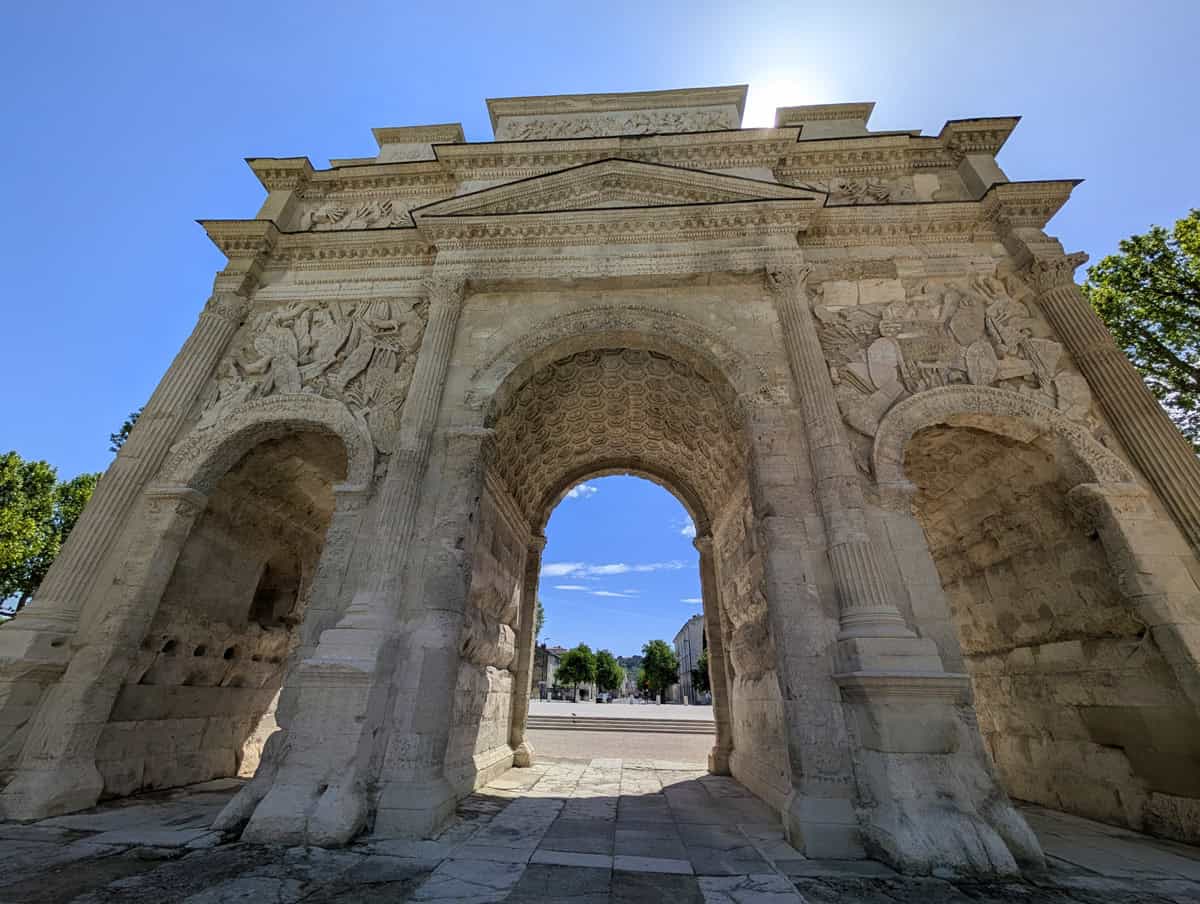
When Julius Caesar conquered Gaul (in 35 BC), veterans of the Roman second legion established a city here named “Arausio”. During the reign of Augustus (27 BC to 14 AD), the city became rich and monuments were built, making it a miniature Rome. Two monuments still stand and both are UNESCO World Heritage Sites: the Theatre is known as the best-preserved Roman theatre in Europe while the Triumphal Arch is one of the largest built by the Romans.
With the Roman Empire falling apart in the 5th Century, the Visigoths sacked the city in 412 AD. Later the city was ruled by various noble families and feudal kingdoms before falling under the control of the House of Orange-Nassau (in 1544), the dynastic family that still to this day governs the Netherlands. But Dutch rule put Orange on the Protestant side in the French Wars of Religion (1562 – 1598) and the city was eventually captured by Louis XIV. Orange was officially ceded to France in 1713 under the Treaty of Utrecht.
Practical Information on Orange
Getting there. The train station is about 15 minutes from the town center. There are trains roughly every 30 minutes to Orange from Avignon which is a 15-minute train ride. Note: trains in France are not cheap – we paid 9 Euros one-way for that 15-minute trip from Avignon. See the SNCF website.
How much time to spend in Orange? We spent about 2 1/2 hours. I don’t really think you need more time than that.
Tours: If you’d like to see some of the best Roman monuments in the area, this tour takes you to Orange, Nimes and the Pont du Gard.
I also really recommend this tour (which we took) which includes some of the most beautiful towns in Provence (Fontaine-de-Vaucluse, Gordes, Roussillion, Les Baux de Provence, Saint-Rémy-de-Provence) as well as the Pont du Gard.

What to See in Orange
Orange is today a small city. There’s not much to it, so it’s almost strange that it is home to two famous (and large) Roman monuments.
The Roman Theatre of Orange
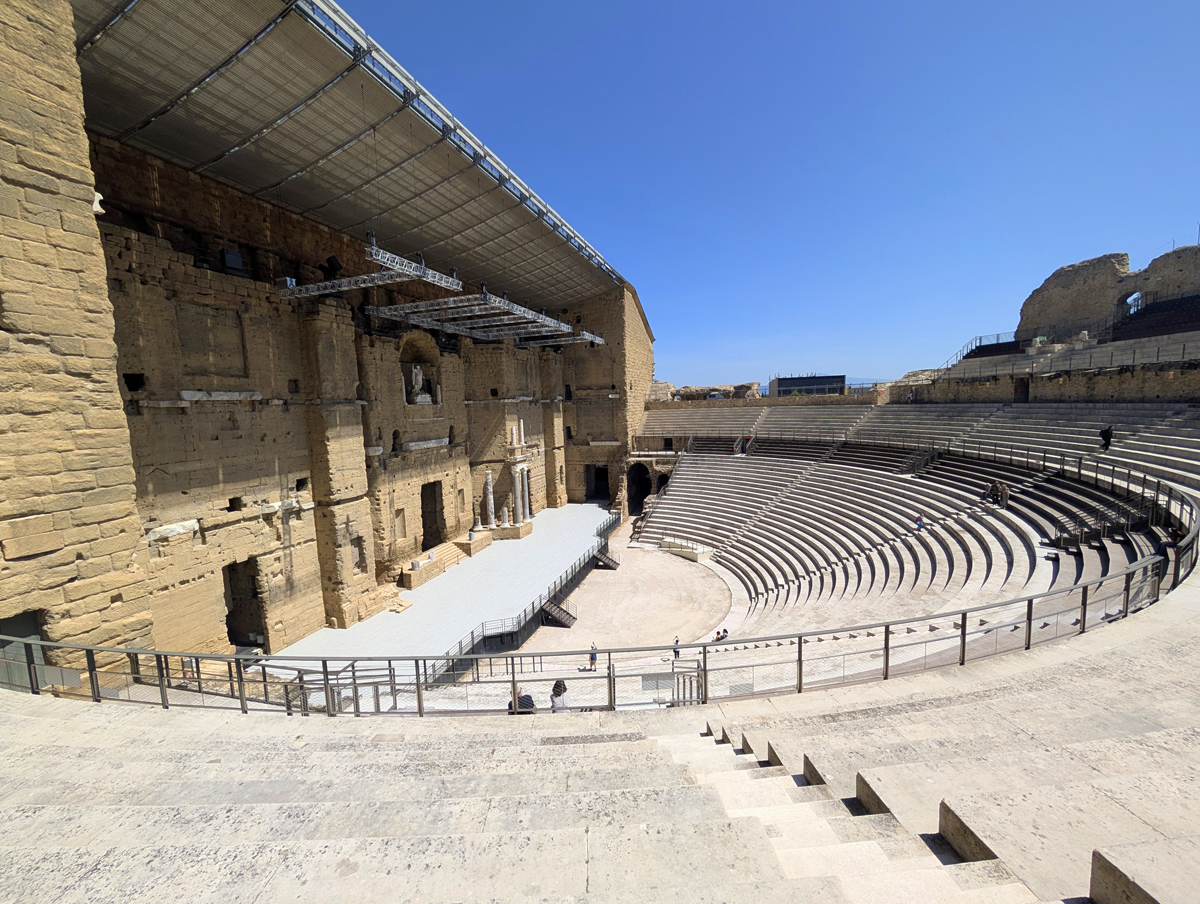
Built in the early 1st century under the reign of Augustus, the theatre is one of the first to have been built out of stone. One of the most incredible parts of the structure is the huge exterior façade which measures 103 meters (338 ft) long and 37 meters (121 ft) high. The large wall helped project sound from the stage (which is 61 meters long ie 200 ft) towards the audience in the stands. The Theatre could seat up to 7,000 spectators.
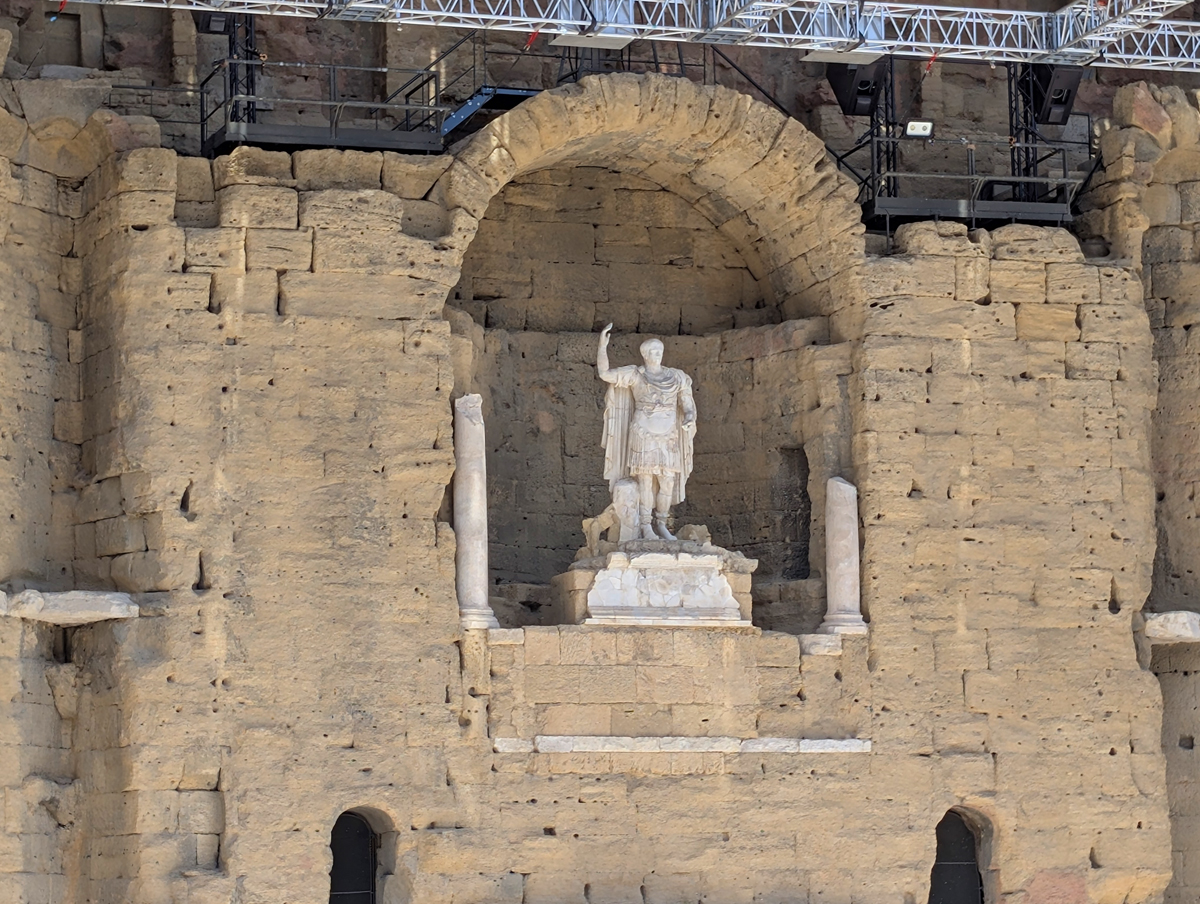
In the central niche of the theatre is a statue of emperor Augustus (restored in the 1950s).
The theatre served several functions, among them: 1) to spread Roman culture to the colonies, 2) to distract citizens from political activities. In fact, entertainment in the theatre (mostly opera, plays and comedy) lasted all day and would be free and available to everyone.
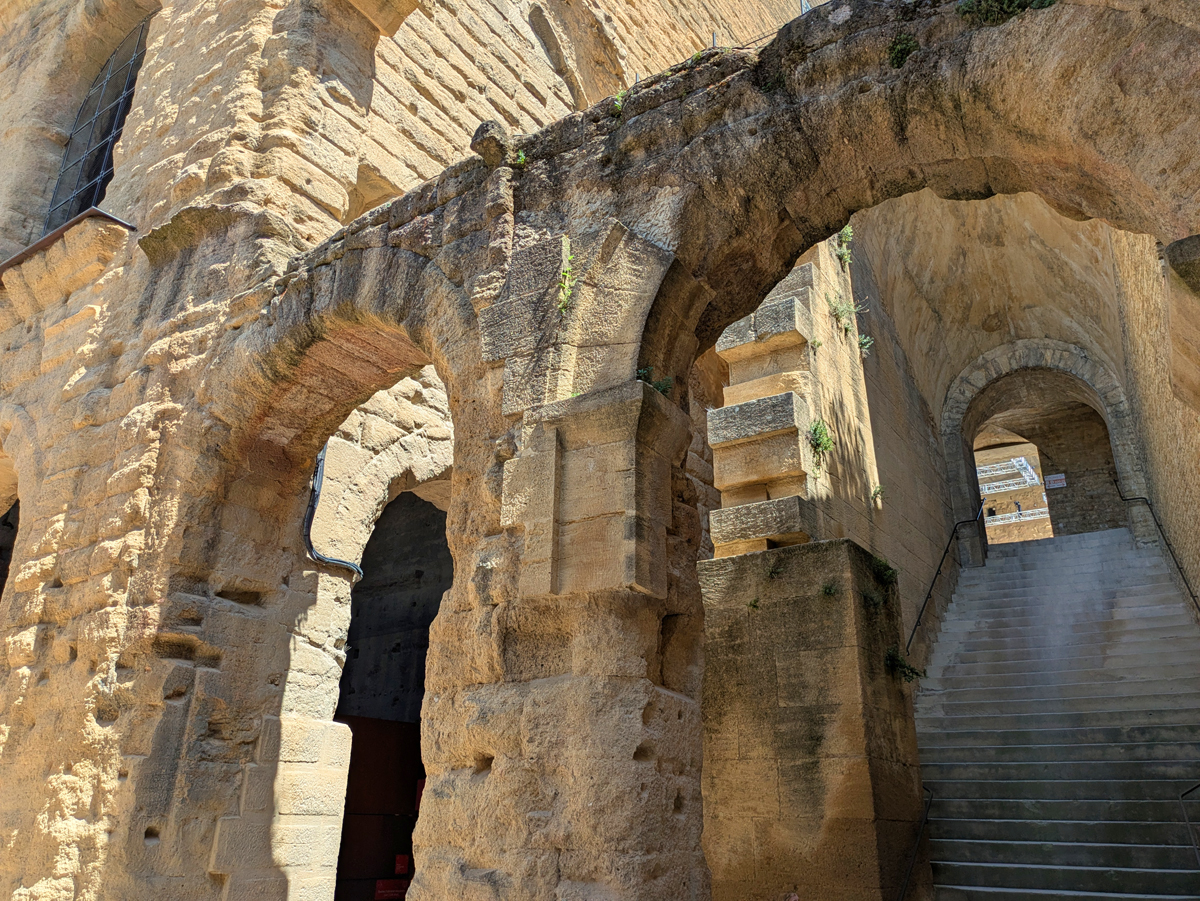
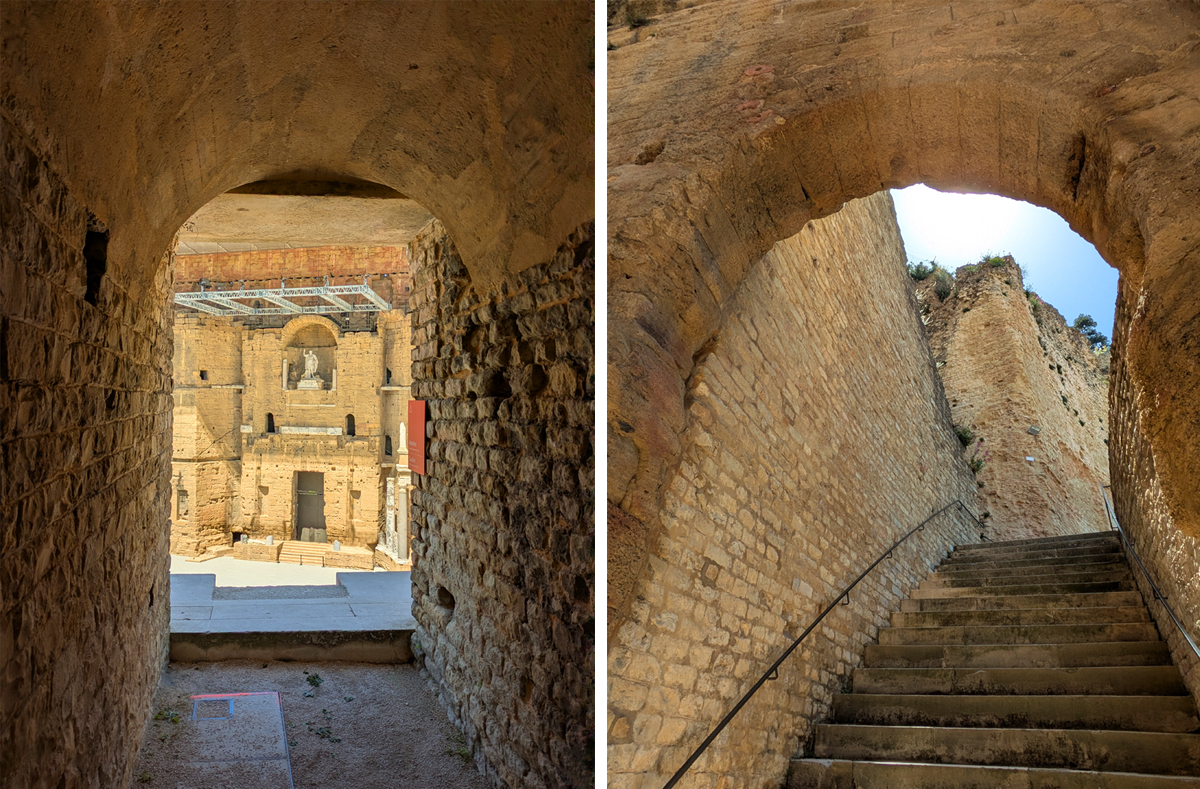
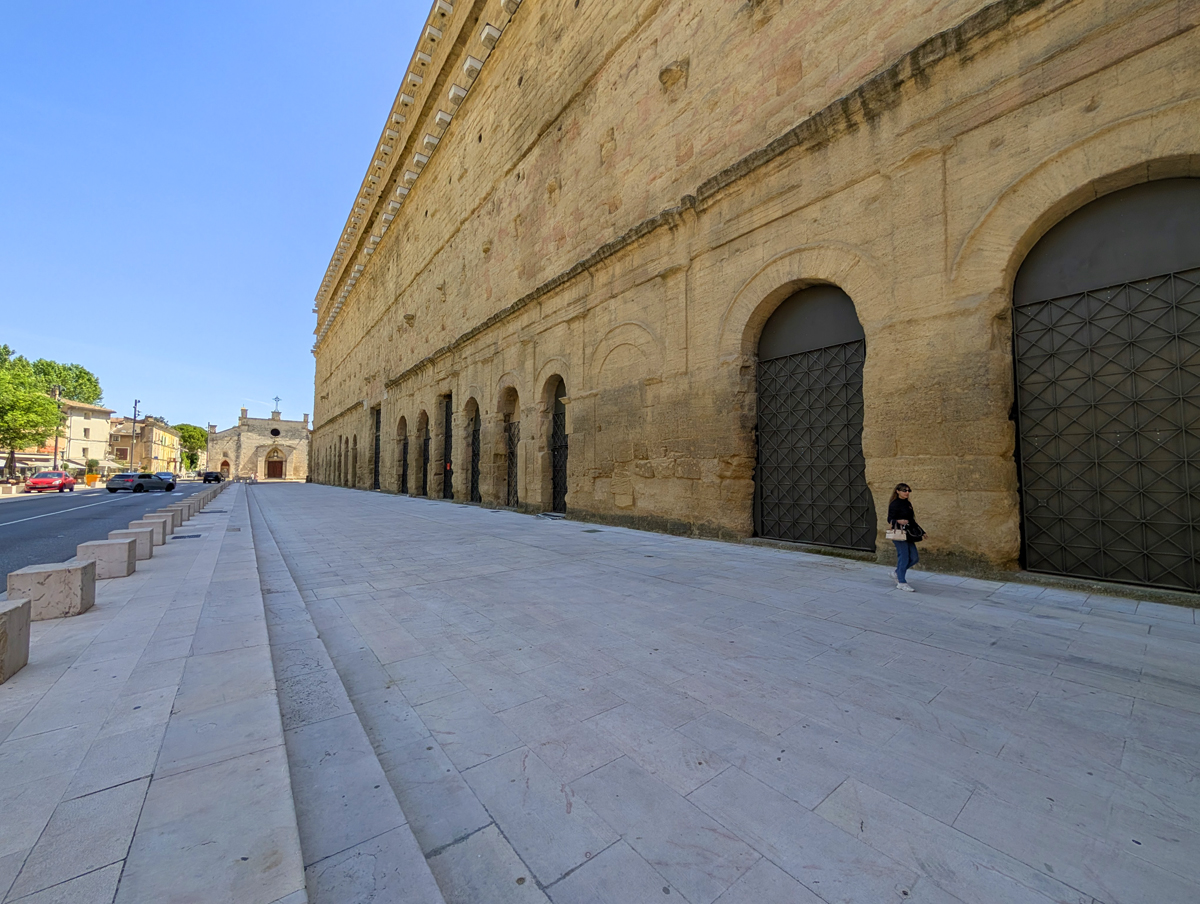
Today the theatre has been restored and is again used as a theatre, mostly for Opera (you can see scheduled events on their website). You can also visit the theatre (as we did). Tickets cost 11.50 Euros each (as of May 2026).
The Roman Museum
Free with your ticket to the theatre is the museum which is right across the street. I’ll be honest: most of it isn’t very interesting. But on the ground floor, going to the right, you’ll find a large room with Roman mosaics, statues and sculptures. Also here is a large map of the cadastres of Orange, which documents land ownership of the different lots of the city during Roman times.
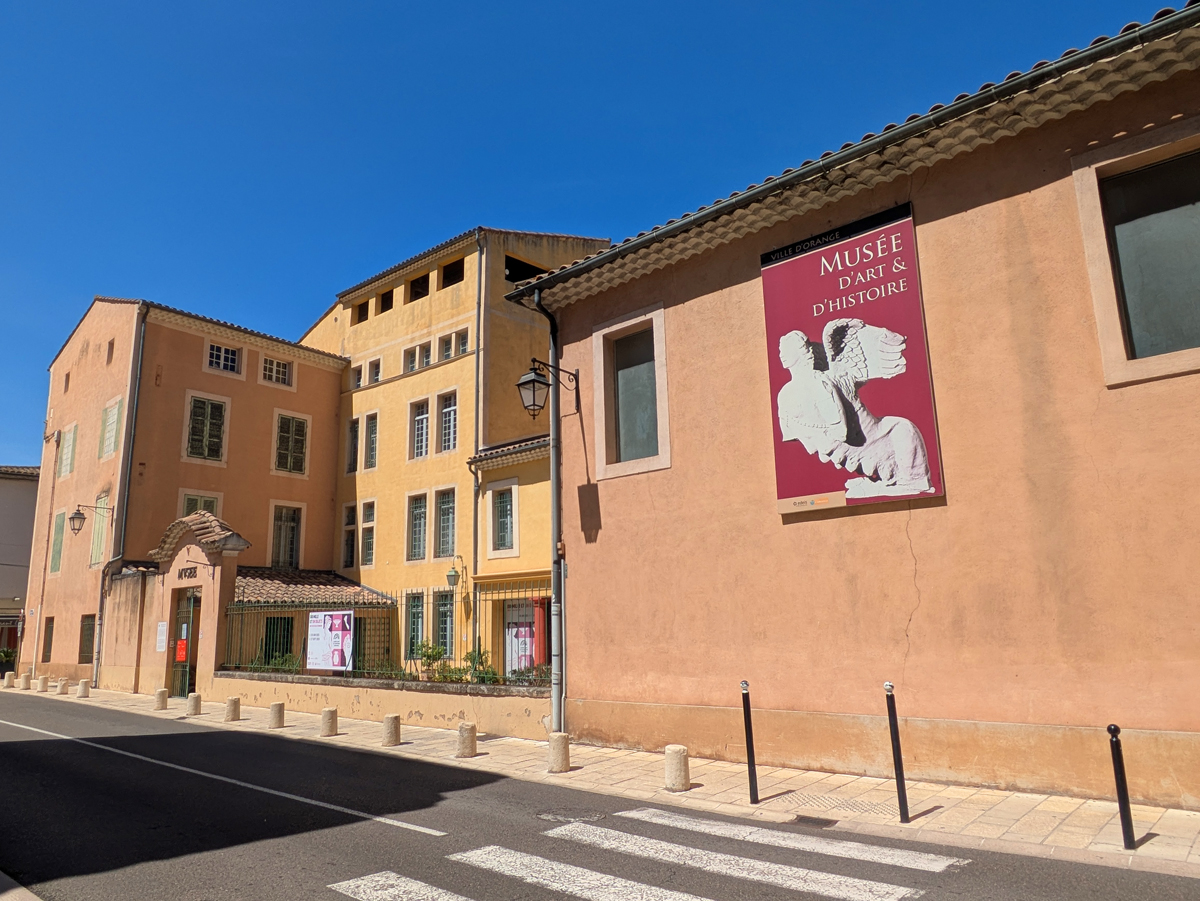
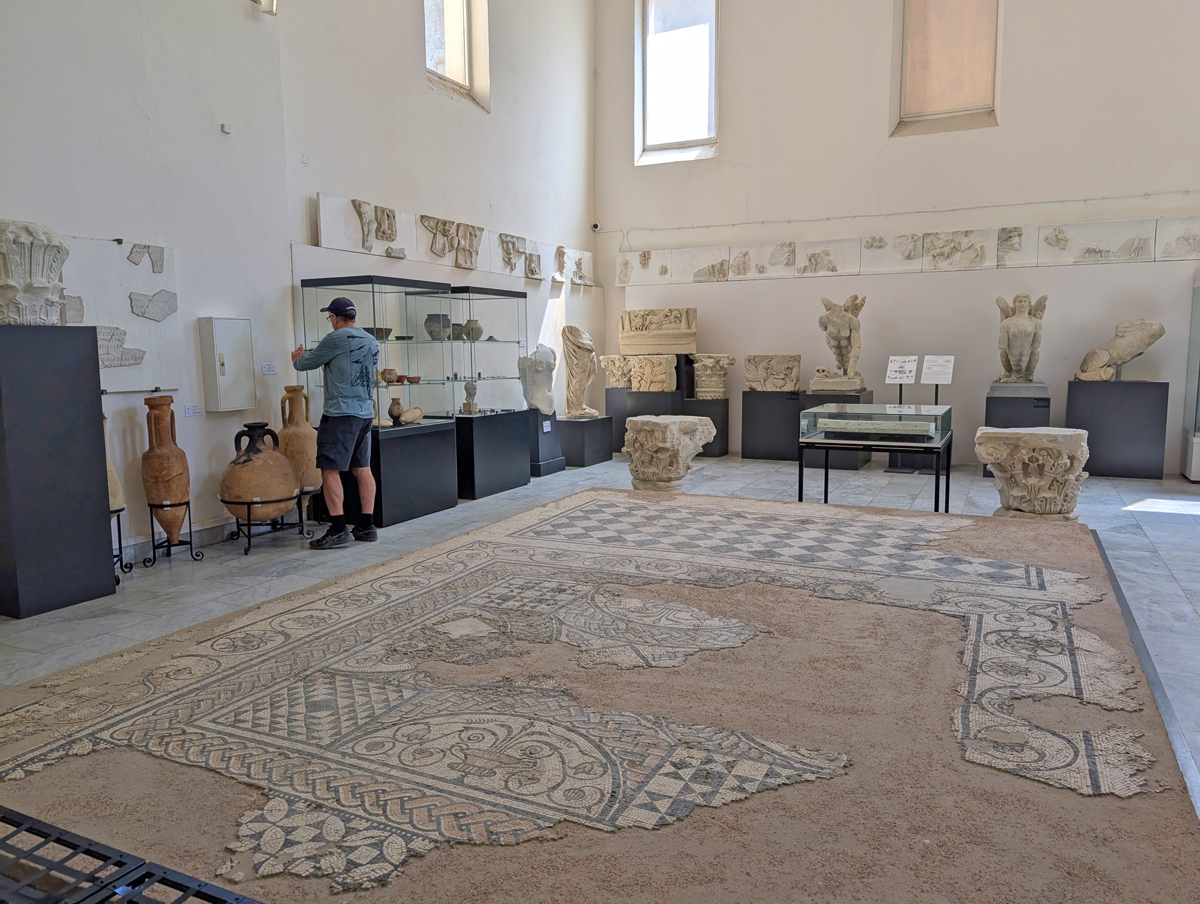
This room alone is worth a visit to the museum.
The Triumphal Arch of Orange
Again, this was built during the reign of Augustus and was the main gate leading into the city. It was built on the Via Agrippa, the road leading into Orange from Vienne (close to Lyon).
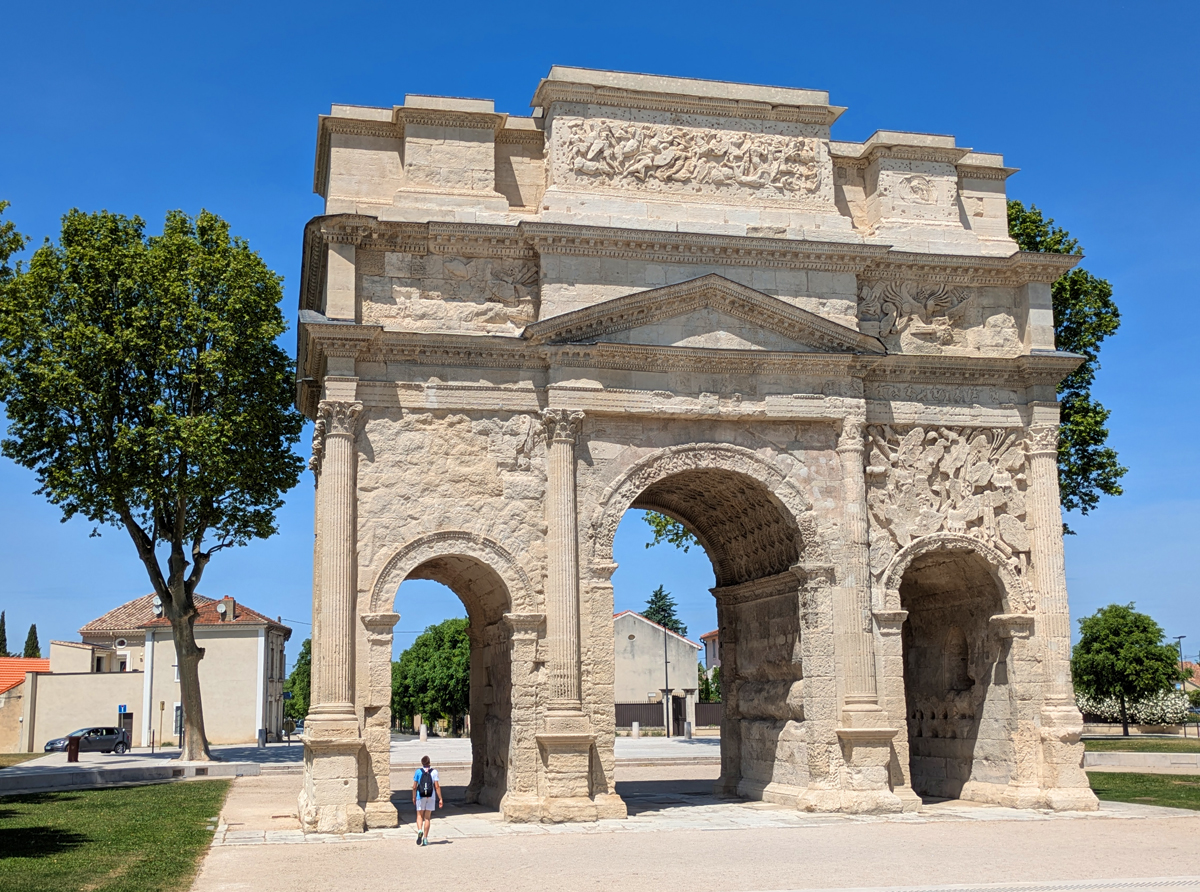
The Arch was built to honour the victories of the Roman legion under the Empire, commemorating the victory of the Roman army on the Gallic peoples. The monument is a symbol of the power of Rome and military glory of the empire but also carries a message of peace and prosperity for the region.
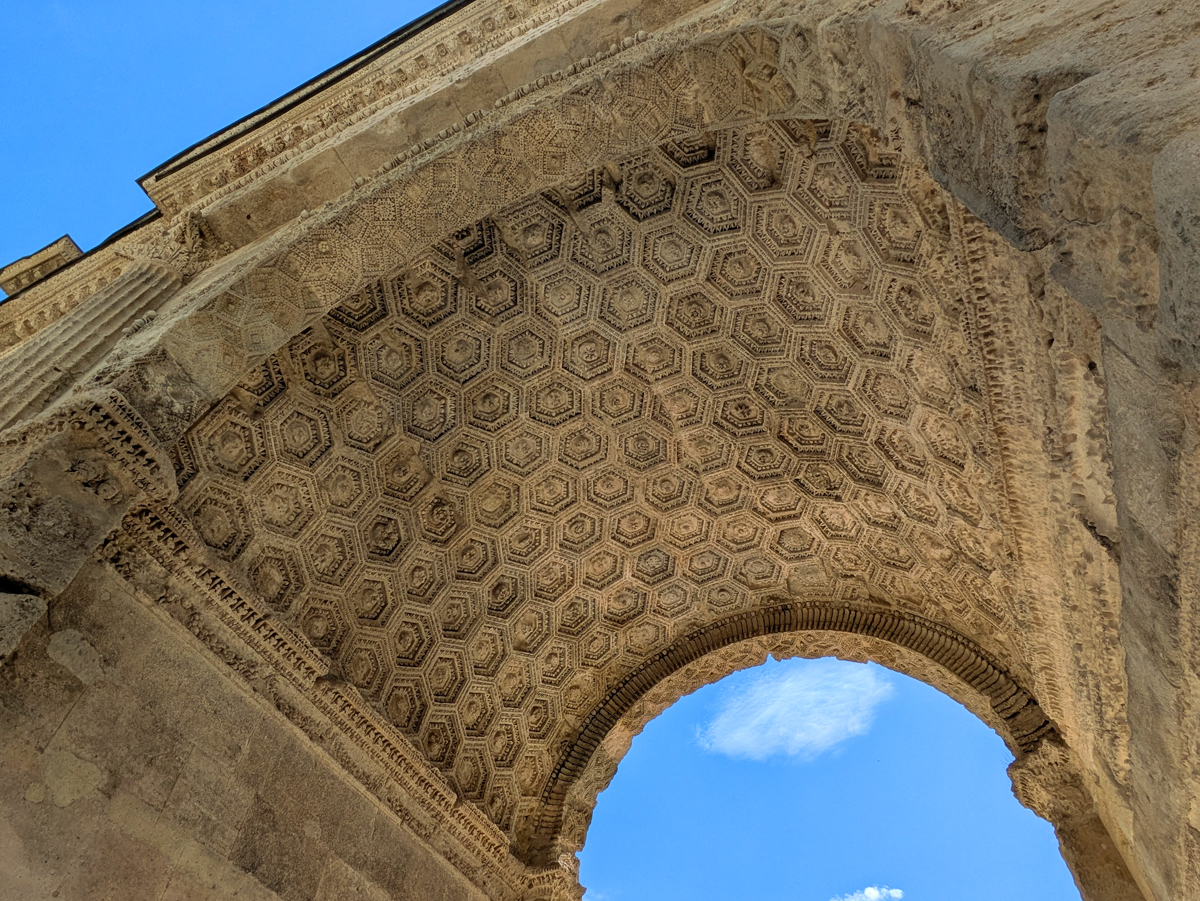
The arch is almost 19 meters high and 20 meters long (Note: the largest triumphal arch built by the Romans is the Arch of Constantine in Rome which is 20 meters high and 25 meters long). The upper part of the arch shows various battles between Romans and Barbarians while at the bottom are 3 bays: entrances for pedestrians (on the sides) and chariots (in the middle). Funny enough, until a few years ago cars could drive through the arch. That was changed and the arch now stands in the middle of a roundabout.
To visit: the Arch is just outside the city center, about a 15-minute walk from the Roman Theatre. Free.
What else to See in Orange
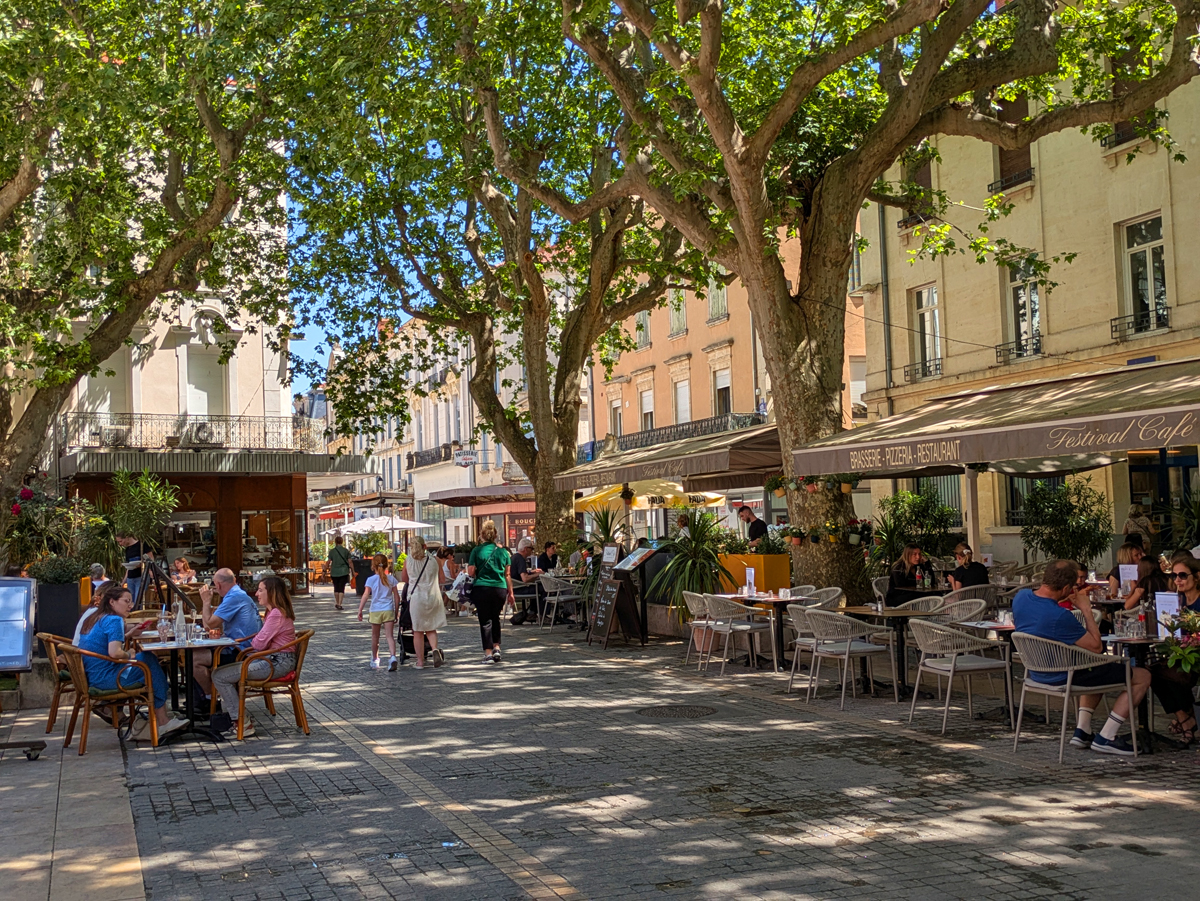
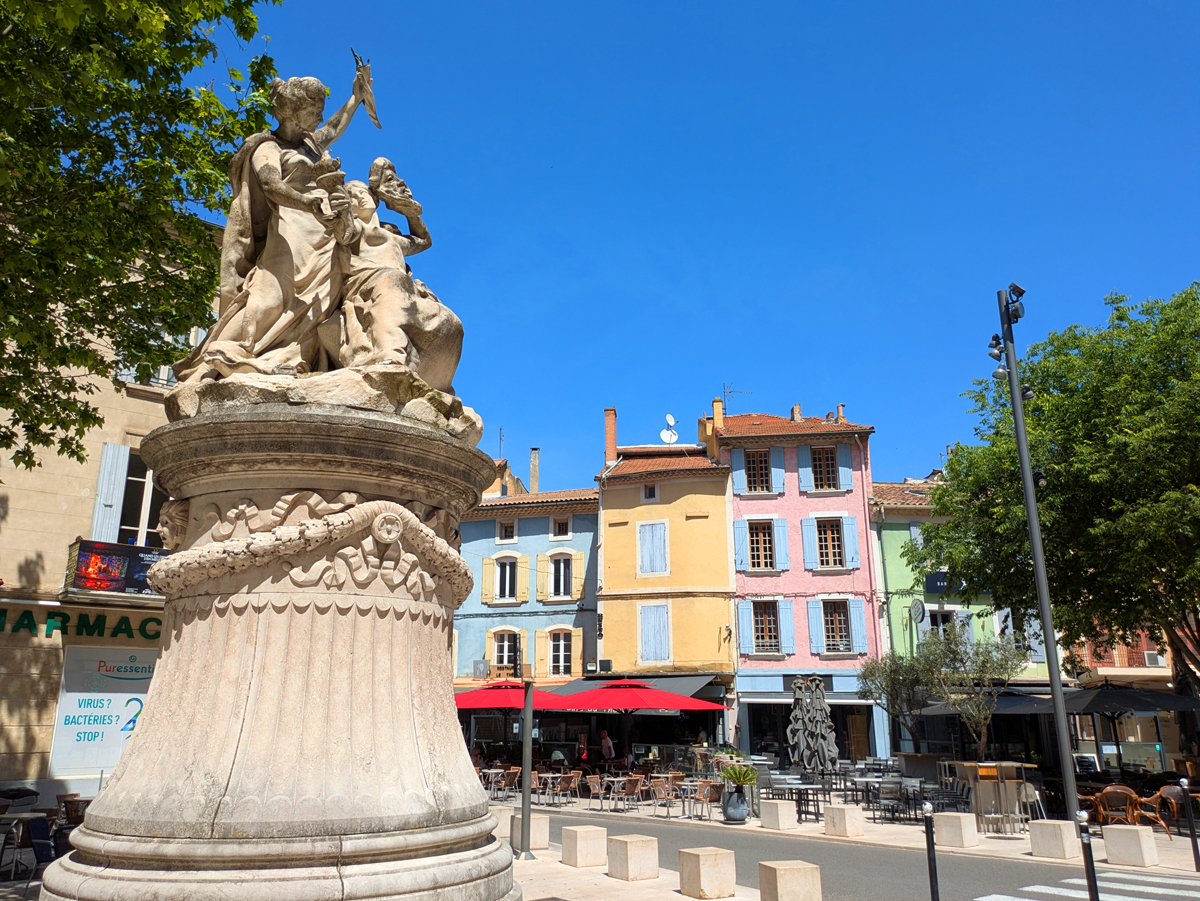
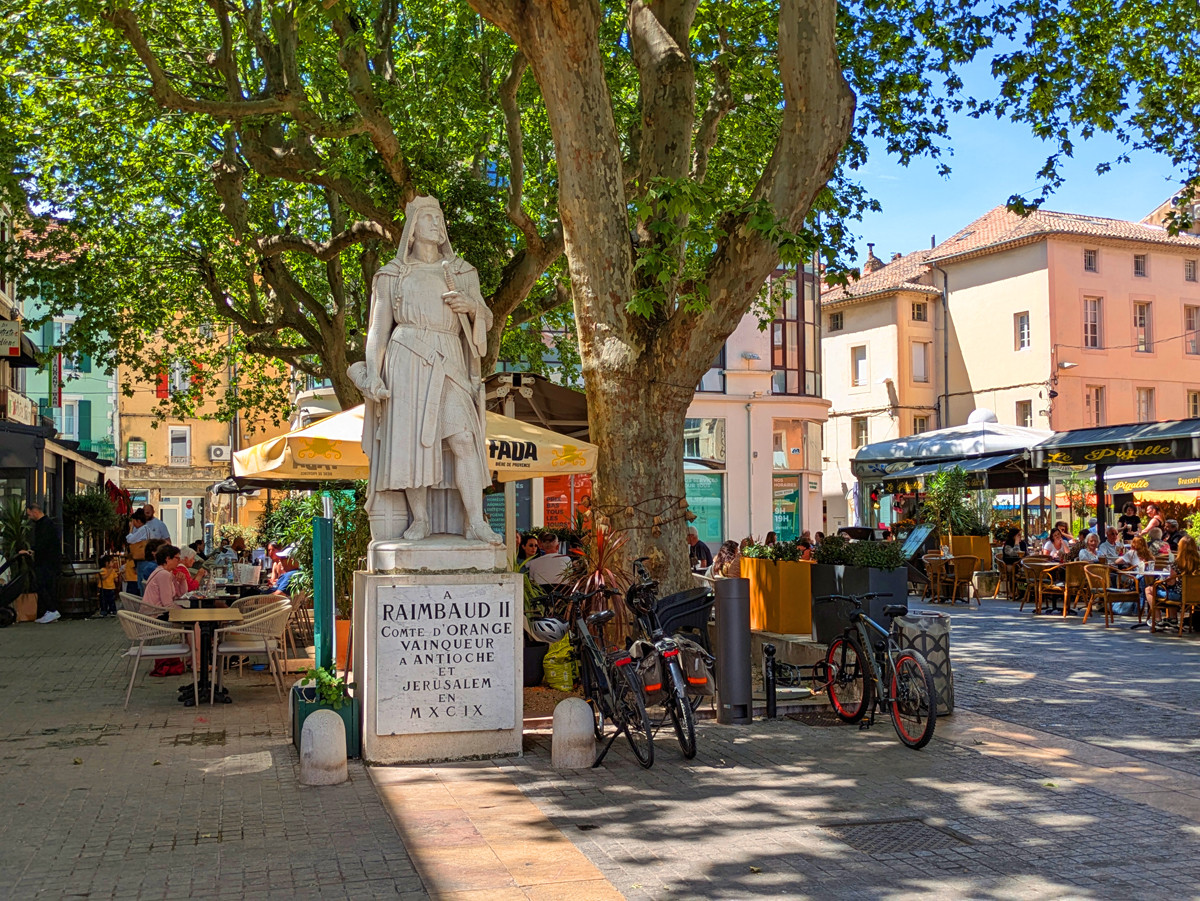
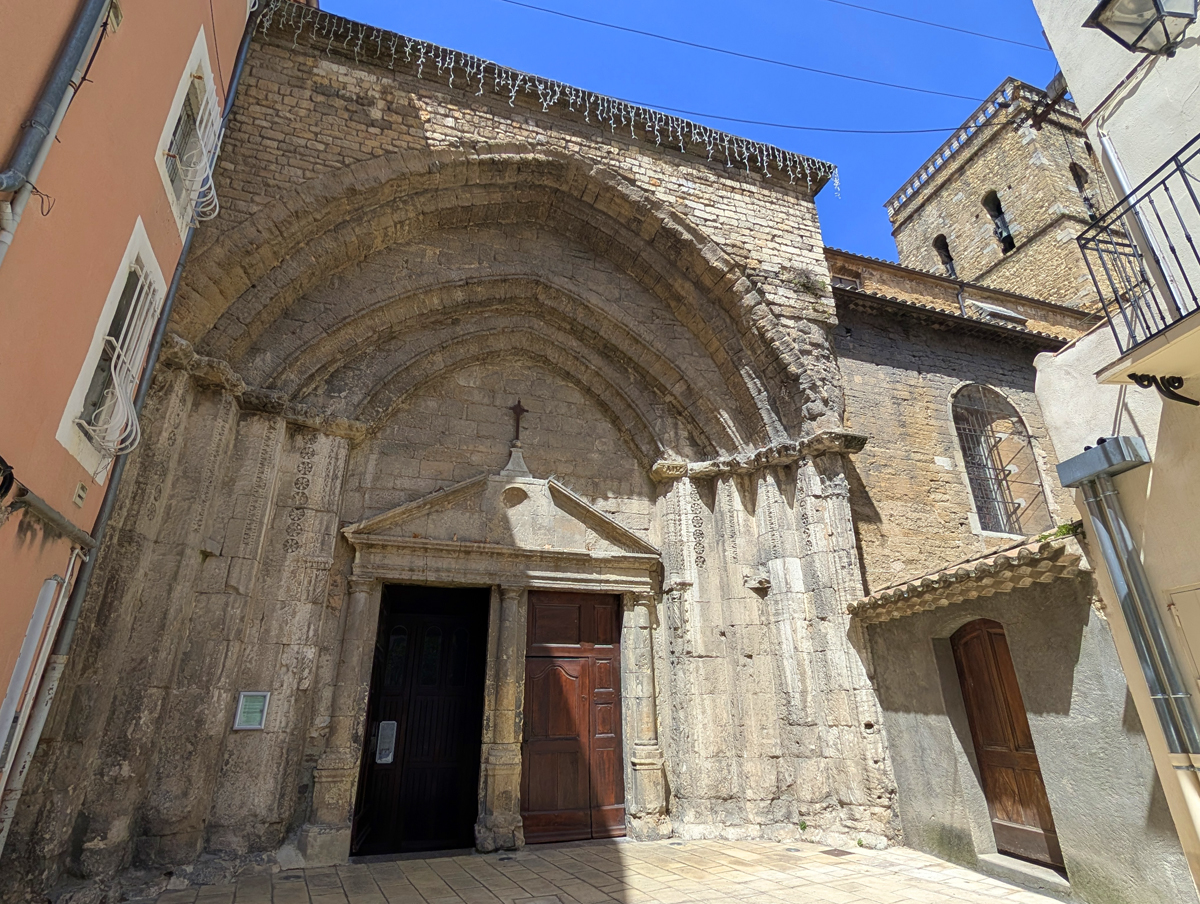
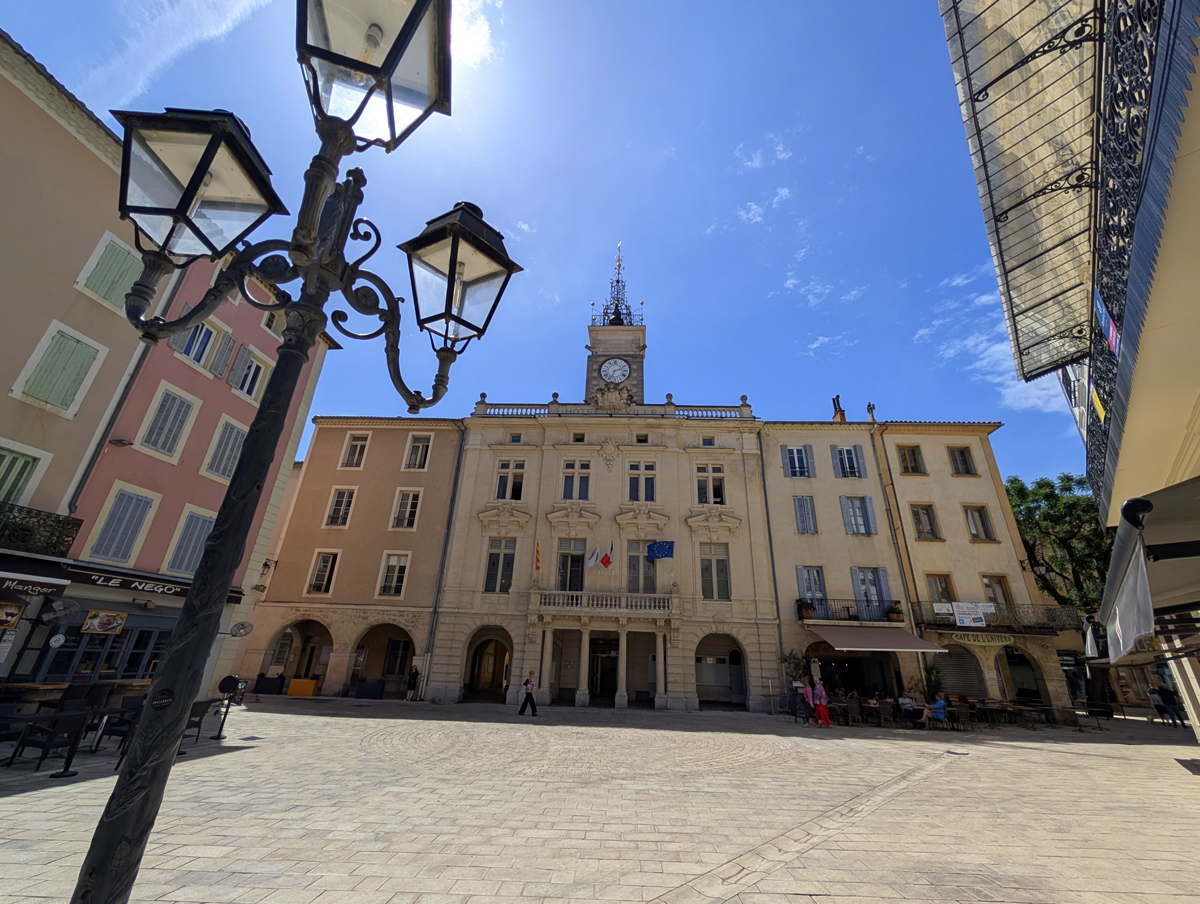
As I said, Orange is not a big place. You can visit the Cathedral, see the City Hall (which is right next to the Cathedral on Place Clemenceau). Place de la Republique is a very pretty square lined with restaurants.
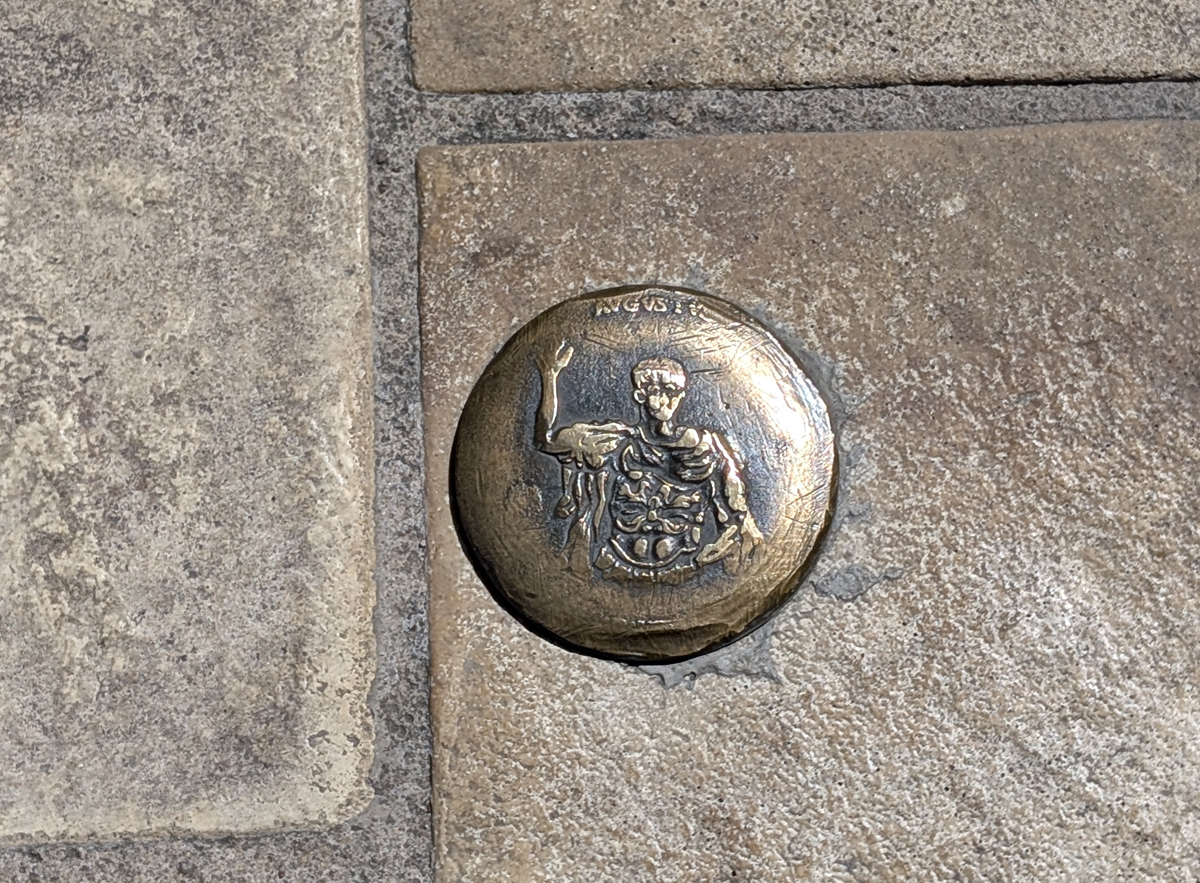
A few photos:
Have you been to Orange? What did you think of it?
Related: 10 Things to Do in Avignon

Related: Visiting Fontaine-de-Vaucluse (Provence, France)

Leave a Reply