
Hidden Gem Outdoor Experiences You Won’t Find on a Typical Travel Itinerary.
I’ve never been a big fan of the “checklist” style of travel. Seeing famous monuments while elbowing through a sea of selfie sticks doesn’t do it for me. Instead, my best memories are those in nature where I often found myself a bit out of my depth. Ziplining in Croatia, hiking in Mexico’s Copper Canyon and a 2-week road trip through the South African outback rank among my most memorable adventures
This post covers 10 incredible, unmissable outdoor adventures across four continents that every adventure seeker should have on their radar. Some I’ve experienced firsthand, others come recommended from fellow bloggers. Difficulty-wise, they range from Grade 3 (moderate) hikes to heart pumping / knee shaking experiences meant for the adrenaline junkie.
What Makes a Great Outdoor Adventure?
For me, it’s not about how dangerous or extreme a place is, it’s about authenticity.
These are destinations where massive tour buses haven’t completely ruined the atmosphere, and where you’re far more likely to be swapping stories with a local guide than fighting for space on a crowded trail. Some will test your stamina (think steep volcano ascents and sub-zero glacier winds), while others are about pure cultural connection, like standing at the base of a cliff watching wild honey hunters do their thing.
Below is my list of unmissable outdoor adventures around the globe.
8 Incredible Hidden Gems for Adventure Seekers
1. Hiking in Morocco’s Atlas Mountains (Aroumd, Morocco)
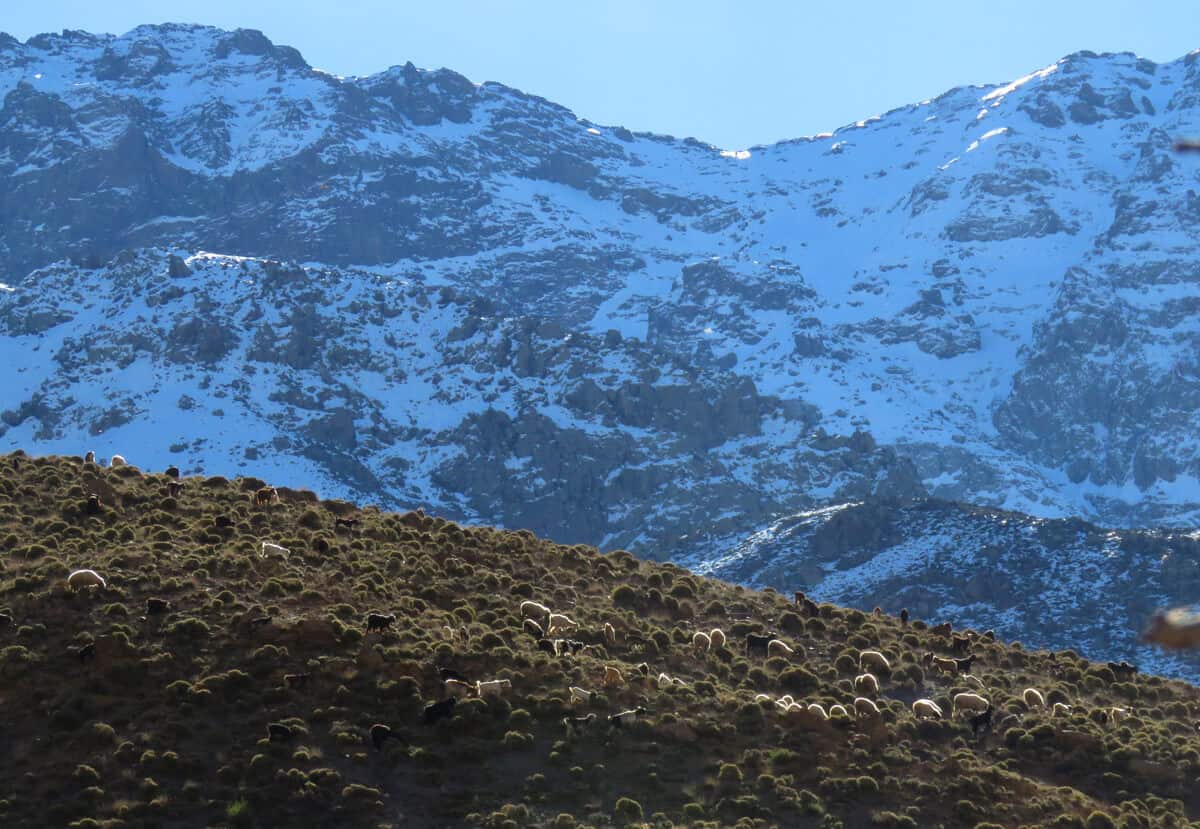
1 ½ hours south of Marrakesh lie the snow-topped Atlas Mountains. The highlight here in Mount Toubkal, the 2nd highest mountain in Africa at 4,167 meters. I spent 3 days in a small lodge looking out at the mountains ($40/night including meals) and hired local guides to take me to the best hikes in the region ($35/day).
What it’s like: You could mistake yourself in Switzerland between the snow-covered peaks, mountain streams and green valleys. Except that it comes at a fraction of the cost and without the hordes of tourists. You can hike to the summit of Mount Toubkal (which requires overnighting in a tent) or you can just do various hikes in the surrounding mountains. My favorite was a hike through a pass called Tizi n’Tamatert which took us through forests of Juniper trees to waterfalls and plateaus with mesmerizing views. Along the way we’d see farmers tending their goats or transporting goods on mules.
Duration: Most of the hikes I took were 3 to 4 hours. But there are lots of options and you just tell your guide what you want; he’ll plan it out for you. The only hike that requires a bit more planning is the one up Mount Toubkal (there are many operators who organize these trips on short notice).
Where to base yourself: The most popular place is a small town called Imlil, located in a valley near Toubkal National Park. But more spectacular is the tiny village of Aroumd, located up a mountain from Imlil. It’s where I stayed for 3 days.
Practical Tip: You don’t want to be doing this in the summer. I went in November which was perfect, warm enough to hike in a light sweater. I booked everything last minute which wasn’t an issue because very few people come here for anything other than a day trip from Marrakesh.
2. Swimming in Secret Cenotes (Yucatán, Mexico)
If you are planning to go to Mexico, swimming in hidden cenotes would be your unforgettable adventure in mexico. The Yucatán Peninsula is essentially a giant limestone sponge pocked with thousands of cenotes, freshwater sinkholes filled with blindingly clear turquoise water that were considered sacred gateways by the ancient Maya.
Where to go: Everyone knows Ik Kil (near Chichén Itzá), and it’s beautiful, but it gets packed. To avoid the crowds, head to the quieter, semi-enclosed caves tucked away around Valladolid or the backroads near Tulum.
The Vibe: The water hovers at a refreshing 24–26°C (75–79°F) year-round, making it the ultimate cool-down after exploring ruins in the tropical humidity. Floating lazily on your back while beams of sunlight cut down through a hole in the cave ceiling is pure magic.
Getting Around: Most cenotes are an easy day trip from Cancún, Playa del Carmen, or Tulum via a rented scooter or local rental car.
3. Traditional Mad Honey Hunting in the Annapurna Region (Nepal)
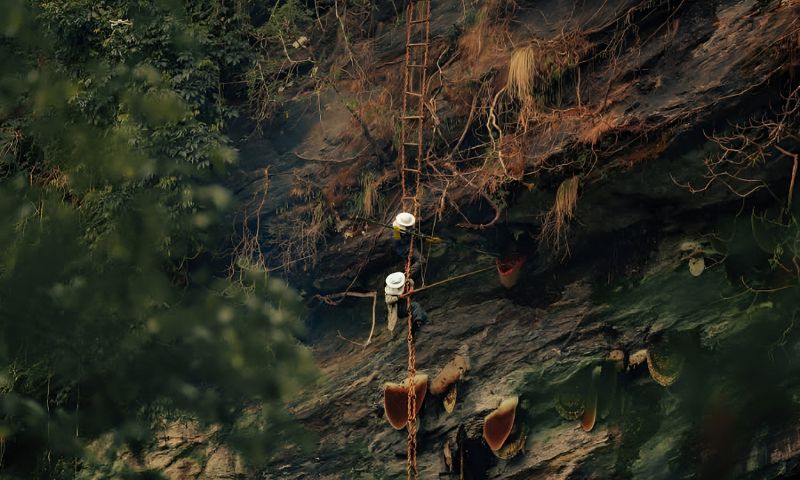
Nepal is world-famous for high-altitude trekking, but hidden deep in the Gurung villages of the Annapurna region lies a dangerous tradition that has remained virtually unchanged for centuries. Those honey hunters are brave enough to climb the cliff to harvest wild “mad” honey.
The Spectacle: Local hunters scale hand-woven rope ladders hundreds of feet up sheer cliff faces to harvest massive wild beehives. They use dried grass smoke to daze millions of angry cliff bees, they maneuver long bamboo poles and woven baskets to pry the honeycomb loose.
When it Happens: The hunts take place twice a year during Spring (April–May) and Autumn (October–November) when the hives are overflowing.
The Experience: It’s raw, humbling, and visually jaw-dropping. Sourcing raw, authentic wild honey straight from the Gurung honey hunters gives you a rare glimpse into a rugged mountain way of life that very few tourists ever witness. If you’re looking to take the adventure to the next level, go beyond the honey cliffs and trek to Everest Base Camp or Annapurna Base Camp.
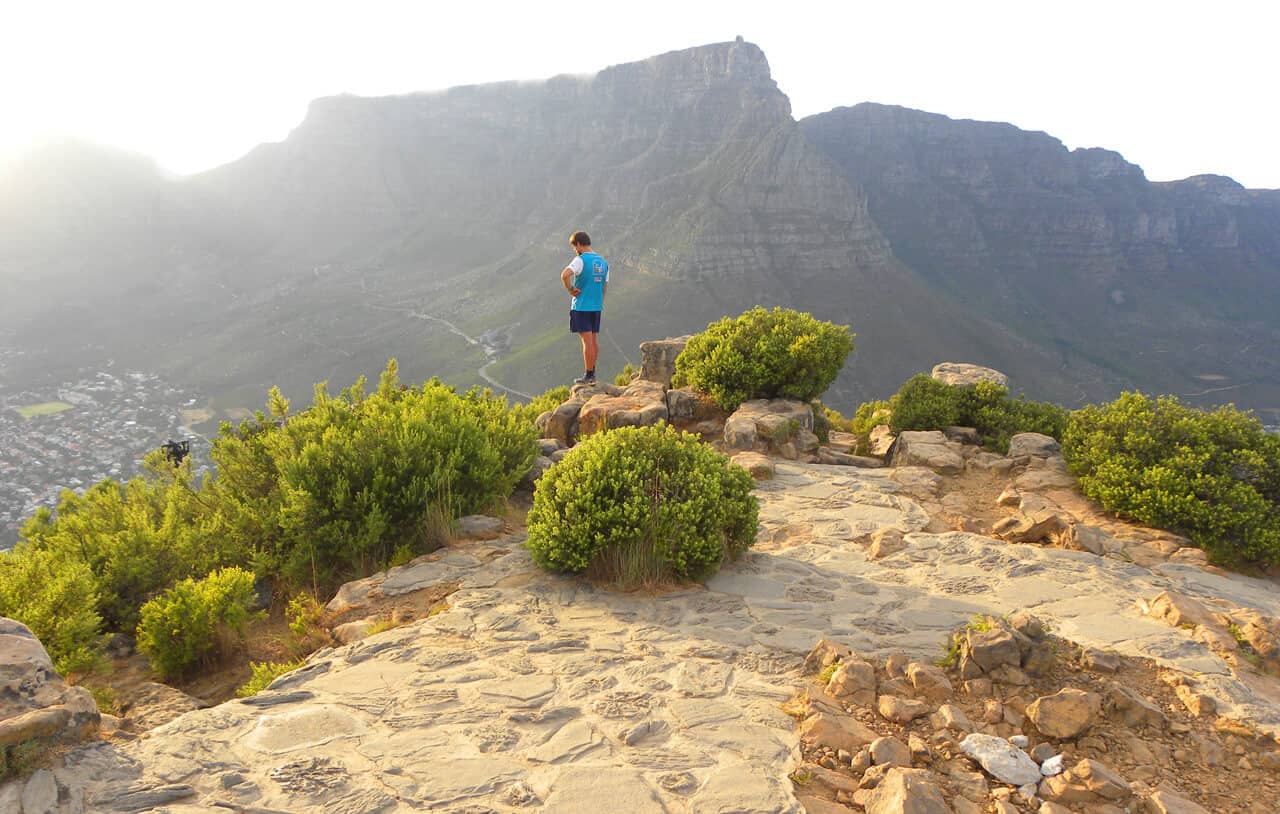
4. The India Venster route up Table Mountain (Cape Town, South Africa)
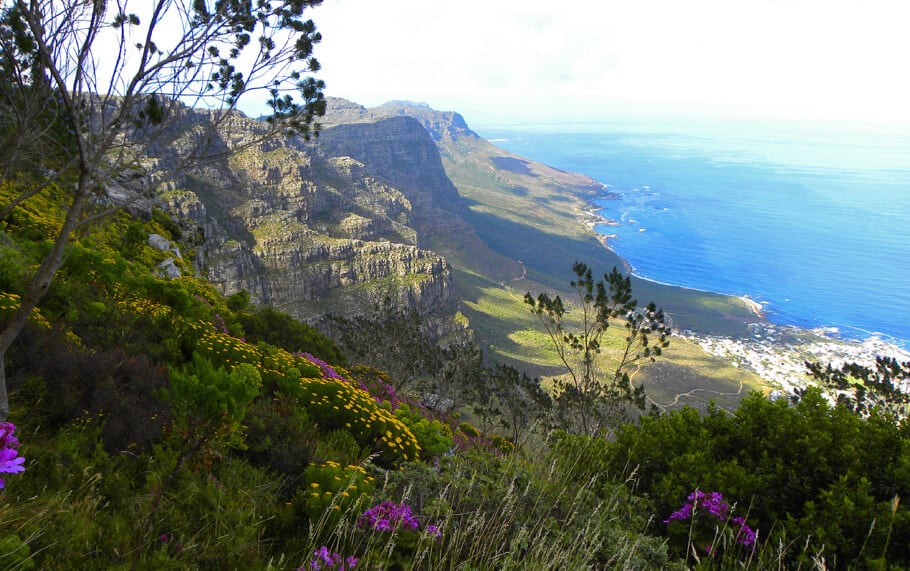
Table Mountain is one of the most spectacular locations in the world, a flat-topped mountain overlooking Cape Town. Hiking Table Mountain is something you should definitely do. How you hike it is a different matter with hikes ranging from Grade 3 (moderate) to Grade 5 (very hard). I chose to do the India Venster route, a Grade 4 (maybe Grade 5 depending on your definition) hike that requires scrambling and climbing ladders up a sheer rock wall. The reward? Some of the most spectacular geography you’ll witness in your life.
Duration: 4 hours.
More: My post on hiking India Venster up Table Mountain
Advice: Do this hike with a proper, licensed guide. People have died doing this hike alone.
5. Glacier Hiking on Vatnajökull & Sólheimajökull (Iceland)
Iceland gets a lot of hype, but stepping onto an actual ice sheet is something else entirely. Vatnajökull is Europe’s giant, topping out at around 2,110 meters, while Sólheimajökull is a much more accessible glacier tongue on the south coast if you’re shorter on time.
What it’s like: You strap on crampons, grab an ice axe, and follow your guide through a labyrinth of brilliant blue ice ridges, deep crevasses, and hidden ice caves that glow when the sunlight hits them just right.
Duration: Half-day tours usually run 3–5 hours, but multi-day expeditions into the deep ice cap are available if you want a real challenge.
Practical Tip: The weather out on the ice changes in seconds. Even in the middle of summer, freezing winds will slice right through the cotton layer up with proper waterproof and windproof gear. Always book with a certified local guide out of Skaftafell or Jökulsárlón.
6. Sleeping Under the Stars in Wadi Rum (Jordan)
Wadi Rum is located in southern Jordan near the Saudi Arabian border. This place will make you feel less like Earth and more like a set from a sci-fi film (which makes sense, given ‘The Martian’ was filmed here). Towering red sandstone mountains rise out of vast, silent desert sweeps.
Getting There: It’s an easy 4-hour drive south from Amman, or just an hour up from the coastal hub of Aqaba. If you’re already visiting Petra, Wadi Rum is less than two hours away.
When to Go: Aim for Spring (March–May) or Autumn (September–November). Daytime temperatures are perfect for hiking or jeep tours, and nights cool down nicely. Summer pushes past a blistering 40°C (104°F), while winter nights can drop to freezing.
The Experience: Skip the big luxury resorts and book a traditional Bedouin-run camp. You’ll spend the day bouncing around in the back of a 4×4 or trekking, eat home-cooked Zarb (a feast cooked in underground pits), and spend the night outside under one of the clearest night skies you’ll ever lay eyes on.
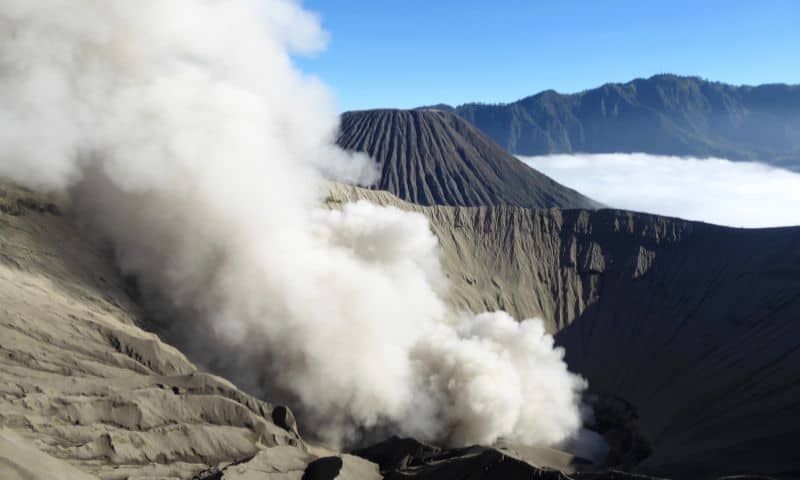
7. Trekking Active Volcanoes (Java, Indonesia)
Indonesia sits right on the Ring of Fire, and hiking its volatile volcanic landscapes offers a raw adrenaline rush you won’t find on standard mountain trails.
Mount Bromo: Standing on the crater rim of Bromo as the sun rises over a smoking, moonlike caldera is a rite of passage for travellers in East Java.
Kawah Ijen: Famous for its rare electric-blue flames, caused by ignited sulfuric gas breaking through cracks in the earth. You have to start trekking in the pitch-black early hours of the morning to catch the blue fire before dawn breaks, revealing a massive, neon-turquoise acidic crater lake inside.
Practical Advice: Bring a proper respirator mask (not a surgical mask!). The sulfur fumes can get intense fast depending on which way the wind blows.
8. Sea Kayaking the Dalmatian Coast (Croatia)
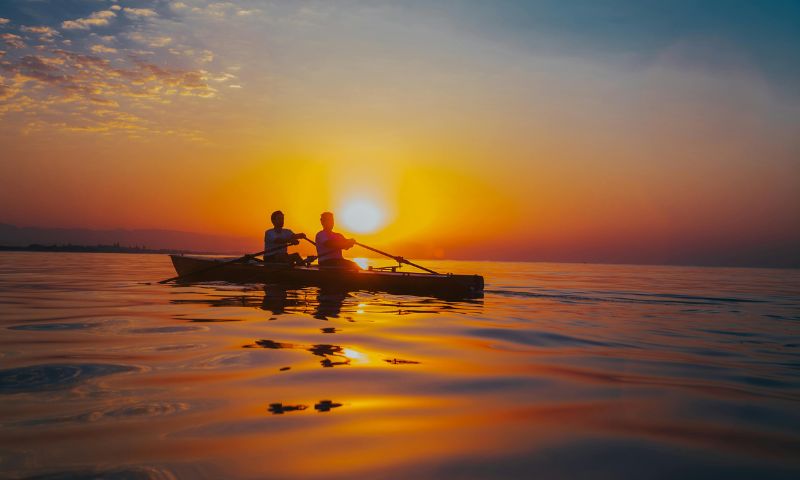
Croatia’s mainland beaches can get wall-to-wall crowds in high summer, but the best way to see its stunning limestone coast is from the water.
The Route: Paddling beneath the towering stone walls of Dubrovnik gives you a brilliant historical perspective, but multi-day trips around the quieter islands of the Dalmatian coast (like Hvar, Vis, or the Elaphiti Islands) are where the real adventure lies.
Duration: Options range from 2-hour sunset paddles to 3–5 day island-hopping expeditions, camping on hidden pebble beaches and stopping in quiet fishing villages for lunch.
Best Time to Go: Shoot for the shoulder months of late May to June or September to early October. The sea is warm, the summer winds have settled down, and you won’t be fighting yachts for bay space.
Guide vs. Solo: Unless you have serious open-water navigation skills, hire a local kayaking guide. They know the coastal currents, safe landings, and secret sea caves you’d paddle right past on your own.
9. Tracking Black Rhinos on Foot in Damaraland (Namibia)
Safaris in open-top jeeps are great, but nothing compares to stepping off the vehicle and tracking wild animals on foot through Namibia’s rugged desert terrain.
Where: The stark landscapes of Etosha National Park and the community conservancies of Damaraland.
The Experience: Led by expert local trackers, you’ll learn how to read subtle signposts in the dirt—broken twigs, fresh tracks, and droppings to track desert-adapted elephants or the critically endangered black rhino. Walking through the desert, keeping your ears open and matching the pace of nature, turns a simple viewing into a heart-pounding experience.
How Long: Walks range from short 3-hour morning tracking sessions to full-day wilderness treks.
Who it’s for: Photographers, nature lovers, and anyone who prefers an unhurried, conservation-focused connection with nature over just crossing big animals off a list.
10. Subterranean Caving in Phong Nha-Ke Bang (Vietnam)
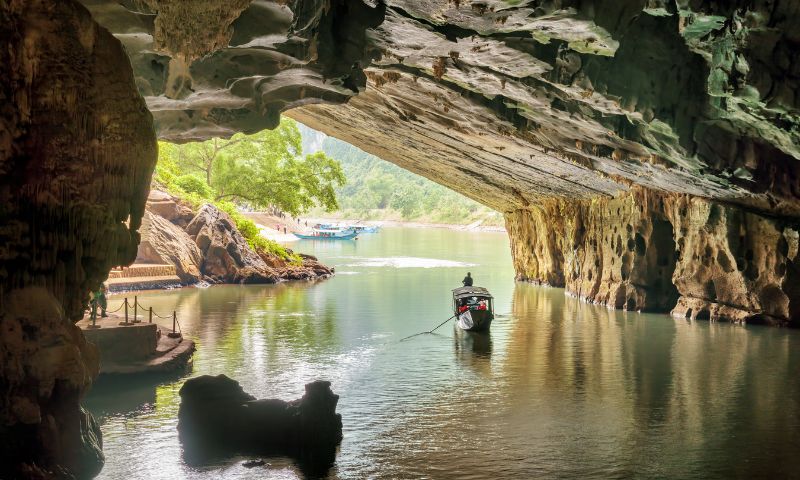
Central Vietnam’s Phong Nha-Ke Bang National Park harbors some of the oldest karst mountain systems on Earth, containing massive subterranean caverns including Son Doong, the largest cave on the planet.
The Landscape: This isn’t a stroll down a paved, lit walkway. Caving here involves trekking through dense jungle, wading through underground rivers, and scrambling over colossal boulders inside cavernous spaces big enough to fit a city block.
Duration: You can do half-day family tours of accessible spots like Paradise Cave, or commit to 2–4 day jungle and cave expeditions that require swimming, harness-climbing, and camping inside giant subterranean chambers.
Who it’s for: Geology nuts and true adventurers looking for a wild, muddy experience far away from Vietnam’s busier cities.
Final Thoughts
The key to unforgettable travel isn’t how far you go or how much money you spend, it’s how engaged you are with the place you’re in.
Whether you’re strapping on crampons in Iceland, paddling into hidden Croatian coves, or witnessing and taste-test both Spring and Autumn mad honey while suspended over a breathtaking canyon in Nepal., taking the time to step off the mainstream tourist circuit opens up a totally different side of the world. Pick one that pushes your comfort zone just a little bit, hire a passionate local guide, and enjoy the adventure.
Have you tried any of these outdoor adventures, or do you have a hidden gem of your own?
Related: Travel Bloggers on their favorite hikes around the world
Leave a Reply